Quick answer
For most school-age kids, an insulated straw cup keeps water colder longer and is easier to sip without tilting, making it the better lunchbox choice. A pop-up water bottle wins for quick, one-handed drinking during sports or short errands, but it usually is not insulated and can be harder to clean thoroughly. If you want one bottle for school lunch hydration, choose an insulated straw cup; if you need a lightweight backup for the playground, a pop-up bottle works.
How the two designs actually differ in daily use
A pop-up water bottle uses a push-button or flip-top spout that pops open for drinking. It is typically a single-wall plastic or metal bottle, so it does not keep water cold for hours. The upside is speed: kids can open and sip without unscrewing a lid or tilting the bottle far back. The downside is that the spout mechanism has small parts and crevices where juice or milk residue can collect if it is not rinsed daily.
An insulated straw cup has a double-wall construction and a built-in straw, often with a flip-up cover. The insulation keeps water cold through a long school day, and the straw lets kids drink upright without tipping the cup over their face. The trade-off is that straw cups usually hold less liquid than a full-size pop-up bottle, and the straw and valve need regular cleaning to prevent mold. Neither design is automatically spill proof; look for a lock or sealed cover if the cup will be tossed into a backpack.
What to check before you buy for school or travel
Start with the age and drinking style of the child. Toddlers and preschoolers often do better with a straw cup because they can sip while sitting upright and are less likely to dump water down their front. Older kids who are running to recess or sports practice may prefer the fast pop-up top. Next, check the capacity: a 12-ounce straw cup is usually enough for a half-day preschool session, while a 16- to 20-ounce pop-up bottle suits a full school day or a long outing.
Cleaning matters more than most parents expect. Pop-up spouts often have a silicone valve that needs to be removed and scrubbed with a small brush. Insulated straw cups usually come with a straw brush, and some are dishwasher safe on the top rack, but you should confirm that in the product details rather than assume it. Finally, test the lid lock. A cup that seals with a simple flip tab can pop open in a lunchbox; a slide lock or twist cover gives you a better chance of a dry backpack.
Where books and bottles overlap in a school bag
If you are already packing a signed book or a board book for quiet reading time, the bottle you choose should not crush it. A slim insulated straw cup fits better in a side pocket than a wide pop-up bottle, and it is less likely to leak onto paper books because the straw stays inside the sealed lid. For younger kids who carry board books, a smaller straw cup is easier for little hands to hold and less likely to be dropped. If your child is attached to a favorite character, a themed pop-up bottle can motivate them to drink more, but check that the character design does not hide a leak-prone spout.
Trade-offs at a glance
- Temperature retention: An insulated straw cup keeps water cold for hours, which matters on a warm school day. A pop-up bottle without insulation warms up quickly, so it is better for short trips. Choose insulation if the bottle will sit in a cubby all morning.
- Drinking ease: A pop-up bottle lets kids drink one-handed without tilting, which is handy during sports. A straw cup requires less head tilt but usually needs two hands to open the cover. Match the opening style to your child's typical drinking position.
- Cleaning and parts: Pop-up spouts often hide a silicone valve that must be removed and scrubbed. Straw cups have a straw and sometimes a valve, but many include a straw brush and are easier to rinse through. If you will not scrub small parts daily, a simple straw cup may be the more realistic choice.
- Capacity and fit: Pop-up bottles usually hold more liquid but are wider. Insulated straw cups are often slimmer and fit side pockets better, though they may need refilling for a full day. Measure your lunchbox side pocket before buying a wide bottle.
Product facts that matter for this choice
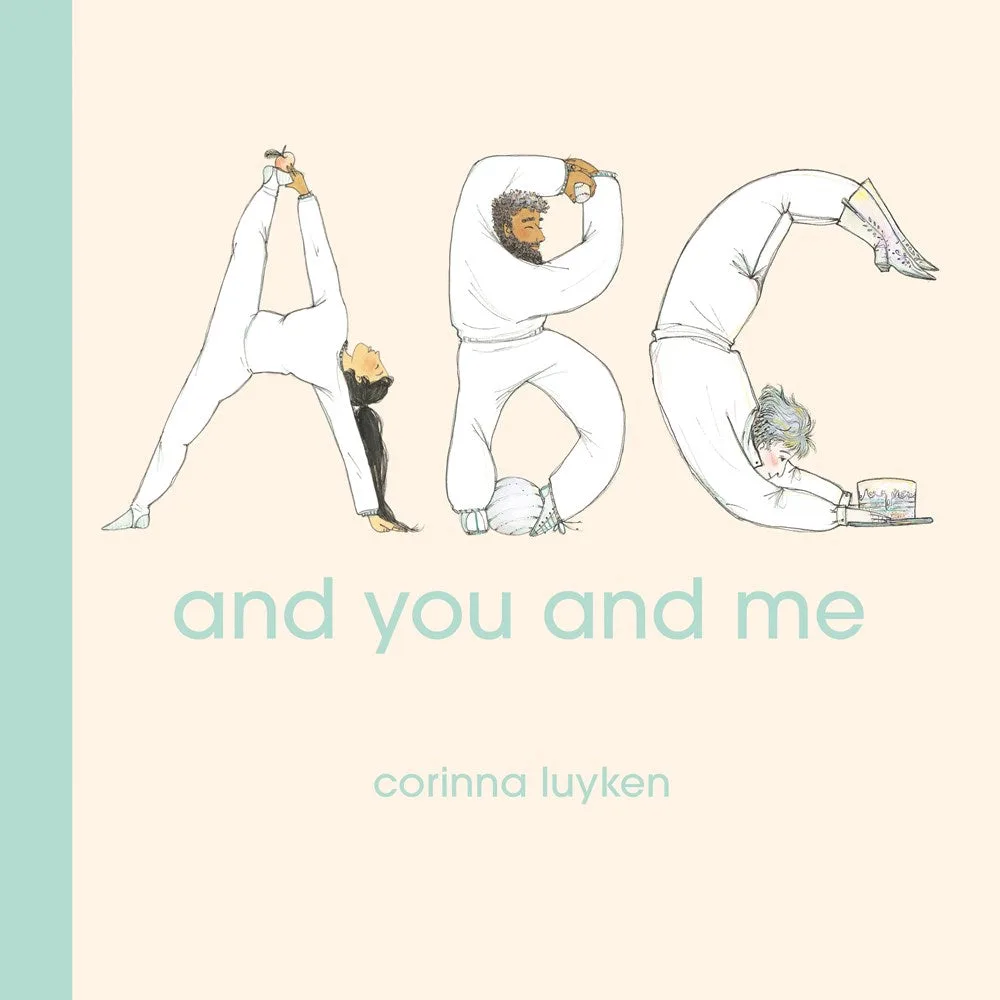
- ABC and You and Me: ABC and You and Me is a board book by award-winning and New York Times bestselling author/artist Corinna Luyken that encourages young kids to sit up and move, using the alphabet to explore movement and the human body. A sturdy board book like this is a good companion for a preschooler who carries a small straw cup; the book can handle being tossed in a bag next to a bottle without tearing.
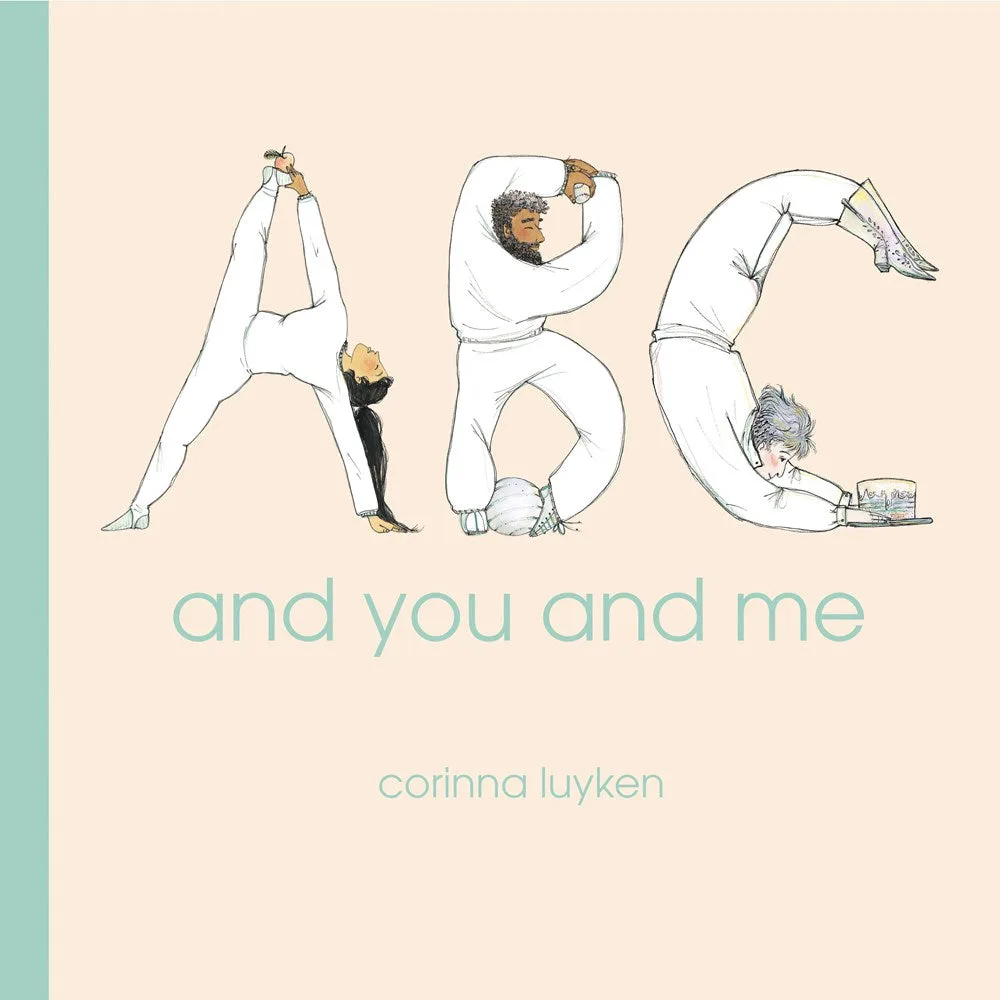
ABC and You and Me
- All That’s Left to Say: All That’s Left to Say is a signed book with bookplates, described as a poignant story of a grieving girl, and is available in the Signed Books category. Signed books are often kept as keepsakes, so if you pack one for an older reader, choose a bottle with a reliable lock to avoid water damage to the signature or bookplate.
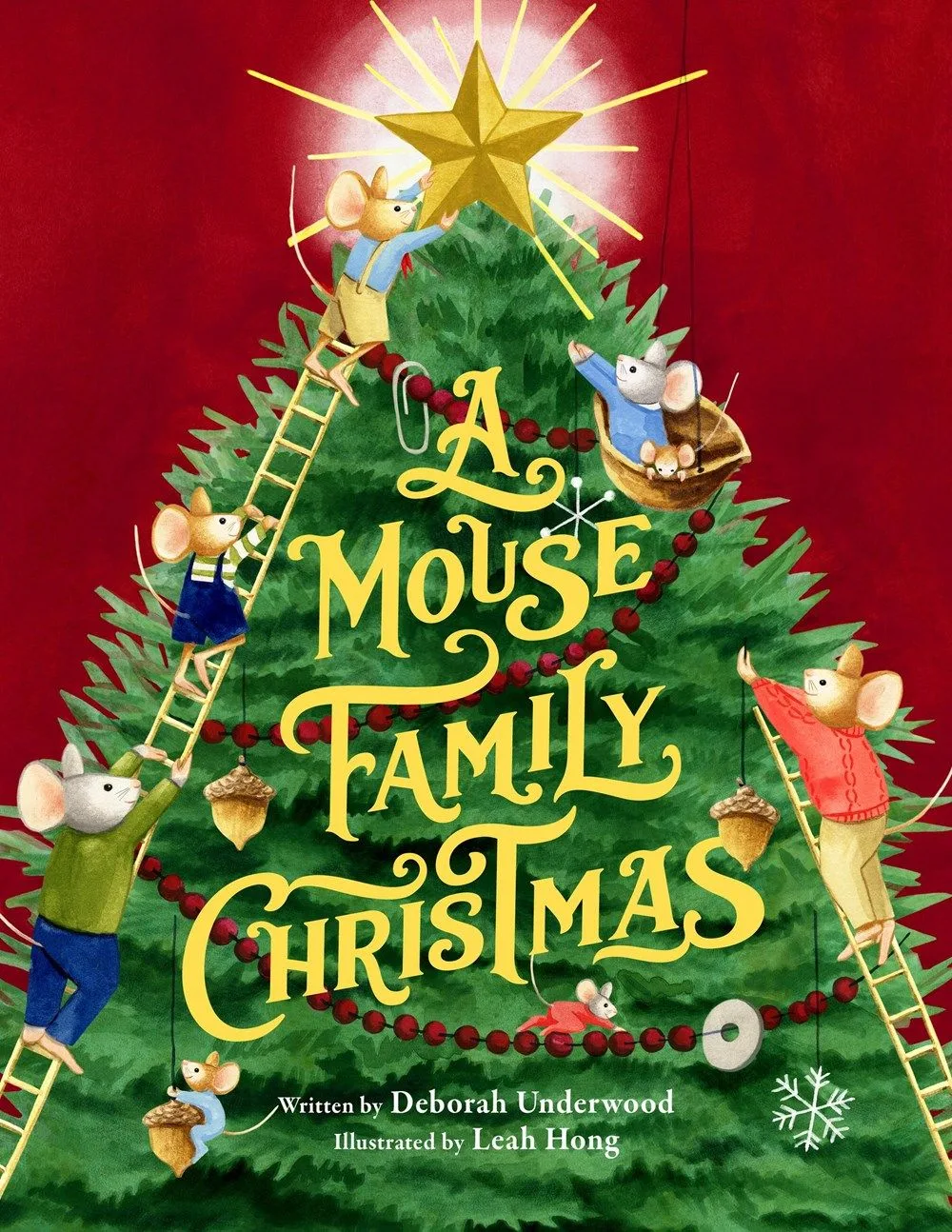
- A Mouse Family Christmas: A Mouse Family Christmas is a signed picture book with a bookplate, a holiday story starring mouse characters, and is part of the Signed Books category. A holiday-themed signed book makes a nice gift pairing with a spill-resistant cup for a young reader, but keep the book in an inner pocket if the cup is not fully leak proof.
Which one should you pack?
Best for
- School-age kids who need cold water through a full day and drink while sitting at a desk
- Preschoolers and toddlers who are learning to sip from a straw without tilting
- Parents who want a slim cup that fits a side pocket next to a board book or signed book
Not for
- Kids who need a quick one-handed sip during active sports and do not care about insulation
- Families who want the largest possible capacity and will refill often
- Children who refuse to drink from a straw and prefer a spout