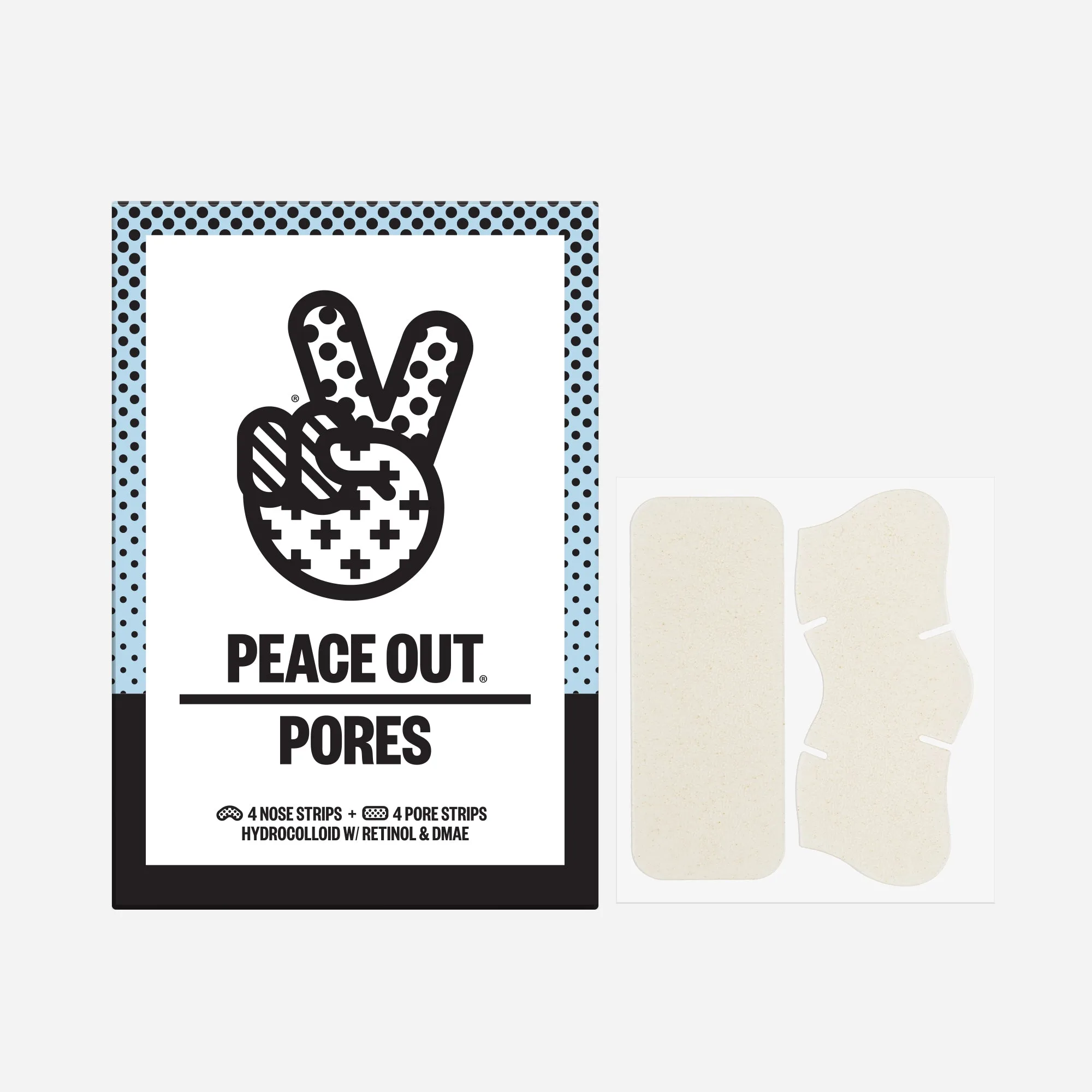
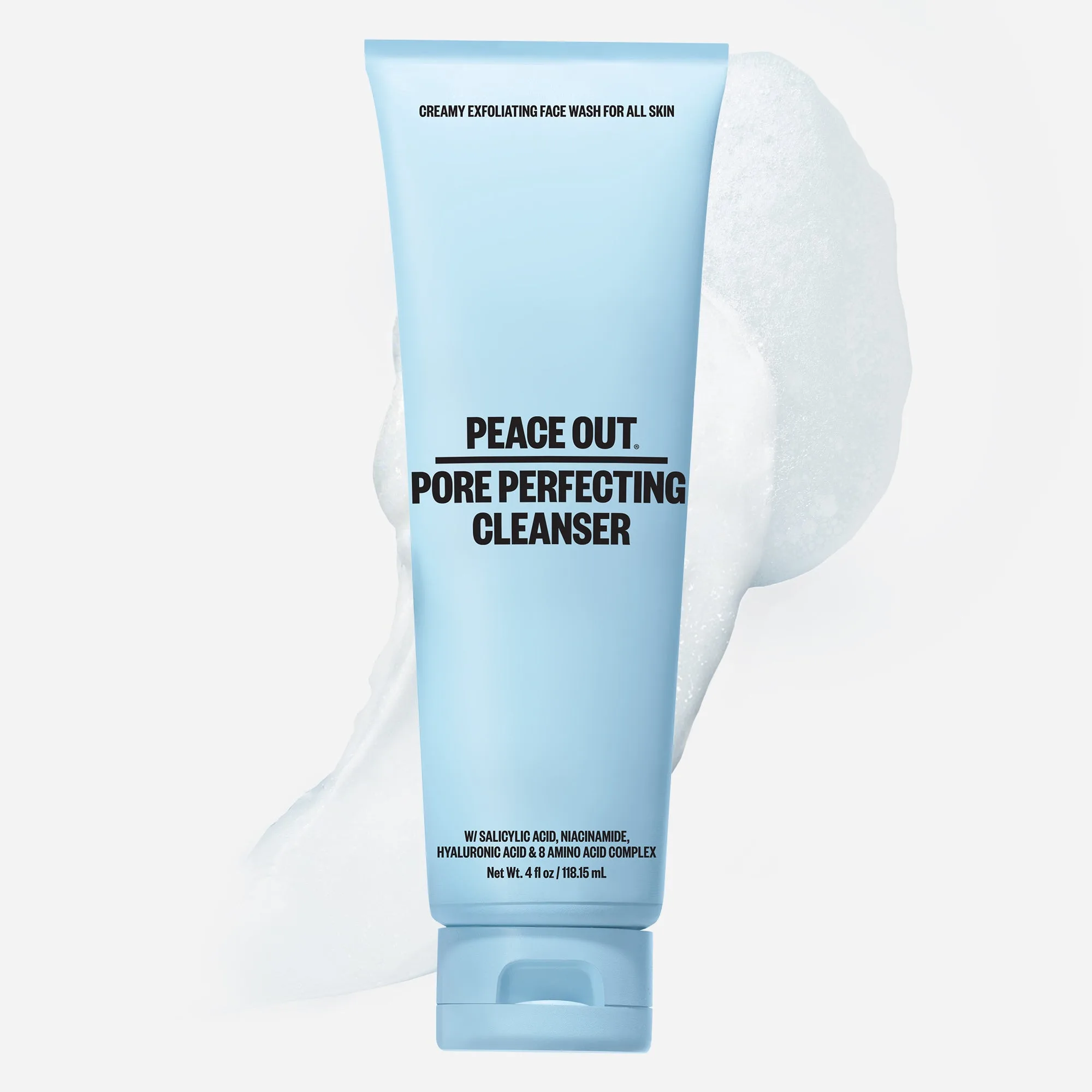
Pore strips are a quick fix for blackheads and clogged pores, but using them incorrectly can lead to irritation, enlarged pores, and even broken capillaries. Many people make the same mistakes over and over, wondering why their nose still looks bumpy or why their skin feels sore after peeling. The truth is, pore strips are a powerful tool when used right—and a skin nightmare when used wrong.
In this guide, we’ll walk you through the five most common pore strip mistakes and show you exactly how to avoid them. From prepping your skin to choosing the right strip for your skin type, you’ll learn how to get the smoothest results without the damage. Plus, we’ll share the perfect aftercare routine to keep your pores looking refined and your skin happy.
Mistake #1: Skipping the Prep Step
One of the biggest errors is slapping a pore strip onto dry, unwashed skin. Pore strips work by adhering to the top layer of dead skin cells and sebum, but if your skin is dirty or oily, the strip won’t stick properly. This leads to uneven peeling and a lot of pain with little payoff. Worse, if you have makeup or sunscreen on, the strip may pull at your skin without actually removing the gunk from your pores.
To get the best results, start by cleansing your face with a gentle cleanser like the Acne Gel Cleanser to remove surface impurities. Then, open your pores by holding a warm, damp cloth over your nose for about 30 seconds. This softens the skin and loosens the blackheads, making the strip far more effective. Never apply a pore strip to dry skin—always prep with warmth and moisture.
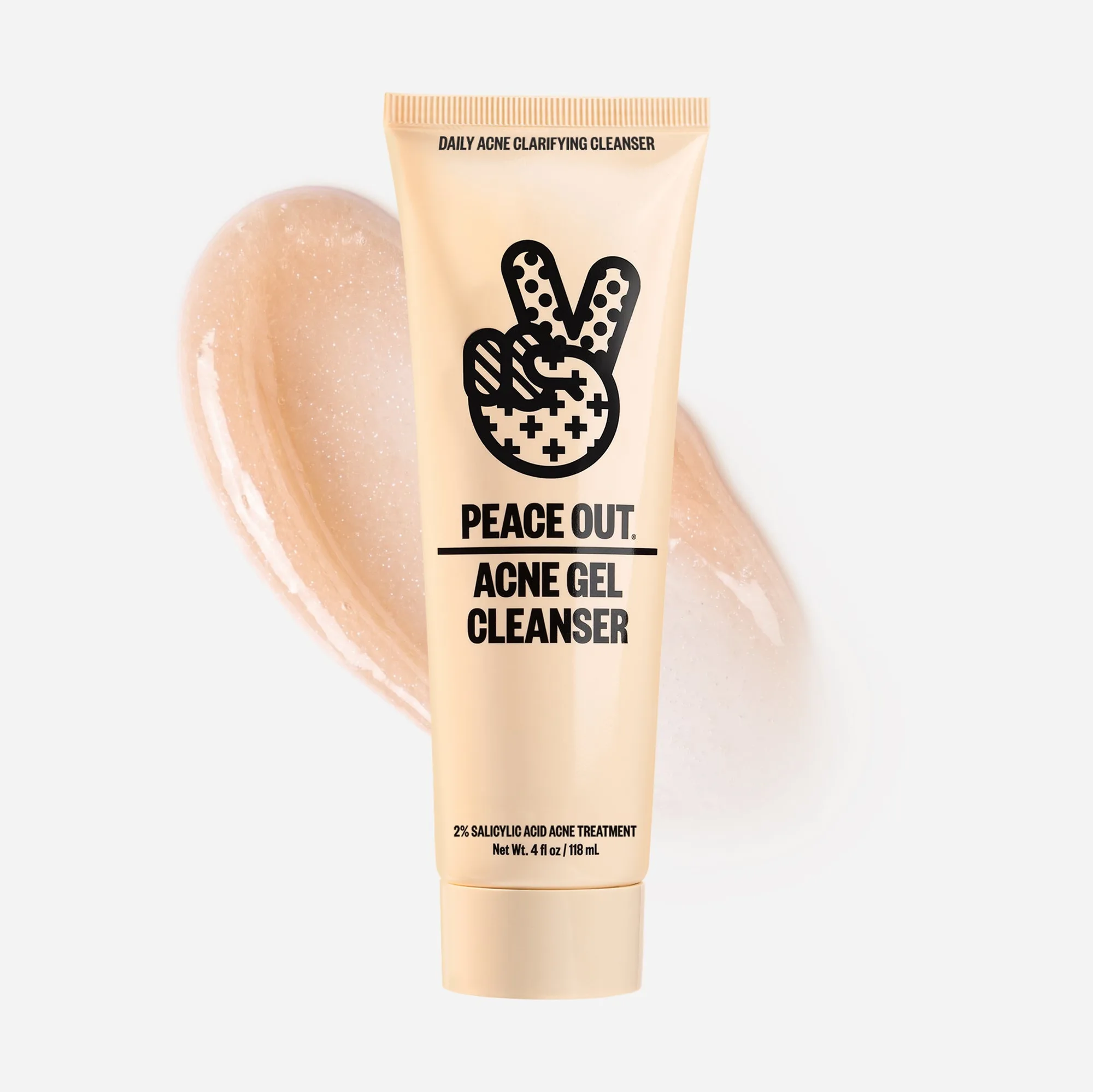
Acne Gel Cleanser
- Always cleanse before applying a pore strip.
- Use a warm compress to open pores for better adhesion.
- Pat your skin dry, but keep it slightly damp—not soaking wet.
Mistake #2: Leaving the Strip On Too Long
We get it—you want to make sure the strip has fully dried so it can really pull out those blackheads. But leaving a pore strip on for longer than the recommended time (usually 10-15 minutes) can cause the adhesive to bond too strongly to your skin. When you finally peel it off, you might take off more than just the blackheads—you could strip away the top layer of your epidermis, leading to redness, peeling, and even infection.
The key is to follow the instructions on the package. For example, our Pore Refining Strips are designed to be left on for exactly 10-15 minutes. If you’re using a different brand, check the label. A good rule of thumb: the strip should feel stiff, but not rock hard. If it starts to curl at the edges or feel painful, it’s time to remove it. And always peel in the direction of hair growth—from the outside in—to minimize irritation.
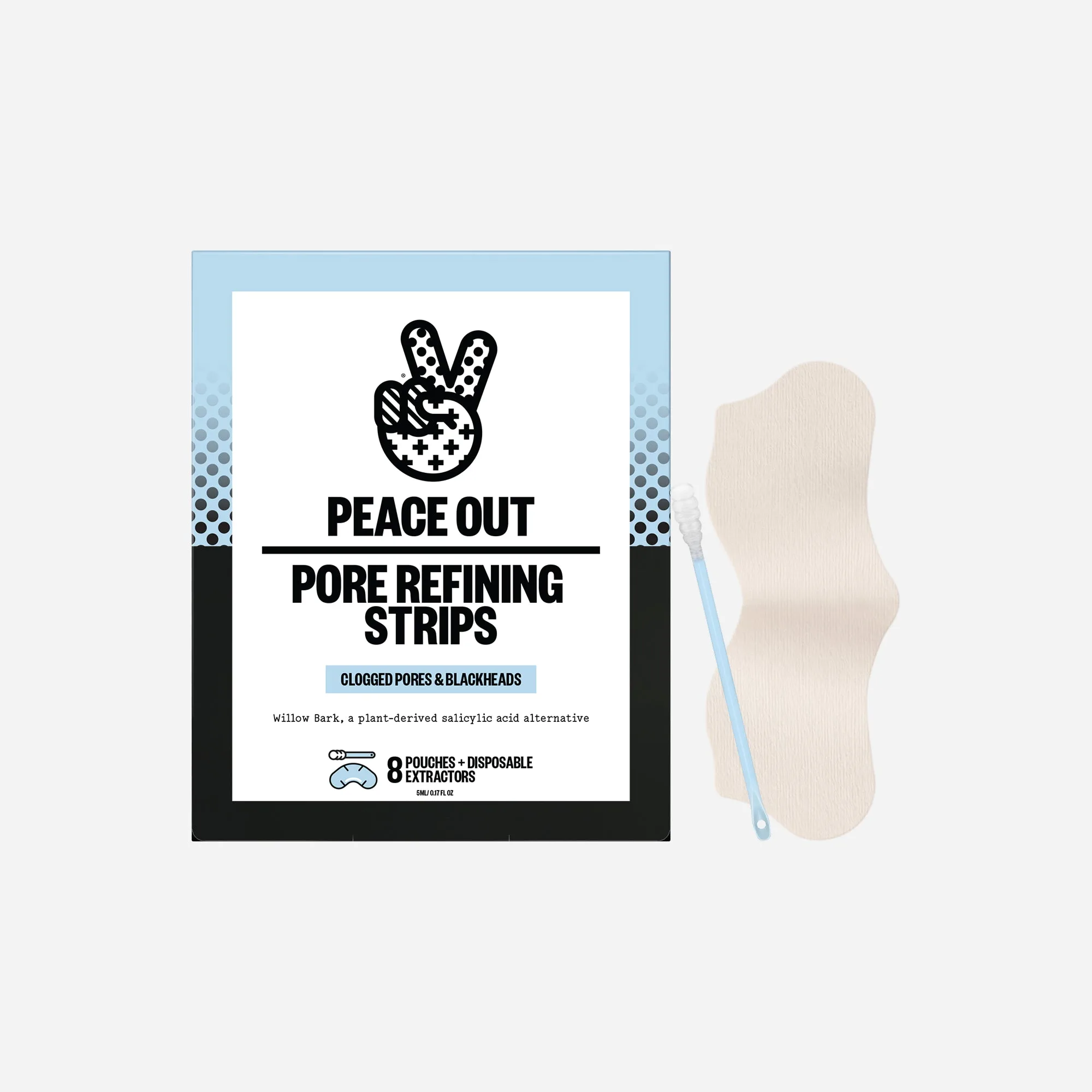
Pore Refining Strips
- Set a timer to avoid over-drying.
- If the strip feels painful, remove it immediately.
- Peel slowly and gently, never yank.
Mistake #3: Using Pore Strips Too Often
Some people get addicted to that satisfying peel and end up using pore strips every other day. This is a huge mistake. Overusing pore strips can strip your skin of its natural oils, disrupt your moisture barrier, and cause your pores to produce even more sebum to compensate. The result? You end up with more blackheads and an oily, irritated nose.
Dermatologists recommend using pore strips no more than once a week, and only if you have oily or combination skin. If you have sensitive or dry skin, you might want to limit it to every two weeks. Instead of relying on strips daily, consider using a clay-based product like the Instant Oil Control Roller W/ Halloysite Clay to manage oil throughout the week. This helps keep your pores clear without the physical trauma of frequent peeling.
- Limit pore strip use to once a week maximum.
- Listen to your skin—if it feels raw, take a break.
- Use oil-control products between strips to manage shine.
Mistake #4: Picking the Wrong Type of Strip
Not all pore strips are created equal. Some are designed for the nose, others for the chin or forehead. Using a strip that’s too large or too small can lead to poor adhesion and missed spots. More importantly, the adhesive strength varies. Some strips are too aggressive for sensitive skin, while others are too weak to remove stubborn blackheads.
If you have sensitive skin, look for strips that are gentle and hydrating. Our Pore Refining Strips are formulated with soothing ingredients to minimize irritation. For those with stubborn blackheads, you might need a stronger strip, but always do a patch test first. And if you have acne-prone skin, consider using a hydrocolloid patch like the Acne Day Dots - Jumbo instead of a traditional strip, as it can help draw out impurities without the harsh pulling.
- Match the strip size to the area you’re treating.
- Choose gentle formulas if you have sensitive skin.
- For active acne, opt for hydrocolloid patches instead.
Mistake #5: Neglecting Aftercare
After you peel off that strip, your pores are left open and vulnerable. Skipping aftercare is like washing your face and then going to bed without moisturizer—your skin will freak out. Without proper hydration, your pores can become clogged again quickly, and you might even see more blackheads within a day or two.
The moment you remove the strip, rinse your nose with cool water to close the pores. Then, apply a soothing, non-comedogenic moisturizer like the Acne Gel Moisturizer to hydrate without clogging. You can also use a hydrating mist like the Redness + Hydrating Clarifying Mist to calm any redness. Avoid harsh exfoliants or acids for at least 24 hours after using a pore strip, as your skin is already compromised.
- Rinse with cool water to close pores.
- Apply a lightweight, oil-free moisturizer.
- Avoid exfoliating acids for 24 hours post-strip.
Pore strips can be a fantastic addition to your skincare routine when used correctly. By avoiding these five common mistakes, you’ll get the smooth, clear nose you’re after without the irritation. Remember to prep your skin, follow the timing, don’t overdo it, choose the right strip, and always finish with proper aftercare. If you’re ready to try a pore strip that’s gentle yet effective, check out our Pore Refining Strips—they’re designed with your skin’s health in mind. Happy peeling!