Quick Answer
If your IEMs already get loud enough from a simple USB-C dongle and you only listen on one device, you probably don't need a portable DAC/amp. Step up to the Relay DAC/AMP when you want high and low gain modes, selectable filters, and both 3.5mm single-ended and 4.4mm balanced outputs in one lightweight unit. The Pilot II sits in between: a compact 4.4mm-balanced DAC with an ESS Sabre 9281AC Pro chip and a boost toggle, for listeners who want more headroom than a basic dongle without a full control set.
What a Dongle Actually Does
A dongle's job is narrow: it bypasses your phone or laptop's built-in headphone output and converts the digital signal with a dedicated chip. That alone can remove hiss, tighten bass, and give sensitive IEMs a cleaner noise floor. What it usually does not give you is real gain control, filter choices, or a balanced output. If your earphones are easy to drive and you listen at moderate volume, that's often all you need, and the money is better spent on tips or a cable.
The moment a dongle stops being enough is when you hear the ceiling: volume maxed out on quieter recordings, dynamics flattening on big swings, or a 4.4mm balanced cable you can't use. That's the signal to look at a portable DAC/amp rather than another dongle.
Where the Relay DAC/AMP Changes the Equation
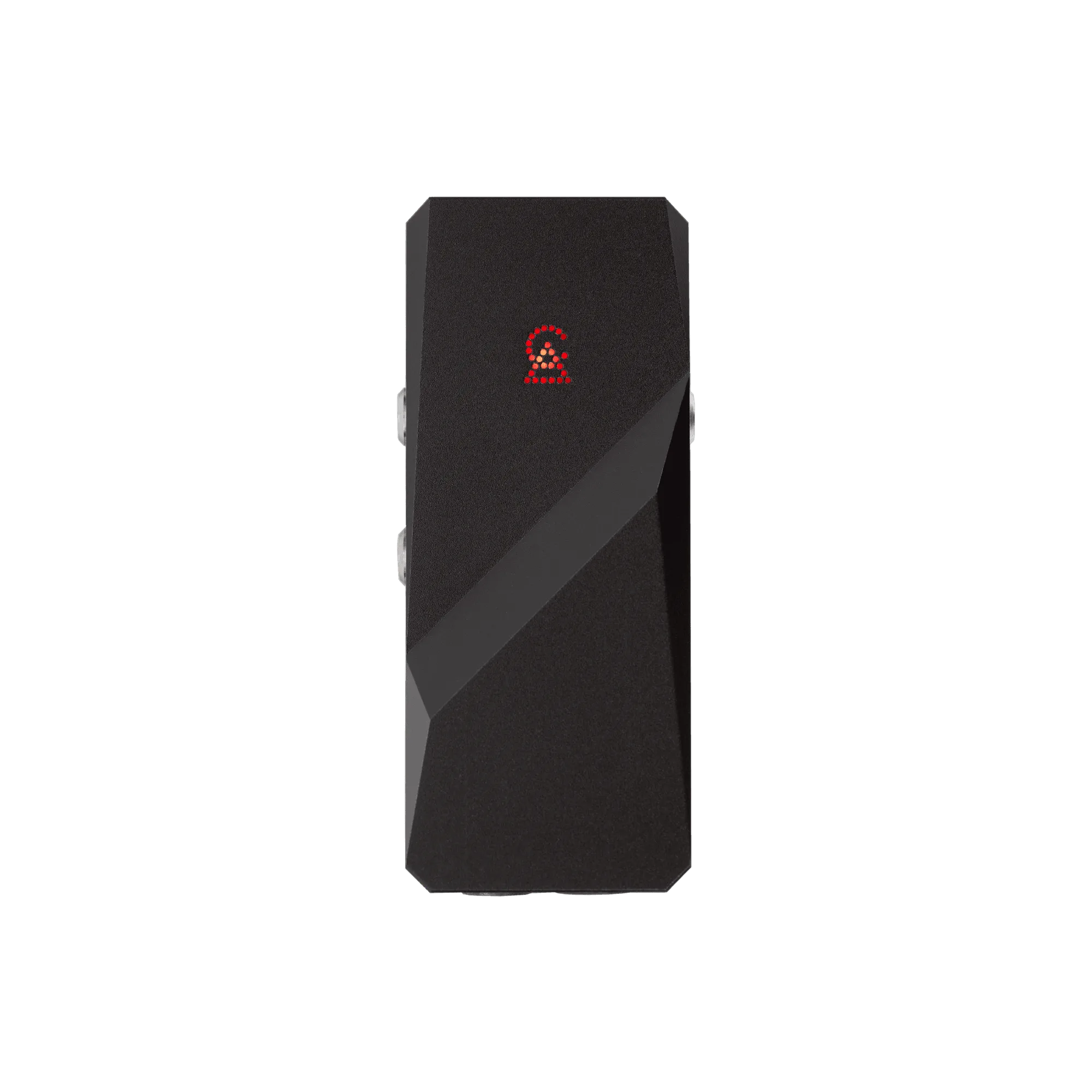
The Relay is built around an AKM SEQ 4493 DAC chip with two ultra-low-noise, high-output drivers, and it exposes controls a dongle doesn't: high and low gain modes, six selectable filter modes, a 60-step volume control, and media playback buttons. Practically, that means you can run sensitive IEMs on low gain for a quieter background, then switch to high gain for harder-to-drive models without swapping hardware.
It also gives you both a 3.5mm single-ended and a 4.4mm balanced output, plus DSD and PCM playback. The trade-off is size and cost: it's a pocketable unit rather than a cable stub, and it asks more of your budget than a basic dongle. If you never touch filters or gain, you're paying for controls you won't use.
The Middle Path: Pilot II
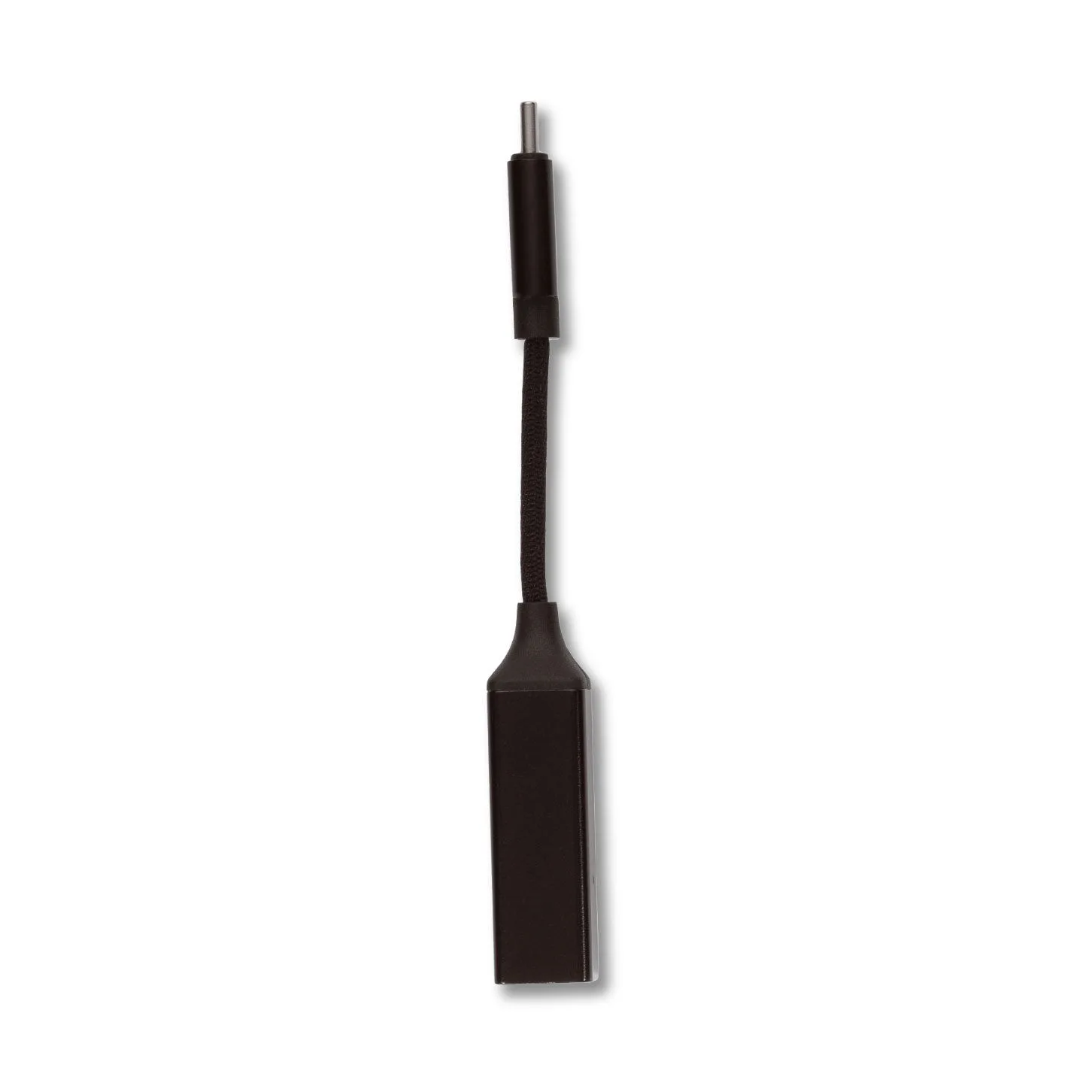
The Pilot II is the compact option with a real upgrade path. It uses an ESS Sabre 9281AC Pro DAC and adds a 4.4mm balanced output plus a boost toggle for variable output, and it works with standard USB-C or the included Lightning converter. That combination matters if you split time between an Android phone and an iPhone, or if you want balanced output without carrying a larger amp.
It doesn't offer the Relay's six filters, gain modes, or media controls, so if those are the features you're chasing, the Relay is the more complete tool. If you mainly want cleaner sound and a balanced jack in something that disappears in a pocket, the Pilot II is the leaner choice.
Mounting and Cable Practicalities
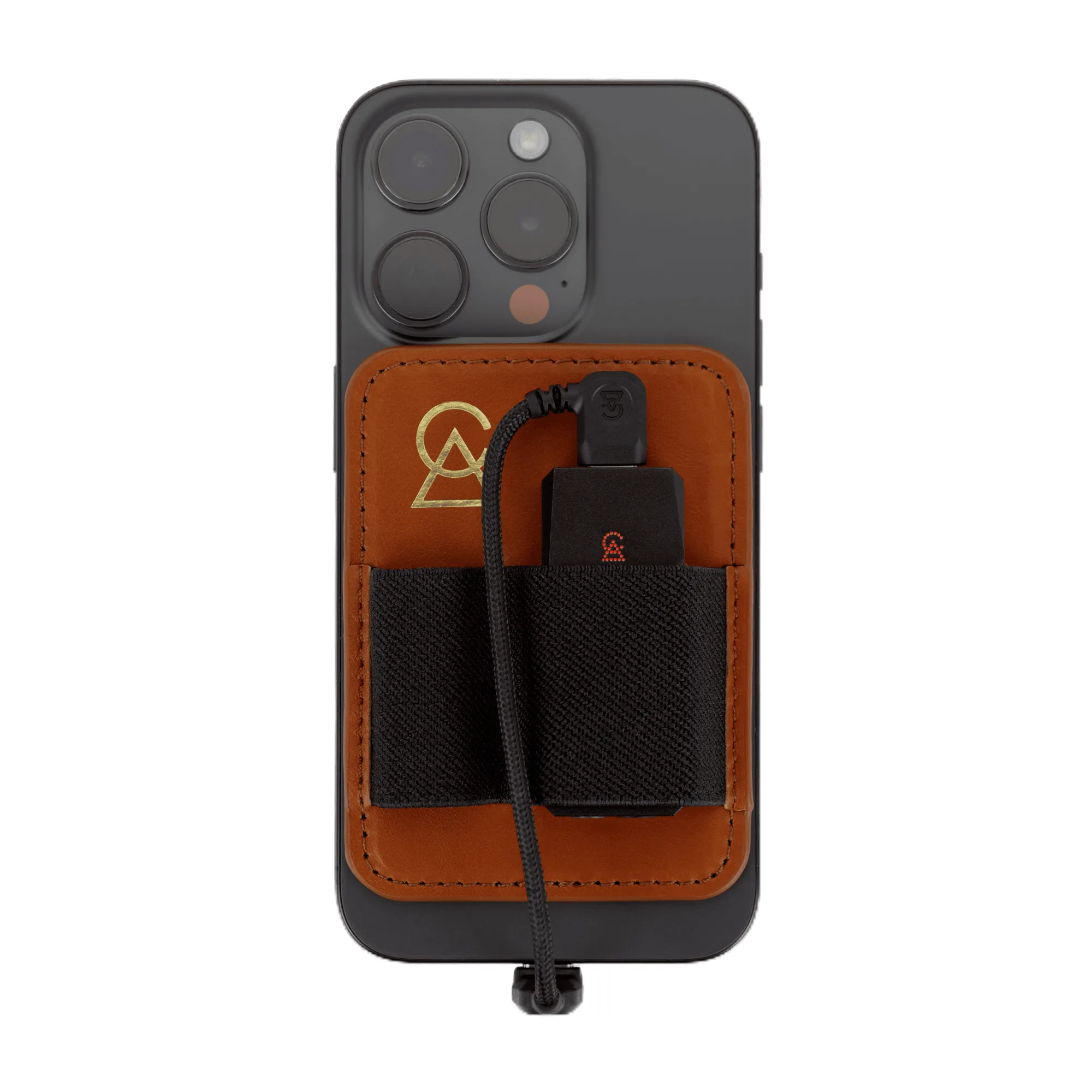
One overlooked factor is how the DAC attaches to your phone. The Portable DAC Mag Wallet solves that with a magnetic phone-wallet design, two elastic holder rings, and a custom dual-angle USB-C to C cable built to minimize profile and connection-point tension, plus an adhesive magnet ring adapter for devices without magnetic compatibility or incompatible dimensions. If you've had dongles flop around or strain their connector, this is the fix.
Check your phone's magnetic compatibility before assuming the wallet will attach cleanly, and confirm whether you need the included adapter ring. For iPhone users, remember the Pilot II includes a Lightning converter while the Relay's supplied connection options aren't specified in the catalog, so verify compatibility before buying if Lightning is your only port.
Trade-Offs at a Glance
- Dongle simplicity: A basic USB-C dongle is the smallest and cheapest way to bypass your phone's headphone output, but it typically leaves out gain modes, filters, and balanced output. Stay here if your IEMs already play loud and clean with no controls needed.
- Relay control set: The Relay adds gain modes, six filters, 60-step volume, media buttons, and both 3.5mm and 4.4mm outputs, at the cost of a larger body and higher price. Choose it if you want one device that adapts to different IEMs and recordings.
- Pilot II balance point: The Pilot II offers a 4.4mm balanced output, a boost toggle, and Lightning compatibility in a compact frame, but skips the Relay's filter and gain options. Pick it if portability and balanced output matter more than deep control.
- Mounting and strain relief: The Mag Wallet's magnetic attachment and dual-angle cable reduce connector strain, but you need to confirm your phone's magnetic compatibility or use the included adapter ring. Solve the physical connection first; a great DAC still fails if the plug keeps pulling loose.
Product Facts
- Relay DAC/AMP: Campfire's premium portable DAC/AMP uses an AKM SEQ 4493 DAC chip with two ultra-low-noise, high-output drivers, high/low gain modes, six selectable filter modes, media playback controls, 60-step volume, 3.5mm single-ended and 4.4mm balanced outputs, and DSD and PCM playback. This is the option that gives you adjustable gain and filters, so it suits listeners running a mix of sensitive and harder-to-drive IEMs who want one device to cover both.
- Pilot II - 4.4mm Portable DAC: The Pilot II uses an ESS Sabre 9281AC Pro DAC, works with standard USB-C or the included Lightning converter, and adds a 4.4mm balanced output plus a boost toggle for variable output. It's the compact route to balanced output and cross-platform use, which matters if you switch between USB-C and Lightning devices.
- Portable DAC Mag Wallet + Custom USB-C Cable: The Portable DAC Mag Wallet includes two elastic holder rings, a custom dual-angle USB-C to C cable designed to minimize profile and connection-point tension, and an adhesive magnet ring adapter for devices without magnetic compatibility or other incompatible dimensions. It addresses the physical weak point of phone DACs, keeping the connection stable and low-profile instead of letting the cable pull on the port.
Which Should You Buy?
Best for
- Listeners who run both sensitive and harder-to-drive IEMs and want gain and filter control in one unit (Relay DAC/AMP)
- Phone listeners who want balanced 4.4mm output and switch between USB-C and Lightning (Pilot II)
- Anyone whose dongle keeps shifting or straining the port and wants a stable magnetic mount (Portable DAC Mag Wallet)
Not for
- Listeners whose IEMs already reach comfortable volume from a basic dongle and who never use filters or gain
- Buyers who want the smallest possible footprint and don't need balanced output
- iPhone-only users who haven't confirmed the connection method on the DAC they're considering