Quick Answer
For deep, targeted pain relief in a clinical or home setting, a portable IFC machine like the IF-4000 offers quadrapolar coverage that TENS can't match. If you need a versatile device for both pain and muscle stimulation, the InTENSity Twin Stim III is a solid all-in-one choice.
How IFC and TENS Differ
Interferential current therapy (IFC) uses two medium-frequency currents that intersect in the tissue, creating a beat frequency that can penetrate deeper than the low-frequency pulses of a TENS unit. This makes IFC particularly effective for treating deep pain, while TENS is often used for more superficial pain relief.
Portable IFC machines are designed for professional use in physiotherapy, chiropractic, and sports medicine, but they can also be used at home with proper guidance. TENS units are more common for everyday pain management and are often simpler to operate.
Portability and Ease of Use
Both the IF-4000 and the InTENSity Twin Stim III are portable, but they serve different user groups. The IF-4000 is a dual-channel IFC unit that supports both 2-electrode bipolar and 4-electrode quadrapolar setups, giving clinicians flexibility in treatment. The InTENSity Twin Stim III is a dual-channel TENS and EMS combo, making it a versatile option for those who want both pain relief and muscle stimulation in one device.
If you are new to electrotherapy, a TENS/EMS combo might be easier to start with because it offers preset programs for common pain and muscle issues. An IFC machine often requires more knowledge to set up the electrode placement for optimal current crossing.
Trade-Offs to Consider
- Depth of Relief: Choose IFC if you need deep pain relief, especially for larger or deeper tissue areas. Choose TENS if you prefer a more superficial, targeted stimulation. IFC penetrates deeper than TENS, but TENS is often sufficient for surface-level pain.
- Versatility: Choose a TENS/EMS combo like the InTENSity Twin Stim III if you want both pain relief and muscle stimulation. Choose a dedicated IFC unit if your primary focus is deep pain management. A combo unit covers more use cases, but a dedicated IFC may offer more specialized treatment options.
- Ease of Use: TENS units are generally more user-friendly with preset programs. IFC machines may require more knowledge of electrode placement and current settings for best results. If you are new to electrotherapy, start with a TENS/EMS combo; if you have professional guidance, an IFC machine can be more effective.
Product Comparison
-
IF-4000 Interferential IFC Machine | Portable Physiotherapy Unit: The IF-4000 is a portable, dual-channel interferential current therapy unit that supports both 2-electrode bipolar and 4-electrode quadrapolar setups. This allows for deeper, more targeted treatment of larger or deeper pain areas, making it a professional-grade choice for clinics and serious home users.
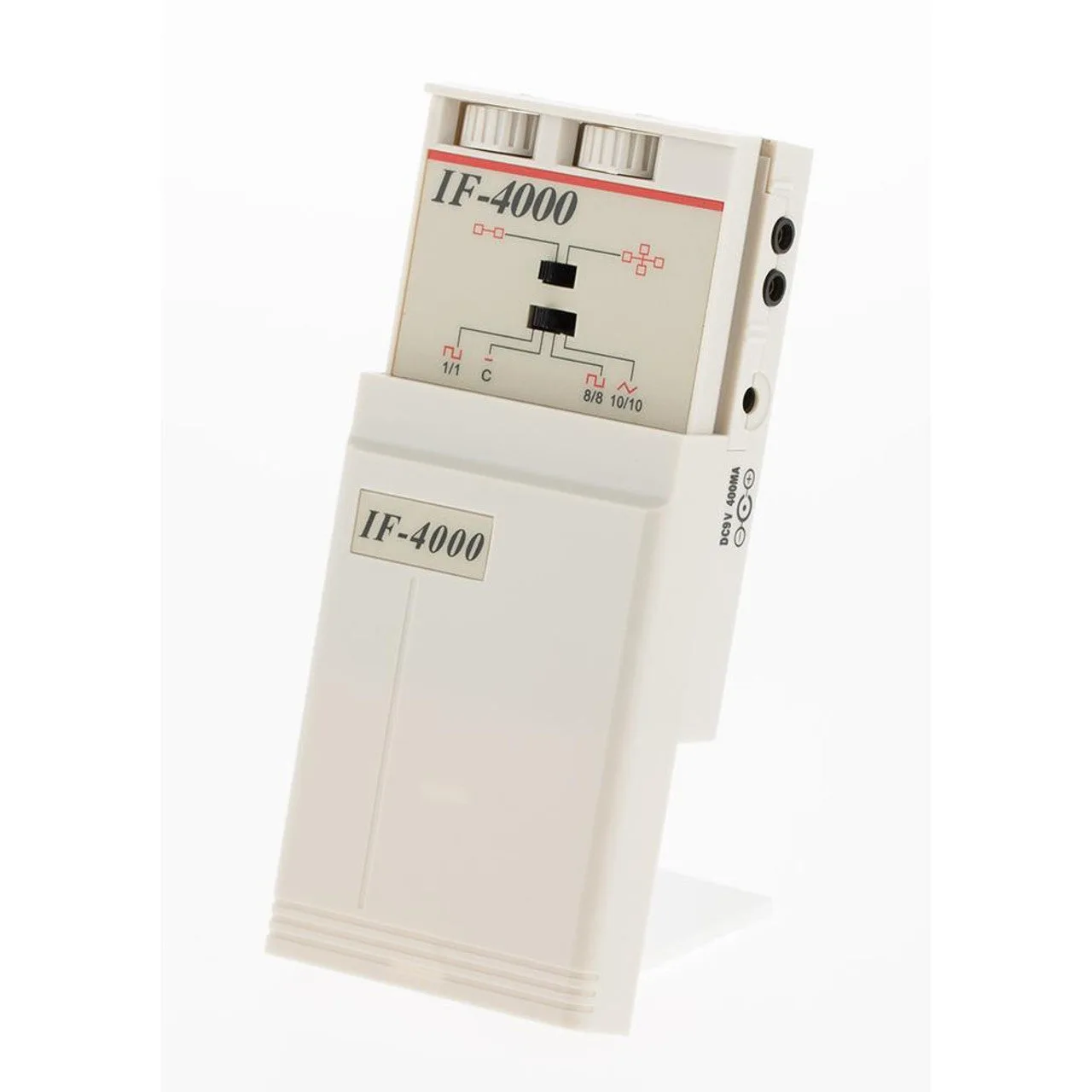
IF-4000 Interferential IFC Machine | Portable Physiotherapy Unit
-
InTENSity Twin Stim III TENS & EMS Combo Unit – DI3717: The InTENSity Twin Stim III is a portable, dual-channel device that combines TENS for pain management and EMS for muscle stimulation. This combo offers flexibility for both pain relief and muscle rehabilitation, ideal for those who want one device for multiple therapy needs.
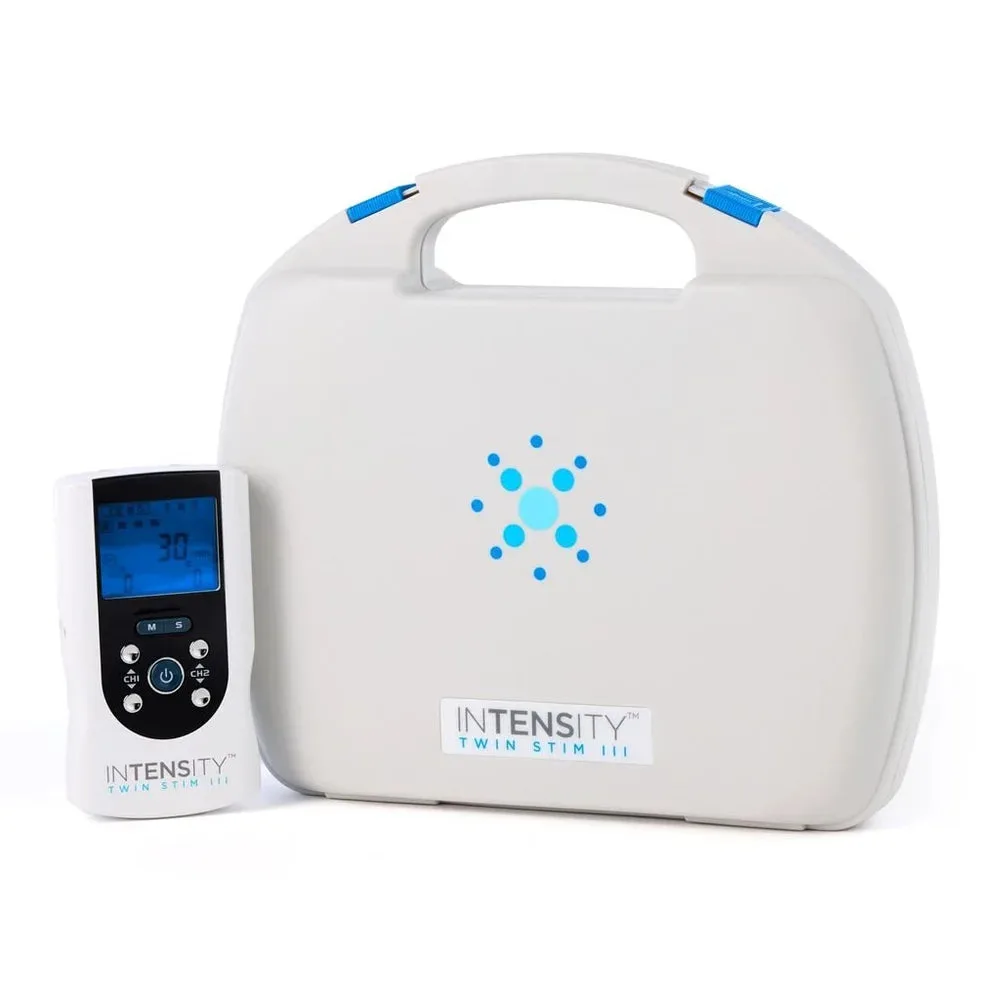
InTENSity Twin Stim III TENS & EMS Combo Unit – DI3717
Which One Should You Choose?
Best for
- Clinicians and physical therapists who need deep, targeted pain relief for patients
- Athletic trainers and sports medicine professionals who require a portable IFC unit for on-the-go treatments
Not for
- Beginners who want a simple, all-in-one device for both pain and muscle stimulation—consider a TENS/EMS combo instead
- Those who only need occasional, superficial pain relief and prefer a more affordable, easy-to-use option