Why Pose Your Medieval Figurines?
A static figurine on a shelf tells only half the story. By giving your Papo knight and horse a purposeful pose, you bring the medieval fantasy world to life. Whether you're setting up a battle scene or practicing toy photography, the way you position these pieces changes the entire mood.
What the Figurines Bring to the Scene
-
Figurine Cheval du chevalier licorne à la lance: Plongez dans le Monde Médiéval-Fantastique de Papo avec le cheval du chevalier licorne à la lance. Il ravira petits et grands par son réalisme et son haut niveau de détails. The horse is already sculpted with realistic detail and a dynamic pose, so you only need to decide the direction of the charge and the angle of the rider's lance.
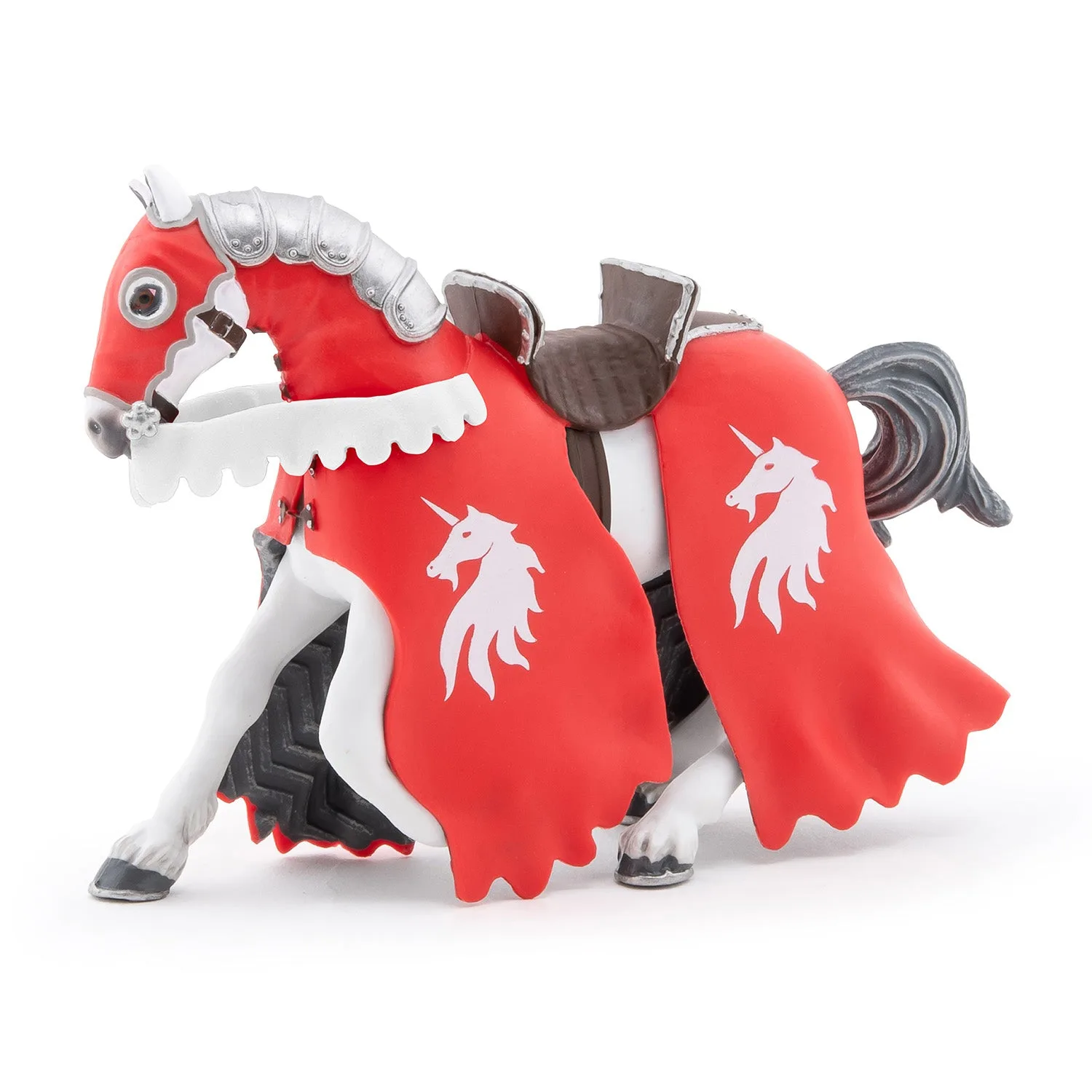
Figurine Cheval du chevalier licorne à la lance
-
Figurine Chevalier en armure noire: Tout de noir vêtu, le chevalier en armure noire et son cheval s'élancent à l'assaut du château de leurs ennemis. The knight in black armor is described as charging, which suggests a forward-leaning, aggressive stance. This guides how you position him on the horse.
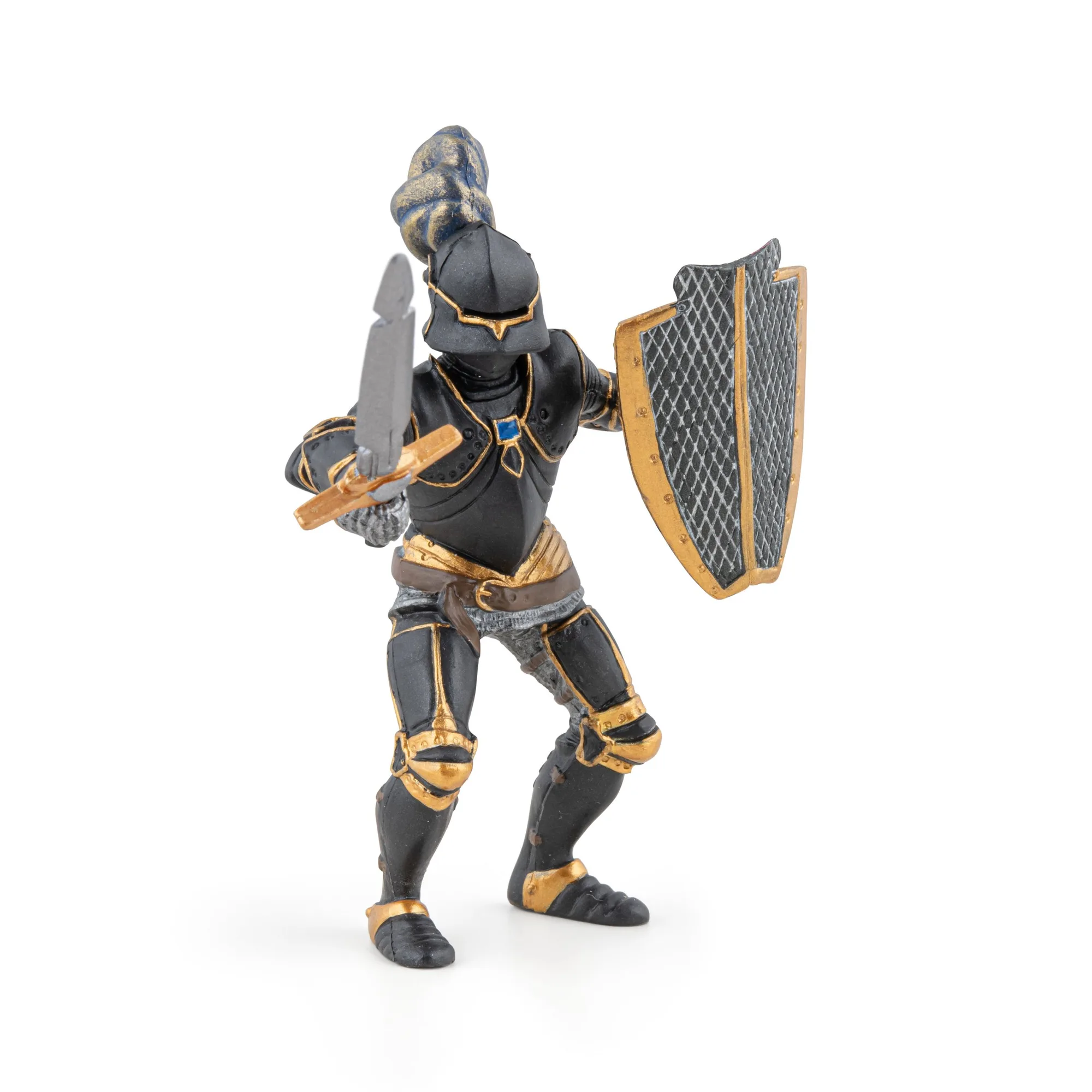
Figurine Chevalier en armure noire
Step-by-Step Posing Guide
Follow these simple steps to create a convincing charge pose with your Papo knight and horse.
- Position the horse for movement: Place the horse with its front legs raised or extended forward to suggest a gallop. Angle its head slightly toward the target to show intent.
- Mount the knight securely: Fit the knight onto the horse's saddle. Ensure his legs rest naturally against the horse's flanks. If the connection feels loose, check that the rider is fully seated.
- Angle the lance for action: Hold the lance so it points forward and slightly upward, as if the knight is lowering it at the start of a charge. A lowered lance adds tension and direction.
- Adjust the knight's posture: Lean the knight's torso forward over the horse's neck. This mimics the real posture of a charging knight and makes the scene feel more dynamic.
- Check the overall silhouette: Step back and look at the figure from all angles. The line from lance tip through the knight's body to the horse's tail should form a clear directional arrow.
Tips for Toy Photography
When photographing your posed knight, use a low camera angle to emphasize the height and power of the horse. Natural daylight from the side will highlight the detailed armor and horse muscles. A simple backdrop of a castle wall or a dark forest scene completes the medieval atmosphere without distracting from the figurine.
What the Product Records Don't Tell You
The supplied information does not include specific articulation points or recommended poses. These figurines are designed as static display pieces with a fixed sculpt, so you cannot bend limbs or reposition the horse's legs. The posing advice above is based on the natural sculpt of the pieces and the narrative description of a charging knight. For the most dynamic display, choose the angle of the horse and the placement of the lance, but accept that the figurines themselves are not articulated.