Quick answer
Choose a soft, wire-free bra with a wide, low-compression band and fully adjustable straps for the first weeks after surgery, then move to a pocketed mastectomy bra once your surgeon clears you. Fit matters more than style: the band should sit flat without digging, the cups should not press on incisions, and nothing should shift when you reach or breathe deeply. Buy two or three pieces so you always have a clean, dry option while you heal.
Start with the recovery window, not the bra
Your surgeon's instructions come first. Most people are told to wear a soft, front-closure or step-in bra for the first one to two weeks, then a supportive wireless bra for several more. Ask specifically: how long until I can wear an underwire, can I wear a bra to sleep, and do I need to avoid pressure on the incision line. Write the answers down, because the bra that feels fine in the dressing room can feel very different on day three.
- Weeks 1-2: soft, wire-free, front-closure or step-in, minimal seams.
- Weeks 3-6: supportive wireless bra with adjustable straps and a wide band.
- After clearance: pocketed mastectomy bras, underwire only if your surgeon agrees.
Post surgery bra fit: the four checks that matter
Post surgery bra fit is less about cup size and more about pressure distribution. A bra that rides up, twists, or leaves red marks is telling you the band is too loose and the straps are doing work they should not. Try the bra on with the straps loosened first, fasten the band on the loosest hook, and only then tighten the straps. If you are between sizes, size up in the band and adjust the straps rather than squeezing into a smaller band.
- Band: sits level front and back, no riding up, no digging under the arm.
- Cups: smooth against the chest, no gaping and no compression on the incision.
- Straps: wide and adjustable, no shoulder grooves or numbness in the arm.
- Seams: flat or placed away from the incision line and any drain sites.
Pocketed mastectomy bras: what the pocket actually does
A pocketed mastectomy bra has an inner layer of fabric that holds a breast form or shaper in place. The pocket keeps the form from sliding when you bend, reach, or drive, and it lets you swap forms without changing bras. Look for a pocket that opens toward the side or top so you can insert the form without twisting it, and check that the pocket seam does not sit directly on a sensitive area. If you are not using a form yet, a pocketed bra still works as an everyday bra, so it is not a wasted purchase.
Post surgical underwear: the piece people forget
Post surgical underwear matters if you had lymph nodes removed, a DIEP or other flap procedure, or abdominal surgery at the same time. High-waisted, soft-waistband styles avoid pressure on incisions and drains, and a thong or low-rise cut can rub exactly where you do not want friction. For recovery, choose a high-waisted brief or a soft stretch lace thong with a wide, flat waistband, and keep the fabric breathable. If a waistband leaves a deep mark after 20 minutes, it is too tight for recovery, even if it looks fine standing still.
Recovery bra comfort: fabric, closures and what to avoid
Recovery bra comfort comes down to three things: soft fabric, low compression, and hardware you can manage one-handed. Front-closure hooks or a step-in pull-on style are easier in the first days when reaching behind you is hard. Cotton-lined or silk-blend cups feel cooler against tender skin, while heavy elastic and rigid foam cups can feel abrasive. Avoid anything with an underwire, a tight elastic band, or a molded cup that presses on the chest until your surgeon clears you.
How many bras to buy and when to replace them
Buy two or three recovery bras before surgery so you are not shopping while sore. Rotate them so each bra rests a full day between wears, which helps the elastic recover and keeps the band supportive. Expect to replace recovery bras every three to six months if you wear them daily, sooner if the band stretches or the fabric pills. Once you are healed and cleared, you can move into pocketed mastectomy bras and lace styles for everyday wear.
Decision rules for choosing your recovery setup
- If you are in the first two weeks after surgery: Choose a soft, wire-free, front-closure or step-in bra with a wide band and no seams over the incision. Skip anything with an underwire, molded cup, or tight elastic. Comfort and easy on-off matter more than shape right now.
- If you use a breast form or shaper: Choose a pocketed mastectomy bra with a pocket opening at the side or top, and check that the pocket seam does not sit on a tender area. A pocketed bra keeps the form stable and lets you swap forms without changing bras.
- If you had lymph nodes removed or a flap procedure: Choose high-waisted, soft-waistband underwear and a bra with wide, padded straps that do not press on the shoulder or underarm. Avoid narrow straps and tight bands that can dig into sensitive tissue.
- If you are between sizes: Size up in the band and tighten the adjustable straps, or convert carefully if the maker sizes in UK sizing and the store lists Euro sizing. A band that rides up is too loose; a band that leaves deep marks is too tight.
- If you are healed and cleared for underwire: Move into an underwire or lace bra for everyday wear, and keep one wireless pocketed bra for long days or travel. Keep the recovery bra on hand even after you return to your usual styles.
Pieces that work for recovery and after
- Never Say Never Comfie Cutie Thong: Cosabella Never Say Never Comfie Cutie Thong is an ultra-soft low-rise stretch lace thong with a high-waisted band, seamless lie-flat construction at the gusset, and it is made in Italy. The wide, soft band and flat gusset reduce friction on sensitive skin, making it a practical post surgical underwear option once you are past the first days and want no visible panty lines.
- Never Say Never Tie Me Up Triangle Bralette: Cosabella Never Say Never Tie Me Up Triangle Bralette is a wireless triangle bralette with lace cups, thin adjustable straps, and a silk self-tie in the back. Wireless lace cups avoid underwire pressure, and the adjustable straps let you fine-tune post surgery bra fit, though the back tie may be hard to manage in the first week if reaching behind you is limited.
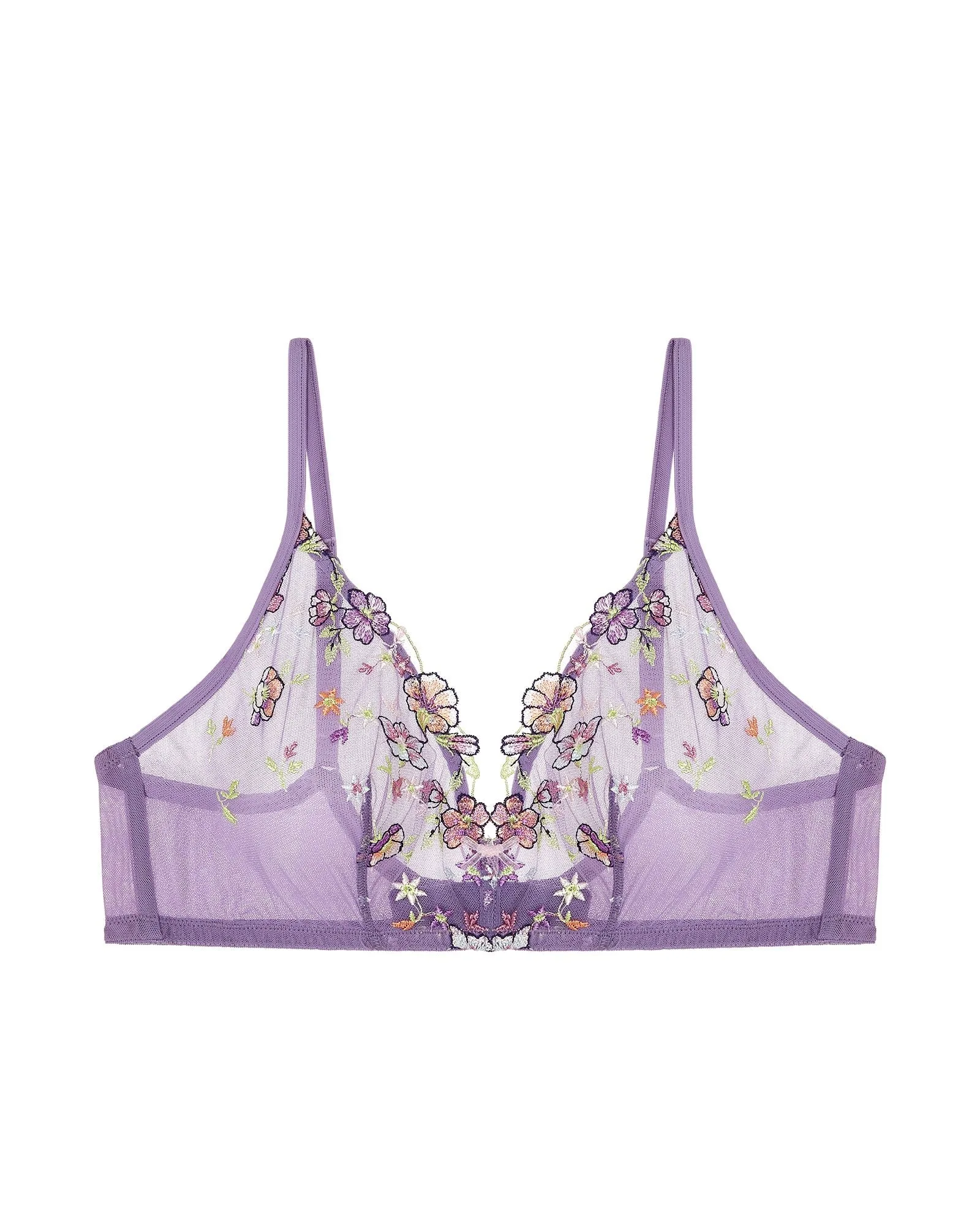
- Julie's Roses Underwire Bra: Julie's Roses Underwire Bra has rose embroidered-mesh cups, a satin band and center bow, back cutouts, adjustable straps, and a hook-and-eye closure. Journelle presents all bra sizes in Euro sizing, and the maker originally sizes in UK sizing. This is a good milestone bra once your surgeon clears underwire, and the UK-to-Euro sizing note means you should convert your size carefully rather than assuming your usual number is correct.
- Jasmine Lace Flutter Cami: Jasmine Lace Flutter Cami is a cropped, easy-fit cami with adjustable spaghetti straps and front button detailing, made of 100% polyamide with a 92% silk and 8% elastane combo, and it should be hand washed cold and laid flat to dry. A soft cami with adjustable straps can layer over a recovery bra or replace it on low-support days, and the hand-wash instruction protects the delicate silk blend from stretching.
Who this approach is for
Best for
- Anyone preparing for or recovering from breast surgery who needs a soft, wire-free bra
- People who use a breast form or shaper and want a pocketed mastectomy bra
- Anyone who had lymph nodes removed or a flap procedure and needs low-pressure underwear and straps
Not for
- Anyone whose surgeon has not yet cleared them for underwire or compression
- People looking for a push-up or molded-cup style in the first weeks after surgery
- Shoppers who want a single bra to cover both early recovery and everyday wear