Why post-workout supplement claims deserve a closer look
Creatine and electrolyte products are often marketed with confident timing rules and recovery promises. The problem is that a product label tells you what is in the container, not how your body will respond. This article checks several common post-workout creatine myths against the supplied information for one specific product, Post-Workout by Trace Minerals, and flags where the evidence is silent.
The goal is not to dismiss supplements. It is to separate what the label confirms from what the marketing implies, so you can make a purchase decision based on facts rather than folklore.
Myth 1: You must take creatine within minutes of training
The 'anabolic window' is one of the most repeated post-workout creatine myths. The supplied information for Post-Workout does not include any timing instructions or claims about a narrow absorption window. That absence is a decision limitation: it means the label does not confirm a minute-by-minute rule, not that timing is irrelevant.
- What the evidence supports: Post-Workout is described as an all-in-one workout recovery supplement formulated to promote muscle repair and recovery after intense training and to help with post-workout fatigue. No specific timing window is supplied.
- Practical takeaway: Treat timing as a personal routine choice rather than a label requirement. If you prefer to take it after training, that fits the product's stated purpose, but do not assume a stopwatch is necessary based on the available evidence.
What Post-Workout actually contains
-
Post-Workout: Post-Workout is an all-in-one workout recovery supplement. This positions it as a combined recovery product rather than a single-ingredient creatine or electrolyte powder.
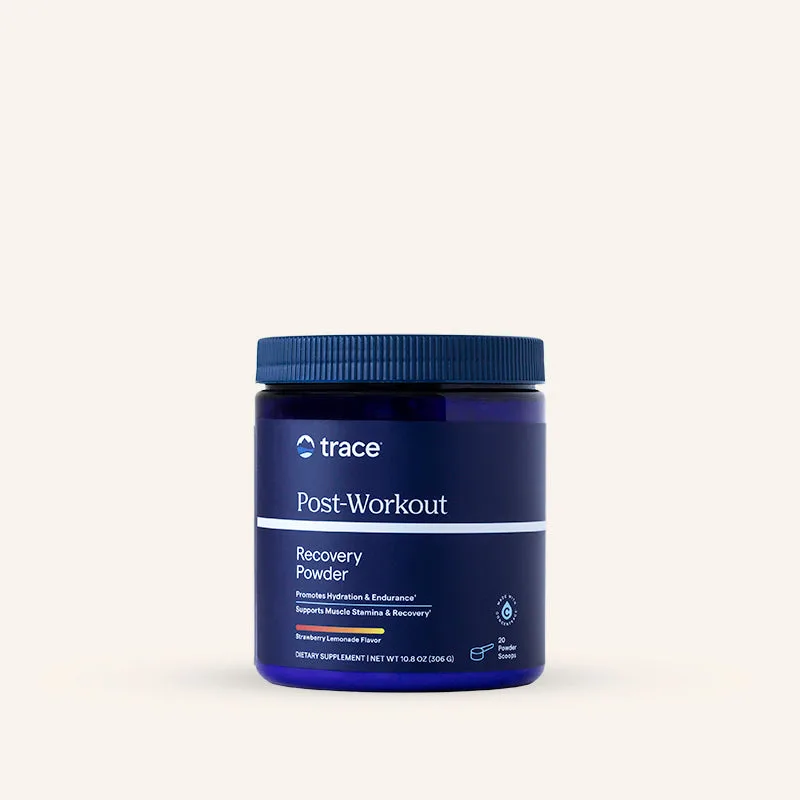
Post-Workout
-
Post-Workout: It contains no artificial colors, flavors, or sweeteners and is non-GMO and sugar-free. These are label-level facts you can verify, unlike broad recovery claims that depend on individual response.
Myth 2: More creatine always means better recovery
The supplied record does not include a creatine dosage, serving size, or ingredient list beyond the claims above. Without that information, any statement about how much creatine Post-Workout delivers would be a guess. The label does not confirm a specific creatine amount, so you cannot compare it to a standalone creatine product on that basis using the available evidence.
- What you can verify: The product is described as formulated to promote muscle repair and recovery, and to support hydration, circulation, endurance, and strength. These are stated product claims, not independent test results.
- What remains uncertain: The exact creatine content, serving size, and full ingredient list are not confirmed by the supplied information. If those details matter to you, check the physical label before buying.
Myth 3: Electrolytes after a workout are always necessary
Electrolyte replenishment after exercise depends on how much you sweat, how long you train, and your environment. The supplied information for Post-Workout mentions support for hydration and circulation, but it does not specify electrolyte amounts or claim to replace a dedicated electrolyte product. That is a meaningful distinction: hydration support is not the same as a quantified electrolyte dose.
- When a combined product may fit: If you want one powder that addresses recovery and hydration support together, Post-Workout is positioned that way. It is sugar-free, which may matter if you are watching sugar intake.
- When a separate electrolyte product may fit better: If you need a known electrolyte dose for heavy sweating or long endurance sessions, the supplied record does not confirm that Post-Workout provides one. A dedicated electrolyte supplement with a clear label may be a more transparent choice for that specific need.
Myth 4: 'Sugar-free' means it has no calories or sweeteners
Sugar-free is a specific label claim, not a synonym for calorie-free or unflavored. The supplied information confirms Post-Workout is sugar-free and contains no artificial sweeteners. It does not confirm calorie content, which sweeteners are used, or whether the product is suitable for every dietary pattern. Those are label-reading questions, not assumptions to make from the front of the tub.
Myth 5: A recovery supplement replaces the fundamentals
No supplement record supplied here claims to replace sleep, overall nutrition, or proper hydration. Post-Workout is described as supporting recovery, hydration, circulation, endurance, and strength, but those are product positioning statements. The label does not confirm that it compensates for poor recovery habits.
- Use it as an addition, not a substitute: Treat Post-Workout as one part of a recovery routine. The supplied information does not support using it instead of food, fluids, or rest.
- Check the label for preparation and storage: The supplied record does not include preparation or storage instructions. Follow the physical package directions rather than guessing mixing ratios or shelf life.
How to evaluate Post-Workout for your own routine
Start with what the label confirms: it is an all-in-one recovery supplement, sugar-free, non-GMO, and free of artificial colors, flavors, and sweeteners. It is positioned for muscle repair, recovery, hydration, circulation, endurance, and strength. Then note what the supplied information does not confirm: creatine dosage, electrolyte amounts, serving size, full ingredient list, allergen status, and preparation instructions.
If those missing details are important to you, the responsible next step is to read the physical label or contact the manufacturer. A myth-busting approach is not about rejecting the product; it is about matching your expectations to the evidence you actually have.