Quick answer
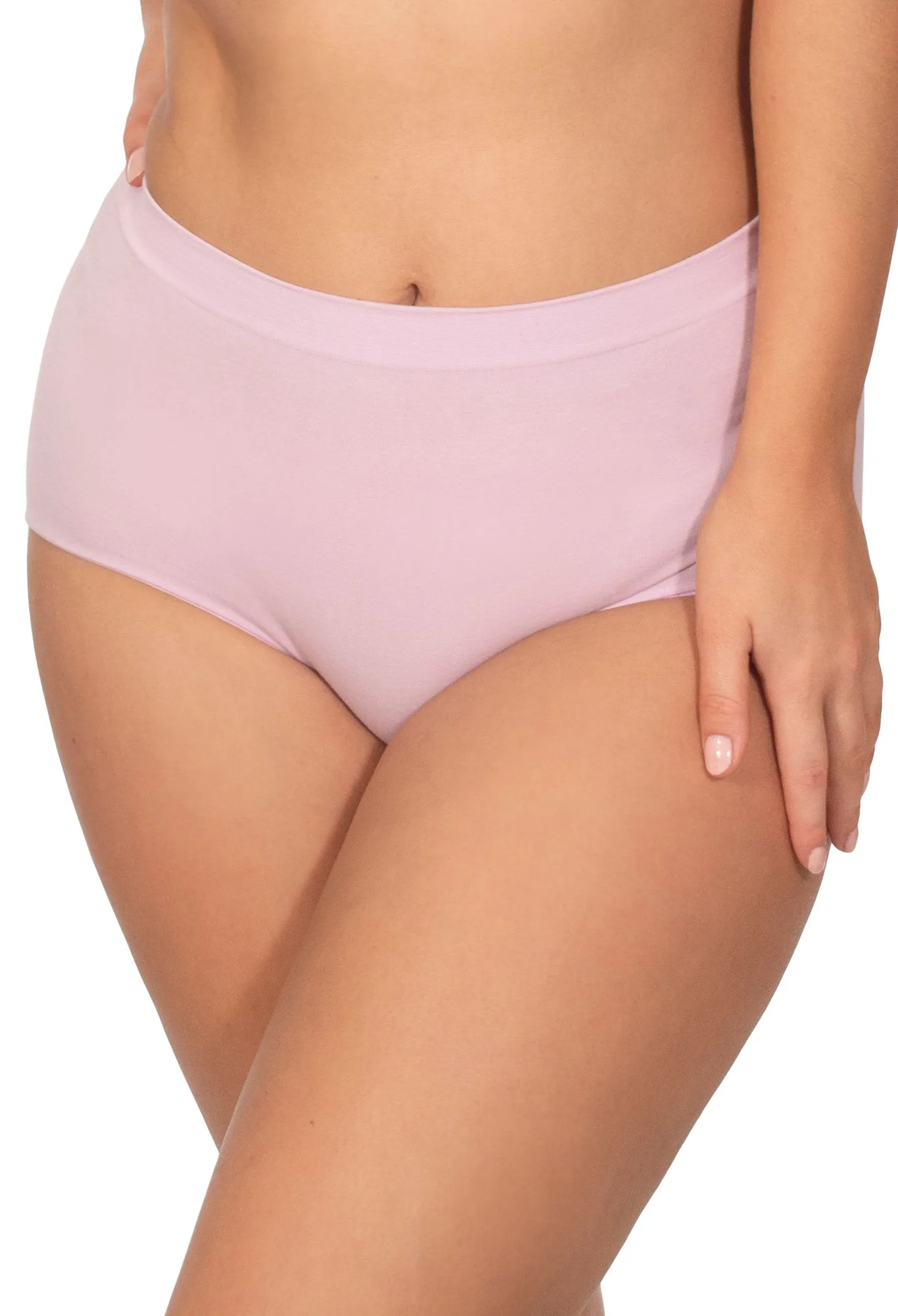
Postpartum underwear is designed with a higher waist, softer stretch, and fuller coverage than regular briefs, so it holds pads securely and avoids pressure on a healing belly or incision. Regular underwear can work if it sits well below your incision and still fits comfortably, but most people find the high-waist, stretchy cut of postpartum underwear more forgiving in the first weeks. If you want one do-it-all option, start with a high-waisted full brief and size up if you're between sizes.
How the cut and waist height differ
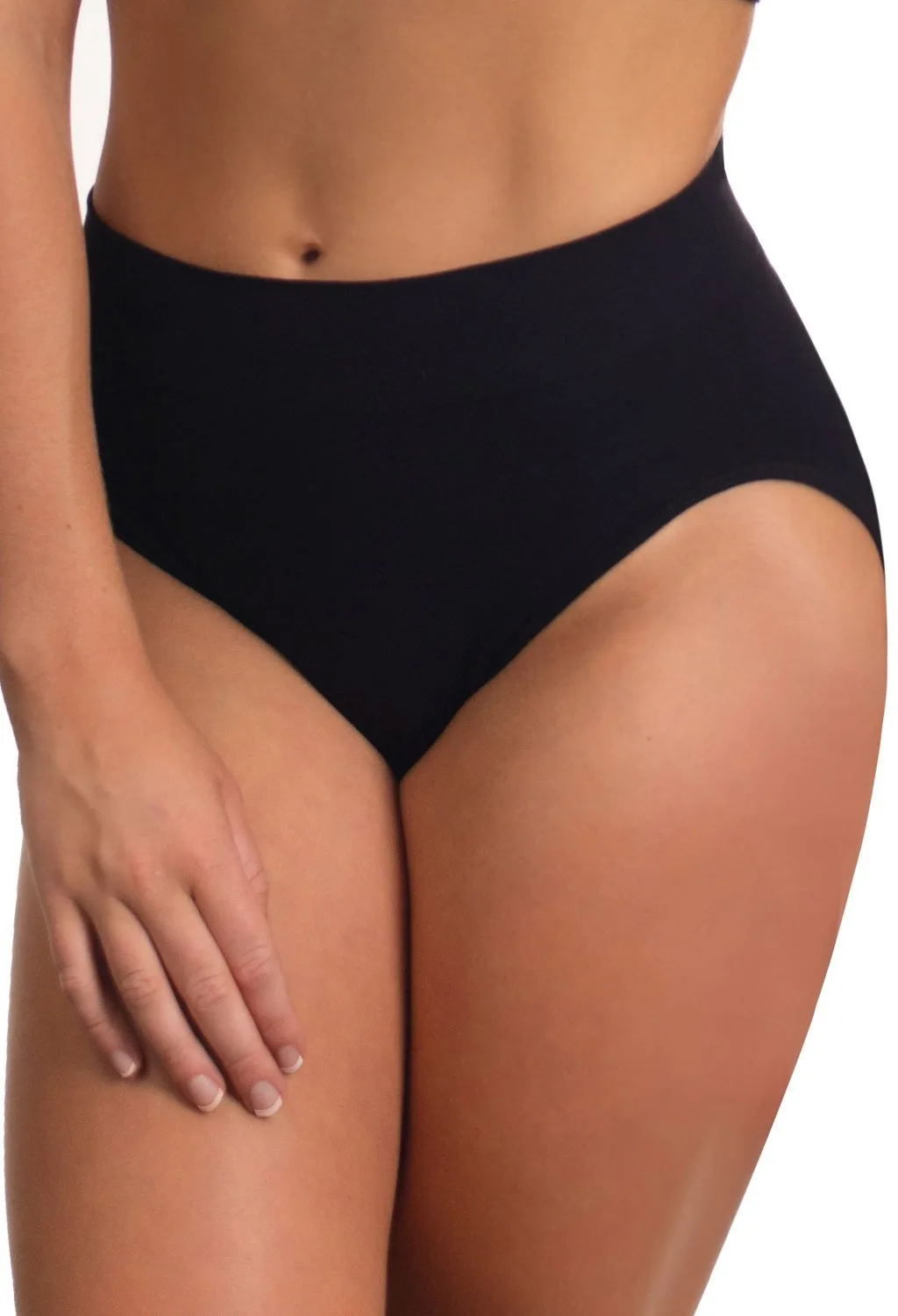
Regular underwear is usually cut to sit at or below the natural waist, with a narrower gusset and less stretch through the front panel. Postpartum underwear typically rises higher, often to the belly button or above, and uses a thin, wide waistband that spreads pressure instead of digging in. That higher rise matters because it keeps pads in place after birth and avoids rubbing a tender area. It also gives you a smooth line under clothes without needing to adjust constantly.
Fabric stretch and pad support
The biggest practical difference is how the fabric behaves. Postpartum briefs are built with generous stretch so they move with a changing belly rather than cutting into it. Regular cotton briefs may have less give, which can feel restrictive when you're sitting, feeding, or sleeping in them. If you're planning to use overnight pads, look for a full-coverage brief with a wide gusset; a skimpy regular pair may not hold a long pad flat, which increases the chance of leaks.
C-section considerations
If you're recovering from a C-section, the waistband position is the deciding factor. You want a band that sits above the incision, not across it. A high-waisted brief with a thin waistband is usually the safer choice because it avoids direct friction on the scar. Regular underwear can be c-section friendly if it sits low enough below the incision, but many people find that low-rise pairs slide or press in the wrong spot when they bend or sit. Try one high-waist pair first before buying a full set.
Sizing and fit after birth
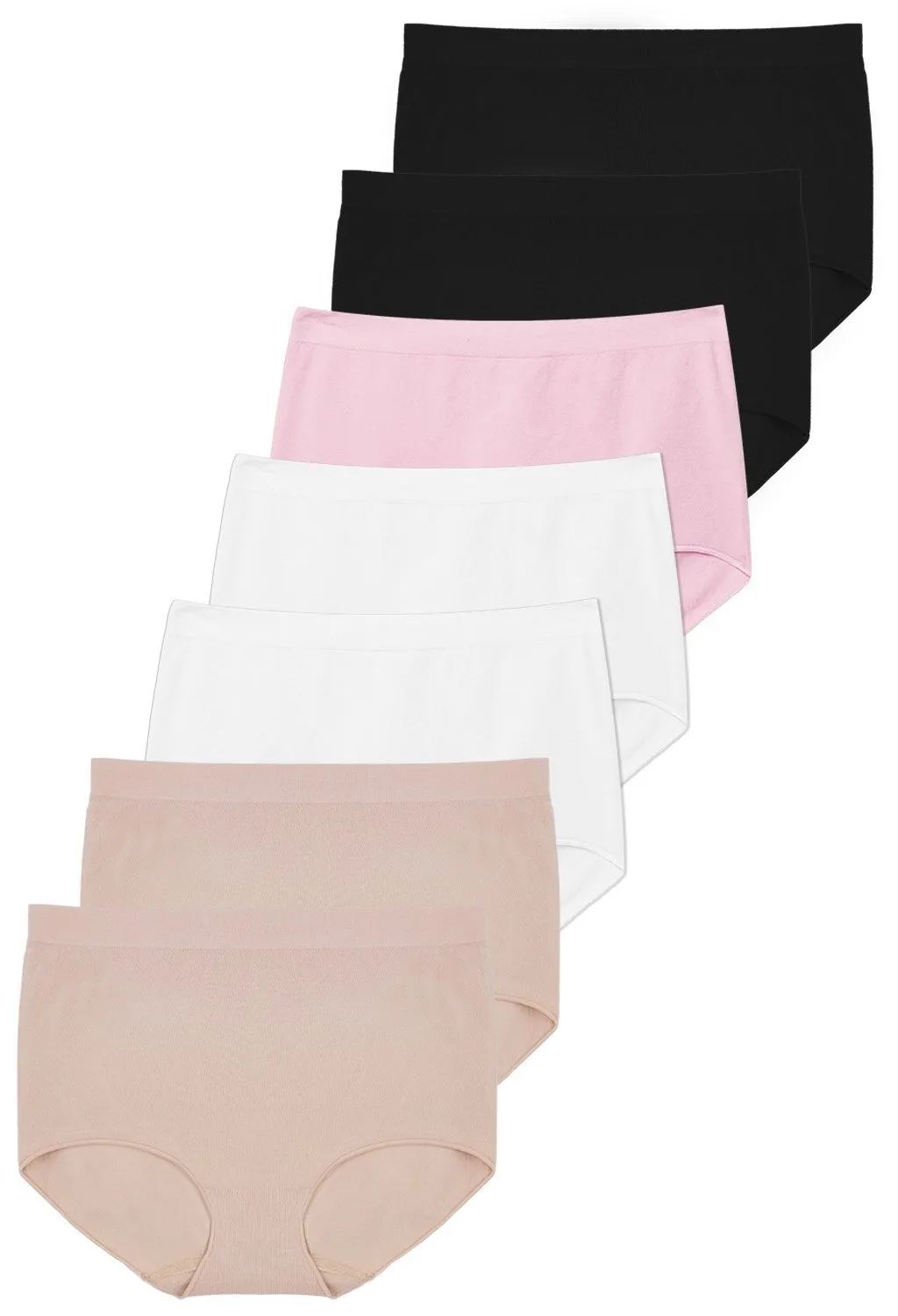
Your pre-pregnancy underwear size is not a reliable guide in the first weeks. Belly size, swelling, and pad bulk all change the fit. A practical approach is to choose your current size based on how your body feels now, not the size you wore before. If you're between sizes, size up for the first two weeks and keep a smaller size for later. Postpartum recovery underwear fit should feel snug but not tight, with no red marks and no need to tug it up constantly. The Post-Maternity Comfort Brief comes in Size and Colour options, so you can adjust as your shape changes.
When regular underwear still works
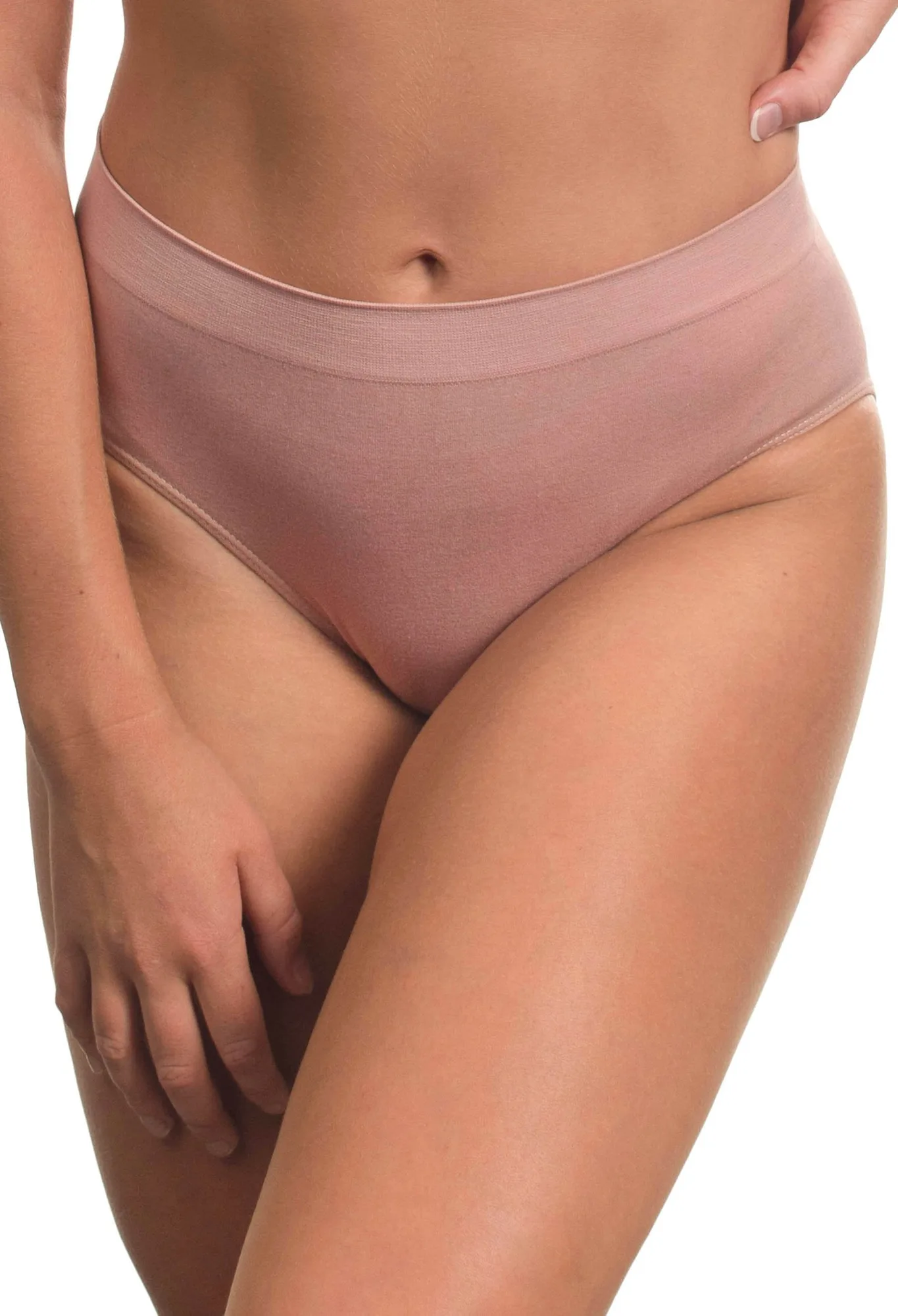
Regular underwear can be fine if it meets three conditions: it sits comfortably away from any incision, it holds your pad without bunching, and it doesn't roll down when you move. Many people wear their regular briefs during lighter-flow days later in recovery, then switch back to postpartum pairs for overnight or outings. The trade-off is that regular briefs usually have less stretch and a lower rise, so they may not stay put as reliably. If you want a middle ground, look for a high-waisted regular brief with a soft waistband.
Trade-offs to weigh
- Coverage vs bulk: Full-coverage postpartum briefs hold pads securely and smooth your shape, but they can feel like more fabric than a regular brief, especially in warm weather. Choose full coverage for the first weeks; switch to lighter regular briefs once flow decreases.
- High waist vs low rise: A high waist stays above a C-section incision and avoids pressure, but it may show under low-rise jeans or cropped tops. If you want to wear low-rise bottoms, keep one low-rise pair that sits below the incision for those days.
- Stretch vs structure: Stretchy postpartum underwear adapts to a changing belly, but it offers less firm shaping than power mesh control shorts. Use stretchy briefs for recovery; add shaping shorts later when you want a smoother silhouette.
Product facts
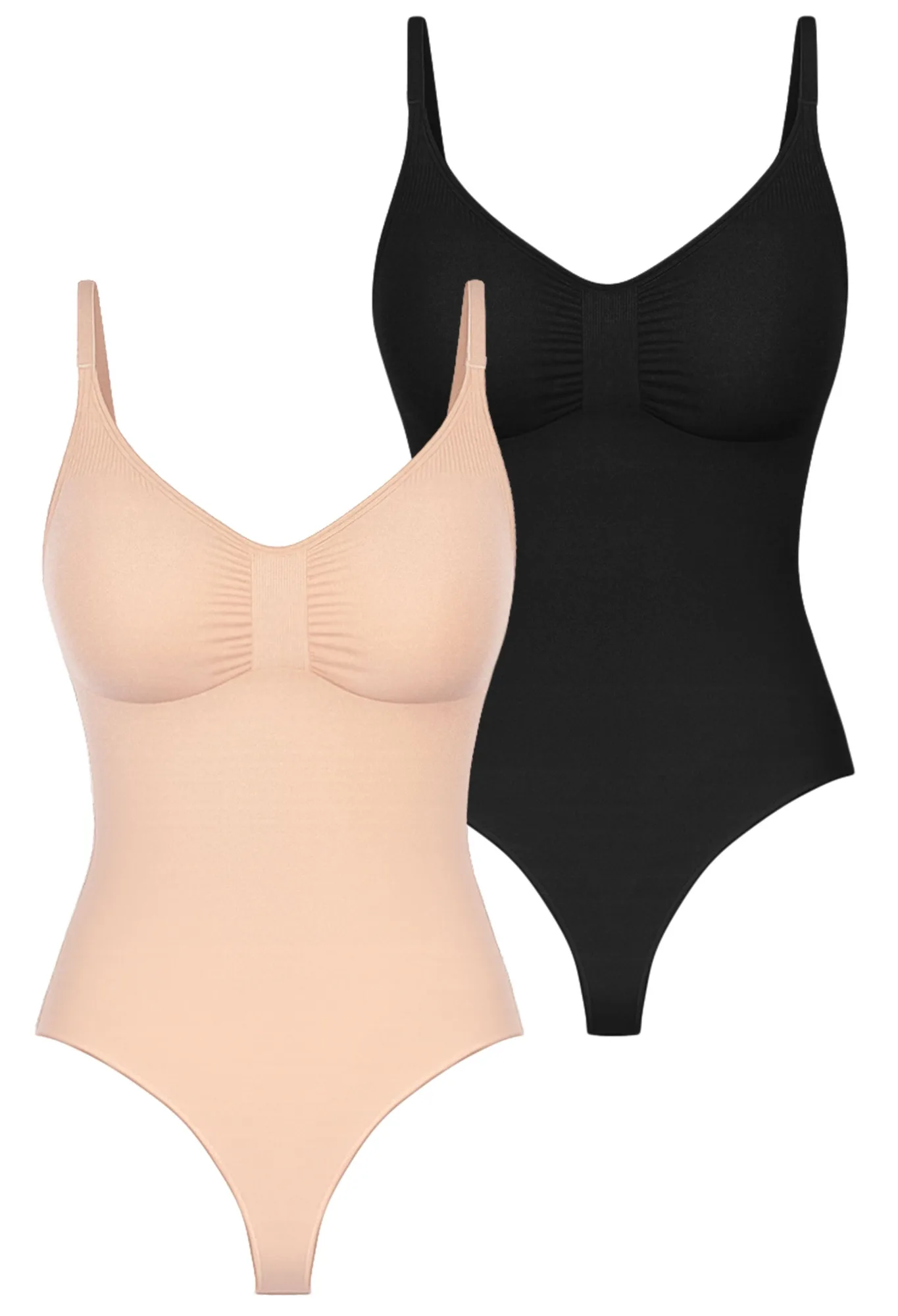
- Post-Maternity Comfort Brief: Super Stretchy Lightweight Full Coverage Brief with Generous High Waist and Thin Waistband. The high waist and thin band sit above a C-section incision without digging in, while the full coverage holds pads flat.
- High Waist Power Mesh Tummy Control Shorts - 2 Pack: High Waist Power Mesh Tummy Control Shorts with powerful layered shaping zones that target key areas to significantly flatten your tummy and cinch your waist. If you want more shaping than a standard brief, these shorts add firm control, but they are not a substitute for pad-friendly postpartum underwear in the first days.
- Anti Chafing High Rise Long Cotton Rich Shorts - 3 Pack: Anti Chafing High Rise Long Cotton Rich Shorts that provide full coverage, minimise thigh rub, and are lightweight and breathable. These work well as a comfort layer under dresses or for thigh rub, but they are not designed to hold a postpartum pad on their own.
Who should choose which
Best for
- Anyone in the first two weeks after birth who needs pad support and a high, non-binding waist
- C-section recovery where the waistband must sit above the incision
- Overnight wear when a long pad needs to stay flat and secure
Not for
- People who want a low-rise cut that sits below the belly and are comfortable using regular briefs with pads
- Those looking for firm shaping rather than soft recovery support