The M1 helmet is one of the most iconic pieces of American military gear, but not every M1 you see is a pure World War II example. Many helmets on the market have been assembled from parts manufactured after the war, which can significantly affect their collectibility and value. Understanding what to look for is essential whether you're a seasoned collector or just starting out.
In this guide, we'll break down the key components of the M1 helmet—shell, liner, chinstrap, and bails—and explain how postwar parts differ from WWII originals. We'll also discuss how these variations impact value and authenticity, so you can make informed purchases.
Why Postwar Parts Matter for M1 Helmet Value
Collectors prize M1 helmets that are all-original and date to the WWII period. When a helmet contains postwar parts—such as a 1960s liner or a later-production chinstrap—its value drops, sometimes by 50% or more compared to a correct, period-ensemble. However, not all postwar parts are equal: some are acceptable for certain impressions or as placeholders until you find the right component.
The key is knowing what you're buying. A helmet marketed as "WWII M1" might have a wartime shell but a postwar liner and chinstrap. If you're a reenactor focused on the late-war period, a mix of late-WWII and early-Korean War parts might be acceptable. But for a strict collector, any postwar part reduces authenticity and value.
- Always ask for detailed photos of the liner webbing, chinstrap stitching, and shell markings before purchasing.
Identifying Postwar M1 Helmet Shells
The steel shell is the foundation of the helmet. WWII shells typically have a rough, dark olive drab finish with visible brush marks and often show a heat stamp (e.g., "MSA" or "S") inside. Postwar shells may have a smoother, more uniform finish, and heat stamps changed over time. For example, shells made after 1955 often have a "P" prefix or later manufacturer codes.
Another tell is the rim: WWII rims are seamless and made of stainless steel, while many postwar rims are welded or have a visible seam. Also, check the bails (the loops that hold the chinstrap). Early bails are fixed and welded, while later helmets have swivel bails introduced in 1944. However, swivel bails continued into the 1960s, so a swivel bail alone doesn't guarantee a WWII shell.
- Use a magnet to check the rim: stainless steel is non-magnetic; later rims may be magnetic.
Spotting Postwar M1 Helmet Liners
The liner is often the easiest way to date an M1 helmet. WWII liners are made of compressed paper or fiber, have a khaki cotton webbing suspension, and an A-yoke or partial A-yoke design. Postwar liners (1950s–1970s) are usually made of plastic or fiberglass, with a green or tan nylon webbing, and often feature a one-piece suspension system.
Look at the nape strap: WWII liners have a leather or webbing nape strap with a buckle, while postwar liners may have a plastic or metal buckle. The sweatband is another clue: WWII sweatbands are leather, while postwar versions are often vinyl or synthetic. If you see a liner with a green plastic shell and a one-piece suspension, it's almost certainly postwar.
- Check the liner's crown pad: WWII pads are cotton and often marked with a manufacturer; postwar pads are synthetic and unmarked.
Chinstraps and Hardware: Small Details, Big Impact
Chinstraps are frequently swapped or replaced. WWII chinstraps are olive drab cotton webbing with a brass or steel buckle and a leather or web keeper. Postwar chinstraps may be made of nylon, have a plastic buckle, or use a quick-release buckle introduced in the 1960s. The stitching is also different: WWII straps have straight, even stitching, while postwar versions often have zigzag or machine stitching.
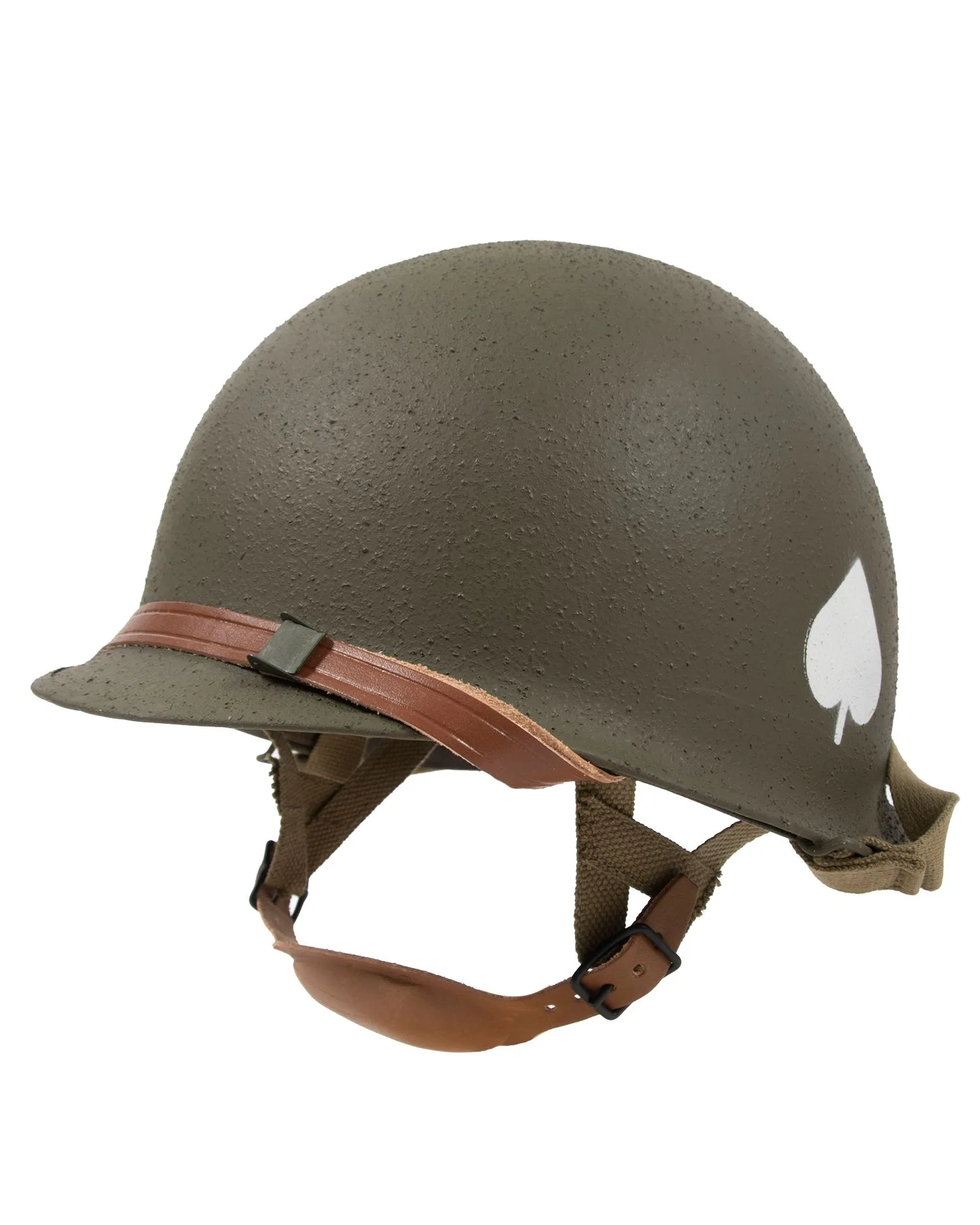
For a complete WWII impression, you'll want a correct chinstrap. If you're building a helmet for reenactment, a https://wildernessworks.shop/products/reproduction-wwii-m1-helmet-99250Reproduction WWII M1 Helmet from atthefront offers a solid base with accurate parts. You can then upgrade components like the chinstrap or liner to match your specific impression.
- Avoid helmets with mismatched chinstrap colors—this often indicates a postwar replacement.
How Postwar Parts Affect Collector Value
A fully original WWII M1 helmet with a matching shell and liner can fetch $300–$800 or more depending on condition and rarity. The same shell with a postwar liner might sell for $150–$250. If the chinstrap is also postwar, value drops further. However, some collectors seek out helmets with specific postwar modifications, such as those used in Korea or Vietnam, which have their own market.
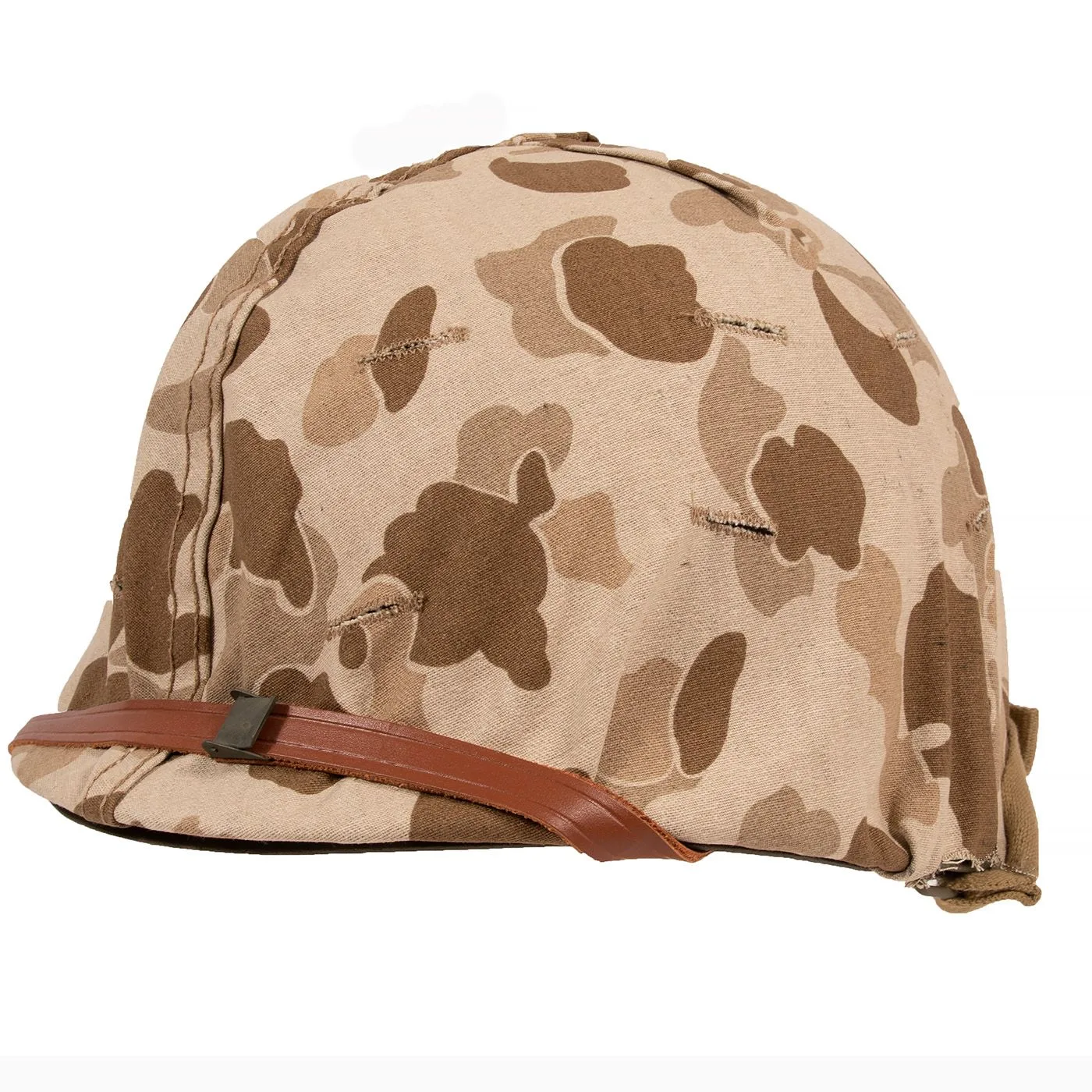
For practical reenactors, a mix of WWII and early postwar parts can be acceptable, especially if you're portraying a late-war or early Cold War soldier. In that case, focus on correct shell and liner combinations for the era you're depicting. Products like the https://wildernessworks.shop/products/usmc-helmet-cover-w-slits-99311USMC Helmet Cover w/ slits can help complete your impression without breaking the bank.
- Document everything: a helmet with a known history or provenance can be worth more even with some postwar parts.
Practical Tips for Buying an M1 Helmet
When shopping, always ask the seller for clear photos of the shell's heat stamp, the liner's webbing and manufacturer stamp, and the chinstrap buckle. Compare these to online reference guides. Be wary of helmets that look too clean or have a uniform paint job—they may be repainted or assembled from mixed parts.
If you're new to collecting, consider starting with a known reproduction like the Reproduction WWII M1 Helmet from atthefront. It gives you a correct base to learn from, and you can gradually add original accessories. For a specific unit impression, patches like the 509th PIR Pocket Patch can be added later.
- Join collector forums to ask for opinions before buying—experienced collectors can spot postwar parts from a single photo.
Identifying postwar parts on an M1 helmet takes practice, but once you know what to look for, you can avoid overpaying and build a collection you're proud of. Whether you're a strict authenticity seeker or a practical reenactor, understanding the differences between WWII and postwar components will make you a smarter buyer. Start with a solid foundation—like a quality reproduction—and upgrade as your knowledge grows.