Quick answer
Choose a pour over brewing setup if you want to brew a fresh cup directly into a vessel and control the process; choose a dedicated coffee mug if you want a durable, flavor-neutral cup for drinking and carrying. Many people use both: the pour over brews, and the mug holds.
Brewing control vs drinking convenience
A pour over setup gives you a hands-on brewing method: you place a filter, add coffee, and pour water in stages. That ritual suits drinkers who enjoy the process and want a fresh cup. A coffee mug, by contrast, is a finished vessel: it does not brew, but it holds the result and keeps it at temperature. The trade-off is time and effort versus immediate readiness.
If you already own a kettle and grinder, adding a pour over is a small step. If you mainly need a reliable cup for coffee made elsewhere, a mug alone is simpler.
Flavor protection matters more than method
The vessel you drink from can affect taste. A ceramic-coated interior, like the one on the Pure Taste Mug, is designed to defend against lingering flavors from previous drinks. That matters if you switch between coffee, tea, or flavored beverages. A pour over cone made of stainless steel does not add flavor, but the filter and the mug you brew into still shape the final cup.
For pour over brewing, choose a mug that is easy to clean and does not retain oils. The Pure Taste Mug's ceramic coating is a practical choice for this reason. If you prefer brewing directly into a server and then pouring, any clean mug works, but a coated one reduces cross-over tastes.
Capacity and portability trade-offs
A pour over cone is a brewing tool, not a travel container. It stays on the counter. A coffee mug with a lid, like the Pure Taste Mug, is more portable and can go from kitchen to desk. The trade-off is that a mug alone cannot brew, and a pour over alone cannot keep a drink hot for long without a separate insulated vessel.
If you commute, a lidded mug is the more practical daily choice. If you work from home and brew small batches, a pour over setup earns its counter space.
Cost and commitment
A pour over cone typically costs less than a quality insulated mug, but it requires filters and a learning curve. A ceramic-lined mug costs more upfront but needs no consumables. The trade-off is ongoing filter cost and practice versus a one-time purchase that works with any coffee you already drink.
Neither option is expensive to maintain: both rinse clean. The real commitment is the brewing habit. If you are unsure, start with the mug and add a pour over later.
Key trade-offs at a glance
- Brewing vs holding: A pour over cone brews coffee; a coffee mug holds it. If you want to make coffee, you need a brewing method. If you want to drink coffee, you need a mug. Decide whether your priority is the brewing process or the drinking vessel.
- Flavor neutrality: Ceramic-coated interiors resist lingering flavors; stainless steel is durable but may retain oils if not cleaned thoroughly. For pour over, a ceramic-lined mug reduces taste transfer. If you switch between drinks, prioritize a ceramic-coated mug.
- Portability: A lidded, insulated mug travels; a pour over cone does not. If you need coffee on the go, the mug is the only one of the two that leaves the kitchen. Commute? Choose a mug with a lid.
- Consumables and upkeep: Pour over requires filters; a mug requires only washing. Both are low-maintenance, but filters are an ongoing cost. Factor filter cost into your decision if you brew daily.
Product facts that matter
-
Pour Over: Double-walled stainless steel Pour Over works with #2 and #4 filters and has a no-slip silicone bottom. The filter compatibility means you can use widely available papers, and the silicone base keeps the cone stable while you pour.
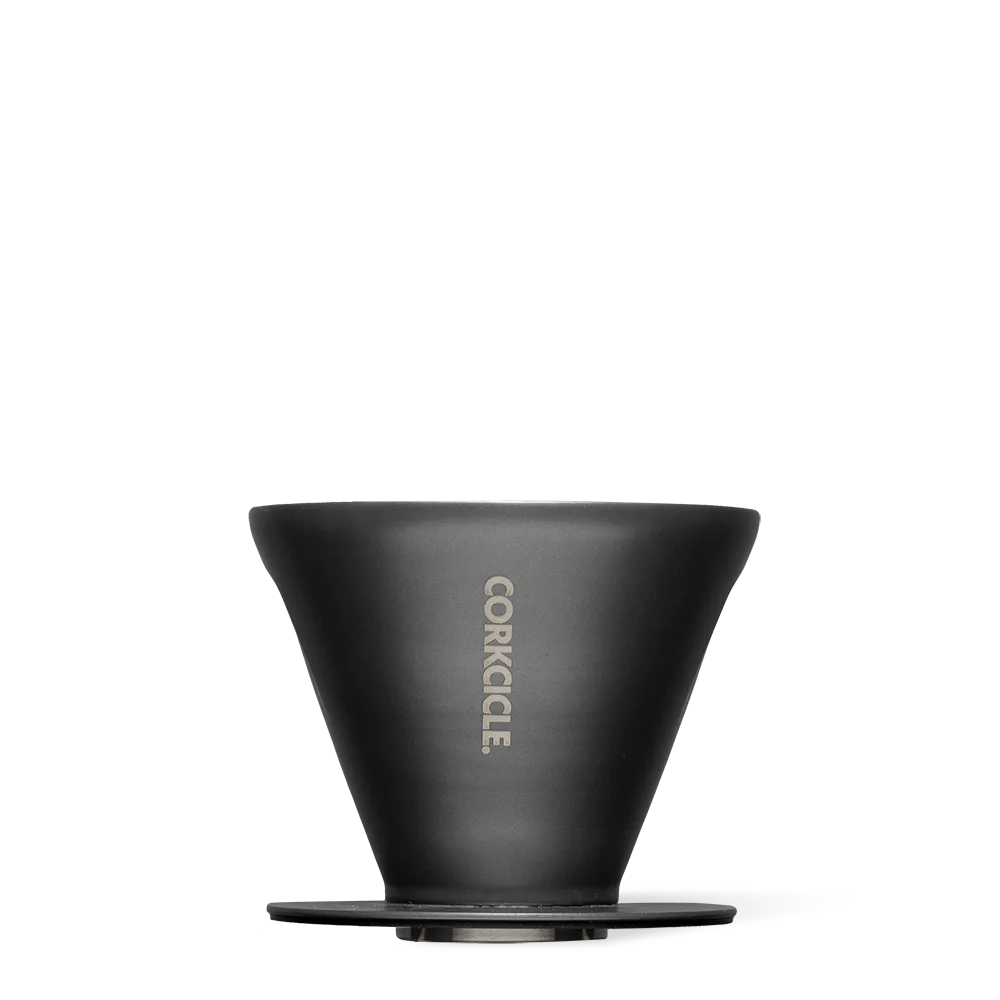
Pour Over
-
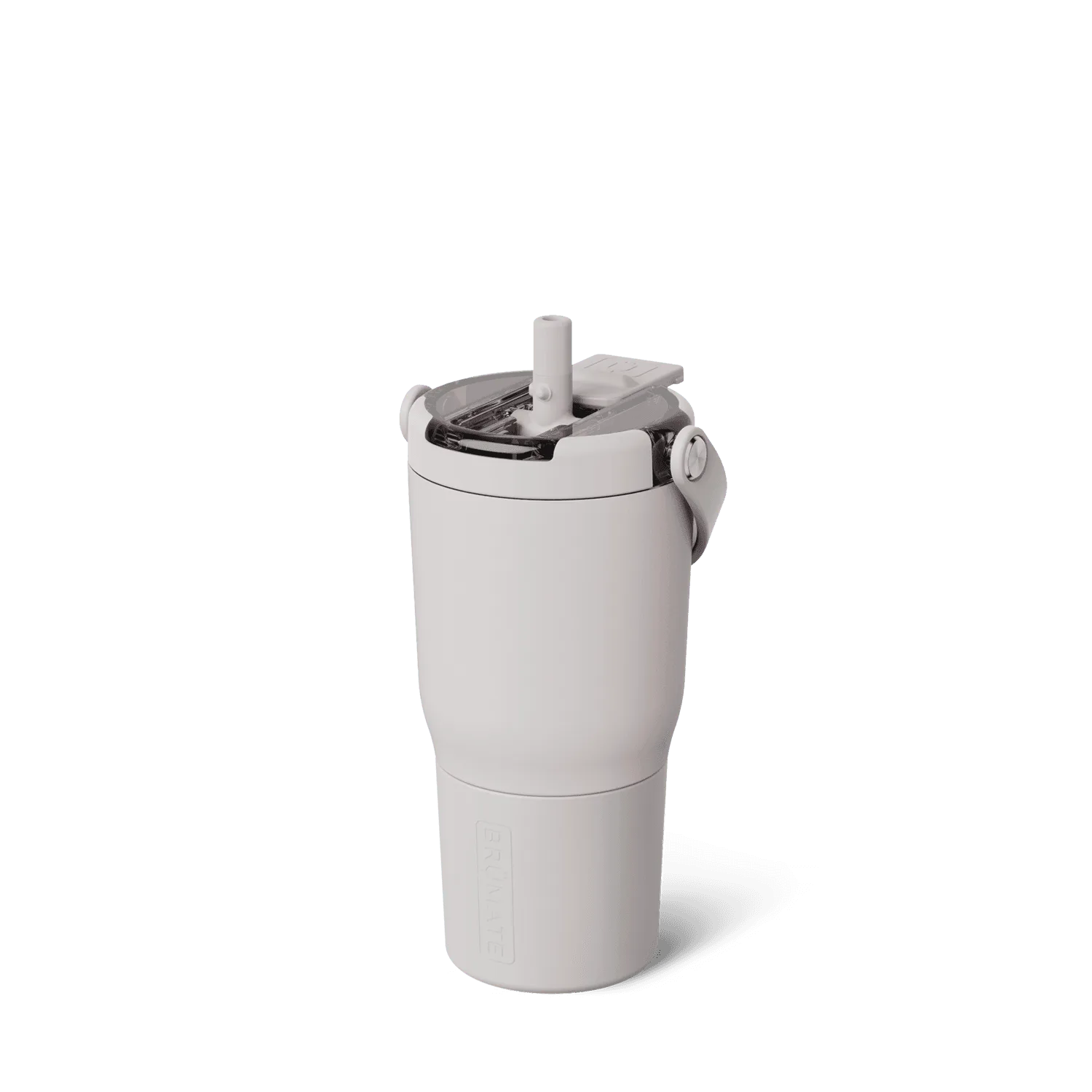
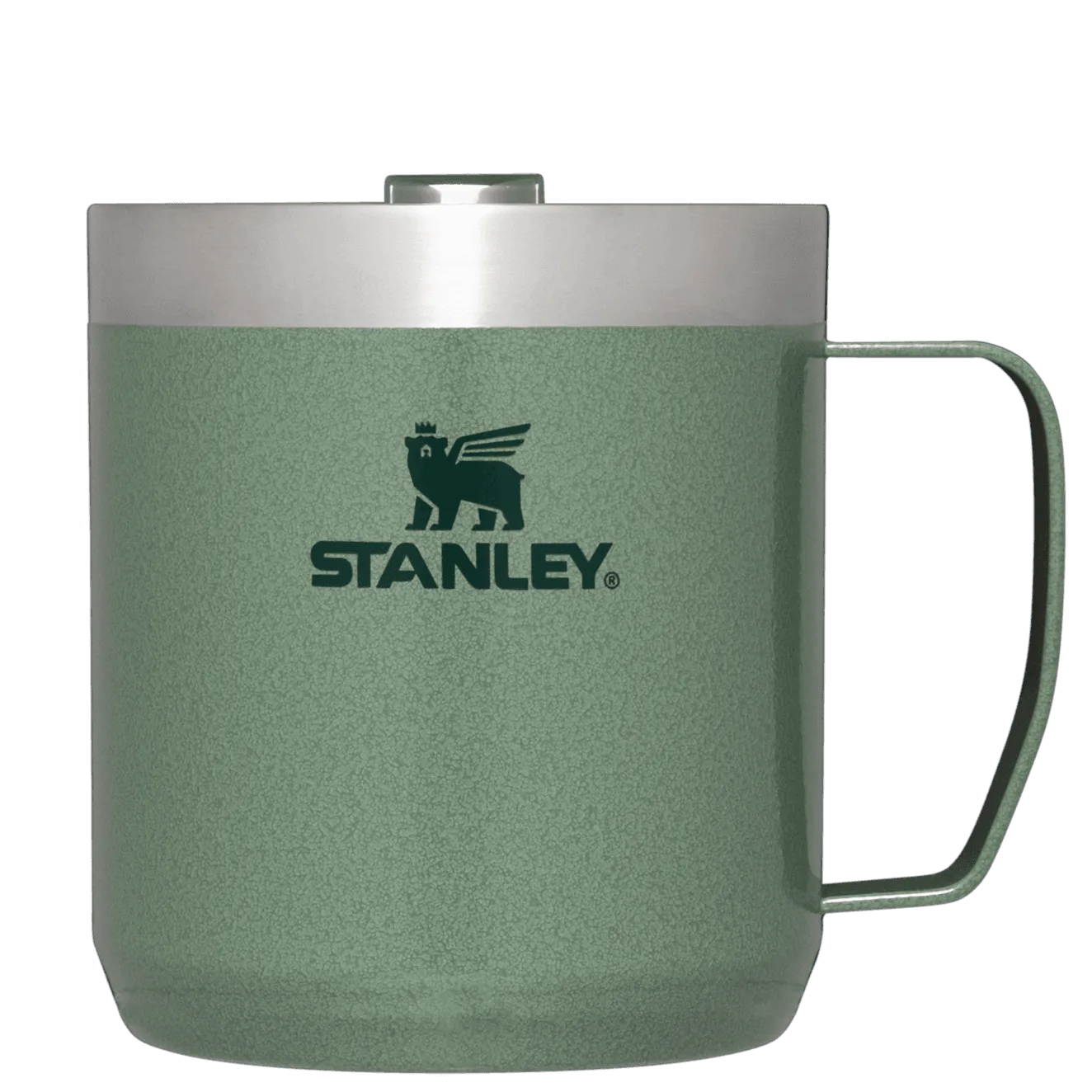
Pure Taste Mug: Pure Taste Mug has a ceramic-coated interior and a sliding, shatterproof lid; it is triple-insulated. The ceramic coating helps prevent flavor carryover, while the lid and insulation make it a practical vessel for drinking and short trips.
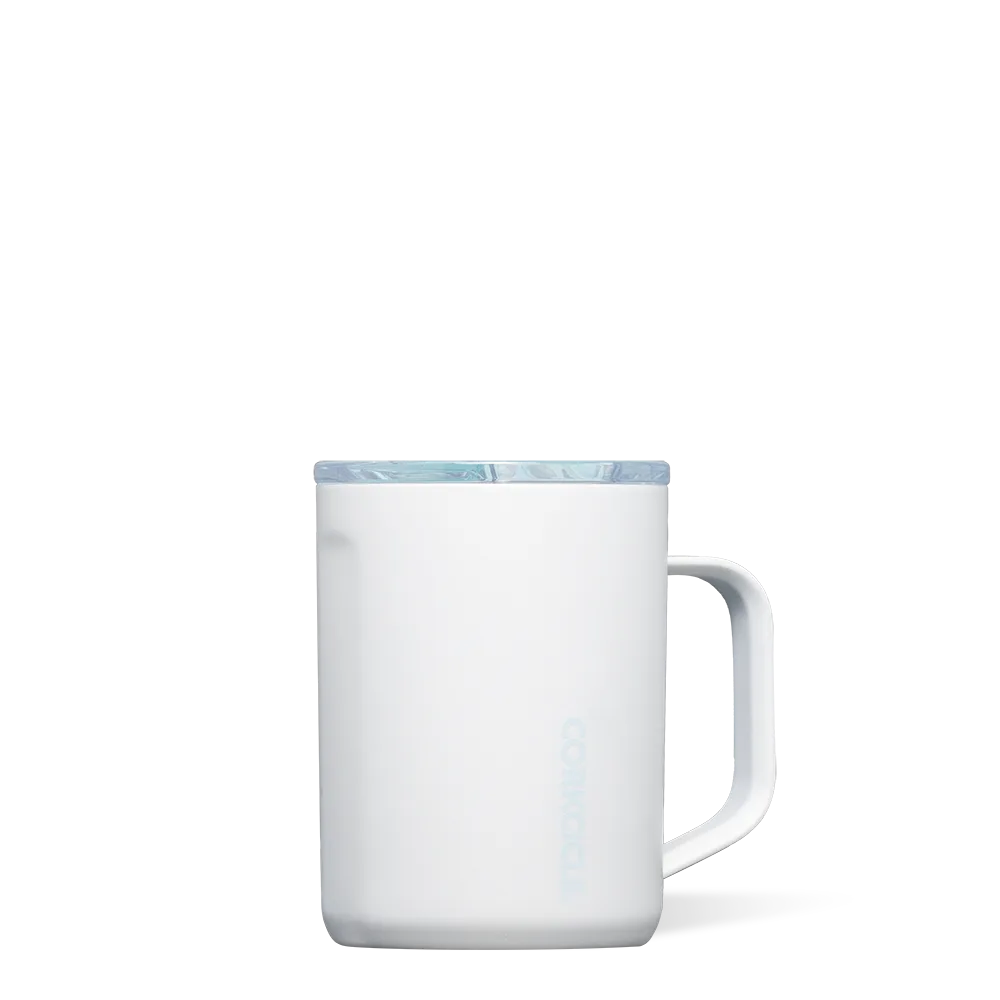
Pure Taste Mug
Who should choose which
Best for
- Drinkers who enjoy a hands-on brewing ritual and want a fresh cup
- Home brewers who already own a kettle and grinder
- Anyone who wants to brew directly into a mug and control the pour
Not for
- Commuters who need a sealed, portable cup
- People who want zero consumables or no brewing equipment
- Those who prefer set-and-forget brewing methods