Quick answer
If you skip flossing because string floss is awkward around tight contacts or back teeth, a power flosser is the more realistic daily tool. If your teeth have wide, easy gaps and you already floss consistently with string or picks, you can stay with a manual option and save money. The deciding factor is not which tool is stronger on paper, but which one you will actually use every day.
What a power flosser changes in daily use
A power flosser replaces the hand-wound string with a vibrating or oscillating head that slides between teeth. That matters most where a manual strand tends to fray, snap, or get stuck: tight contacts, crowded lower front teeth, and the back molars. The Bamboo Sonic Flosser uses 14,000 vibrations per minute, which is the kind of motion that helps a thin floss head travel through a tight contact without you sawing at the gum line.
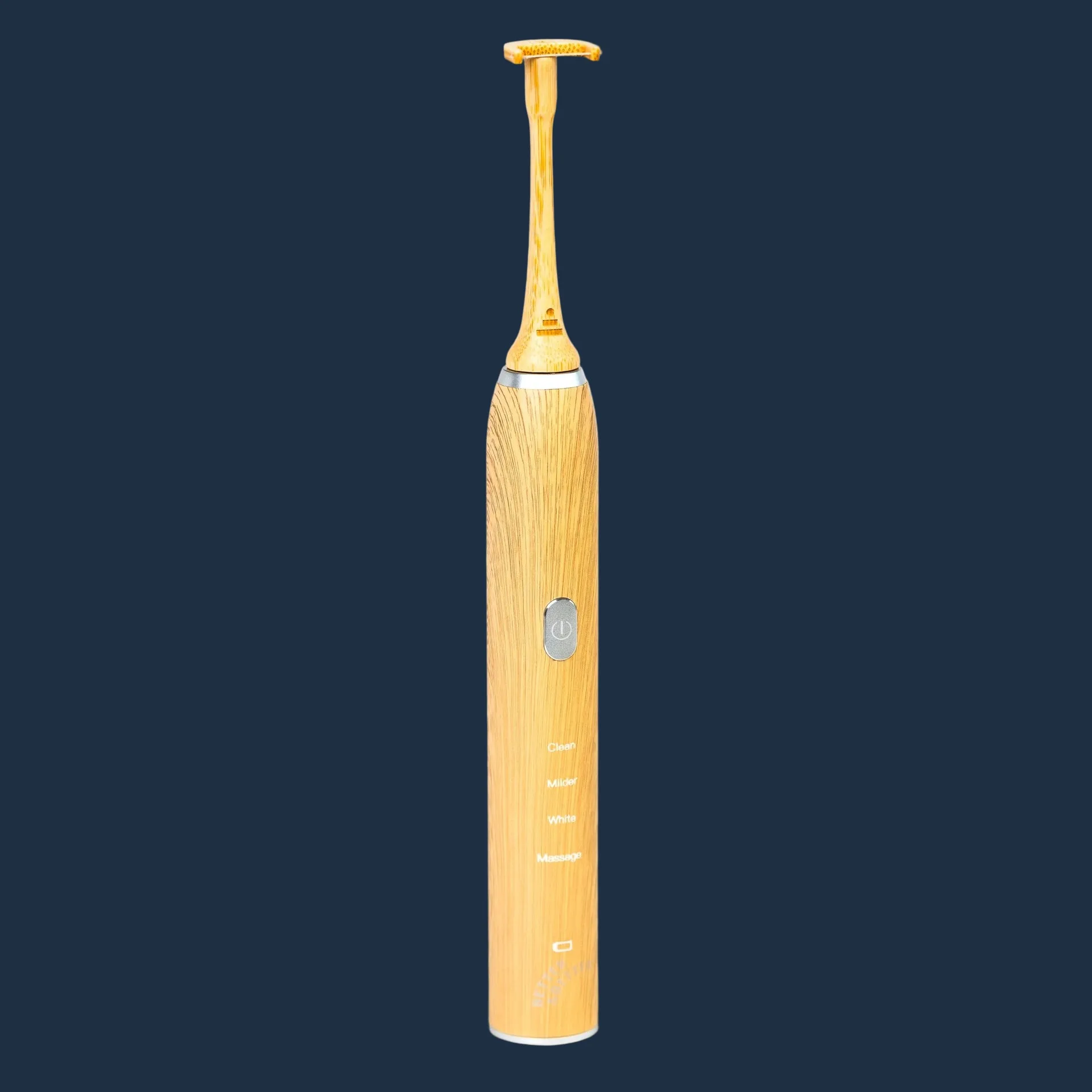
Bamboo Sonic Flosser
It also changes the cleanup. Instead of a new length of string each time, you click on a fresh head. The trade-off is that you now own a device, keep refills on hand, and charge or store it somewhere accessible. If those steps feel like friction, the power flosser will sit in a drawer no matter how well it cleans.
Where string floss and floss picks still make sense
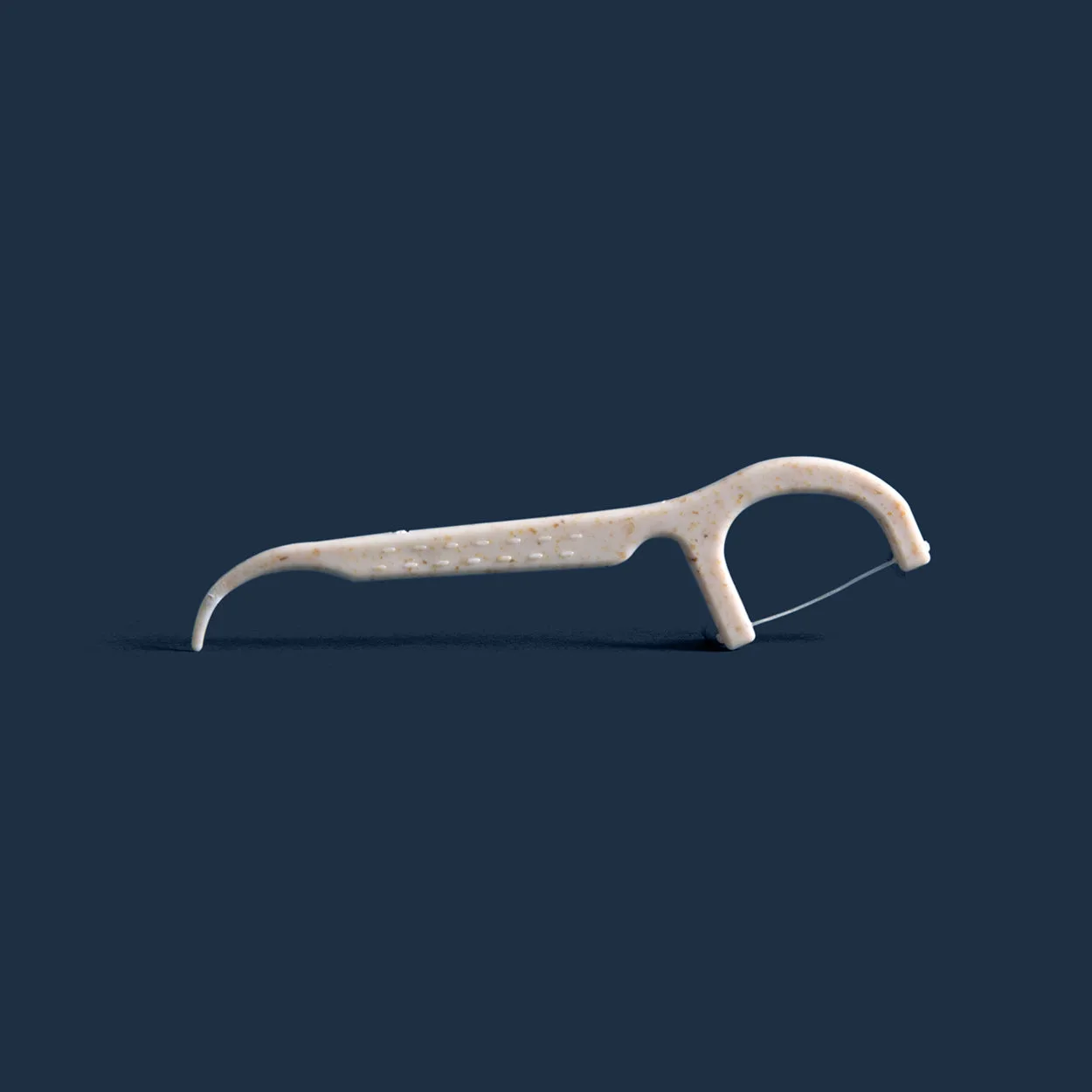
String floss remains the cheapest per-use option and needs no charging, no heads, and no storage space. Floss picks remove some of the dexterity problem by giving you a handle, which helps if you floss in the car, at a desk, or while traveling. The Floss Picks (200 Pack) use a biodegradable handle, so the on-the-go format does not automatically mean a petroleum-plastic pick.
The honest limitation is reach and control. A pick's short arm can struggle with the last molar, and the floss segment is fixed, so you cannot wrap a fresh section around each tooth. If your dentist has pointed out buildup at the back, that is a sign the pick is not reaching the spot, not that flossing itself is failing.
Cost and waste over a year
Manual floss wins on upfront cost: a pack of picks or a spool of string costs a fraction of a powered device. A power flosser moves the cost into the device plus refills, so the value depends on how many heads you go through and how long the unit lasts. The Bamboo Sonic Flosser is priced at USD 102.39, and the 90-pack of Bamboo Sonic Flosser Refills is USD 16.32, so the ongoing cost is predictable if you track how often you swap heads.
Waste is the other trade-off. String floss and standard picks generate a small piece of trash per use. A power flosser with a reusable handle and replaceable heads concentrates the waste into the heads themselves. Neither option is zero-waste, and refill heads still need to be discarded. The Bamboo Sonic Flosser Refills use natural bamboo and plant-based castor bean oil floss string, which is a lower-plastic choice than a conventional plastic pick, but it is not a compost guarantee for every municipal system.
Tight teeth, crowns, and gum sensitivity
Tight contacts are the most common reason people abandon string floss. A thin powered head can pass through where a thick strand will not, and the vibration does some of the work instead of your fingers. If you have crowns, bridges, or implants, check with your dental professional before choosing a powered device, because the wrong head angle can catch on a margin.
For sensitive gums, the pressure question matters more than the tool. A power flosser lets you glide rather than push, which can be gentler on a sore gum line. String floss gives you direct feedback through your fingers, so some people find it easier to feel exactly how much pressure they are using. Neither tool replaces a professional cleaning if you have active bleeding or pain.
Trade-offs at a glance
- Cleaning tight contacts: A power flosser with a thin vibrating head is easier to thread through tight contacts and back molars than a fixed pick or a fraying strand. Choose powered if tight teeth are why you stopped flossing.
- Upfront cost: String floss and picks cost a few dollars; a power flosser is a device purchase plus refills. The Bamboo Sonic Flosser is USD 102.39 and a 90-pack of refills is USD 16.32. Choose manual if budget is the deciding constraint.
- Waste per use: Manual floss creates a small piece of trash each time. A power flosser concentrates waste into replaceable heads, and the bamboo and castor bean oil refills reduce plastic rather than eliminating waste entirely. Choose refillable powered if you want less plastic, not zero waste.
- Routine friction: A power flosser needs charging, head changes, and counter space. String floss and picks need none of that, which is why they still win for travel and desk drawers. Pick the tool that survives your busiest week.
Product facts that affect the decision
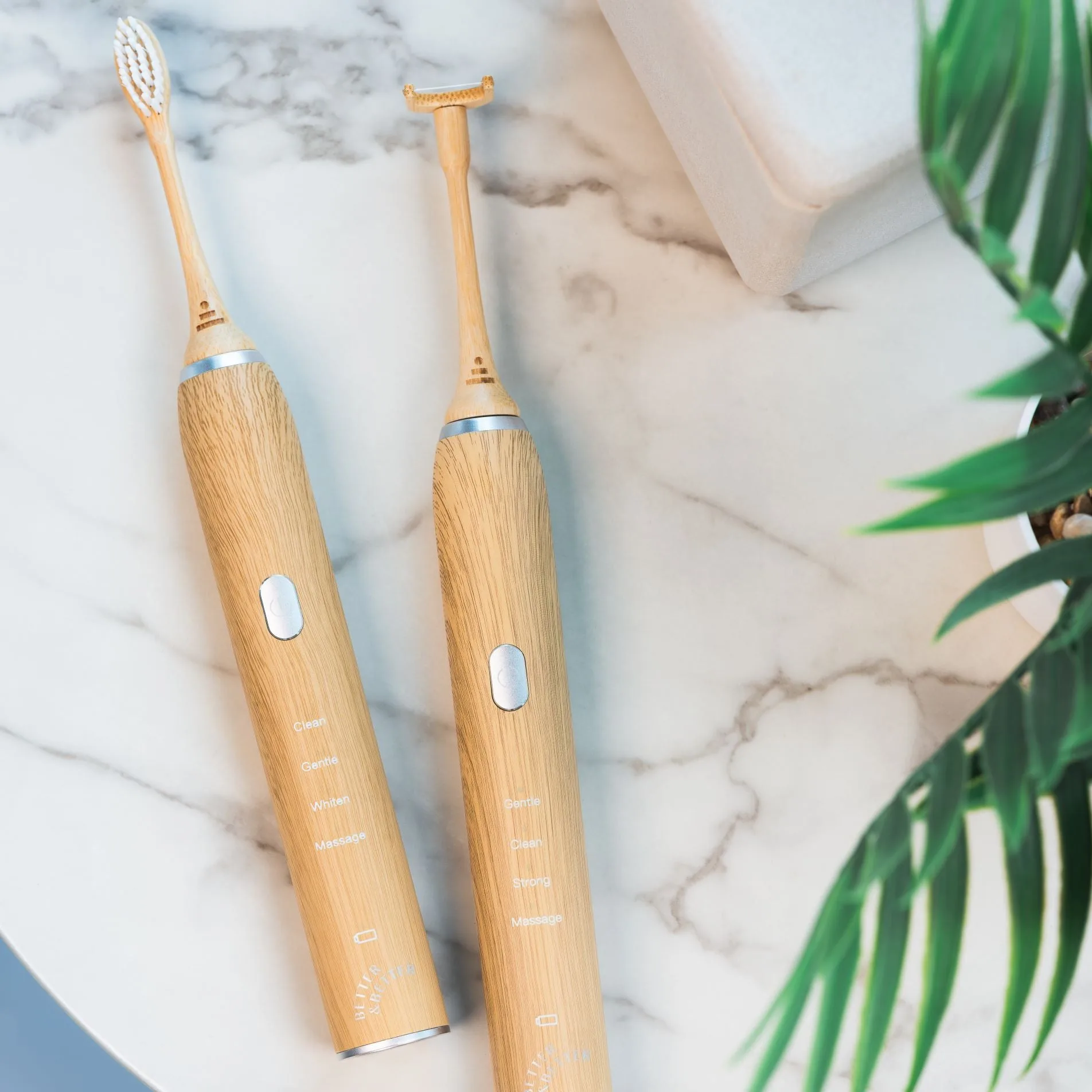
- Bamboo Sonic Flosser and Toothbrush: The Bamboo Sonic Flosser and Toothbrush combines a sonic flosser running at 14,000 vibrations per minute with a bamboo sonic toothbrush, and is described as the first biodegradable sonic flosser and bamboo sonic toothbrush. If you want one powered device to cover both flossing and brushing, this reduces the number of tools on your counter and the number of chargers you manage.
- Bamboo Sonic Flosser Refills (90-Pack): Bamboo Sonic Flosser Refills come in a 90-pack made of natural bamboo and 100% plant-based castor bean oil floss string, designed to fit the Bamboo Sonic Flosser. The refill pack is the recurring cost of a power flosser, so a 90-pack makes the per-use cost easier to plan than buying heads one at a time.
- Floss Picks (200 Pack): Floss Picks (200 Pack) have a biodegradable handle and are positioned as an easy on-the-go flossing option compared with petroleum plastic picks. If you floss away from home or want a low-commitment manual option, this gives you the pick format without the usual plastic handle.
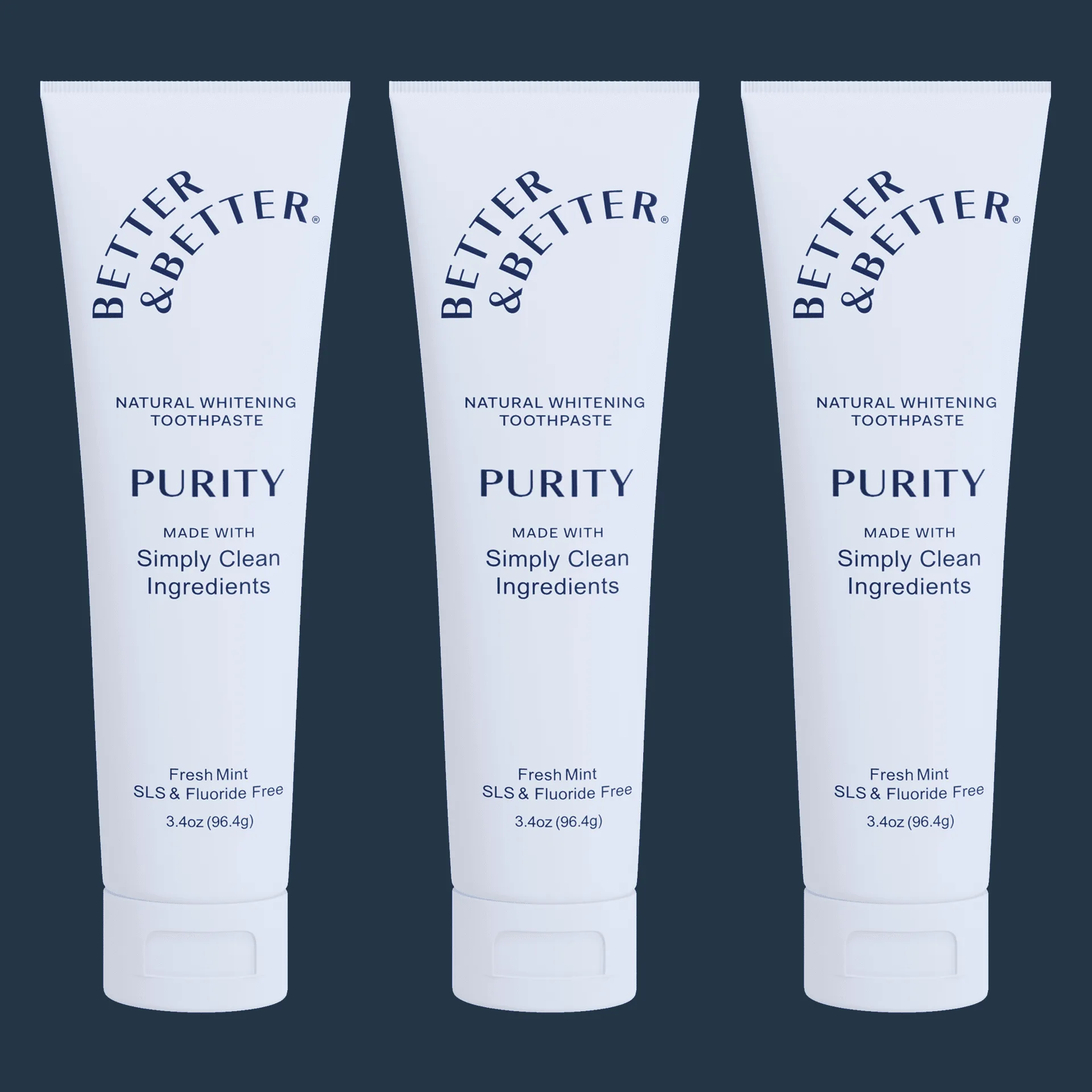
- Purity Toothpaste 3-Pack: Purity Toothpaste 3-Pack is described as naturally whitening, clean, organic, and made with vegan, natural ingredients. Flossing is only part of the routine, so pairing your flosser with a toothpaste you are willing to use twice a day supports consistency.
Which flosser should you buy?
Best for
- People with tight contacts, crowded teeth, or back molars who skip string floss
- Anyone who wants one powered device for flossing and brushing
- Shoppers who prefer bamboo and plant-based refill materials over plastic picks
Not for
- People who already floss daily with string and do not want another device to charge
- Travelers who need a disposable, no-charge option
- Anyone with crowns, bridges, or implants who has not checked the head type with a dental professional