Security camera technology evolves rapidly, and one innovation has quietly become the backbone of modern wired surveillance: Power over Ethernet (PoE). By delivering both power and data over a single Ethernet cable, PoE eliminates the need for separate power outlets and simplifies installation. This shift is not just a convenience—it represents a fundamental change in how security systems are designed, scaled, and maintained. Whether you are upgrading your home security or outfitting a commercial property, understanding PoE is essential for making informed decisions about your surveillance infrastructure.
Lorex, a trusted name in wired security cameras and systems, has embraced PoE across its product lineup. From high-resolution 4K+ cameras to hybrid NVR systems that blend wired and wireless flexibility, Lorex demonstrates why PoE is the technology of choice for future-proof surveillance. In this article, we explore the core benefits of PoE, examine real-world examples like the Lorex Connect V3 series, and explain why PoE is the clear path forward for both residential and commercial security.
What Is PoE and Why Does It Matter?
Power over Ethernet (PoE) is a technology that allows electrical power and data to travel over the same Ethernet cable. Instead of running two separate cables—one for power and one for network connectivity—PoE uses a single CAT5e or CAT6 cable to handle both. This capability is defined by IEEE standards (802.3af, 802.3at, and the newer 802.3bt), which specify how much power can be delivered. For security cameras, PoE typically provides up to 25.5 watts per port, sufficient for most PTZ, turret, and bullet cameras with integrated heaters or smart lighting.
The importance of PoE lies in its simplicity. Traditional analog cameras required a coax cable for video and a separate power cable, often leading to messy installations and reliance on nearby outlets. PoE eliminates that complexity. Cameras can be placed anywhere within 100 meters of a PoE switch or NVR, giving installers far more flexibility. Additionally, because PoE uses existing network infrastructure, system integrators can leverage standard Ethernet components, reducing costs and simplifying troubleshooting.
- One cable for both power and data drastically reduces installation time and material costs.
- PoE is scalable: add cameras by simply running a new Ethernet cable to the switch or NVR.
- Centralized power backup via a UPS on the PoE switch ensures cameras stay online during outages.
Key Benefits of PoE Security Cameras
The advantages of PoE extend well beyond simplified wiring. For any property owner or security professional, these benefits translate into tangible improvements in system performance, reliability, and cost. First, installation safety increases because PoE carries low-voltage power, reducing the risk of electrical hazards during setup or maintenance. Second, system flexibility expands dramatically—you can mount cameras on ceilings, walls, or poles without worrying about nearby AC outlets.
Reliability is another hallmark. With a dedicated PoE switch or PoE-powered NVR, each camera receives a stable power supply free from fluctuations common in residential wiring. This is especially critical for cameras with advanced features like smart security lighting or two-way audio, which demand consistent power. Additionally, PoE enables remote power cycling: if a camera freezes, you can reset it from the NVR interface instead of climbing a ladder.
Scalability is perhaps the most future-proofing feature. As your security needs grow, you simply add more cameras to available PoE ports or upgrade to a higher-port PoE switch. Systems like the Lorex Fusion series combine PoE wired cameras with wireless expansion, giving you the best of both worlds. For large installations, PoE also supports centralized power management and network monitoring, making it ideal for commercial environments.
- Reduces labor and material costs by eliminating separate power wiring.
- Enables camera placement in locations without nearby electrical outlets.
- Centralized power backup protects your entire camera system from outages.
- Simplifies maintenance with remote power cycle capabilities.
The Lorex Connect V3 Example: PoE in Action
Lorex cameras in the Connect V3 series exemplify how PoE enables cutting-edge features while maintaining installation simplicity. Take, for example, the Lorex 4K+ Ultra HD 12MP Smart Security Lighting Deterrence Dome AI PoE IP Wired Camera. This camera delivers stunning 12MP resolution, active deterrence with smart security lighting, and AI-powered motion detection—all over a single Ethernet cable. Without PoE, powering such a feature-rich camera would require a dedicated outlet or a complex power-over-coax solution.
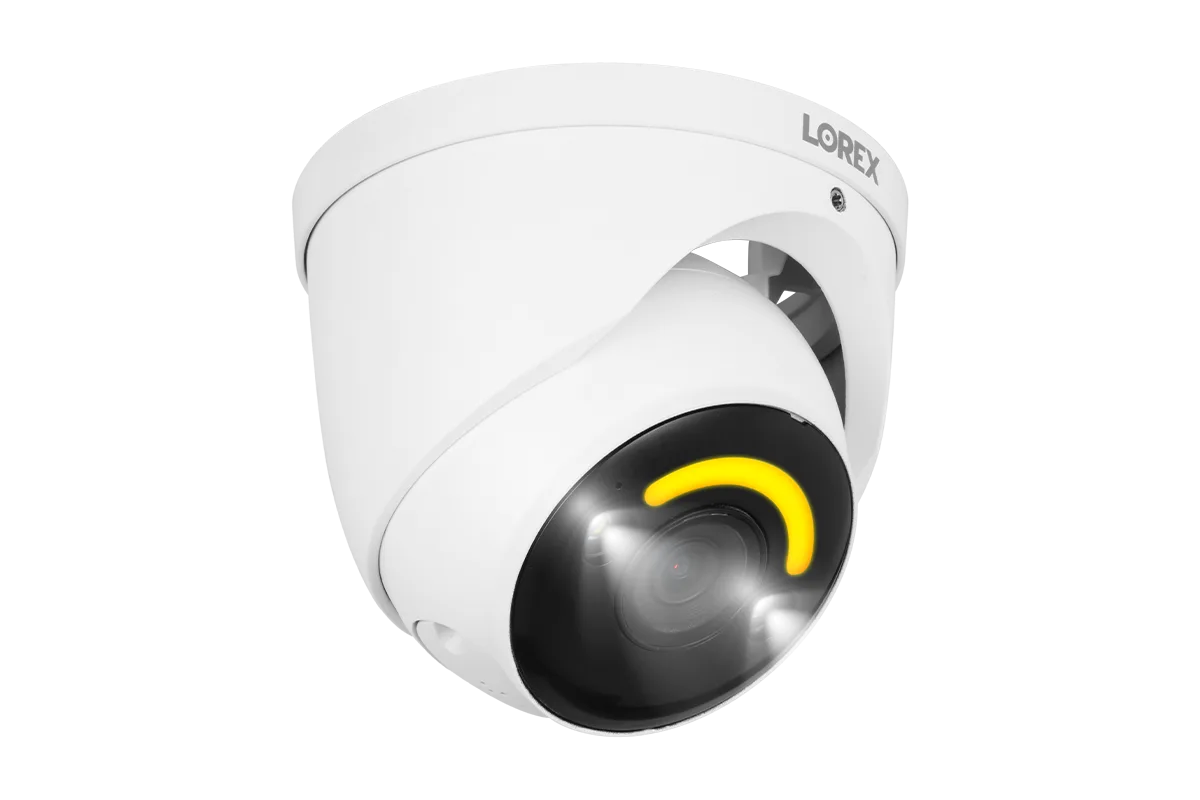
Lorex 4K+ Ultra HD 12MP Smart Security Lighting Deterrence Dome AI PoE IP Wired Camera
Another compelling example is the Lorex H12 4K IP Wired Turret Security Camera with Smart Security Lighting and Smart Motion Detection. This turret-style camera leverages PoE to provide 4K video clarity, intelligent motion alerts, and built-in smart lighting that can deter intruders automatically. The PoE connection also supports two-way audio (when equipped) and continuous remote access. By using PoE, Lorex ensures that even advanced features like person, vehicle, and animal detection do not compromise installation flexibility.
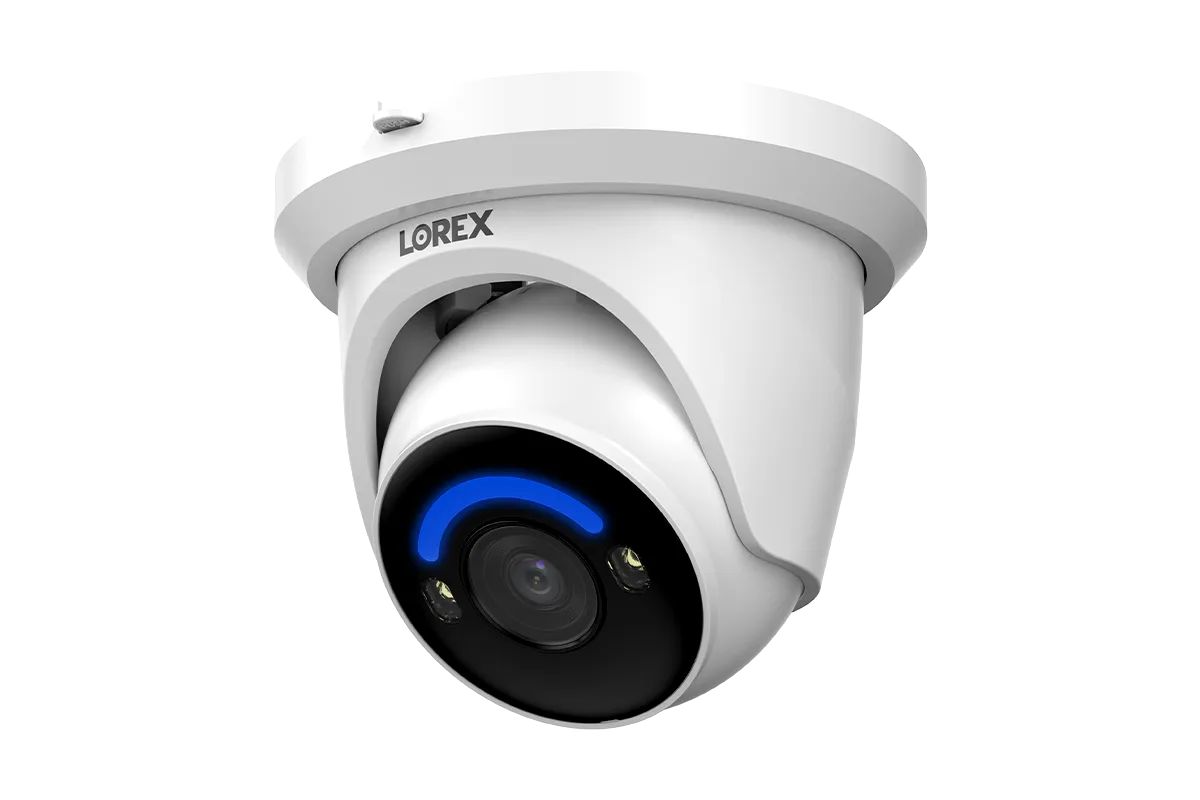
Lorex H12 4K IP Wired Turret Security Camera with Smart Security Lighting and Smart Motion Detection
Both cameras illustrate a key trend: as sensors, processors, and lighting become more sophisticated, the power demands of security cameras increase. PoE standards are evolving to deliver more power (up to 90W with PoE++), enabling future cameras with pan/tilt/zoom, integrated sirens, and even on-board analytics. Lorex stays ahead by designing its PoE cameras and NVRs to support the latest standards, ensuring compatibility with tomorrow's technology.
- 12MP resolution and AI detection are possible thanks to PoE's reliable power delivery.
- PoE enables smart lighting features that would be impractical with traditional wiring.
- Lorex NVRs with built-in PoE switches simplify system integration and reduce component count.
How PoE Fits into the Future of Surveillance
The security industry is moving toward higher resolutions, intelligent analytics, and deeper integration with smart home ecosystems. PoE is the enabler that makes these advancements practical. 4K, 5MP, and even 12MP cameras require more bandwidth than older analog or Wi-Fi cameras, and PoE provides the dedicated data channel needed for smooth streaming and recording. AI-based features such as facial recognition, license plate capture, and behavior analysis also benefit from PoE's stable network connection.
Another emerging trend is the convergence of surveillance with building automation. PoE cameras can integrate with access control systems, lighting controls, and alarm panels through a single network backbone. For example, a PoE camera triggered by motion can signal a PoE-powered siren or smart light—all without separate wiring. This interoperability reduces overall system complexity and opens up new possibilities for automated security responses.
Moreover, PoE simplifies upgrades. As new camera models come to market with better sensors or analytics, you can swap out old units without rewiring. The same Ethernet cable that powered a 1080p camera five years ago can power a 4K camera today. This backward compatibility ensures that your investment in structured cabling remains relevant for years to come. Lorex supports this vision with its wide range of PoE cameras, NVRs, and accessories like the Single Port IP & PoE over Coax Set (400m/1300ft end-to-end converters), which extend PoE distances for large properties.
- PoE supports higher resolutions and AI analytics without compromising reliability.
- Future-proof: the same cables work with next-generation cameras.
- Enables unified security and building automation systems over a single network.
Choosing the Right PoE Camera System
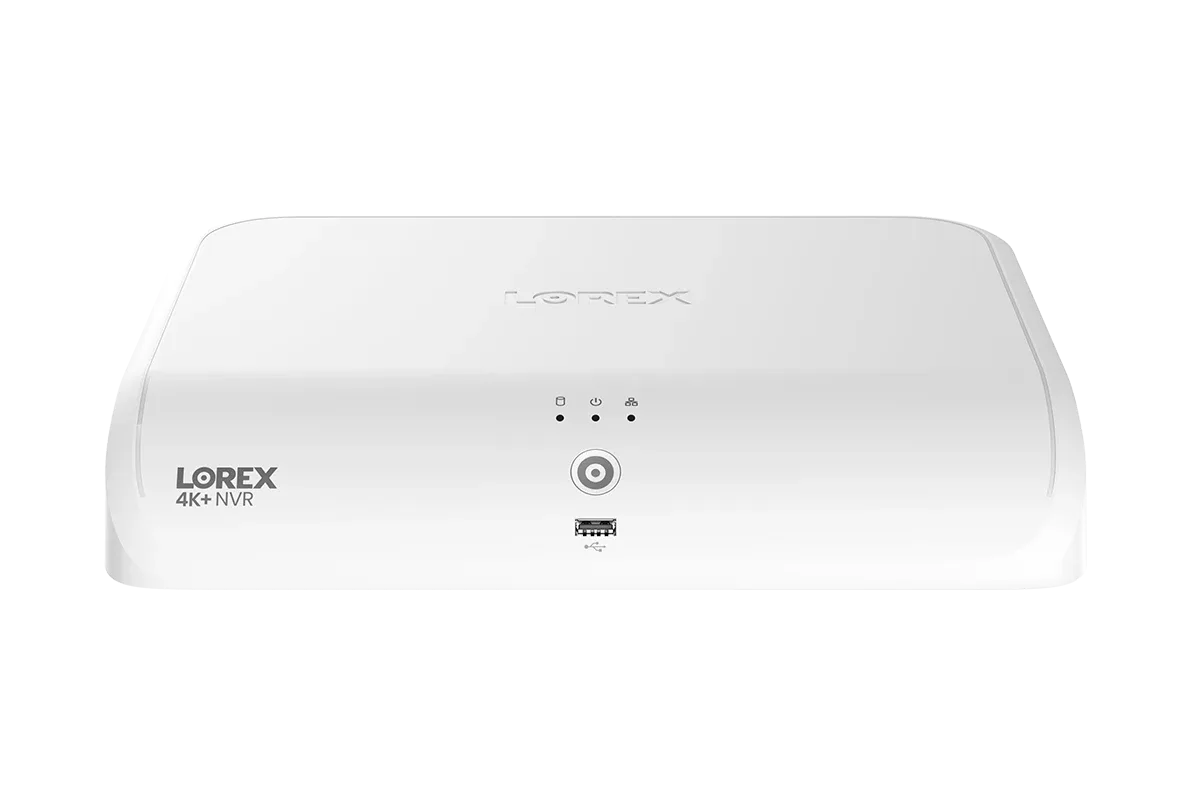
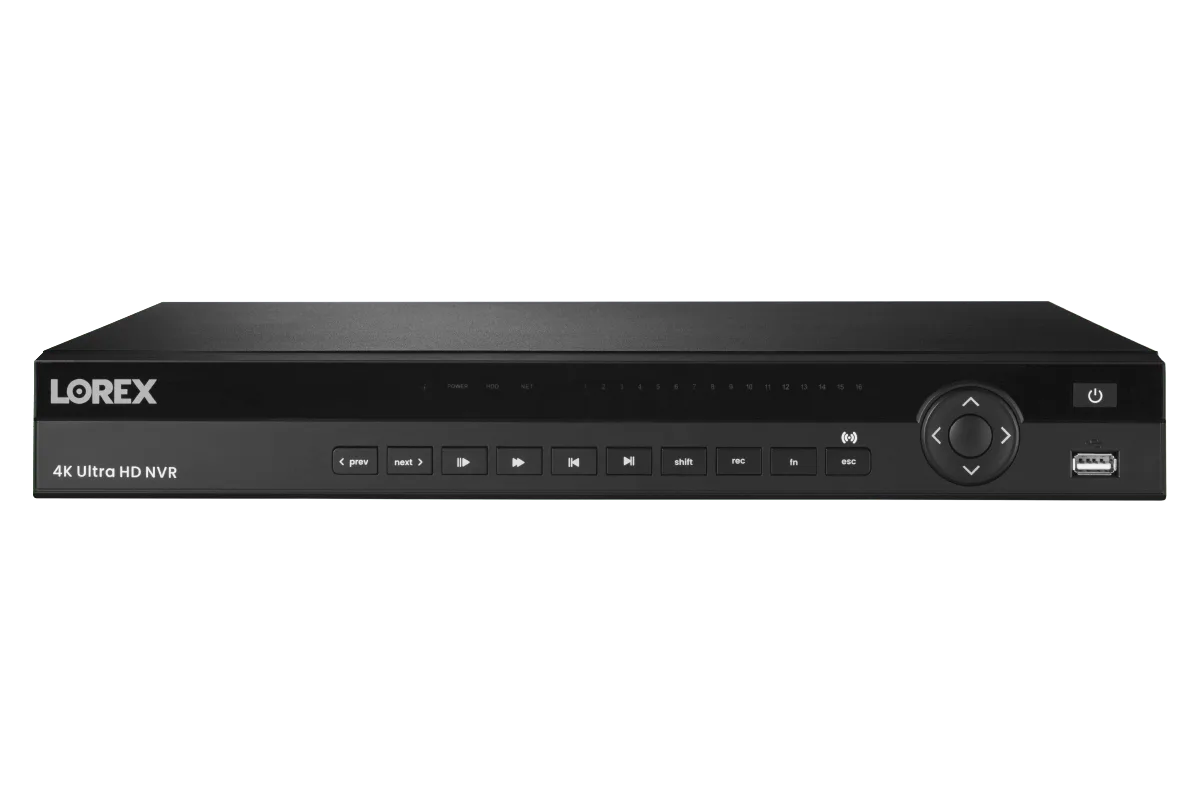
Selecting a PoE security camera system involves considering the number of cameras, resolution requirements, storage needs, and integration preferences. For most homeowners, an 8- or 16-channel PoE NVR like the Lorex Fusion Series provides plenty of room to grow. The Fusion Series supports both wired PoE cameras and wireless expansion, offering flexibility as needs change. For larger properties or businesses, a 32-channel NVR such as the Lorex 4K (32 Camera Capable) Elite Series 6TB NVR delivers ample storage and advanced management features.
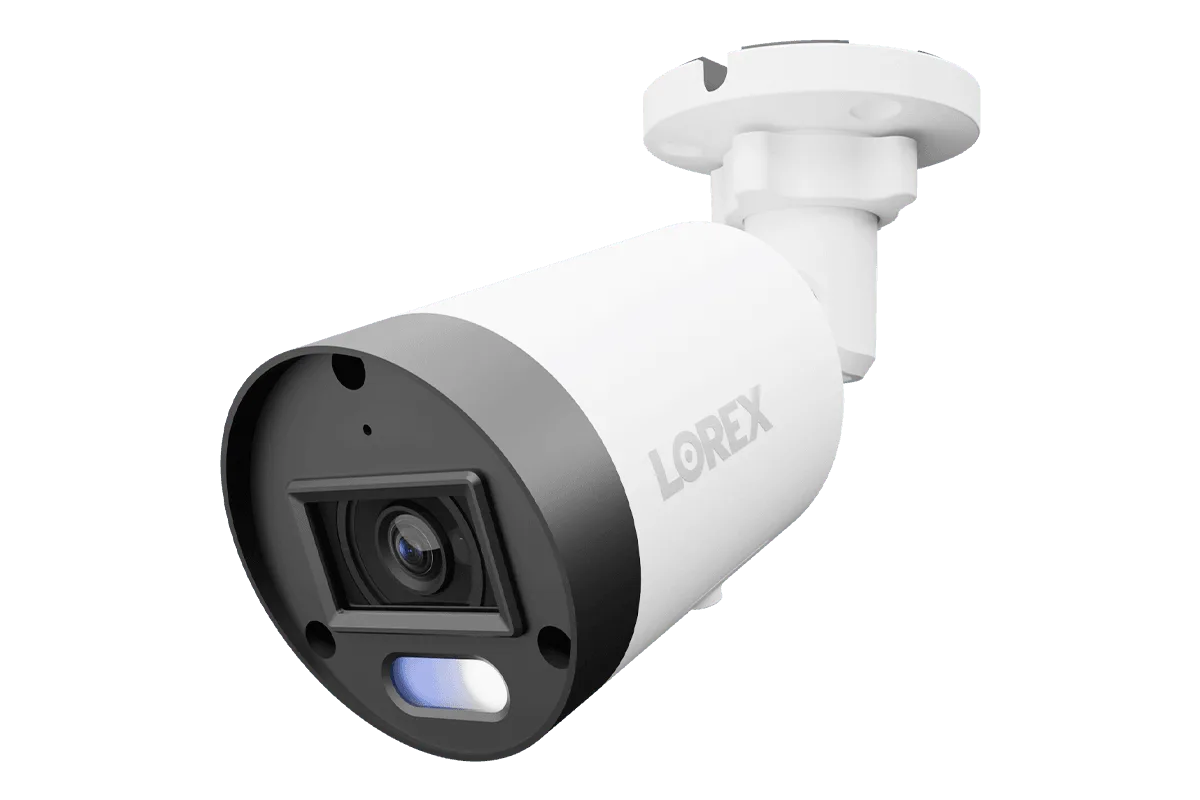
When choosing cameras, look for models that match your coverage area and lighting conditions. Bullet cameras are excellent for long-range views, while turret and dome cameras offer wide-angle coverage and vandal resistance. Lorex PoE cameras come with features like smart motion detection, color night vision, and built-in microphones. For challenging installations, such as running PoE over long distances or existing coax wiring, the Single Port IP & PoE over Coax Set can extend your network up to 400 meters without signal loss. This accessory makes it possible to upgrade older coax-based systems to modern PoE without pulling new cables.
Finally, consider your recording and storage strategy. NVRs with built-in PoE ports simplify setup by eliminating external switches. Look for models with at least 2TB of storage, and consider adding a UPS to protect the system during power failures. Lorex offers a range of NVRs from 2TB to 6TB, giving you options based on retention needs and camera count. Whether you start with a small 4-camera kit or plan a enterprise-grade 32-camera deployment, PoE provides the backbone for a reliable, expandable security system.
- Assess camera count and resolution to choose the right NVR channel count.
- Consider PoE extenders like the Single Port IP & PoE over Coax Set for long cable runs.
- Plan storage capacity based on camera resolution, frame rate, and retention period.
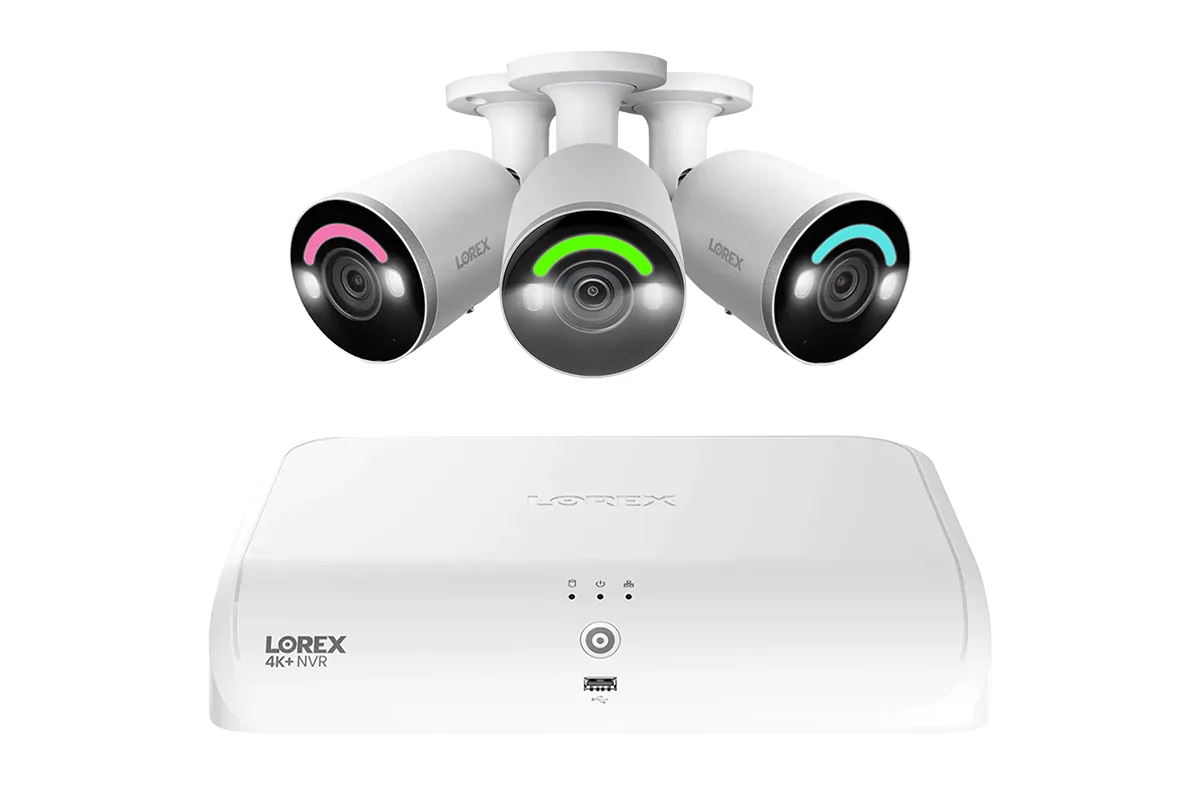
Power over Ethernet is not merely a convenience—it is a strategic investment in the future of your security system. By eliminating wiring complexity, supporting advanced camera features, and enabling scalable growth, PoE technology ensures your surveillance network can adapt to evolving threats and new capabilities. Lorex continues to lead in this space with a comprehensive lineup of PoE cameras, NVRs, and accessories designed for both residential and commercial applications. Explore the Lorex Fusion Series 4K 16 Camera Capable 4TB Wired NVR System with H12 Wired 4K IP Turret Cameras to experience the reliability and performance of PoE firsthand. With Lorex, you are not just installing cameras—you are building a smarter, more secure future.