Power tools are an investment. Whether you're a professional contractor or a weekend DIY enthusiast, the longevity of your tools depends on regular maintenance. Neglecting to clean and care for your power tools can lead to decreased performance, safety hazards, and costly replacements. In this guide, we'll walk you through essential power tool maintenance practices that will keep your equipment running smoothly for years.
From simple cleaning routines to proper storage techniques, these tips are easy to implement and will save you money in the long run. We'll also highlight some handy accessories that can make maintenance even easier. Let's dive in.
Why Power Tool Maintenance Matters
Regular maintenance isn't just about keeping your tools looking good—it's about ensuring they function safely and efficiently. Dust, debris, and old lubricants can cause motors to overheat, reduce cutting precision, and even lead to electrical failures. By investing a little time in tool care, you can avoid unexpected breakdowns and extend the lifespan of your equipment.
Moreover, well-maintained tools produce better results. A clean saw blade cuts straighter, a properly lubricated drill runs smoother, and a dust-free motor runs cooler. This not only improves your work quality but also makes your tools safer to operate.
- Prevents overheating and motor burnout
- Ensures accurate and clean cuts
- Reduces risk of electrical hazards
- Saves money on replacements and repairs
Essential Cleaning Supplies for Your Workshop
Before you start cleaning your power tools, gather the right supplies. You'll need a soft brush, compressed air or a vacuum, microfiber cloths, and a suitable cleaning solution. For metal parts, consider using a lubricant like WD-40, but for woodworking tools, a product like Allbäck Black Linseed Oil Wax can protect and preserve surfaces.

Allbäck Black Linseed Oil Wax
Allbäck Black Linseed Oil Wax is excellent for conditioning wooden handles and protecting metal parts from rust. It's a natural product that leaves a protective layer without being sticky. Similarly, for touch-ups on painted surfaces, Allbäck Black Linseed Oil Paint can be used to prevent rust and maintain appearance.

Allbäck Black Linseed Oil Paint
- Soft-bristle brush for dust removal
- Compressed air or vacuum for hard-to-reach areas
- Microfiber cloths for wiping down surfaces
- Allbäck Black Linseed Oil Wax for metal protection
Step-by-Step Tool Cleaning Routine
Start by unplugging your tools and removing any batteries. Use a brush or compressed air to remove loose dust and debris from the exterior and vents. Pay special attention to air intake vents, as clogged vents can cause overheating. For stubborn grime, use a damp cloth with mild soap, but avoid getting water into the motor.
Next, clean the moving parts. For drills and saws, remove the chuck or blade and clean the threads and collets. Apply a light coat of lubricant to moving parts, but be careful not to over-lubricate, as excess oil can attract dust. For tools with cords, inspect the cord for fraying or damage and replace if necessary.
- Always unplug before cleaning
- Use compressed air for vents and crevices
- Wipe down with a damp cloth, avoid moisture on motor
- Lubricate moving parts sparingly
Deep Cleaning and Rust Prevention
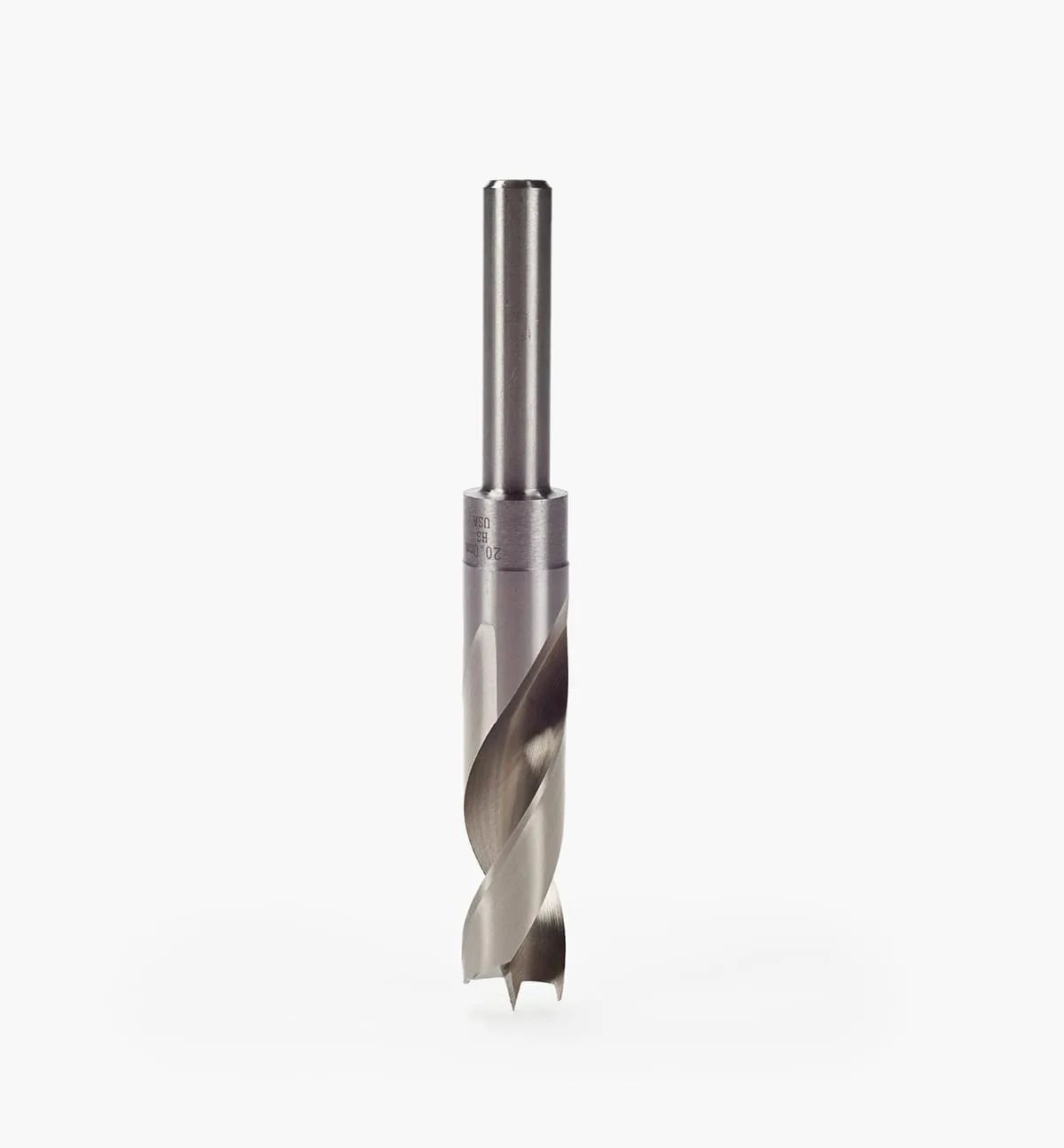
For tools that see heavy use, a deeper clean every few months is beneficial. This involves disassembling parts that are designed to be removed, such as saw blades, drill bits, and sanding pads. Clean each component thoroughly and inspect for wear. Replace any damaged parts to maintain performance.
Rust is a common enemy of metal tools. To prevent rust, store tools in a dry environment and apply a rust inhibitor. Allbäck Black Linseed Oil Wax is perfect for this purpose—it creates a barrier against moisture and is safe for most surfaces. For tools that have already developed rust, use a wire brush or sandpaper to remove it, then apply the wax to prevent recurrence.
- Disassemble removable parts for thorough cleaning
- Inspect for wear and replace damaged components
- Apply rust inhibitor to metal surfaces
- Store in a dry place to prevent moisture damage
Maintaining Power Tool Accessories
Your tools are only as good as their accessories. Regularly inspect and clean items like drill bits, saw blades, and sanding discs. For example, Micro Shears are great for trimming and cutting, but they need to be kept clean and sharp for optimal performance. Use a sharpening stone or replace them when they become dull.
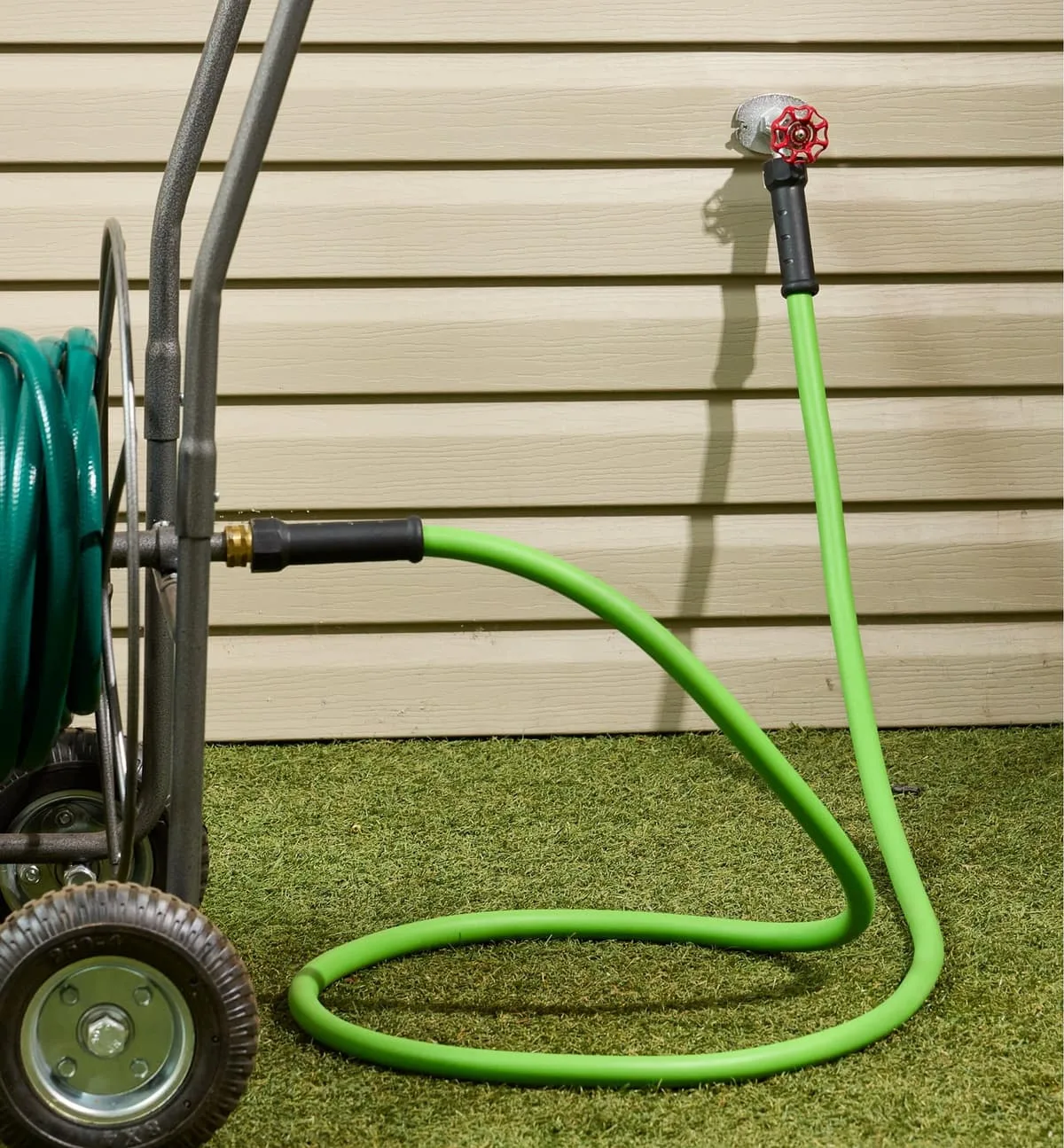
Additionally, keep your cords and hoses in good condition. For sanders and dust extractors, a clean hose ensures efficient dust collection. The Mirka Vacuum Hose Splitter Kit allows you to connect multiple tools to one vacuum, but it's essential to check for clogs and clean it regularly to maintain suction.
- Clean and sharpen bits and blades
- Replace worn accessories promptly
- Inspect cords and hoses for damage
- Use a hose splitter to maximize dust collection efficiency
Proper Storage for Longevity
How you store your tools can significantly affect their lifespan. Keep them in a dry, temperature-controlled environment to prevent rust and warping. Use tool cases or pegboards to keep them organized and protected from accidental drops. For corded tools, wrap cords loosely to avoid kinks and damage.
Consider using a tool chest or cabinet with drawers to keep smaller accessories like drill bits and sanding pads organized. This not only protects them but also makes it easier to find what you need. For larger tools, consider wall mounts or shelves to keep them off the floor and out of harm's way.
- Store in a dry, climate-controlled area
- Use cases or pegboards for organization
- Wrap cords loosely to prevent damage
- Keep accessories in labeled drawers or containers
Seasonal Maintenance Checklist
In addition to regular cleaning, a seasonal maintenance routine can help you stay on top of tool care. At the start of each season, inspect all your tools for any issues. Check cords, batteries, and moving parts. Clean and lubricate as needed. This proactive approach ensures your tools are ready when you need them.
Create a checklist that includes tasks like inspecting power cords for damage, testing battery health, cleaning air filters, and sharpening blades. You can also use this time to apply a fresh coat of protective wax to metal surfaces. By following a seasonal checklist, you'll avoid surprises and keep your tools in peak condition year-round.
- Inspect cords and batteries
- Clean air filters and vents
- Sharpen blades and bits
- Apply protective wax to metal parts
Maintaining your power tools doesn't have to be a chore. With a regular cleaning routine and proper storage, you can extend the life of your equipment and ensure it performs at its best. For added protection, consider using Allbäck Black Linseed Oil Wax to keep metal parts rust-free. Remember, a little care goes a long way in power tool longevity.