Why Prairie Sky Flannel Works for Cozy Projects
Prairie Sky flannel from Robert Kaufman's Mammoth Junior Flannel collection brings a soft, lived-in feel to any sewing project. Its 100% cotton weave and 6.4 oz. per square yard weight make it substantial enough for garments and quilts while remaining easy to handle. The muted blue-gray print with subtle sky tones pairs well with both solids and other prints, giving you flexibility whether you're sewing for a child or yourself.
This fabric is a great choice for projects that need warmth without bulk. The 44-inch width gives you enough yardage for most patterns, and the flannel's natural breathability keeps it comfortable for year-round use. If you're looking for a fabric that feels cozy and sews predictably, Prairie Sky flannel is a solid pick.
Prairie Sky Flannel at a Glance
-
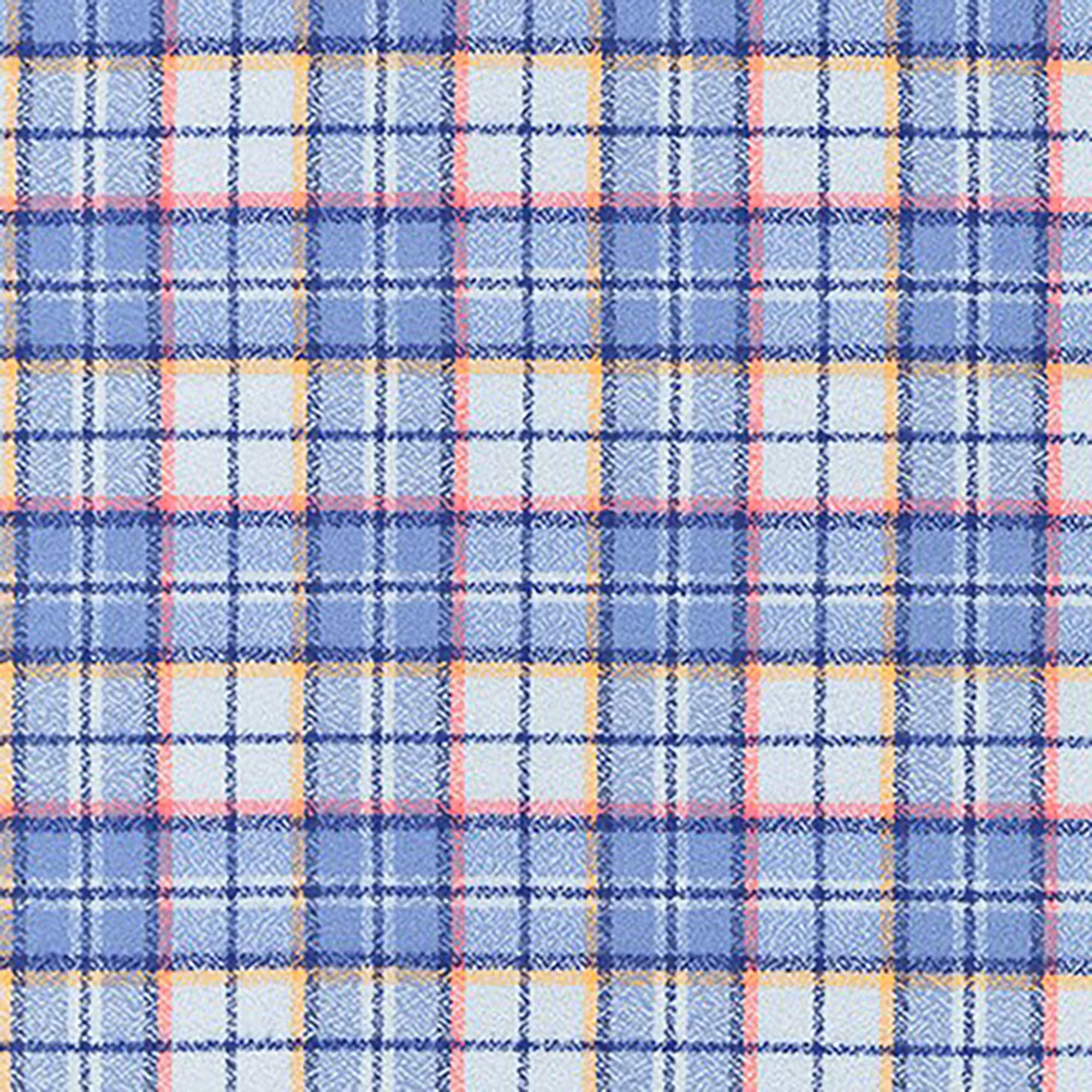
Prairie Sky SRKF-20538-388 from Mammoth Junior Flannel from Robert Kaufman: 100% cotton flannel from Robert Kaufman's Mammoth Junior Flannel collection. Cotton flannel is soft, breathable, and easy to sew, making it ideal for beginners and experienced sewists alike.
Prairie Sky SRKF-20538-388 from Mammoth Junior Flannel from Robert Kaufman
-
Prairie Sky SRKF-20538-388 from Mammoth Junior Flannel from Robert Kaufman: Width: 44 inches; Weight: 6.4 oz. per square yard. The 44-inch width provides enough fabric for most standard patterns, and the medium weight gives structure without being stiff.
-
Prairie Sky SRKF-20538-388 from Mammoth Junior Flannel from Robert Kaufman: Print name: Prairie Sky (SRKF-20538-388). The Prairie Sky print offers a versatile blue-gray tone that complements many color palettes and project styles.
Project Ideas for Prairie Sky Flannel
Prairie Sky flannel shines in projects where comfort and style meet. Here are a few ideas to get you started:
1. **Cozy Quilt**: Use Prairie Sky as the main fabric in a patchwork quilt. Its 6.4 oz. weight provides warmth without being too heavy, and the 44-inch width makes it easy to cut into squares or strips. Pair it with white or cream cotton solids for a classic look, or mix in other Mammoth Junior Flannel prints for a scrappy feel.
2. **Simple Shirt or Tunic**: Flannel shirts are a wardrobe staple. Prairie Sky's muted blue-gray tone works for both adult and children's patterns. Because it's 100% cotton, it will soften with washing, making it even more comfortable over time. Pre-wash the fabric before cutting to account for shrinkage.
3. **Pajama Pants or Loungewear**: The soft hand of flannel makes it perfect for pajama pants or a cozy robe. Choose a simple elastic-waist pattern for a quick sew. The 44-inch width gives you enough fabric for most sizes with minimal waste.
4. **Baby Blanket or Play Mat**: A single yard of Prairie Sky flannel can become a soft baby blanket or play mat. The 6.4 oz. weight provides enough heft to stay put while being gentle on sensitive skin. Finish the edges with a simple serged or hemmed border.
5. **Pillow Covers or Throw Pillows**: Add a touch of coziness to your living room with flannel pillow covers. Prairie Sky's print works well with neutral or earth-toned decor. Use an envelope closure for a no-zip finish.
Cutting and Sewing Considerations
When working with Prairie Sky flannel, a few simple tips help ensure good results. Pre-wash the fabric in warm water and tumble dry on medium heat to pre-shrink it. Flannel can shrink more than other cottons, so this step is important for fitted garments. Press the fabric with a medium-hot iron before cutting to remove wrinkles and ensure accurate pattern pieces.
Use a sharp universal needle (size 80/12 or 90/14) and a longer stitch length to prevent puckering. A walking foot can help feed the fabric evenly, especially when sewing multiple layers or quilting. For seams, a ⅜-inch or ½-inch seam allowance works well; finish raw edges with a serger or zigzag stitch to prevent fraying. For specific stitch length recommendations, follow the product instructions.
Because flannel has a soft nap, pay attention to the direction of the fabric when cutting. If your pattern calls for matching stripes or plaids, buy extra yardage to allow for pattern matching. Prairie Sky's subtle print makes matching less critical than with bold stripes, but it's still good practice.
Caring for Your Prairie Sky Flannel Projects
To keep your Prairie Sky flannel projects looking their best, wash them in cold water on a gentle cycle and tumble dry on low heat. Avoid using bleach or fabric softener, as these can break down the cotton fibers over time. If you need to iron, use a medium heat setting and press on the wrong side to avoid shine.
Flannel will continue to soften with each wash, which many sewists appreciate. If you're making a quilt or garment that will be washed frequently, consider using a color catcher sheet in the first few washes to prevent any dye transfer. Prairie Sky's blue-gray tone is generally stable, but it's always wise to test a swatch first.