Zero-waste cooking is more than a trend—it’s a practical shift toward using every ingredient with intention, cutting down on what ends up in the trash, and making your kitchen work harder for the planet. While many home cooks focus on composting scraps or repurposing leftovers, one of the most impactful changes you can make is rethinking your pantry staples. Pre-seasoned beans offer a surprisingly effective way to reduce food waste while saving time, money, and energy.
When you choose pre-seasoned beans over canned or dried alternatives, you eliminate the need for extra ingredients that often go unused—like half-empty spice jars, leftover onion halves, or that last bit of tomato paste lurking in the fridge. With every can or pouch already packed with authentic Latin and Caribbean flavors, you can cook exactly what you need, when you need it, and avoid the waste that comes from buying large quantities of fresh produce or specialty seasonings that spoil before you can use them.
How Pre-Seasoned Beans Reduce Food Waste
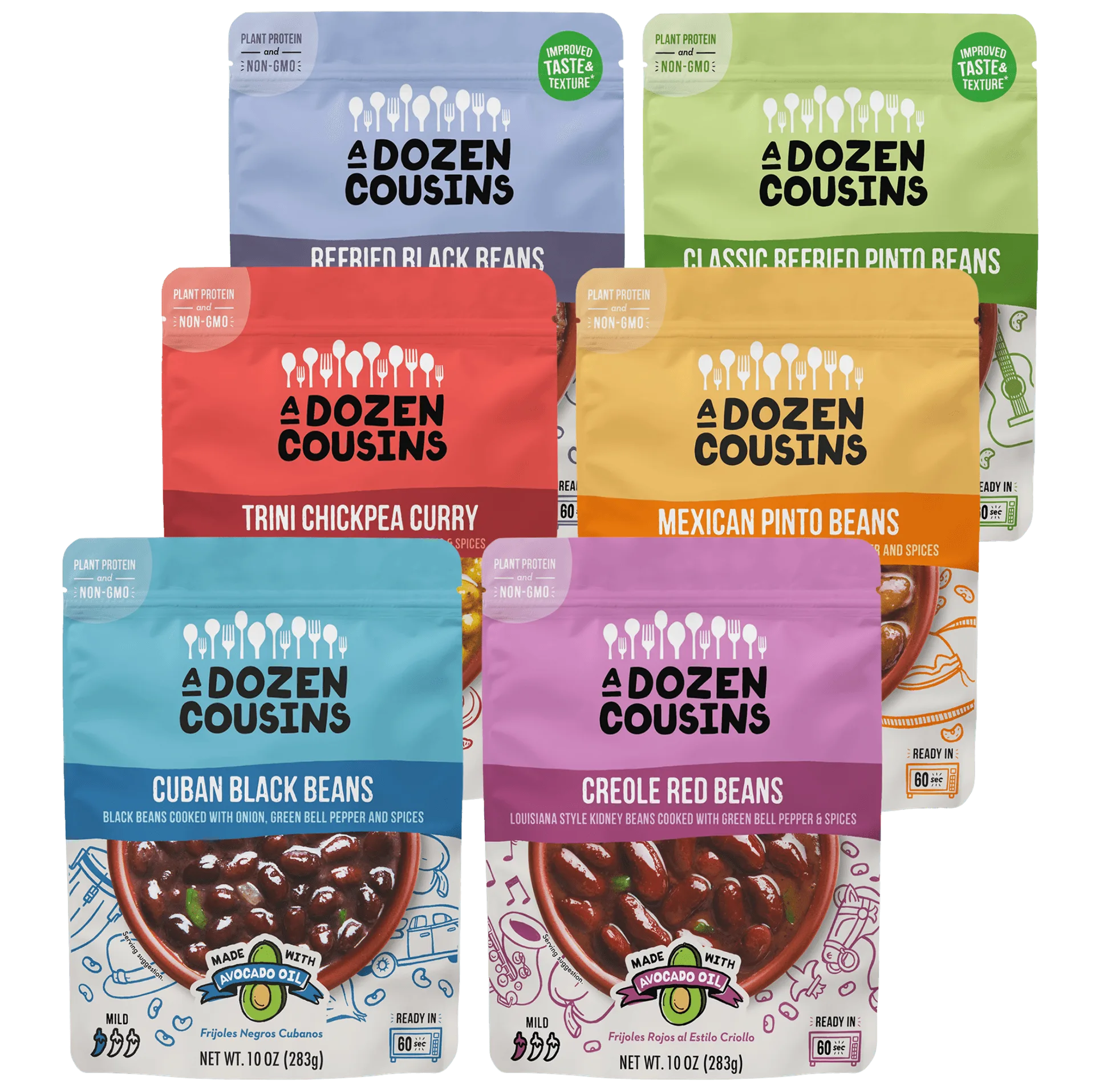
One of the biggest contributors to household food waste is the accumulation of half-used ingredients. A recipe might call for a tablespoon of adobo seasoning, a pinch of cumin, or a splash of vinegar—but the rest of those bottles often sit in the pantry until they expire. Pre-seasoned beans eliminate this problem entirely. Products like Cuban Black Beans or Creole Red Beans come ready to heat and serve, with the spices and aromatics already blended in. You get a complete flavor profile without having to buy multiple ingredients that may never be fully used.
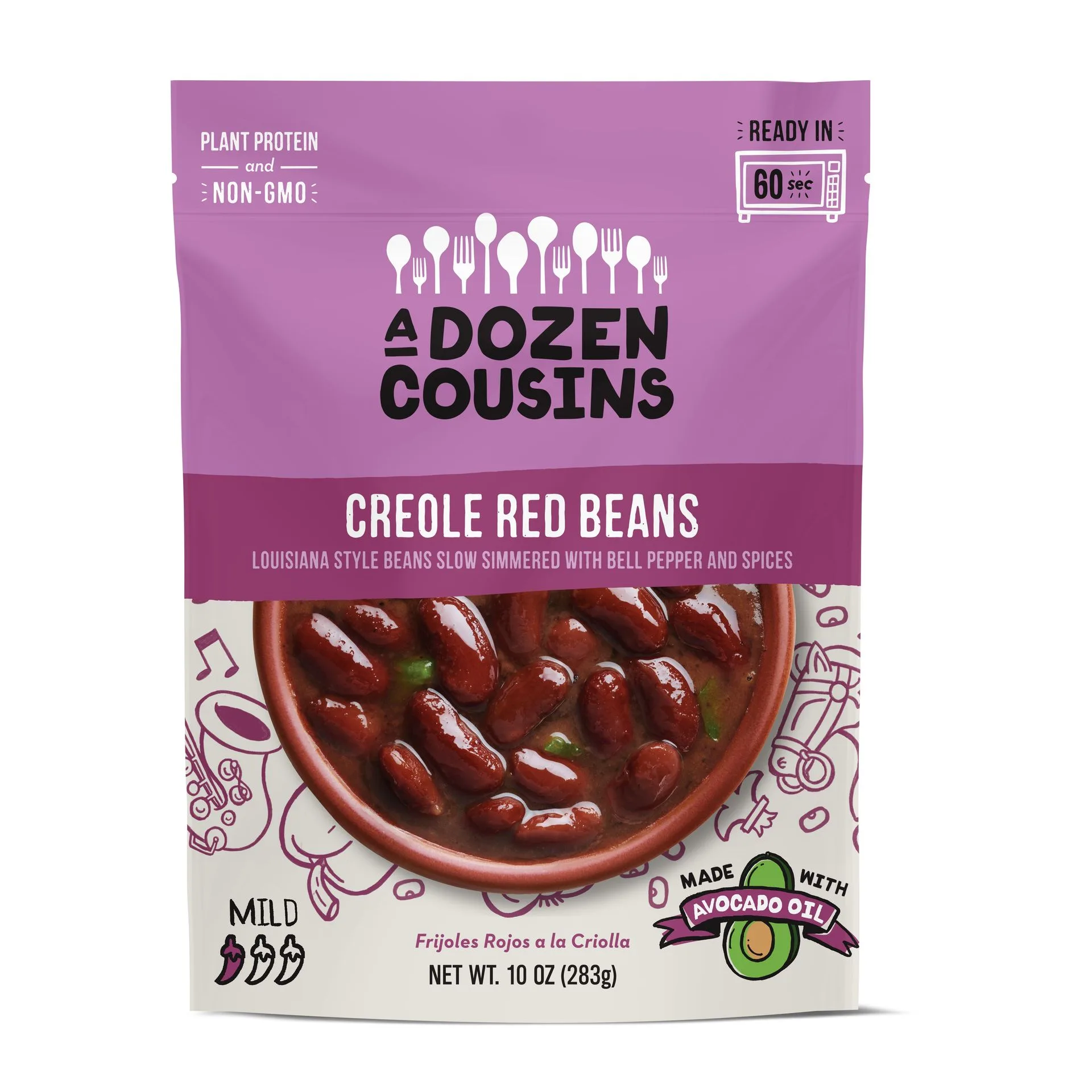
Creole Red Beans
Another major source of waste is cooking too much food. When you prepare dried beans from scratch, it’s easy to make a huge batch that goes uneaten. With pre-seasoned beans, each serving is portion-controlled. You can open exactly what you need for a meal—whether it’s a single can for lunch or a 12-pack for a family gathering—and save the rest for later. This precision helps prevent the all-too-common scenario of throwing away leftover beans that have sat in the fridge too long.
- Pre-seasoned beans eliminate the need for multiple spice jars that often expire before they’re used up.
- Portion-controlled packaging helps you cook only what you need, reducing leftovers that get thrown away.
- No more discarding half-used cans of tomato paste, chopped onions, or fresh herbs that wilt in the crisper drawer.
Sustainable Bean Cooking: Less Energy, Less Waste
Cooking dried beans from scratch requires hours of soaking and simmering, which consumes significant energy and water. Pre-seasoned beans, on the other hand, are fully cooked and only need a few minutes on the stove or in the microwave. This drastically reduces your kitchen’s energy footprint. When you consider the water used to soak beans overnight and the gas or electricity to boil them for an hour or more, the environmental savings add up quickly.
Additionally, pre-seasoned beans often come in recyclable packaging. Many brands, including those at A Dozen Cousins, use BPA-free cans or cartons that can be recycled after rinsing. By choosing these options, you’re supporting a circular economy where materials are reused rather than sent to a landfill. Pairing pre-seasoned beans with other zero-waste practices—like composting bean liquid (aquafaba) or using leftover bean broth in soups—further amplifies your sustainability efforts.
- Pre-cooked beans require 80-90% less cooking energy than dried beans.
- Recyclable packaging reduces landfill contribution compared to non-recyclable alternatives.
- Leftover bean liquid can be used as a vegan egg substitute or added to stews for extra flavor.
Building a Zero-Waste Pantry with Pre-Seasoned Beans
A zero-waste pantry is built on versatility, longevity, and minimal packaging waste. Pre-seasoned beans check all three boxes. They have a long shelf life—often 2-5 years—so you can stock up without worrying about spoilage. Their versatility means you can use them in countless dishes: tacos, burrito bowls, soups, salads, dips, and more. This reduces the temptation to buy specialty items that might only be used once.
To maximize your zero-waste pantry, consider variety packs that let you sample different flavors without committing to a full case of one type. For example, the BEAN VARIETY PACK (10 PACK) includes multiple bean varieties, so you can rotate meals and keep your palate excited while still minimizing waste. You can also use pre-seasoned beans as a base for meal prep—cook a batch at the start of the week and mix them into different lunches and dinners to ensure nothing goes uneaten.
- Stock up on long-shelf-life pre-seasoned beans to reduce frequent shopping trips and packaging waste.
- Use variety packs to explore different flavors without buying multiple single-variety cases.
- Incorporate pre-seasoned beans into meal prep to use every last bite before the week ends.
Eco-Friendly Beans: A Comparison with Canned and Dried Alternatives
When evaluating the environmental impact of beans, it’s helpful to compare pre-seasoned beans with their canned and dried counterparts. Traditional canned beans often contain added preservatives, high sodium, and BPA-lined cans. Dried beans require significant water and energy to cook, and any unused portion may go to waste. Pre-seasoned beans strike a balance: they are fully cooked with clean ingredients, packaged in eco-friendly materials, and portioned to match typical serving sizes.
For example, A Dozen Cousins’ Refried Black Beans are made with simple, recognizable ingredients and come in a package that can be recycled. They require no soaking, no seasoning guesswork, and no leftover half-cans of broth or spices. This makes them an ideal choice for anyone looking to reduce their kitchen’s carbon footprint without sacrificing taste or convenience. By choosing pre-seasoned beans, you’re actively supporting a food system that values efficiency, flavor, and sustainability.
- Pre-seasoned beans use less water and energy than cooking dried beans from scratch.
- They avoid the high sodium and preservatives often found in traditional canned beans.
- Recyclable packaging reduces waste compared to non-recyclable plastic or lined cans.
Zero-waste cooking doesn’t have to mean spending hours in the kitchen or giving up bold flavors. Pre-seasoned beans offer a simple, delicious way to reduce food waste, save energy, and build a more sustainable pantry. Start your journey today by exploring the Cuban Black Beans (12 Pack) and discover how easy eco-friendly cooking can be.