Pre-workout supplements are a popular way to boost energy, focus, and performance in the gym. However, for some people, they come with unwanted side effects like jitters, itching, or an energy crash later. Understanding these reactions and knowing how to manage them can help you get the benefits without the downsides.
In this guide, we'll break down the most common pre-workout side effects, explain why they happen, and give you practical strategies to minimize them. Whether you're new to pre-workouts or considering switching formulas, this information will help you make an informed choice.
Why Do Pre-Workouts Cause Side Effects?
Most pre-workout side effects come from active ingredients like caffeine, beta-alanine, niacin, and other stimulants. These compounds are designed to increase energy and blood flow, but they can also affect your nervous system and digestion. The intensity of side effects often depends on your tolerance, the dosage, and the specific blend of ingredients.
For example, caffeine is a strong stimulant that can cause jitters and anxiety if you're sensitive to it. Beta-alanine is known for causing a tingling sensation, while niacin can lead to flushing. Understanding these ingredients helps you identify which side effects you might experience and how to address them.
- Caffeine: can cause jitters, increased heart rate, and anxiety.
- Beta-alanine: causes a harmless tingling or itching sensation.
- Niacin: may cause skin flushing and warmth.
- Other stimulants: may lead to digestive upset or headaches.
Common Pre-Workout Side Effects and How to Manage Them
The most frequently reported pre-workout side effects include jitters, itching, nausea, and the dreaded energy crash. Each has a simple explanation and a few practical solutions.
Jitters are usually caused by too much caffeine or a sudden spike in stimulants. If you're prone to jitters, consider a lower-caffeine formula or split your dose. Itching, often from beta-alanine, is harmless but can be distracting. You can reduce it by taking smaller doses throughout the day or using a formula with a lower beta-alanine content.
- For jitters: reduce your dose, or switch to a stimulant-free pre-workout.
- For itching: take beta-alanine in smaller amounts or choose a product with a lower dose.
- For nausea: take pre-workout with food or drink more water.
- For crashes: avoid taking pre-workout too late in the day and consider a post-workout recovery supplement.
How to Choose a Pre-Workout That Minimizes Side Effects
Not all pre-workouts are created equal. Some contain high doses of stimulants, while others are designed to be gentler on your system. When choosing a pre-workout, look at the ingredient label and consider your tolerance. Start with a half scoop to assess your reaction before taking a full dose.
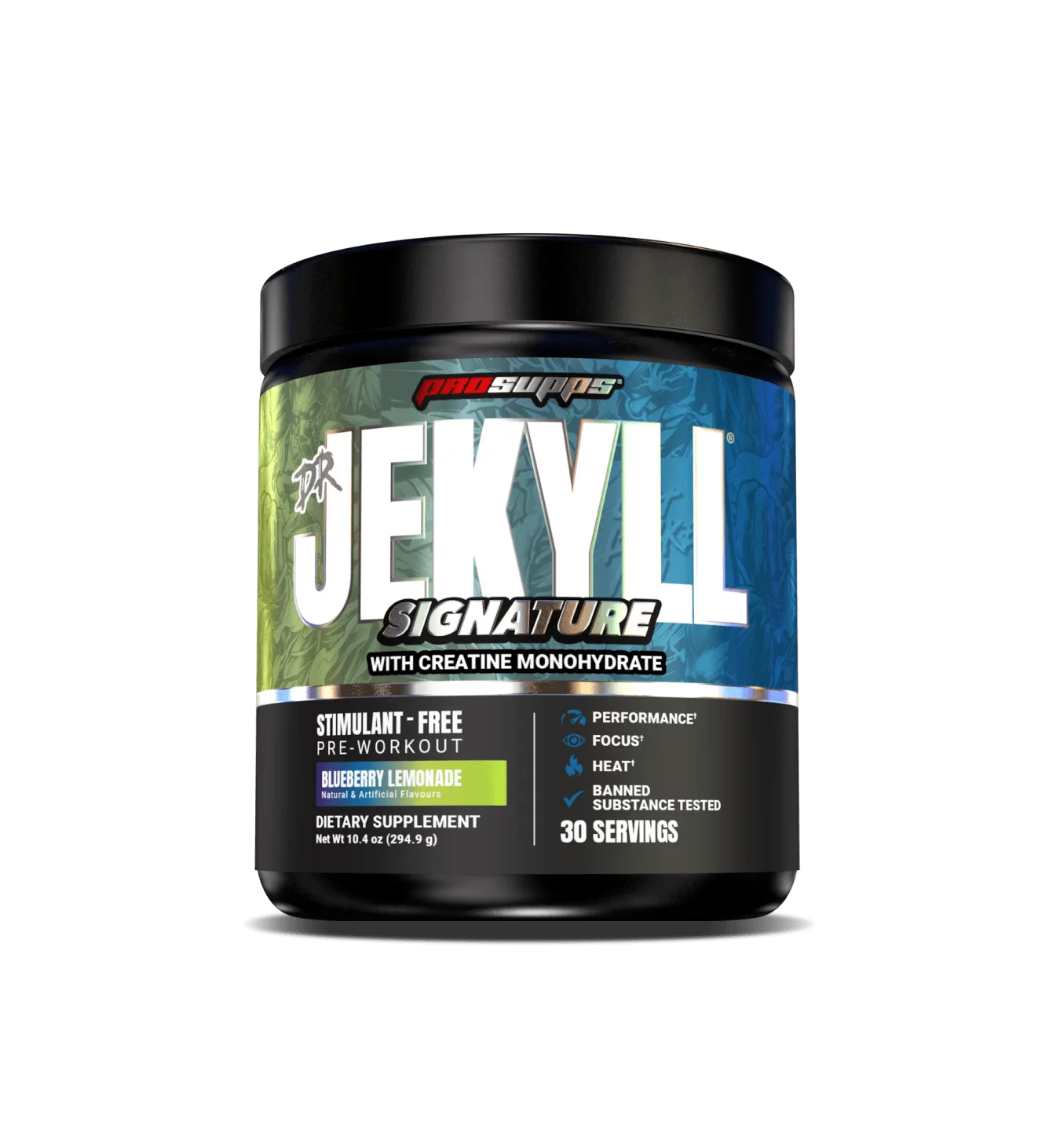
If you're sensitive to stimulants, you might prefer a formula like Dr. JEKYLL Signature V2, which is known for a smoother energy profile. Alternatively, if you're looking for a powerful pump without the jitters, consider a stimulant-free option like Pro Series Infinite Fully Loaded Pre-Workout, which focuses on performance without the caffeine spike.
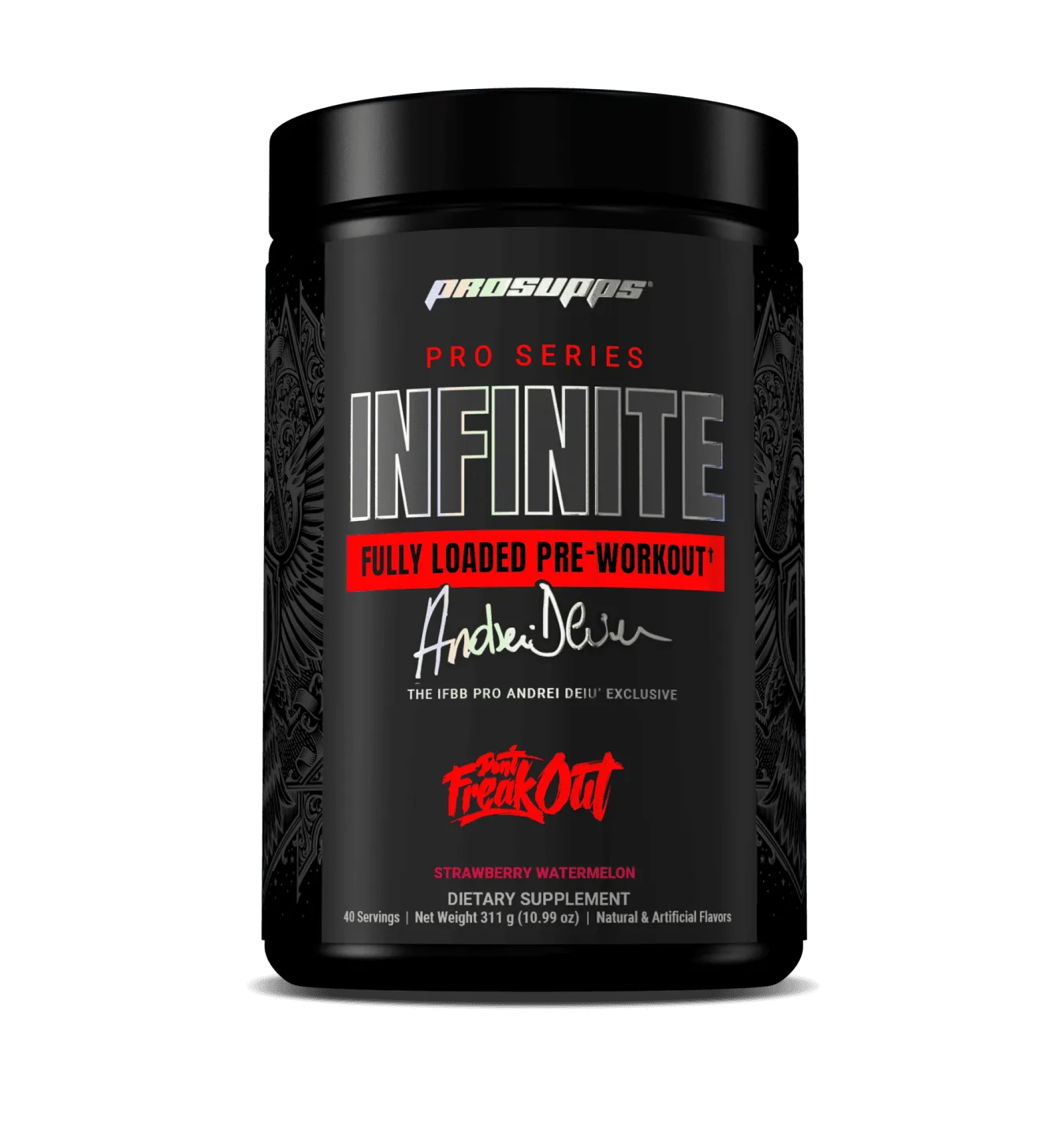
Pro Series Infinite Fully Loaded Pre-Workout
- Check the caffeine content: aim for 150-200 mg per serving if you're sensitive.
- Look for beta-alanine dosage: 1.6-3.2 g is common, but you can start lower.
- Consider your workout time: avoid high-stimulant pre-workouts in the evening.
Tips for Minimizing Side Effects During Your Workout
Even with the right product, you can experience side effects if you don't use it properly. Here are some practical tips to keep your workout comfortable and effective.
First, always follow the recommended dosage. More is not better when it comes to pre-workout. Second, drink plenty of water before and during your workout to stay hydrated. Third, avoid taking pre-workout on an empty stomach if you're prone to nausea. Finally, listen to your body—if you feel unwell, stop and rest.
- Start with a half scoop to test your tolerance.
- Take pre-workout 20-30 minutes before training.
- Mix with 8-12 oz of water and sip slowly.
- Avoid combining with other high-caffeine drinks like coffee.
When to See a Doctor
While most pre-workout side effects are mild and temporary, there are times when you should seek medical advice. If you experience chest pain, severe dizziness, irregular heartbeat, or an allergic reaction, stop using the product and consult a healthcare professional. These symptoms could indicate a more serious underlying issue.
It's also important to be aware of any pre-existing conditions like high blood pressure or heart problems. If you have any health concerns, talk to your doctor before starting any supplement regimen.
- Seek immediate medical help for chest pain, fainting, or severe shortness of breath.
- Talk to your doctor if you have high blood pressure or heart conditions.
- If you're pregnant or nursing, avoid pre-workouts unless approved by your doctor.
Pre-workout supplements can be a great tool for boosting your performance, but it's important to use them wisely. By understanding the common side effects and following the tips above, you can minimize discomfort and get the most out of your training. Remember to start with a lower dose, stay hydrated, and listen to your body. If you're looking for a pre-workout that balances effectiveness with gentleness, consider trying Dr. JEKYLL Signature V2 or Pro Series Infinite Fully Loaded Pre-Workout. Always consult with a healthcare professional if you have any concerns.