Pregnancy brings a whirlwind of changes, and your oral health is no exception. Hormonal shifts can make your gums more sensitive and increase the risk of gingivitis, while morning sickness can introduce stomach acid that wears down enamel. Maintaining a consistent oral care routine is more important than ever—not just for your own comfort, but for your baby's development too.
The good news is that you don't need to overhaul your entire routine. With the right products and a few adjustments, you can keep your teeth and gums healthy throughout your pregnancy. In this guide, we'll walk you through a safe, effective oral care routine tailored to expectant mothers, highlighting products that are gentle yet powerful.
Why Oral Care Matters During Pregnancy
Pregnancy hormones, particularly estrogen and progesterone, can affect your body's response to plaque, leading to a condition known as pregnancy gingivitis. Symptoms include red, swollen, or bleeding gums, which typically appear in the second trimester. If left untreated, gingivitis can progress to more serious periodontal disease, which has been linked to preterm birth and low birth weight.
Additionally, morning sickness can expose your teeth to stomach acid, which erodes enamel and increases sensitivity. Cravings for sugary snacks can also raise your risk of cavities. By prioritizing your oral hygiene, you not only protect your smile but also reduce potential risks for your baby.
- Brush at least twice a day with a soft-bristled toothbrush.
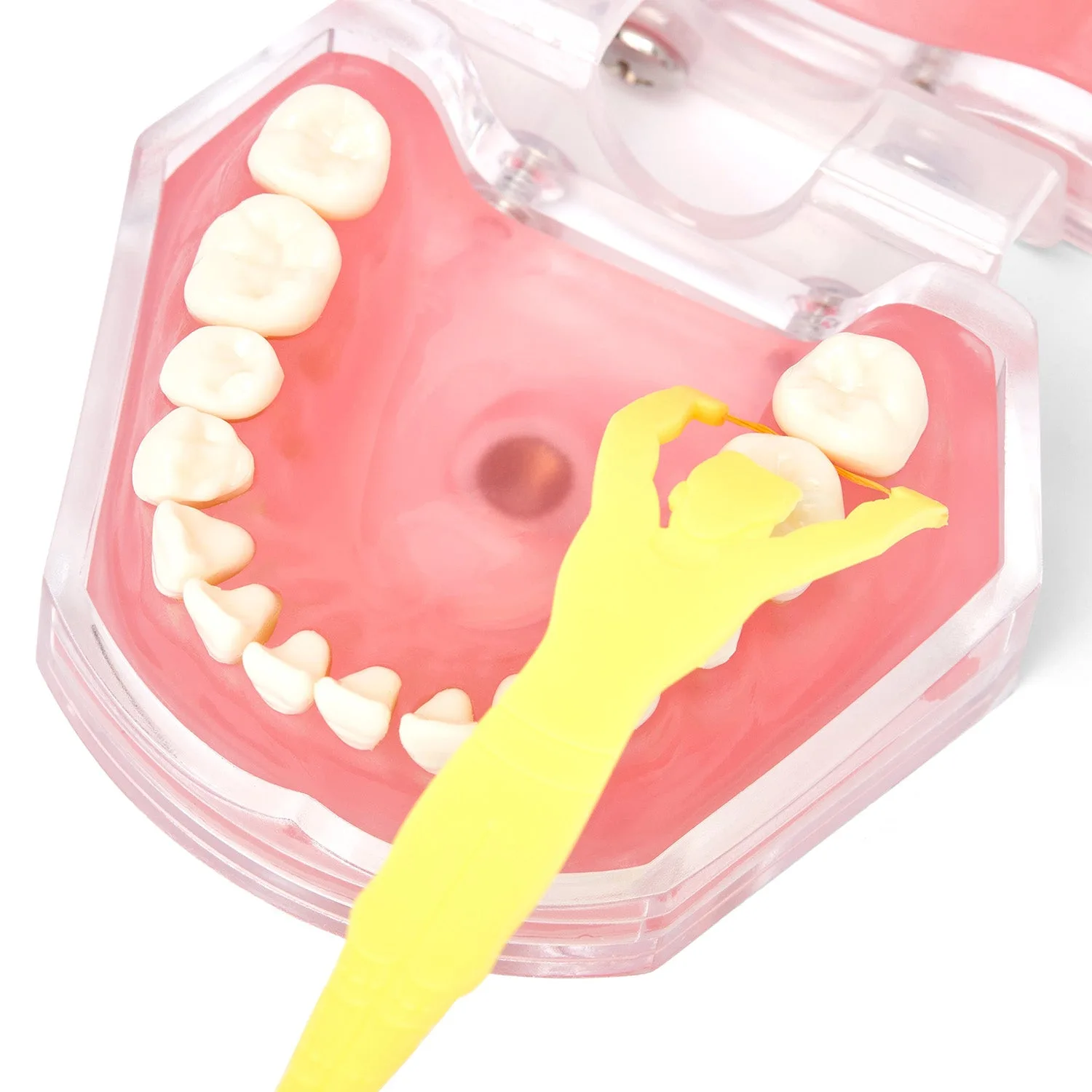
- Floss daily to remove plaque between teeth.
- Use a mouthwash that is safe for pregnancy.
Choosing the Right Toothbrush and Toothpaste
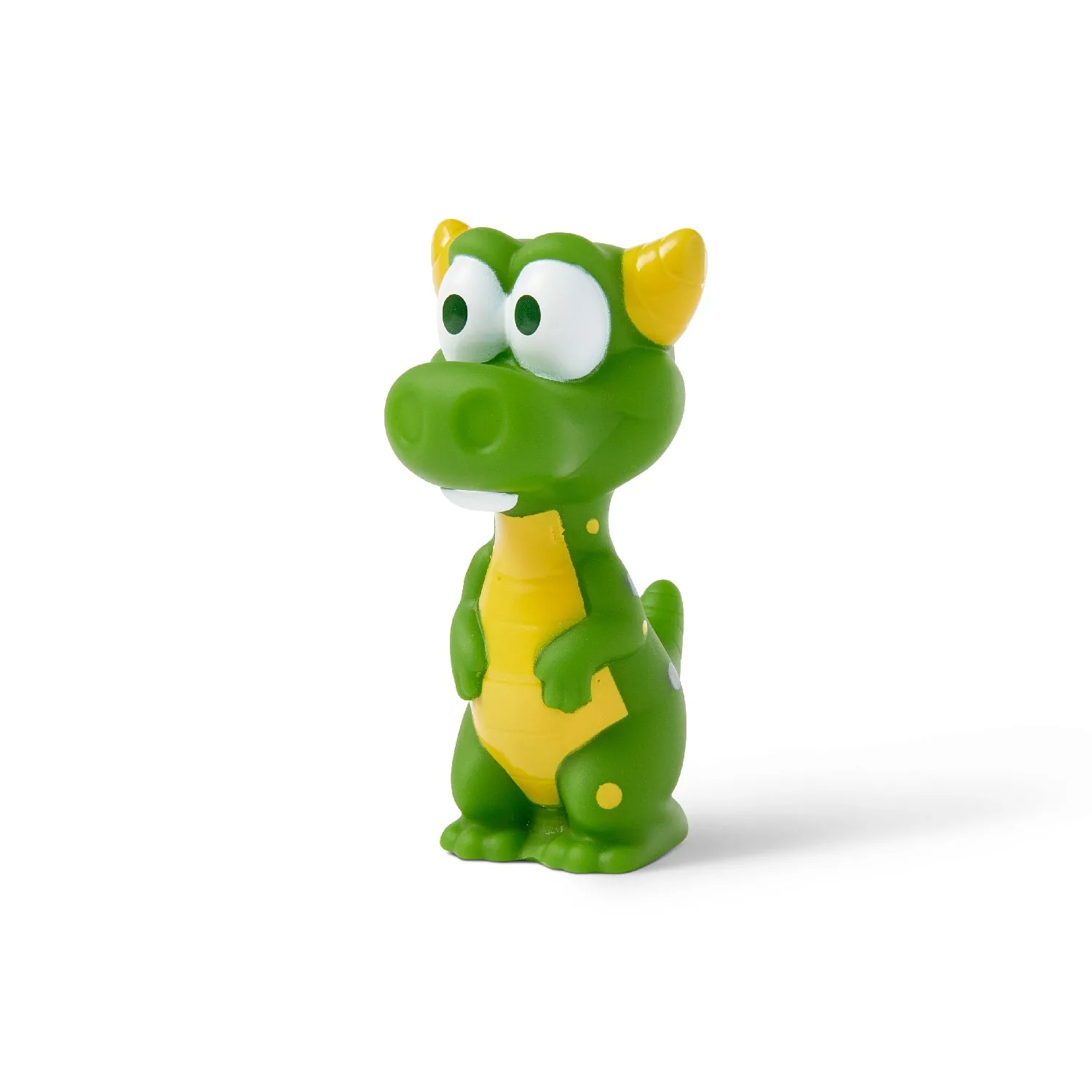
Selecting the right tools is the first step. A soft-bristled toothbrush is gentle on sensitive gums and effective at removing plaque. If you're experiencing gum tenderness, consider a toothbrush with a smaller head for better maneuverability. For those who prefer a fun and practical option, the Flossosaurus Floss Dispenser and Nightlight can make flossing more enjoyable, encouraging consistency.
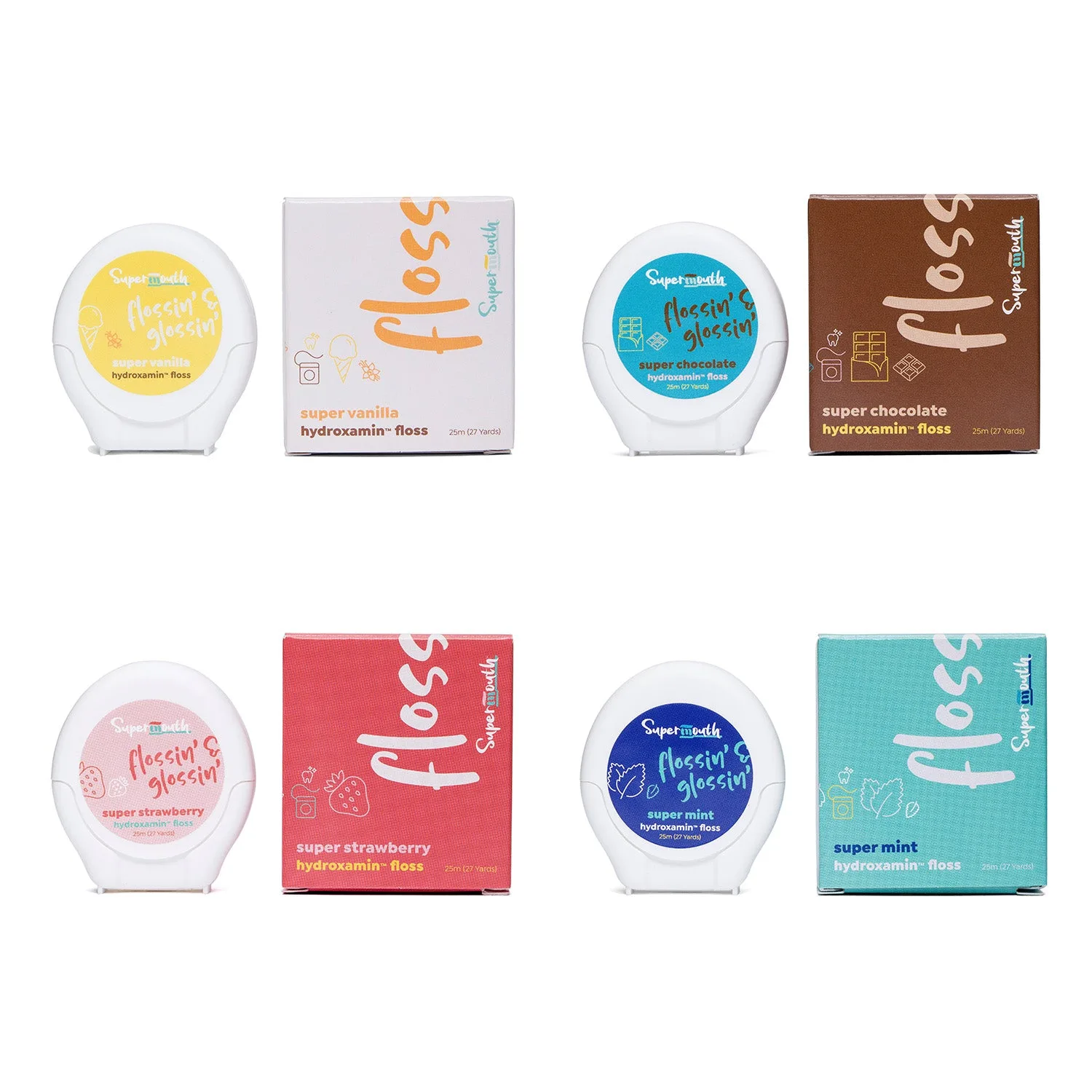
Flossosaurus Floss Dispenser and Nightlight
When it comes to toothpaste, fluoride is a topic of debate. Many expectant mothers prefer to avoid fluoride due to concerns about ingestion. supermouth-293690">supermouth-293688">supermouth-orthodontic-toothpaste-293724">SuperMouth Orthodontic Toothpaste is a great alternative—it's fluoride-free and uses hydroxyapatite, a safe and effective ingredient that strengthens enamel and reduces sensitivity. Always consult your dentist to ensure your choice meets your specific needs.
- Look for toothpaste with hydroxyapatite if you prefer fluoride-free options.
- Replace your toothbrush every three months or sooner if bristles fray.
- Consider a toothbrush with a comfortable grip to avoid slipping.
The Role of Mouthwash in Your Routine
Mouthwash can be a valuable addition, especially if you're dealing with morning sickness or a dry mouth. However, not all mouthwashes are created equal. Many contain alcohol, which can be drying and irritating. Opt for an alcohol-free, pregnancy-safe mouthwash like SuperMouth Fluoride-Free Hydroxyapatite Mouthwash. It not only freshens breath but also helps remineralize teeth without any harsh chemicals.
For on-the-go freshness, SuperMouth MouthSpray is a convenient option. It's perfect for neutralizing odors after a snack or when you can't brush immediately. Plus, it's compact enough to keep in your purse or car, ensuring your mouth feels clean throughout the day.
- Rinse with mouthwash after brushing to reach areas your brush can't.
- Use mouth spray after meals if brushing isn't possible.
- Check labels for alcohol-free and pregnancy-safe formulations.
Managing Morning Sickness and Acid Exposure
Morning sickness can wreak havoc on your teeth. After vomiting, avoid brushing immediately, as the acid softens enamel and brushing can cause damage. Instead, rinse your mouth with water or a fluoride mouthwash, then wait at least 30 minutes before brushing. You can also neutralize acid by rinsing with a baking soda solution (one teaspoon in a cup of water).
If you experience frequent acid exposure, consider using a toothpaste that contains hydroxyapatite, which helps repair early enamel damage. SuperMouth Orthodontic Toothpaste is an excellent choice, as it's designed to be gentle yet effective. Remember to stay hydrated and chew sugar-free gum to stimulate saliva, which naturally washes away acid.
- Rinse with water or mouthwash immediately after vomiting.
- Wait 30 minutes before brushing to protect enamel.
- Chew sugar-free gum to increase saliva flow.
Additional Tips for a Healthy Pregnancy Smile
Beyond your daily routine, there are other steps you can take to support your oral health. Maintain a balanced diet rich in calcium and vitamin D for strong teeth and bones. Limit sugary snacks and beverages, and opt for healthier options like fruits, vegetables, and dairy products.
Regular dental check-ups are safe during pregnancy, so don't skip them. Inform your dentist that you're pregnant so they can adjust your care if needed. Also, consider using a tongue scraper to remove bacteria and freshen breath—it's a simple addition that can make a big difference.
- Eat a nutrient-dense diet with plenty of calcium.
- Stay hydrated and avoid sugary drinks.
- Schedule a dental check-up in your second trimester.
Pregnancy is a time to prioritize self-care, and your oral health is a vital part of that. By following this safe and effective routine, you can maintain a healthy smile for you and your baby. Remember to choose products that are gentle and free from harmful chemicals. Explore SuperMouth's range of pregnancy-safe oral care products to find everything you need for a confident, healthy smile.