Quick Answer
If you're considering a premenstrual or menopause patch, start by matching the patch to your main symptom and using it consistently on clean, dry skin. Give it a fair trial of at least a few weeks, but stop and talk to a doctor if symptoms worsen or new ones appear.

premenstrual
Match the Patch to Your Main Symptom
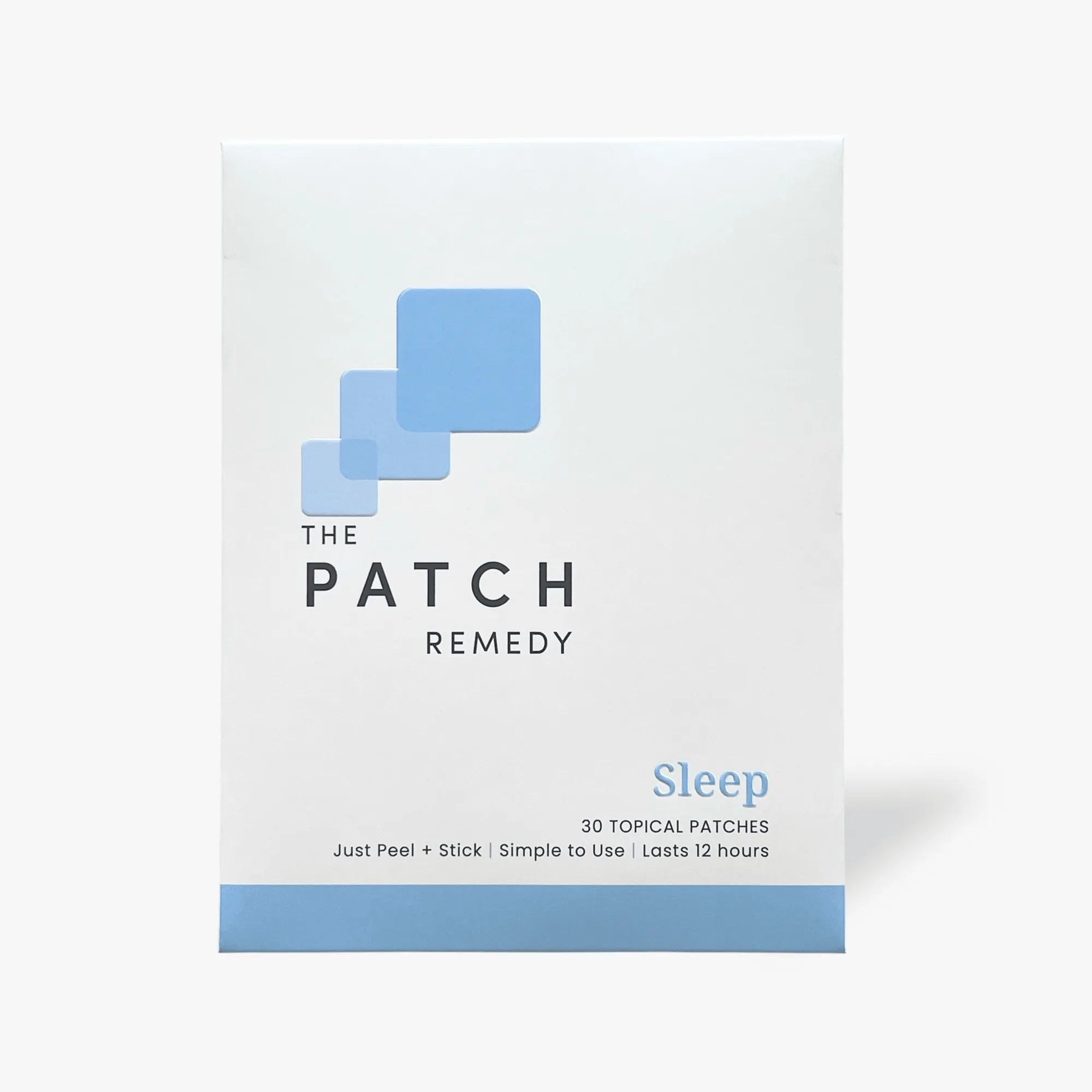
Not all patches are the same. For premenstrual symptoms like mood swings, cramps, or irritability, look for patches formulated with botanicals traditionally used for hormonal balance. For menopause symptoms such as hot flushes, night sweats, or sleep disruption, choose a patch designed for those specific concerns. Reading the ingredient list helps you avoid a mismatch. If a patch claims to do everything, be skeptical—no single patch can address every symptom.
sleep
Apply Correctly for Best Results
Patch placement matters. Apply to clean, dry, hairless skin—typically the upper arm, shoulder, or hip. Avoid areas with lotions, oils, or excessive hair, as these can prevent proper adhesion. Rotate the site each day to reduce skin irritation. If a patch starts to lift, press it down firmly; if it falls off, replace it with a new one. Do not cut patches unless the manufacturer says it's safe.
Set Realistic Expectations and Track Progress
Patches are not instant fixes. Hormonal symptoms often fluctuate, so it can take several cycles to notice a difference. Keep a simple symptom diary to track changes in mood, sleep, or hot flushes. This helps you see patterns and decide if the patch is helping. If you see no improvement after a fair trial—usually one to two months—it may be time to try a different approach.
Symptom Check: Is a Patch Right for You?
- Symptom: Mild, predictable hormonal symptoms: You notice hot flushes, mood shifts, or sleep changes that follow a pattern and don't disrupt daily life. A patch may be a reasonable option to try. Start with a product matched to your main symptom.
- Symptom: Severe or worsening symptoms: Your symptoms interfere with work, relationships, or sleep, or you have new symptoms like chest pain or unusual bleeding. Stop using patches and see a healthcare provider. Patches are not a substitute for medical care.
- Symptom: No improvement after a fair trial: You've used the patch consistently for 1–2 months and see no meaningful change. Consider another option or consult a doctor. Not every product works for every person.
Product Facts
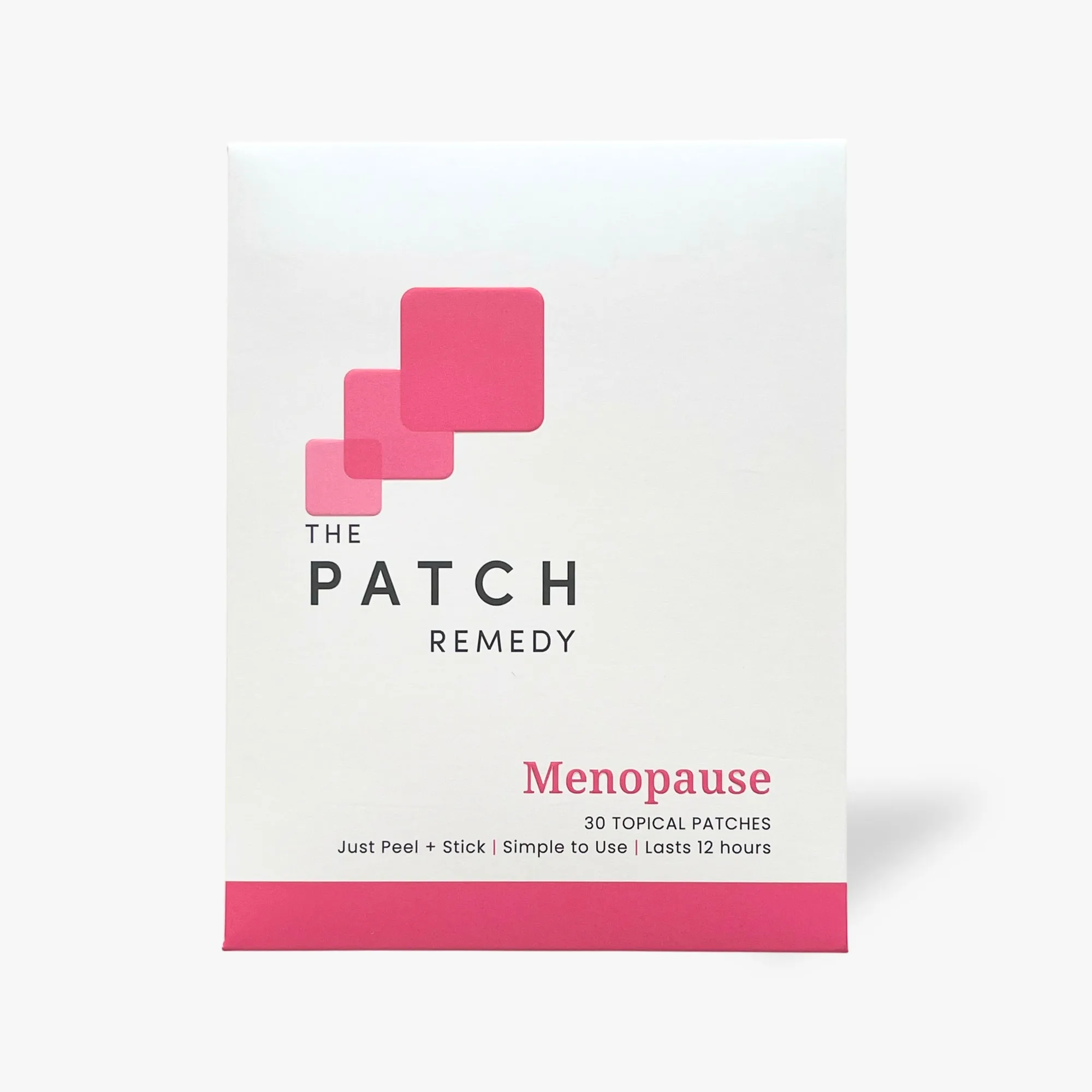
- Menopause: Daily support for hot flushes, mood, sleep and other menopause symptoms. This patch is designed for menopause-specific concerns, making it a logical starting point if those are your primary symptoms.
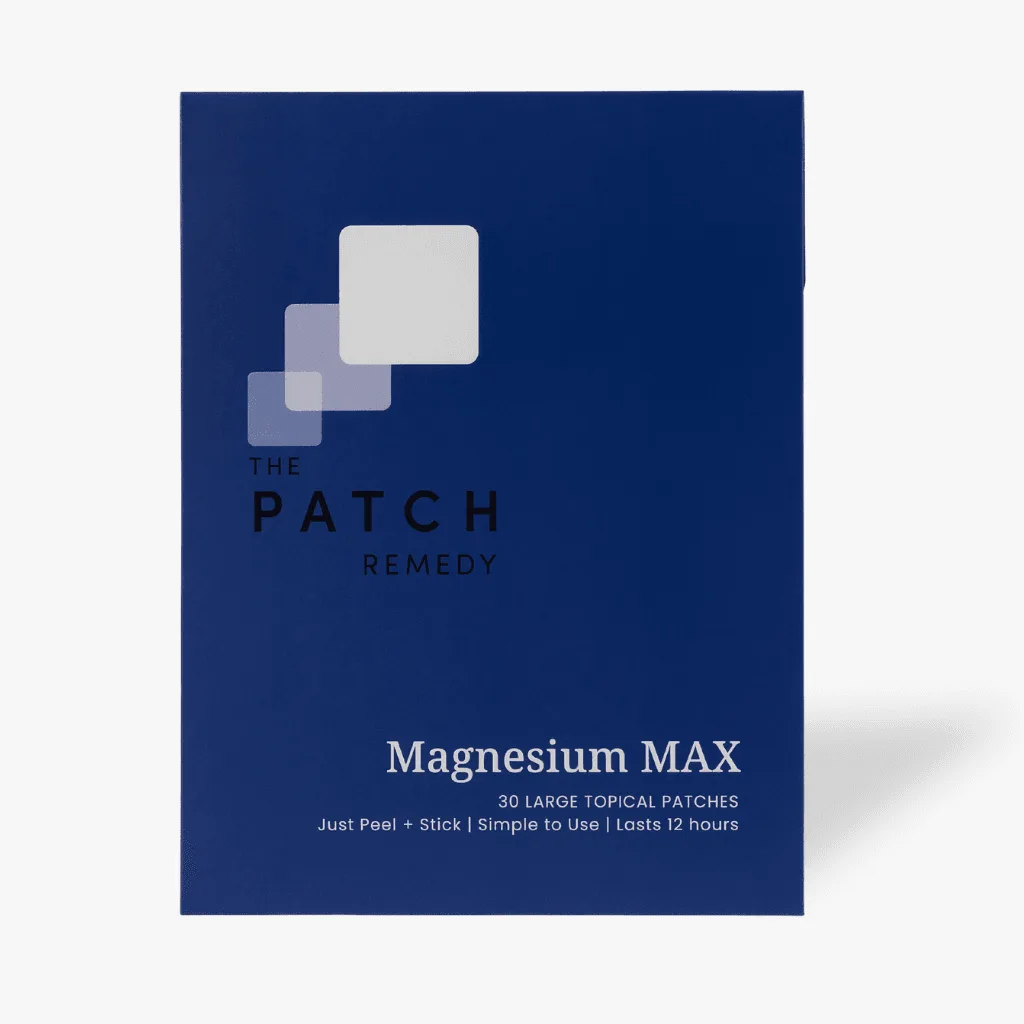
- Magnesium MAX: 75mg of magnesium glycinate per patch. Magnesium glycinate is often used for muscle recovery and tension. If your premenstrual symptoms include cramps or physical tension, this patch may offer targeted support.