Quick Answer
Choose premium dried fruit when you want a light, portable snack that can count toward your five-a-day and won't melt. Choose chocolate-dipped fruit when the goal is an indulgent treat with a richer texture and flavour contrast. If you're undecided, buy both: keep plain dried fruit for everyday snacking and a chocolate-dipped option for occasions.
What Actually Separates the Two
The difference isn't just sweetness — it's what's been added. Plain dried fruit is fruit with the water removed, so the flavour is concentrated but the ingredient list stays short. Chocolate-dipped fruit is dried fruit that has been coated, which adds fat, sugar and cocoa solids to every piece.
That single step changes how the snack behaves. A chocolate coating softens in a warm bag or car, so it needs cooler storage than plain dried fruit. It also changes how many pieces you eat in one sitting: coated fruit reads as confectionery, so portions tend to be smaller and more deliberate.
One useful reference point: 30g of dried fruit equates to one of your five-a-day. Chocolate-dipped fruit doesn't carry that same equivalence, because the coating is an addition rather than part of the fruit itself. If you're tracking fruit intake, that distinction matters more than the flavour.
Compare Named Options on the Facts
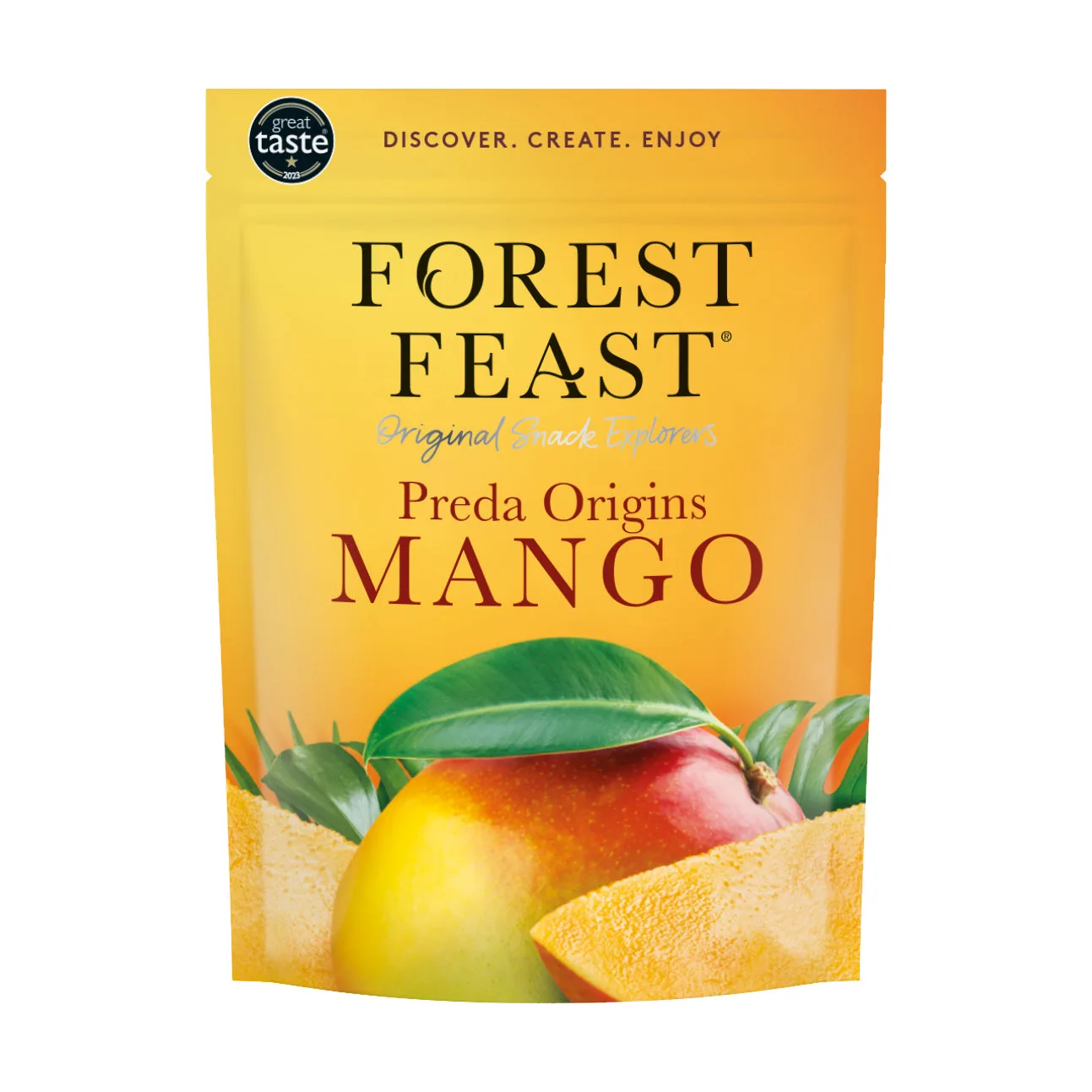
Take two products from the same fruit. Preda Origins Mango is single-origin Carabao mango sourced from the Philippines, with a long-standing partnership supporting rural mango farming communities and sustainable agricultural education. It's plain dried fruit, and 30g counts as one of your five-a-day.
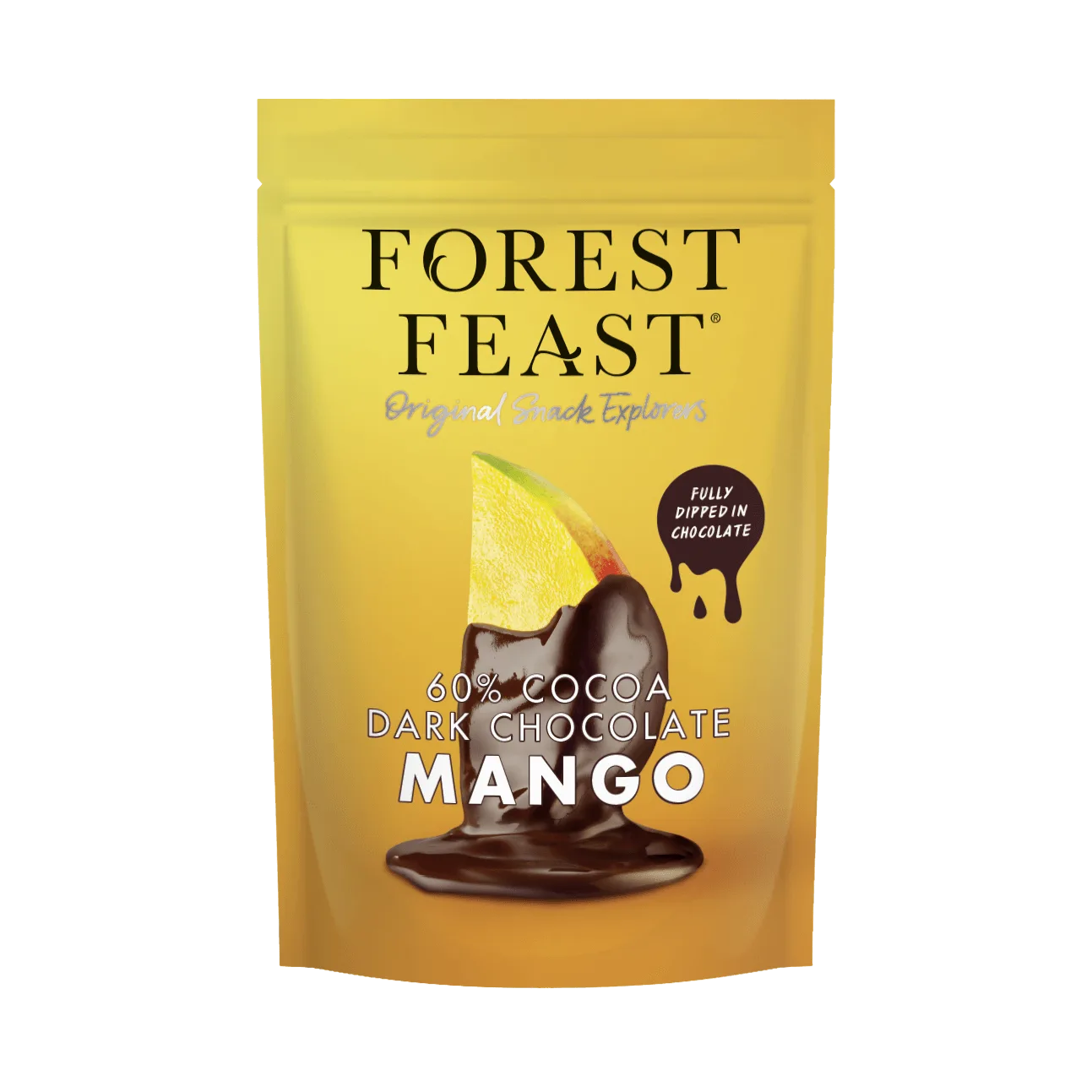
60% Cocoa Dark Chocolate Mango starts from dried mango sourced from the warm tropics, then submerges it in 60% cocoa dark chocolate. The fruit is the same starting point; the coating is the whole difference. If you like mango but find plain dried mango too intense, the chocolate version softens that intensity with cocoa.
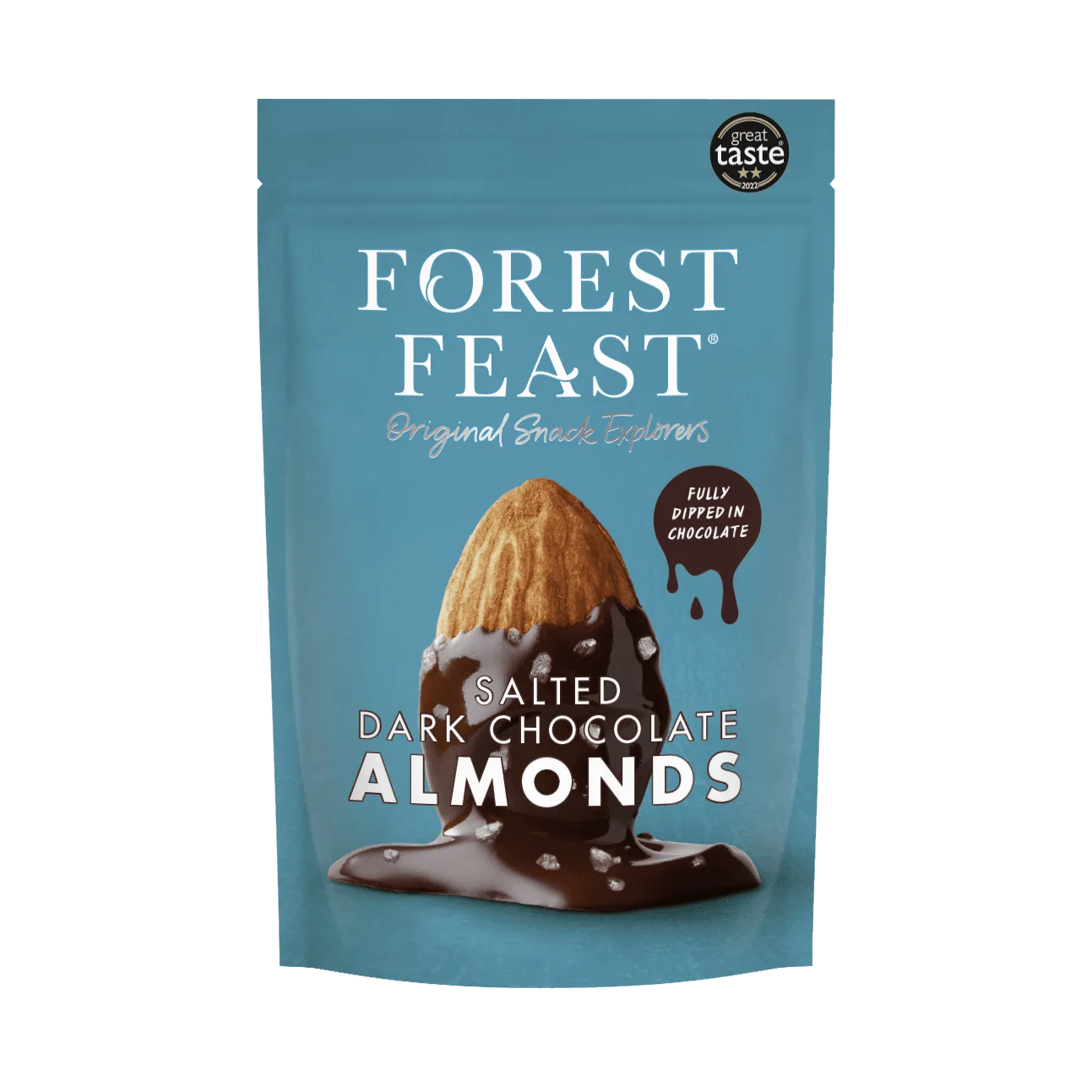
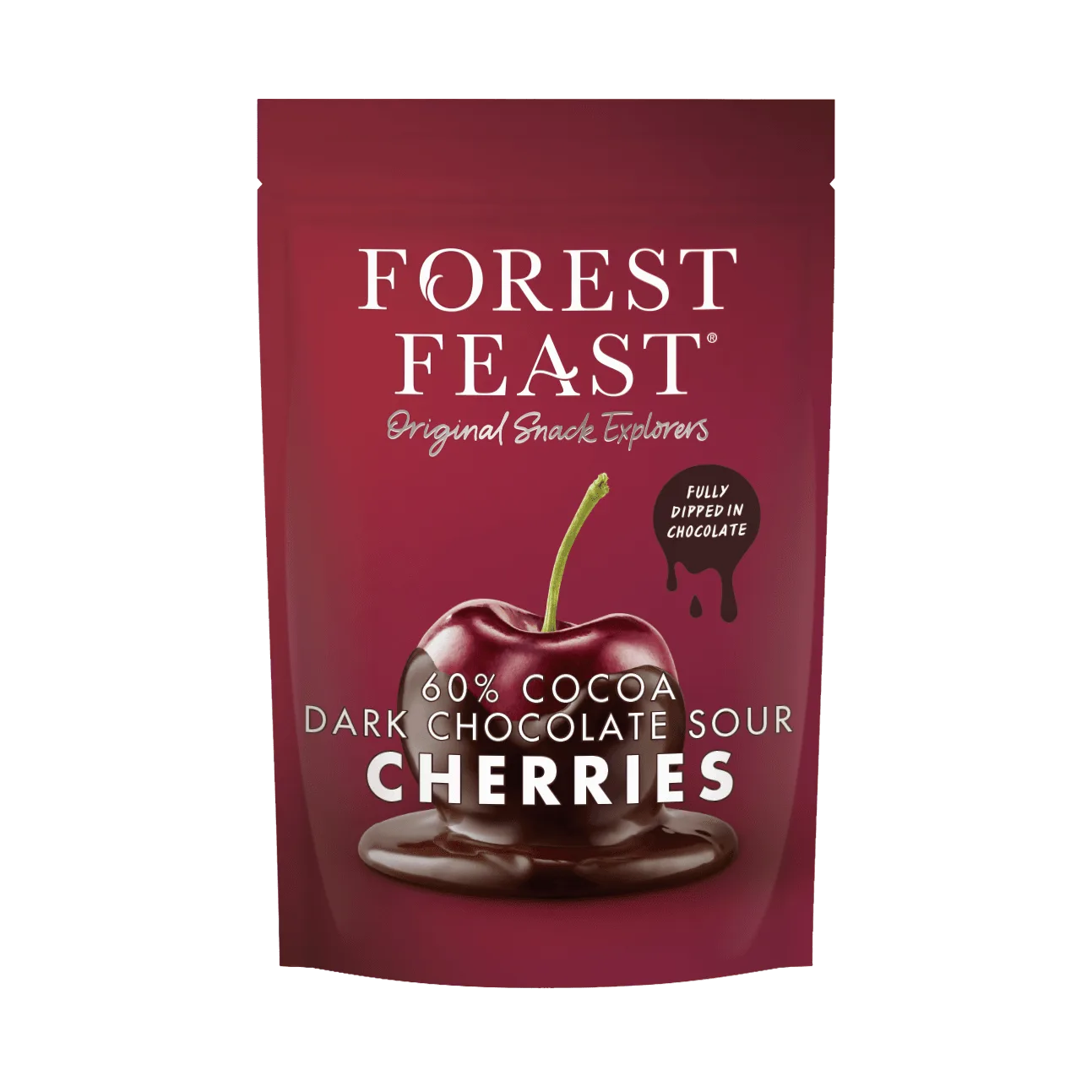
Dark Chocolate Sour Cherries take a different route. Sour cherries are immersed in 60% cocoa dark chocolate to create a sweet-and-tart contrast. Because cherries are naturally sharper than mango, the chocolate reads as a balance rather than a blanket. Salted Dark Chocolate Almonds sit in the nut category: skin-on almonds are oven roasted, drenched in Belgian dark chocolate, then finished with salt and a dusting of cocoa for a sweet-salty result.
Storage, Portability and Everyday Practicalities
Plain dried fruit is the easier travel companion. It doesn't melt, it survives being squashed at the bottom of a bag, and it can sit in a desk drawer for weeks without changing character. That makes it the safer default for commutes, hikes and lunchboxes.
Chocolate-dipped fruit and nuts need a little more care. Keep them out of direct sun and away from warm car interiors, and expect the chocolate to soften if you carry them in a pocket. The trade-off is worth it when you're eating at a table rather than on the move.
There's also a cost-per-occasion angle. Because chocolate-dipped pieces are richer, a smaller handful usually satisfies. Plain dried fruit is lighter, so you may go through a pack faster if you snack frequently.
How to Decide in the Shop
Ask what job the snack needs to do. If it's fuel between meals, replacing a fresh fruit serving, or something to keep in a bag for days, plain dried fruit wins. If it's a dessert substitute, a gift, or something to share after dinner, chocolate-dipped fruit is the better fit.
If you're choosing between dried mango and chocolate mango specifically, think about whether you want the fruit to be the whole experience or the base of a richer one. Plain mango delivers the fruit flavour undiluted; the 60% cocoa version turns it into something closer to confectionery.
Buying a pack of each is a reasonable strategy rather than a compromise. They don't compete for the same moment, so they won't sit unused next to each other.
Trade-Offs at a Glance
- Fruit-serving clarity: Plain dried fruit such as Preda Origins Mango carries a stated equivalence: 30g equals one of your five-a-day. Chocolate-dipped fruit does not, because the coating is an addition. Pick plain dried fruit if you're counting fruit servings.
- Ingredient simplicity: Plain dried fruit keeps the ingredient list short. Chocolate-dipped options add cocoa, sugar and fat — necessary for the flavour, but a real change to what you're eating. Read the label if simple ingredients are your priority.
- Handling and storage: Plain dried fruit tolerates warm bags and being squashed. Chocolate-dipped fruit and nuts soften in heat and need cooler, flatter storage. Choose plain for travel; choose chocolate-dipped for home or gifting.
- Portion behaviour: Chocolate-dipped pieces are richer, so a smaller handful tends to satisfy. Plain dried fruit is lighter and easier to eat through quickly. Match the format to how much you actually want to eat in one go.
- Flavour contrast: Dark Chocolate Sour Cherries use 60% cocoa to offset a naturally tart fruit; 60% Cocoa Dark Chocolate Mango softens a sweeter one. Salted Dark Chocolate Almonds add salt and cocoa for a sweet-salty finish. Choose the pairing that balances the fruit you already like.
Product Facts
- Preda Origins Mango: Single-origin Carabao mango sourced from the Philippines through a long-standing partnership with the Preda Organisation that supports rural mango farming communities and sustainable agricultural education; 30g of dried fruit equates to one of your five-a-day. This is the plain-fruit benchmark: no coating, a clear fruit-serving equivalence, and origin traceability you can actually read on the pack.
- 60% Cocoa Dark Chocolate Mango: Dried mango sustainably sourced from the warm tropics, submerged in 60% cocoa dark chocolate. Same fruit, added cocoa — the direct answer to dried mango vs chocolate mango, and the richer option when you want a treat rather than a fruit serving.
- Dark Chocolate Sour Cherries: Sour cherries completely immersed in 60% cocoa dark chocolate, creating a sweet-and-tart contrast. Best when you want the chocolate to balance a sharp fruit rather than dominate it; a good pick if plain dried cherries would be too sour on their own.
- Salted Dark Chocolate Almonds: Skin-on almonds oven roasted, drenched in Belgian dark chocolate, then finished with a sprinkling of salt and a dusting of cocoa. The nut-based alternative if you want a sweet-salty bite with more crunch and staying power than fruit alone.
Which Should You Buy?
Choose premium dried fruit if you...
- want a snack that can count toward your five-a-day (30g equals one serving)
- need something that survives a warm bag, a commute or a lunchbox without melting
- prefer a short ingredient list and the fruit flavour undiluted
- are stocking a desk drawer or glovebox for everyday snacking
Choose chocolate-dipped fruit or nuts instead if you...
- want a dessert-style treat rather than a fruit serving
- are putting together a gift or sharing plate where richness matters
- will be eating somewhere cool and seated, not on the move
- find plain dried fruit too intense and want cocoa to soften it