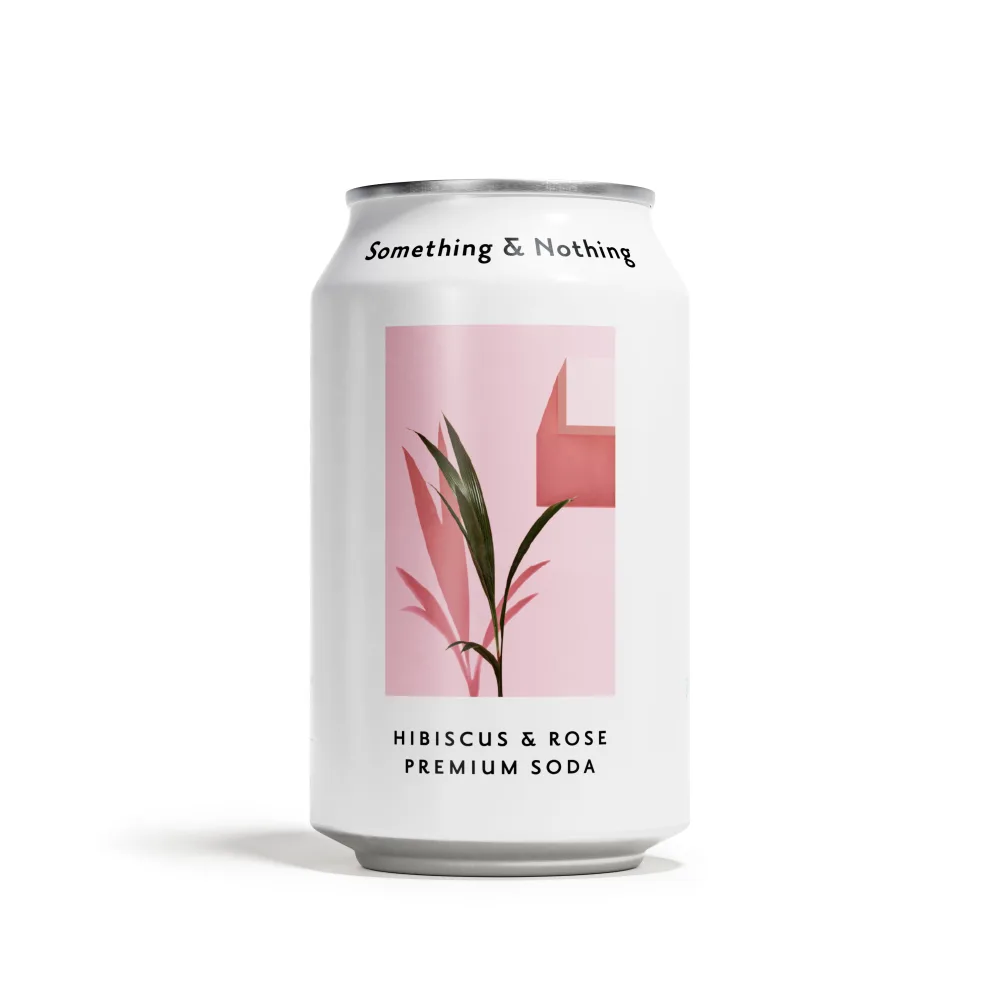
In the ever-expanding universe of fizzy drinks, two contenders have risen to the top for health-conscious consumers: premium soda and kombucha. Both offer a bubbly escape from plain water, but they come from very different brewing traditions and nutritional philosophies. If you’ve ever stood in the grocery aisle wondering which one truly deserves a spot in your fridge, you’re not alone.
This guide breaks down the key differences between premium soda and kombucha—from ingredients and fermentation to sugar content and gut health benefits. By the end, you’ll know exactly which beverage aligns with your wellness goals and taste preferences.
What Defines a Premium Soda?
Premium soda is a category that elevates the classic soft drink experience. Unlike mass-market sodas loaded with high-fructose corn syrup and artificial flavors, premium sodas are crafted with real fruit juices, natural sweeteners, and botanical extracts. They often contain fewer calories and less sugar, making them a smarter choice for everyday refreshment.
Brands like Something & Nothing focus on simplicity and quality. Their sodas are made with sparkling water, natural fruit essences, and a touch of organic agave or cane sugar. The result is a clean, crisp taste that satisfies your craving for bubbles without the chemical aftertaste. For example, the Pineapple & Pink Grapefruit flavor offers a zesty, tropical burst that feels indulgent yet light.
- Made with real fruit juices and natural sweeteners
- Typically lower in sugar than conventional sodas
- No artificial colors, flavors, or preservatives
- Often vegan and gluten-free
What Makes Kombucha Unique?
Kombucha is a fermented tea beverage that has been enjoyed for centuries. It’s made by adding a symbiotic culture of bacteria and yeast (SCOBY) to sweetened black or green tea, then allowing it to ferment for one to three weeks. This process produces a tangy, effervescent drink rich in probiotics, organic acids, and antioxidants.
The fermentation also reduces the sugar content significantly, though residual sugar remains. Kombucha’s live cultures are its main health claim, as they can support digestive health and immune function. However, the taste is distinctly vinegary and earthy, which not everyone loves. For those who prefer a cleaner, fruit-forward fizz, premium soda offers a more approachable alternative.
- Contains live probiotics from fermentation
- Rich in B vitamins and antioxidants
- Tangy, slightly acidic flavor profile
- Can vary widely in taste and quality between brands
Gut Health: Probiotics vs. Prebiotics
When it comes to gut health, kombucha has the clear edge in probiotics—live beneficial bacteria that can populate your microbiome. However, the probiotic content in commercial kombucha is often inconsistent due to pasteurization or storage conditions. Many brands also add extra sugar or flavorings that can offset the benefits.
Premium soda, on the other hand, doesn’t contain live probiotics, but it can be a source of prebiotics if made with ingredients like agave inulin or chicory root. Prebiotics feed the good bacteria already in your gut. For most people, a balanced diet with fermented foods and prebiotic-rich drinks is ideal. If you’re simply looking for a delicious, low-sugar bubbly drink, premium soda is a fantastic choice.
- Kombucha: live probiotics (but variable potency)
- Premium soda: can include prebiotic fibers
- Both can be part of a gut-friendly diet
- Check labels for added sugars and artificial ingredients
Sugar and Calorie Comparison
Sugar content is a major factor when choosing between these two drinks. A typical 12-ounce kombucha contains 4–8 grams of sugar, while a premium soda like Something & Nothing’s Mango & Thai Basil has around 6–10 grams per can. Both are far lower than the 39 grams found in a standard cola.
Calorie-wise, kombucha usually ranges from 30–60 calories per serving, and premium sodas hover around 40–70 calories. The difference is negligible for most people. What matters more is the quality of the sweeteners. Premium sodas often use organic cane sugar or agave, while kombucha’s sugar is mostly consumed during fermentation.
- Kombucha: 4–8g sugar per serving
- Premium soda: 6–10g sugar per serving
- Both are low-calorie options (under 70 cal)
- Avoid brands that add extra sugar or syrups
Flavor Variety and Enjoyment
Flavor is where premium soda truly shines. Kombucha’s fermentation gives it a dominant sour note that can be off-putting to newcomers. While fruit-flavored kombuchas exist, the tanginess always lingers. Premium sodas, however, offer a pure, vibrant taste that mimics natural fruit without the funk.
Something & Nothing’s lineup includes crowd-pleasers like Pineapple & Pink Grapefruit and Mango & Thai Basil. These flavors are bright, refreshing, and pair beautifully with meals or solo sipping. If you’re hosting a party or looking for a drink that everyone will enjoy, premium soda is the safer bet.
- Premium soda: clean, fruit-forward flavors
- Kombucha: acquired taste, often vinegary
- Premium sodas mix well with cocktails or mocktails
- Great for all ages and palates
Ultimately, the choice between premium soda and kombucha comes down to your health priorities and taste preferences. If you want live probiotics and don’t mind a tangy kick, kombucha is a solid option. But if you crave a delicious, low-sugar fizz that’s universally loved, premium soda wins hands down. Try Something & Nothing’s Pineapple & Pink Grapefruit for a bright, bubbly treat that’s as good for your taste buds as it is for your wellness routine.