What Makes a Prenatal Vitamin Brain-Supportive?
When you're choosing a prenatal vitamin to support baby's brain development, the key nutrients to look for are DHA and omega-3 fatty acids. DHA (docosahexaenoic acid) is a structural fat that accumulates in the fetal brain and retina during the third trimester. Omega-3s, particularly EPA, also play a role in neurological development. A prenatal that includes these fats directly can help fill gaps that diet alone might leave.
What the Label Confirms About DHA Support
-
Prenatal Vitamins with DHA & Omega-3 – Doctor-Recommended Pregnancy Multivitamin with Methylfolate, B12 & Iron | 60-Day Supply: DHA + EPA Omega-3 — Critical for fetal brain and eye development This confirms the product includes both DHA and EPA, not just one. EPA supports anti-inflammatory pathways alongside DHA, making the formula more complete for brain development.
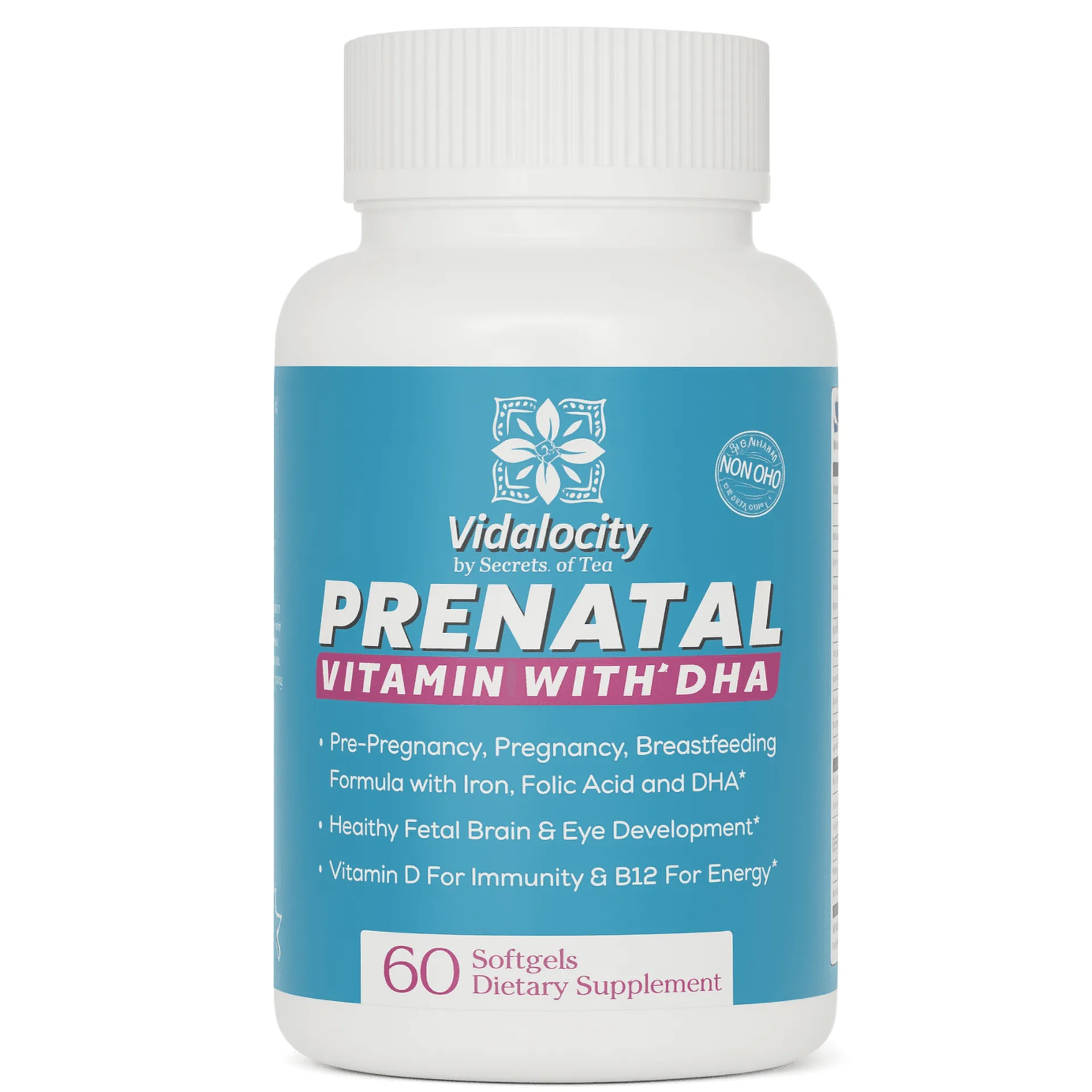
Prenatal Vitamins with DHA & Omega-3 – Doctor-Recommended Pregnancy Multivitamin with Methylfolate, B12 & Iron | 60-Day Supply
-
Prenatal Vitamins with DHA & Omega-3 – Doctor-Recommended Pregnancy Multivitamin with Methylfolate, B12 & Iron | 60-Day Supply: Methylfolate (not just folic acid) — More bioavailable form that works even for women with MTHFR gene variants Methylfolate is the active form of folate, which is important for neural tube formation. If you have an MTHFR gene variant, your body may not convert folic acid efficiently, so methylfolate ensures you get the support needed without relying on that conversion.
-
Prenatal Vitamins with DHA & Omega-3 – Doctor-Recommended Pregnancy Multivitamin with Methylfolate, B12 & Iron | 60-Day Supply: Iron — Prevents pregnancy anemia Iron supports oxygen transport to the baby, which is essential for brain growth. Anemia during pregnancy can affect cognitive development, so having iron in the same pill simplifies your routine.
Methylfolate vs. Folic Acid: Why It Matters for Brain Development
Folic acid is the synthetic form of folate, but many women have a genetic variation (MTHFR) that makes converting it into the active form difficult. A prenatal with methylfolate bypasses that step, providing the active folate directly. This is especially relevant during the first trimester when the neural tube is forming. The Prenatal Vitamins with DHA & Omega-3 use methylfolate, which means the folate is ready for your body to use immediately, supporting early brain and spinal cord development without relying on your genetics.
What to Check Before You Buy
- DHA dose and source: Look for a specific DHA amount (e.g., 200–300 mg) and a source like algal oil if you prefer plant-based. The prenatal here includes DHA + EPA but the exact milligram amount is not on the label, so check the supplement facts panel if that matters to you.
- Iron content: Iron helps prevent anemia, which can affect baby's oxygen supply and brain growth. If you already take an iron supplement, you may want to adjust—consult your provider.
- Methylfolate vs. folic acid: If you have MTHFR concerns or simply want the most bioavailable form, choose a prenatal with methylfolate. This product uses methylfolate, which is a plus.
- Third-party testing: The label says doctor-recommended but does not mention USP or NSF certification. If purity is a priority, verify with the manufacturer.
Honest Limits of the Label
The product record states: "*These statements have not been evaluated by the Food and Drug Administration. This product is not intended to diagnose, treat, cure, or prevent any disease." That means the claims about brain and eye development are not FDA-reviewed. Also, the exact DHA and EPA amounts per serving are not listed in the catalog—only that they are included. If you need a specific dose, you'll want to check the bottle's Supplement Facts panel or contact the seller. The product is a 60-day supply (60 tablets) and is gluten-free.
Pairing with Other Products for a Complete Routine
The prenatal is designed to cover nutrients from preconception through breastfeeding. The catalog notes it pairs well with Morning Sickness Tea in the first trimester and Lactation Tea postpartum. If you're building a full pregnancy supplement routine, consider how this one pill fits with teas or other products you may already be using. Always consult your healthcare provider before starting any new supplement, especially during pregnancy.