Quick Answer
Prenatal DHA is specifically formulated to support fetal brain and eye development, making it the better choice during pregnancy and early infancy. Standard omega-3 supplements may not provide adequate DHA levels, so opt for a prenatal DHA product to meet your needs.
Why DHA Matters More During Pregnancy
DHA is an omega-3 fatty acid that plays a critical role in the development of a baby's brain, nerves, and eyes. During the third trimester and the first two years of life, DHA accumulates rapidly in the developing brain, making adequate intake especially important.
Standard omega-3 supplements often contain a mix of EPA and DHA, with EPA sometimes dominating. While EPA has its own benefits, prenatal DHA products are designed to deliver a higher, more targeted dose of DHA to support both maternal and fetal health.
Trade-Off: Prenatal DHA vs Standard Omega-3
Prenatal DHA supplements are typically more expensive and may have a narrower focus, but they provide the specific fatty acid that matters most during pregnancy. Standard omega-3 supplements are often cheaper and offer broader anti-inflammatory benefits, but they may not supply enough DHA for optimal fetal development.
If you're already eating a diet rich in omega-3s (like fatty fish), a standard supplement might suffice. However, for most expecting mothers, a dedicated prenatal DHA is the safer, more targeted choice.
How to Choose: Prenatal DHA vs Standard Omega-3
- Focus on DHA content: Check the label for the amount of DHA per serving. Prenatal DHA supplements typically provide 200-300 mg of DHA, while standard omega-3 may have less. Aim for a product that clearly states DHA content. Look for at least 200 mg of DHA per serving during pregnancy.
- Consider your diet: If you eat fatty fish (like salmon) twice a week, you may already get enough DHA. Otherwise, a prenatal DHA supplement is a reliable way to fill the gap. Assess your weekly fish intake before deciding.
- Check for purity and third-party testing: Choose a supplement that is tested for heavy metals and contaminants, especially during pregnancy. Many prenatal DHA products are purified to meet safety standards. Look for a purity seal or certification on the label.
Product Spotlight
-
Prenatal DHA: Prenatal DHA is an omega-3 fatty acid essential for the development of a healthy brain, nerves, and eyes. It accumulates in a baby's developing brain primarily during the third trimester through the first two years of life. This makes Prenatal DHA a critical supplement for expecting mothers to support their baby's neurological development.
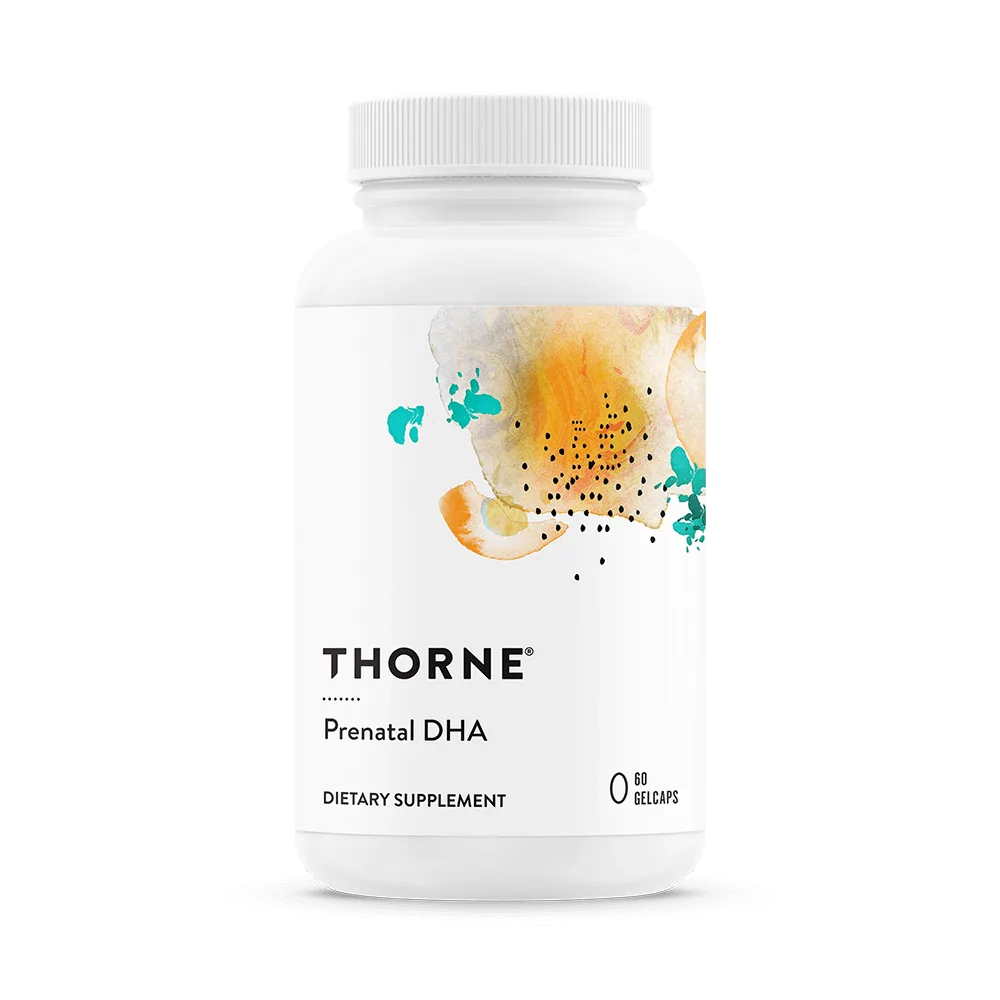
Prenatal DHA
Who Should Choose What
Best for
- Expecting mothers who want targeted support for fetal brain and eye development
- Those who don't consume enough DHA-rich foods like fatty fish
Not for
- Individuals looking for general omega-3 benefits (like heart health) without pregnancy-specific needs