Quick answer
A fuel pressure switch is a safety and control device that opens or closes an electrical circuit when fuel pressure reaches a set point. If it fails, you may get a no-start, a fuel pump that will not prime, or a warning light. Replace it only after confirming the circuit and pressure with a gauge, then use the steps below to remove, install, and verify the new switch.
A pressure switch is one of those small parts that can stop an entire fuel system without throwing an obvious code. It monitors pressure and tells the pump, relay, or warning circuit what to do next. When the switch sticks or drifts, the engine may crank without starting or run with a fuel pressure warning.
This guide covers pressure switch function, the symptoms of a bad switch, and a safe step-by-step pressure switch replacement. It also shows how to test before and after the install so you do not replace a good switch because of a wiring or pump problem.
What a pressure switch does
A fuel pressure switch is a pressure-sensitive electrical contact. Inside, a diaphragm or piston moves against a spring as pressure rises. At a calibrated point, the contacts close or open. That signal can enable a fuel pump, trigger a warning lamp, or cut power to protect the system. The exact set point and contact behavior depend on the vehicle and the switch design.
Because it is an electrical part exposed to fuel pressure, a switch can fail mechanically or electrically. A cracked diaphragm may leak or read incorrectly. Contaminated contacts may add resistance. A weak spring can shift the set point so the pump never primes or runs too long. That is why testing matters before you buy a replacement.
- Do not assume a no-start is the switch. Confirm fuel pressure at the rail or test port first.
- A switch that leaks fuel is a safety issue. Depressurize and replace it before driving.
Symptoms of a failing fuel pressure switch
The most common pressure switch symptoms are a fuel pump that does not prime, an engine that cranks but will not start, or a fuel pressure warning that appears and disappears. On some vehicles, the switch also controls a relay, so a bad switch can mimic a dead pump. Intermittent faults are especially common because heat and vibration change contact resistance.
You may also see a fuel smell, a wet switch body, or a check engine light tied to fuel pressure. Do not chase parts. A shop gauge or a temporary mechanical gauge at the test port tells you whether pressure is actually low or the switch is lying. If pressure is correct but the pump will not run, the switch or its wiring is the likely cause.
- Write down when the fault happens: cold start, hot restart, or after a bump.
- Inspect the connector for corrosion, pushed pins, or melted plastic before condemning the switch.
https://deatschwerksevz.com/products/6-02-1006-7a13ff8544cc267e065c3400-2678010https://deatschwerksevz.com/products/6-02-1007-b0ccfd66fb95c83cd8aca3e4-2678153Tools and parts to have ready
You will need a fuel pressure gauge, a multimeter, and basic hand tools. Have a fire extinguisher nearby and work in a ventilated area away from sparks. For the replacement, use the correct switch for your application and new sealing washers or O-rings if the design uses them. A fuel pressure service valve or test port makes pressure checks faster and cleaner.
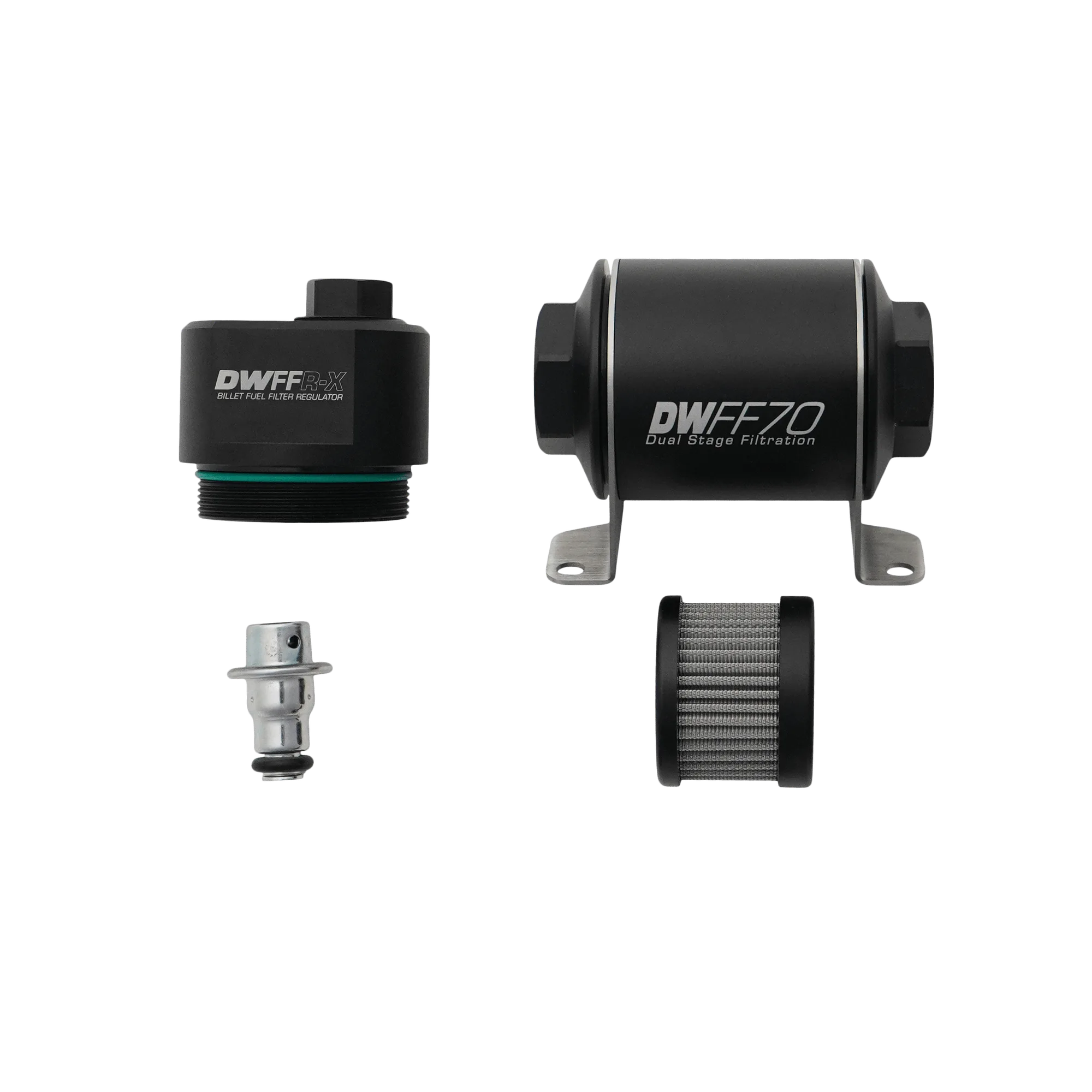
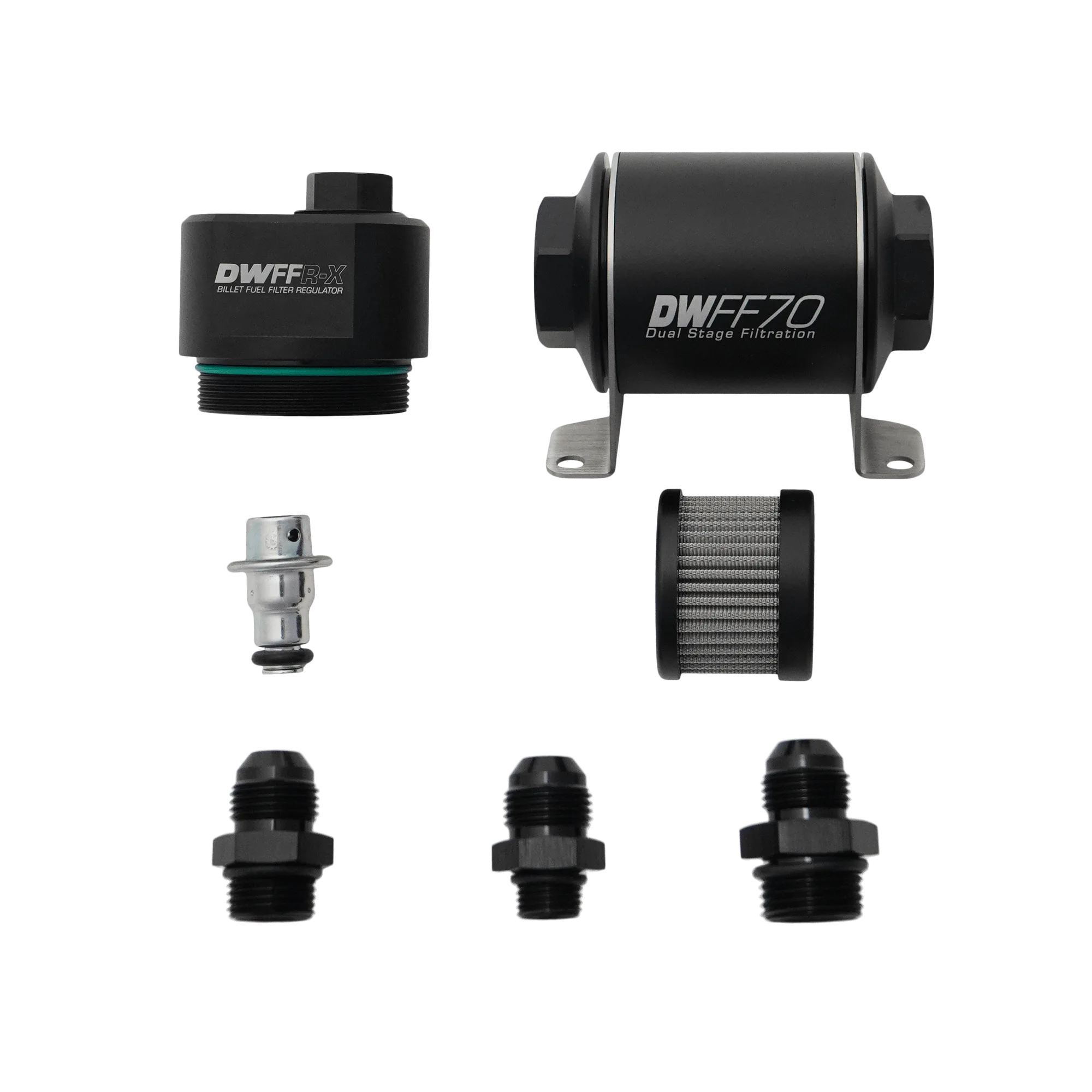
If you are already upgrading the fuel system, a gauge and a quality regulator help you set and confirm pressure. For example, the https://deatschwerksevz.com/products/8-ffr-070-010k-8-9aebde0b51cf9bd289c345b2-268049270mm Billet Fuel Filter Regulator 10 Micron with 8AN Fittings combines filtration and regulation in one unit, but it does not replace a pressure switch. Keep the switch circuit intact unless your engine management is designed to eliminate it.
- Never open a fuel line while the system is hot or pressurized.
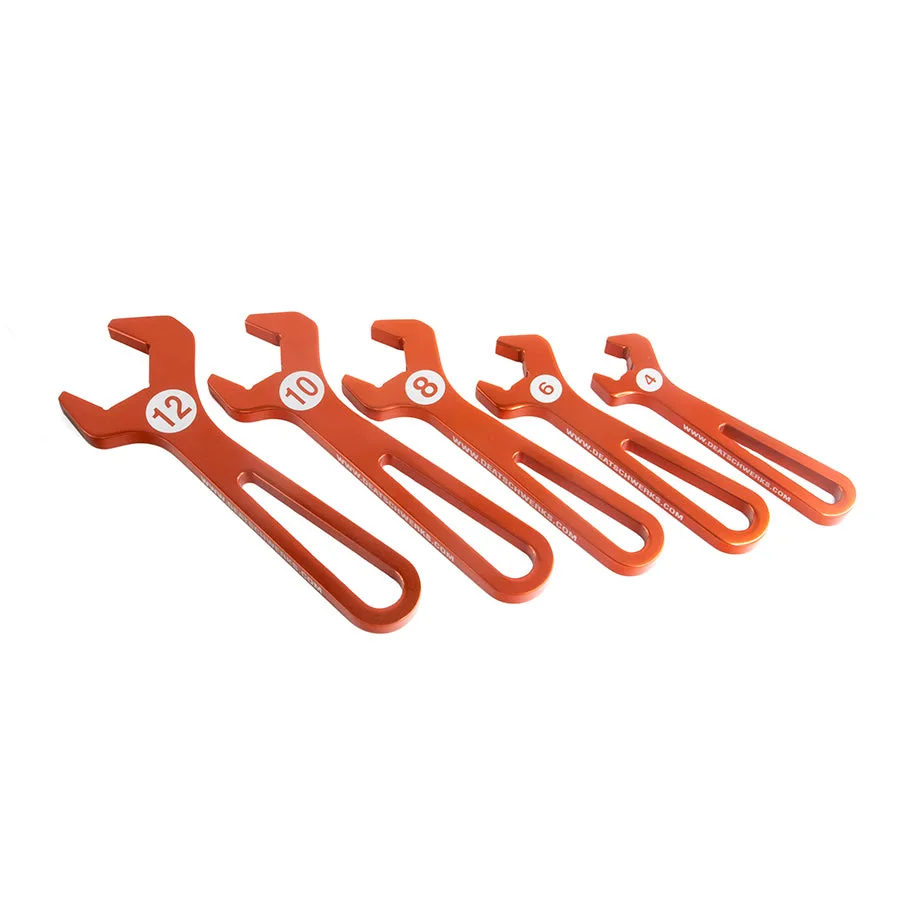
- Use flare-nut or AN wrenches on soft aluminum fittings to avoid rounding them.
How to test a pressure switch
Start with pressure, not electricity. Connect a gauge to the test port or rail and key on. If the pump runs, note the pressure and compare it to spec. If the pump does not run, command the pump on with a scan tool or jumper the relay only if the service manual allows it. That separates a pump or relay fault from a switch fault.
Next, test the switch electrically. With the connector unplugged, use a multimeter to check continuity across the switch terminals in its normal state. Then apply known pressure with a hand pump or run the pump and watch for the contact change. Compare results to the wiring diagram. If the switch does not change state at the specified pressure, replace it. If it does, inspect the circuit and ground.
- Do not pierce wire insulation to probe. Back-probe the connector instead.
- A switch that tests good cold but fails hot may need to be tested at operating temperature.
Pressure switch replacement steps
- Relieve fuel pressure and disconnect the battery: Remove the fuel pump fuse or relay and run the engine until it stalls, then crank briefly to clear residual pressure. Disconnect the negative battery terminal. Place a rag under the switch and crack the fitting slowly. Checkpoint: no fuel spray or hiss when you open the line.
- Remove the old switch and inspect the sealing surface: Unplug the connector, then remove the switch with the correct wrench. Catch any copper washer or O-ring. Clean the port and check for cracks, debris, or damaged threads. If the port is damaged, stop and repair it before installing a new switch. Checkpoint: threads are clean and the sealing surface is flat.
- Install the new switch with new seals: Fit a new sealing washer or O-ring if the design uses one. Thread the switch in by hand until it seats, then snug it with a wrench. Do not overtighten into aluminum. Reconnect the electrical connector until it clicks. Common mistake: reusing a crushed washer causes a leak.
- Reconnect power and prime the system: Reconnect the battery and reinstall the fuel pump fuse or relay. Key on and let the pump prime two or three times. Check the switch and surrounding fittings for weeping. If the pump does not prime, stop and recheck the connector and relay before cranking. Checkpoint: no leaks and the pump primes normally.
- Verify pressure and switch operation: Connect a gauge and start the engine. Confirm pressure is within spec at idle and under load. Watch for the warning lamp or pump behavior the switch controls. If the fault remains, test the circuit again; the new switch may be fine and the problem may be wiring or the pump. Next step: if pressure is correct but the fault persists, diagnose the relay and ground circuit.
Parts that support a pressure switch job
- 70mm Billet Fuel Filter Regulator 10 Micron with 8AN Fittings: DWFFR-X 70mm Billet Fuel Filter Regulator, 10 Micron with 8AN Fittings Combining filtration and regulation in one unit simplifies plumbing and gives you a stable pressure reference for testing and tuning.
- 10 ft, 8AN Black Nylon Braided PTFE Hose: 8AN Black Nylon Braided PTFE Hose, 10 Feet PTFE hose handles high pressure and aggressive fuels, so it is a durable choice when you replace lines near a new switch or regulator.
- 850cc - Evo X 4B11T: Matched set of 4 850cc Injectors for Mitsubishi Evo X 4B11T 2008-2015 If you are chasing fuel pressure faults on a modified Evo X, matched injectors remove flow imbalance as a variable while you diagnose the switch circuit.
A pressure switch is simple, but it lives in a high-pressure, high-vibration environment. Test pressure and the circuit first, replace the switch with new seals, and verify with a gauge. That order saves time and keeps you from replacing a good part.