Quick Answer
Pretend play toys don't need to compete with screens for your preschooler's attention—they offer a different kind of engagement that builds language, social skills, and creativity through open-ended role play. The real myth is that you must choose one or the other. Instead, focus on adding a few versatile pretend play toys that invite active storytelling and hands-on fun, and use screens as a limited supplement rather than the main event.
Myth: Pretend Play Toys Are Just for Fun—They Don't Teach Anything
It's easy to dismiss a play kitchen or tea set as pure entertainment, but the benefits of pretend play toys go well beyond keeping kids busy. When a child brews pretend coffee or serves tea to a stuffed bear, they're practicing sequencing, vocabulary, and social roles. These open-ended play toys let preschoolers experiment with real-world scenarios in a safe, controlled way. The learning is embedded in the doing—not in a worksheet or a screen prompt.
Myth: Screen Time Is the Only Way to Keep Preschoolers Engaged
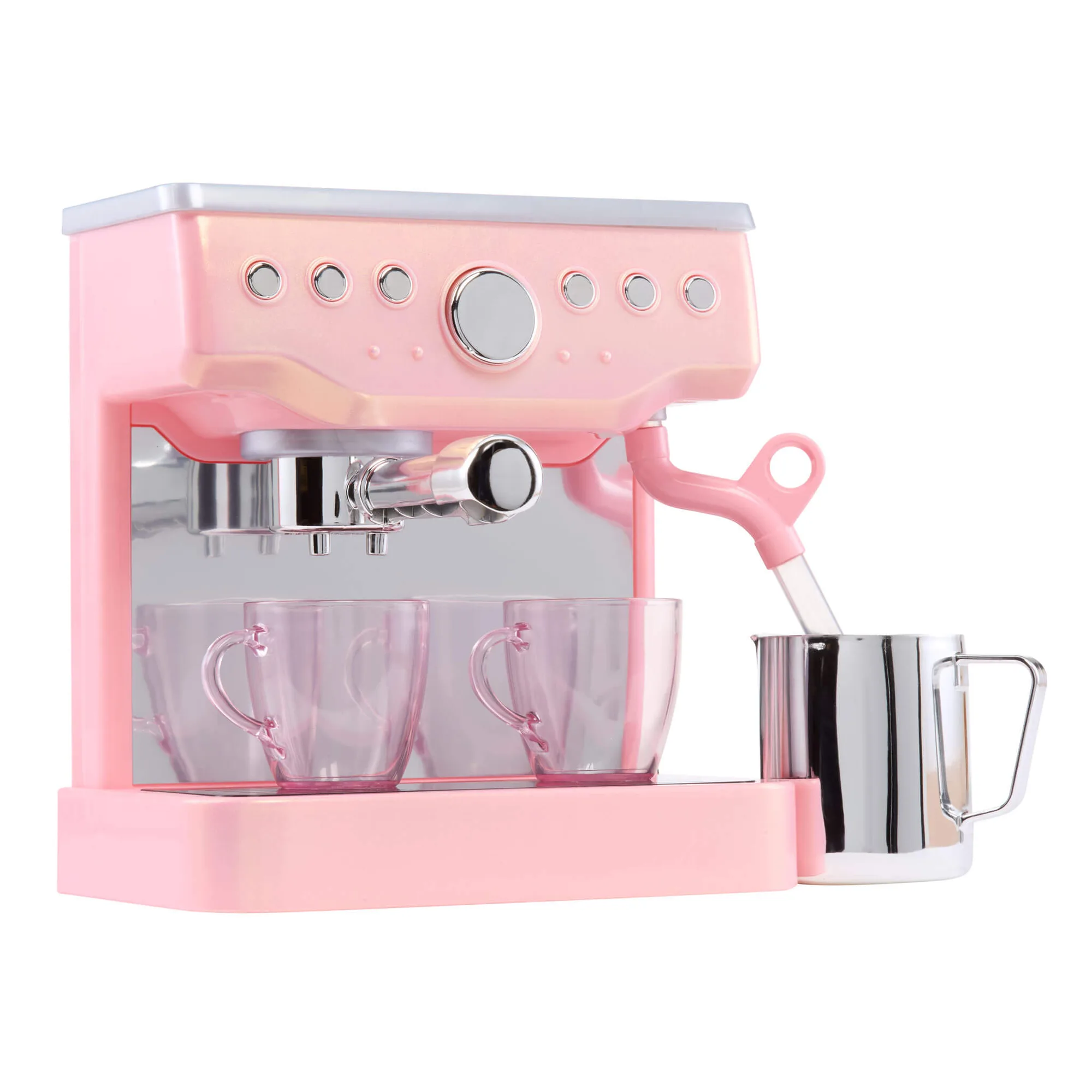
Screens are designed to capture attention, but that doesn't mean they're the only engaging option. A well-chosen pretend play toy can hold a child's interest for long stretches because it invites them to create their own story. The key is providing toys that match their developmental stage and interests. For example, a realistic espresso machine or a barbecue set gives them a starting point for role play, and from there they can invent endless scenarios. The engagement comes from imagination, not from a pre-programmed app.
Myth: You Need a Dedicated Playroom to Make Pretend Play Happen
You don't need a Pinterest-perfect playroom to foster screen free play for preschoolers. A corner of the living room, a small kitchen set, or even a basket of play food can be enough to spark role play. The goal is to make pretend play toys accessible and visible. Rotate a few items at a time to keep things fresh, and store them where your child can reach them independently. A play kitchen benefits from being placed near where you cook or gather, so your child can imitate everyday activities.
Verdicts on Common Preschool Toy Myths
- Myth: Pretend play is just entertainment.: Pretend play toys like play kitchens and tea sets support language, social, and cognitive development through active role play. Verdict: False—choose open-ended toys that invite storytelling.
- Myth: Screens are necessary to keep preschoolers engaged.: Well-designed pretend play toys can hold attention through imaginative scenarios, especially when they mirror real-life activities. Verdict: False—offer a balance and let toys do the engaging.
- Myth: You need a large playroom for pretend play.: A small, accessible setup with a few rotating toys is enough to encourage daily screen free play. Verdict: False—focus on accessibility, not square footage.
Pretend Play Toys That Support Role Play
- Backyard Barbecue Grillin' Goodies: Backyard Barbecue Grillin' Goodies features realistic play food with colorful, kid-friendly barbecue favorites. This set encourages outdoor-themed role play and helps preschoolers practice serving and sharing, which are key social skills.
- Sweet Spaces™ Espresso Machine - White: Sweet Spaces Espresso Machine has interactive elements that spark creativity and encourage hours of play, with a modern-retro-inspired design. The interactive features give kids a realistic barista experience, promoting sequencing and fine motor skills as they pretend to brew and serve.
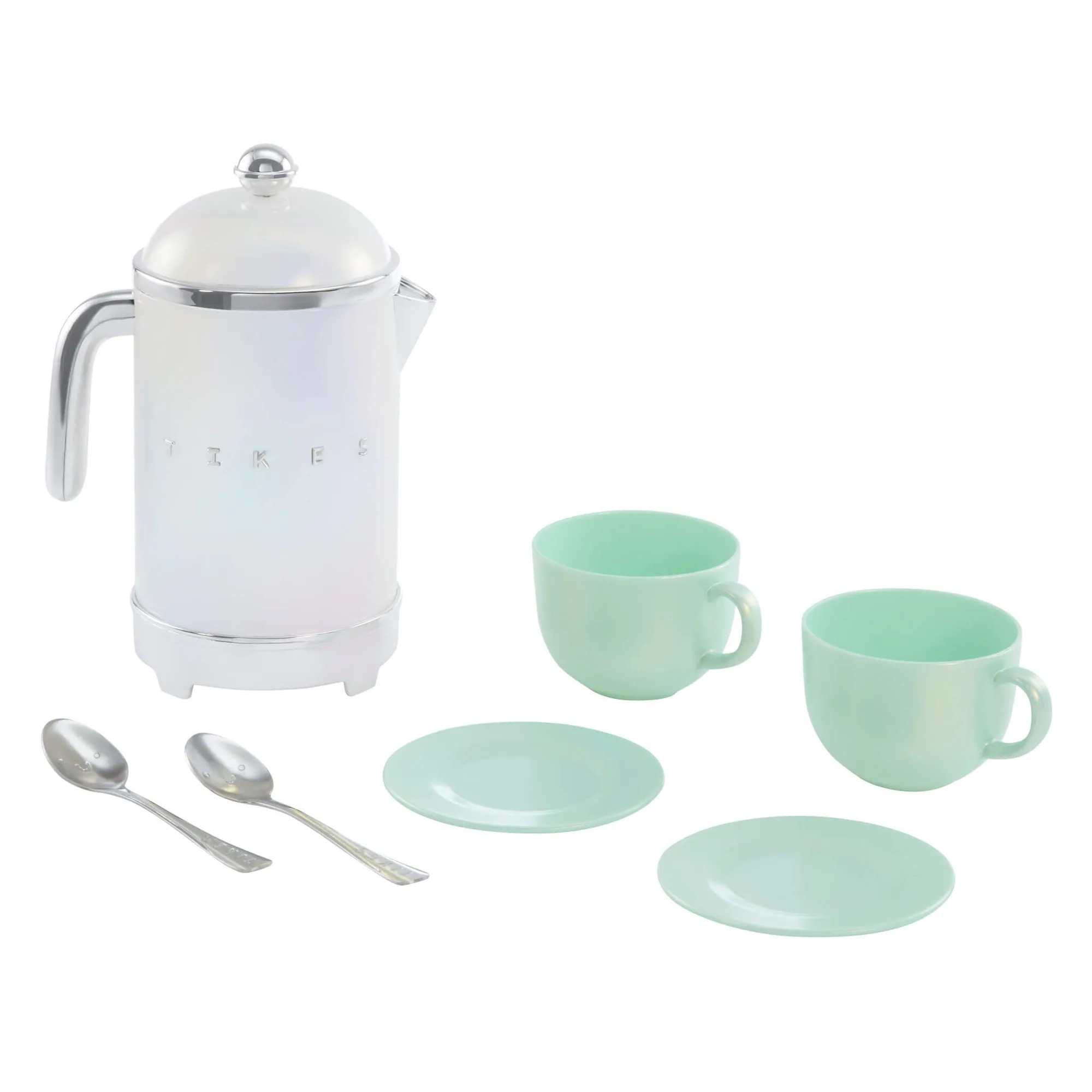
- Sweet Spaces™ Tea Set - Sea Foam: Sweet Spaces Tea Set includes a kid-sized kettle and teacups with a realistic look and vibrant colors. This set is ideal for hosting pretend tea parties, which foster language development and social interaction as children take turns and converse.