Quick answer
If your bath mat slides, the cause is usually a damp or dusty backing, not a worn-out mat. If it smells musty, the mat is staying wet too long. Fix both by drying the floor and mat after every use, washing on a gentle cycle with hot water when the care label allows, and air-drying completely before the next shower.
Symptom: The Mat Slides When You Step On It
A mat that shifts underfoot is a slip risk, but it is rarely a sign that the mat itself is defective. Most non-slip backings rely on friction against a clean, dry floor. Soap film, conditioner residue, or a thin layer of dust can turn a grippy backing into a slippery one. Before you buy a replacement, clean the floor with a degreaser or a 1:1 vinegar-water solution, let it dry fully, and test the mat again. If it still slides on a clean, dry floor, the backing may be worn or the mat may be too small for your traffic pattern.
Symptom: A Musty Smell That Returns After Washing
Mildew prevention is a drying problem, not a cleaning problem. A mat that stays damp between showers gives mold a place to grow, especially in the backing where air does not reach. After each use, hang the mat over the tub edge or a drying rack so both sides get airflow. If your bathroom has no window, run the exhaust fan for 15 to 20 minutes after showering. Washing removes surface mildew, but if the mat still smells musty within a day or two of drying, the odor is likely inside the backing or padding, and no amount of washing will fully remove it.
How to Clean a Bath Mat Without Damaging the Backing
Always check the care label first, because backing materials vary. For most washable bath mats, machine wash on a gentle cycle with hot water and a small amount of detergent. Skip fabric softener and dryer sheets, which leave a coating that reduces absorbency and can make a rubber backing brittle. If the mat has a rubber or latex backing, air-dry it flat or hang it; high dryer heat is the most common cause of cracking and flaking. For a quick refresh between washes, vacuum both sides on a low setting to lift dust and hair that trap moisture.
Bath Mat Backing Care: What to Do and What to Avoid
Backing care is mostly about heat and chemistry. Avoid bleach on rubber or latex backings, because it breaks down the material and shortens the mat's life. If you need to disinfect, use a diluted vinegar solution or a mild oxygen-based cleaner instead. Do not wring or twist a backed mat; that stresses the bond between the backing and the fabric. When storing a mat, roll it rather than folding it, and keep it out of damp cabinets. A mat that is stored damp will grow mildew even if it was perfectly clean when you put it away.
Keep a Bath Mat From Curling at the Edges
Curling usually starts with heat. A mat that goes through a hot dryer cycle can shrink unevenly, pulling the edges upward. If your mat is already curling, lay it flat on a clean floor and place a heavy towel or books on the corners for a few hours after it is completely dry. To prevent curling, air-dry the mat flat or hang it straight. If the curl returns after every wash, the backing has likely lost its flexibility, and it is time to replace the mat rather than fight the shape.
Washable Bath Mat Tips for a Fresher Bathroom
Wash your bath mat every one to two weeks, or more often in a shared bathroom. If you have two mats, rotate them so each one has time to dry completely between uses. A mat that is still damp when it goes back on the floor will start to smell within a day. For bathrooms with poor ventilation, a quick squeegee of the floor after showering removes standing water that would otherwise soak into the mat. These small habits matter more than any single deep clean.
Diagnosis: Match the Symptom to the Fix
- Mat slides on a clean, dry floor: Clean the floor with a degreaser or diluted vinegar, dry it completely, and test again. If it still slides, the backing is worn or the mat is too small. If cleaning the floor does not fix it, replace the mat.
- Musty smell returns within two days of washing: The mat is not drying fully between uses. Hang it over the tub edge or a rack, and run the exhaust fan longer after showers. If the smell persists after a hot wash and full air-dry, the mildew is inside the backing and the mat should be replaced.
- Backing is cracking or flaking: High dryer heat is the usual cause. Switch to air-drying only, and avoid bleach on rubber or latex backings. Once the backing sheds material, it will no longer grip safely; replace it.
- Edges curl after every wash: Dry the mat flat or hang it straight instead of using a hot dryer. Press flat with weight for a few hours if the curl is mild. If curling returns immediately, the backing has lost flexibility and a new mat is the practical choice.
Products That Support a Drier, Safer Bathroom
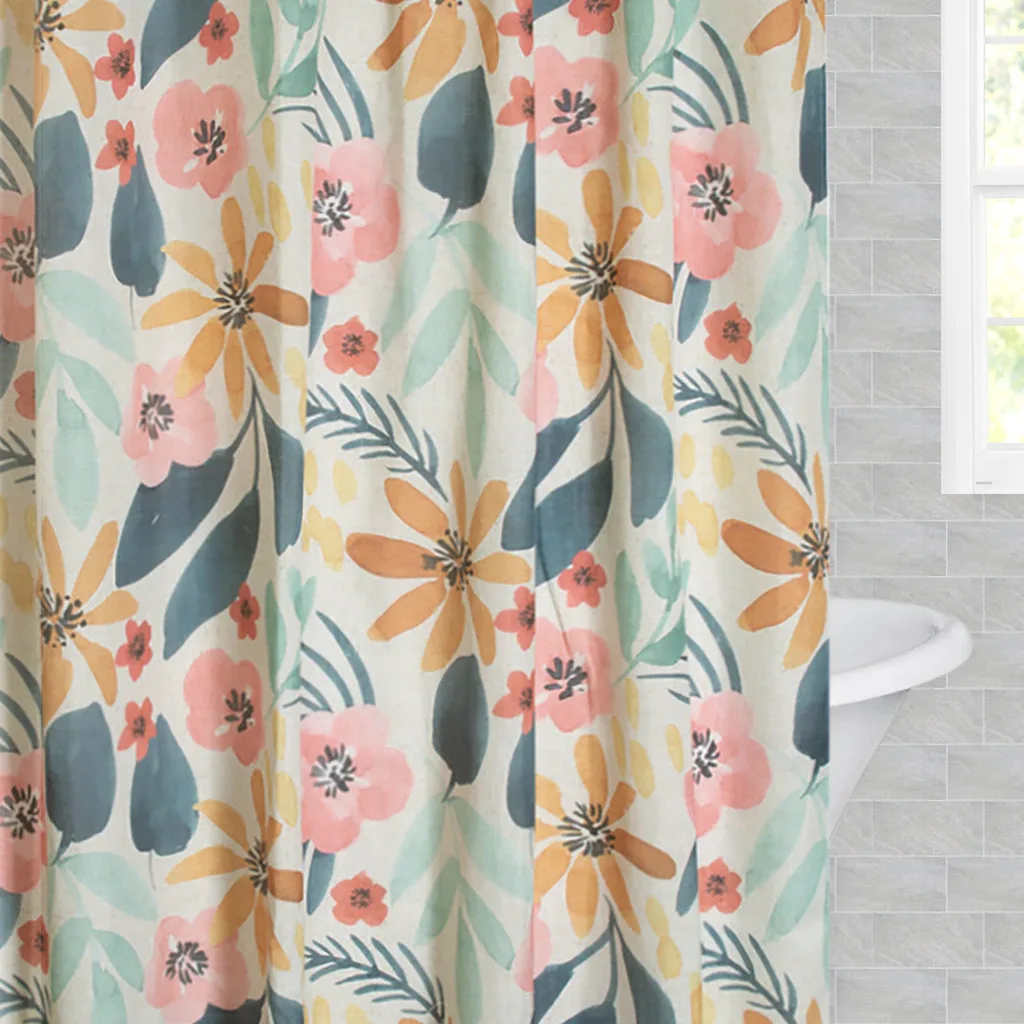
- The Tropical Garden Shower Curtain: The Tropical Garden Shower Curtain is 95% polyester and 5% linen with button hole eyelets for easy hanging. A curtain that hangs cleanly and dries quickly helps reduce overall bathroom humidity, which is the root cause of most bath mat mildew.
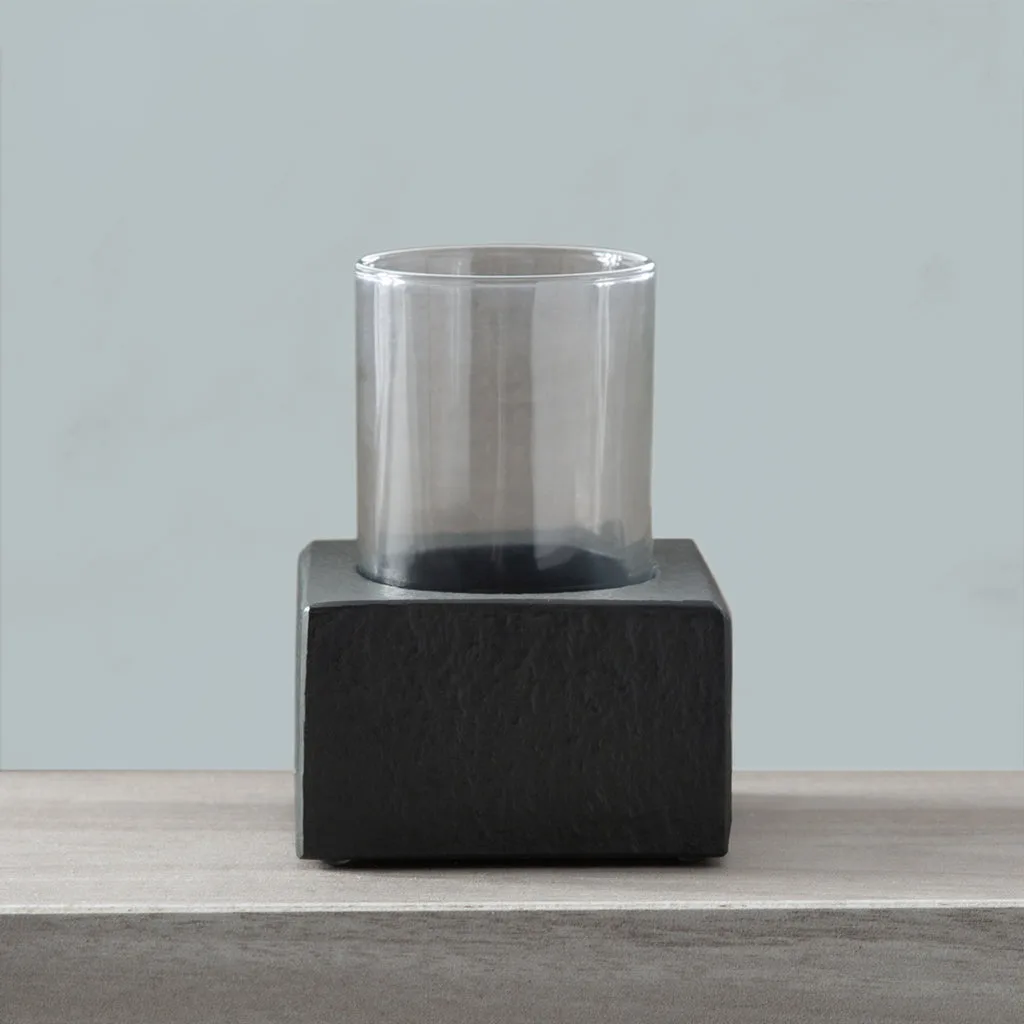
- Charcoal Slate Resin Bath Accessories, Tumbler: Charcoal Slate Resin Bath Accessories include a tumbler made from resin and glass, sold separately from the soap pump, soap dish, and toothbrush holder. Coordinated accessories keep water and soap residue contained, so less moisture reaches the floor and the mat backing stays drier.