Quick Recommendation
Keep the painting in a stable, climate‑controlled space, add a supportive backing board, and shield it from direct sunlight and extreme humidity.
Large original canvas paintings are eye‑catching, but their size makes them vulnerable to stress that can cause cracks. Understanding why cracks form is the first step toward protecting your investment.
This guide breaks down the common symptoms, the most likely causes, and the corrective actions you can take today. Follow the steps to maintain canvas durability and enjoy your artwork for years.
Why Large Canvases Crack
Canvas is a flexible fabric stretched over a wooden frame. When a large piece expands or contracts due to temperature or humidity changes, the tension on the fabric can become uneven. Over time, this uneven tension creates stress points that manifest as visible cracks, especially along the surface paint layers.
Additional factors such as inadequate backing, exposure to direct sunlight, or mounting the canvas on an unsuitable wall can amplify the stress. Even subtle shifts in a room’s climate—like a heater turning on for a few hours—can trigger enough movement in a big canvas to start a fracture.
- Rapid humidity swings > 20% change
- Direct sunlight > 4 hours daily
- Insufficient backing board
Practical Steps to Protect Your Artwork
Maintain a consistent indoor climate. Aim for 68–72°F (20–22°C) and 40–55% relative humidity. Use a humidifier or dehumidifier as needed, and avoid hanging the painting in kitchens, bathrooms, or near drafty windows.
Reinforce the back of the canvas with a rigid, acid‑free board that matches the frame size. This board distributes tension evenly and reduces flexing. If the painting already has a 1.5‑inch profile canvas frame, you can add a thin plywood sheet behind it without altering the visual appearance.
- Rotate the artwork 180° every six months to even out light exposure
- Use UV‑filtering acrylic or glass when framing for extra protection
- Avoid leaning the canvas against walls; always hang it securely with proper hardware
Diagnosis Summary
- Symptom: Visible hairline cracks or flaking paint on the canvas surface. Identify early signs before they spread.
- Likely Cause: Fluctuating temperature or humidity causing uneven tension on a large canvas. Check your room’s climate conditions.
- Corrective Action: Stabilize indoor climate, add an acid‑free backing board, and protect from direct sunlight. Implement these steps immediately to halt further cracking.
- When to Seek Professional Help: If cracks continue after environmental control and backing, consult a conservator. Professional restoration may be required for severe damage.
Related Products that Help Protect Your Canvas
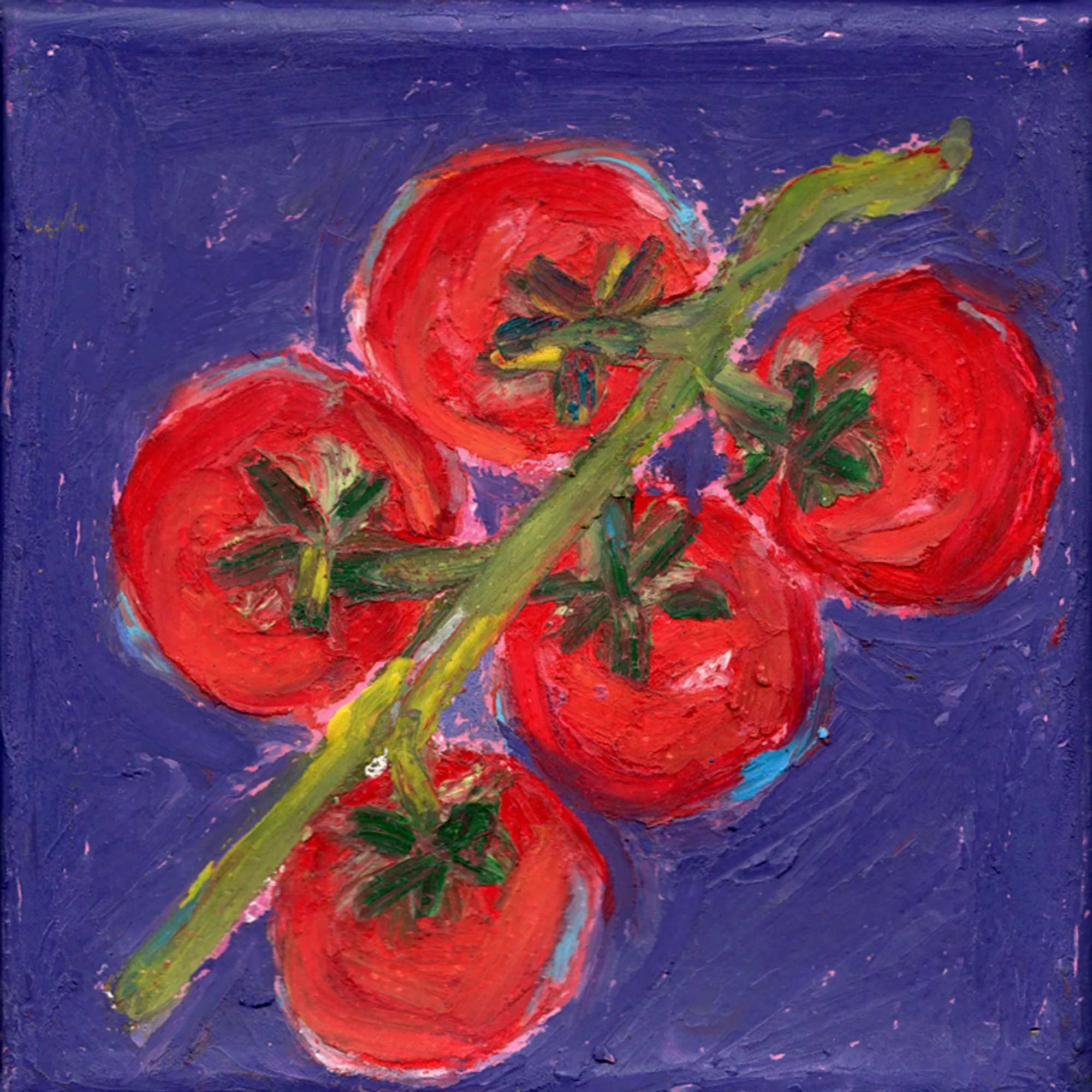
- Oil Pastel Tomato Vine | Original Canvas Painting: Measures 4 × 4 inches, with a 1.5 inch profile canvas frame. The compact size and built‑in frame make it easier to provide a supportive backing board, reducing stress on the canvas.
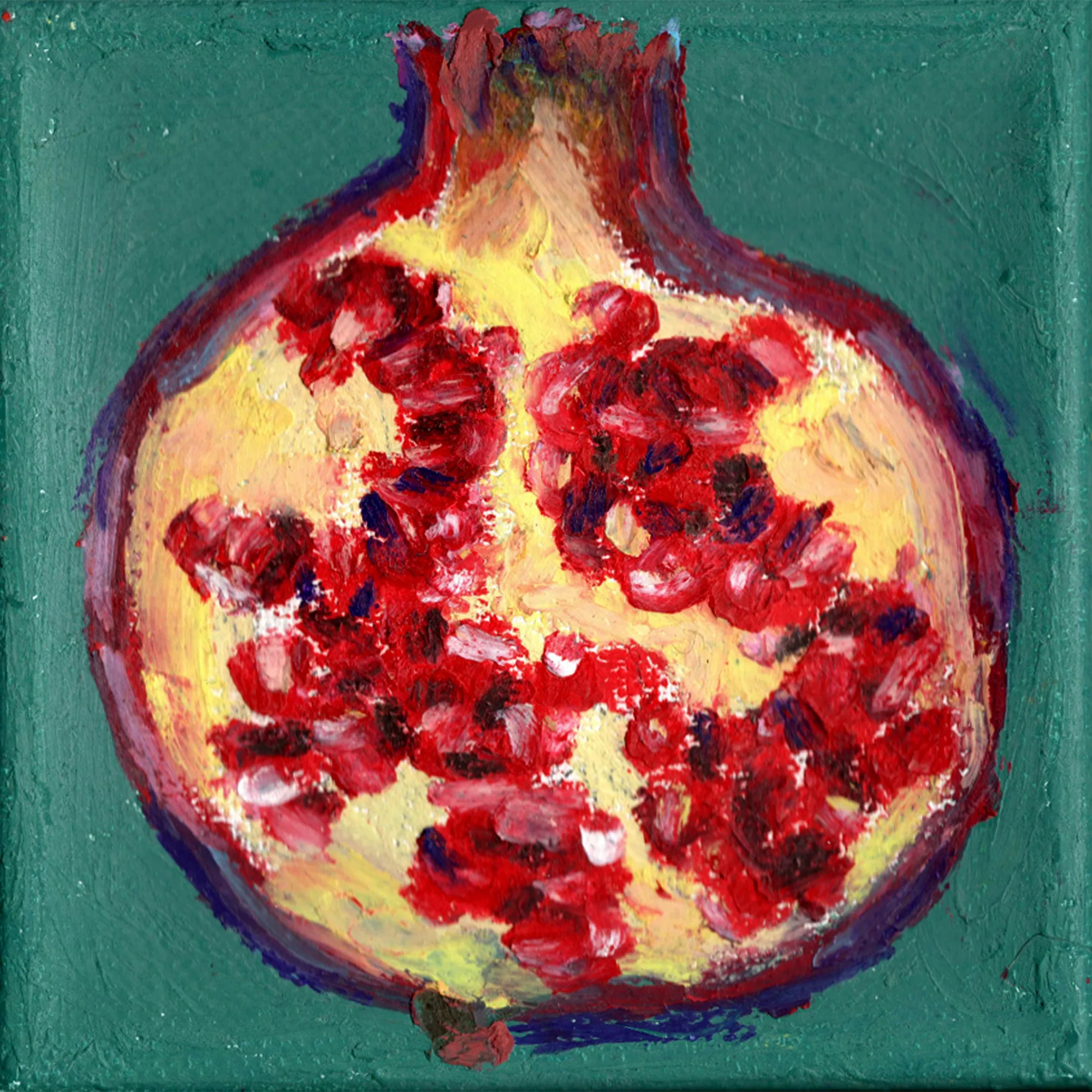
- Oil Pastel Pomegranate | Original Canvas Painting: Dimensions: 4x4 inch x 1.5 inch profile canvas frame. A sturdy frame paired with a small format lets you apply the same crack‑prevention techniques without needing extensive hardware.
By controlling climate, reinforcing the back, and shielding your canvas from harsh light, you can dramatically extend the life of large original artworks and keep them looking vibrant.