Quick answer
Wash colored lingerie in cold water with a gentle detergent, turn garments inside out, skip the dryer, and keep lace away from rough fabrics. Most fading comes from heat and friction, not from washing too often, so fixing those two things protects color more than any specialty product.
Color loss in lingerie rarely happens in one wash. It builds up: hot water opens the fibers, detergent residue sits in the lace, and the tumble of a mixed load rubs dye off the surface. A black lace bra that looked rich in spring can look gray by fall without anything dramatic happening.
The good news is that color care is mostly about sequence and temperature, not about buying a shelf of products. This guide walks through the wash routine in order, with the mistake to avoid at each step, so your colored bras and delicates hold their shade.
Why colored lingerie fades faster than other laundry
Delicate fabrics are often dyed in deep, saturated shades, and those dyes sit closer to the surface of fine lace and stretch tulle than they do in heavy cotton. That means less abrasion is needed to dull them. Add hot water, a long cycle, or a dryer, and the color releases faster than the fabric wears out.
Lingerie also gets washed with zippers, hooks, and denim if you toss it in a mixed load. Those items act like sandpaper on wet lace. Even if the fabric survives, the color pays the price first.
- Deep shades like black, berry, and poppy show fading as a gray or dusty cast rather than an obvious bleach-out.
- Elastic and lace tend to fade unevenly, which is why a bra can look patchy rather than uniformly lighter.
The wash routine that protects color
Treat every colored bra, camisole, and knicker as a separate small load or use a mesh bag. Cold water is non-negotiable: it slows dye release and is gentler on stretch fibers. A gentle or delicate cycle with a short wash time does less damage than a long soak, even in cold water.
Use a mild liquid detergent made for delicates and measure it. More detergent does not mean cleaner lingerie; it means more residue left in the lace, which dulls color over time. Skip chlorine bleach entirely, and skip fabric softener too, since it coats fibers and traps residue.
- Turn bras and lace garments inside out before washing so the outer color surface rubs against itself, not against hooks or zippers.
- Fasten bra hooks before washing to stop them snagging other pieces in the load.
Drying is where most color is lost
Heat is the single biggest cause of fading, and the dryer delivers more of it than any wash cycle. Air-dry lingerie flat on a towel or hang it in the shade. Direct sun does the same damage as a dryer over time, so keep colored pieces out of strong sunlight.
If you hand-wash, do not wring or twist the garment to remove water. Press it between two towels instead. Twisting stretches lace and breaks down the surface where dye sits, which shows up as uneven color.
- Hang bras by the band or lay them flat; hanging by the straps stretches them and distorts the cups.
- Dry colored pieces away from white or light items so any loose dye does not transfer.
Small habits that extend color between washes
You do not need to wash a bra after every wear. Rotating three or four bras and airing them between wears cuts wash frequency, which is the simplest color-protection habit there is. Spot-clean deodorant marks instead of washing the whole bra.
Store clean lingerie away from direct light and keep darker shades separate from pale ones if any dye transfer has happened before. A drawer that stays dark and dry keeps color stable far longer than one near a sunny window.
- Wash new deep-colored pieces separately for the first wash or two, since fresh dye releases most then.
- Keep a small mesh bag for lingerie so you never have to decide whether a piece is safe in a mixed load.
Your step-by-step color-care wash routine
- 1. Sort by color and fabric weight: Keep deep shades together and separate from pale pieces. Put lace bras, camisoles, and knickers in their own load or mesh bag rather than mixing with denim or towels. Checkpoint: if you can see a zipper or hook in the load, the lingerie is not protected yet.
- 2. Fasten hooks and turn pieces inside out: Close bra hooks and turn colored garments inside out so the outer lace surface does not rub against hardware or rough fabric. Common mistake: leaving a bra unhooked, which snags lace and creates friction that dulls color.
- 3. Wash cold on a gentle, short cycle: Use cold water, a mild liquid detergent, and the shortest gentle cycle available. Measure the detergent rather than pouring freely. Checkpoint: hot water and long soak times release dye faster than any other step.
- 4. Skip bleach, softener, and dryer sheets: Chlorine bleach strips color outright, and softener leaves a residue that traps dye and dulls lace over time. Common mistake: adding softener to make lace feel softer, which actually shortens its color life.
- 5. Remove promptly and press out water: Take lingerie out as soon as the cycle ends. Press water out between two towels instead of wringing or twisting. Checkpoint: leaving wet lingerie in the drum encourages dye transfer between pieces.
- 6. Air-dry flat or in the shade: Lay bras flat or hang by the band, and dry colored pieces out of direct sun. Never put lace or stretch lingerie in the dryer. Next step: rotate bras between wears so you wash each one less often, which protects color with no extra effort.
Lingerie built for color that lasts
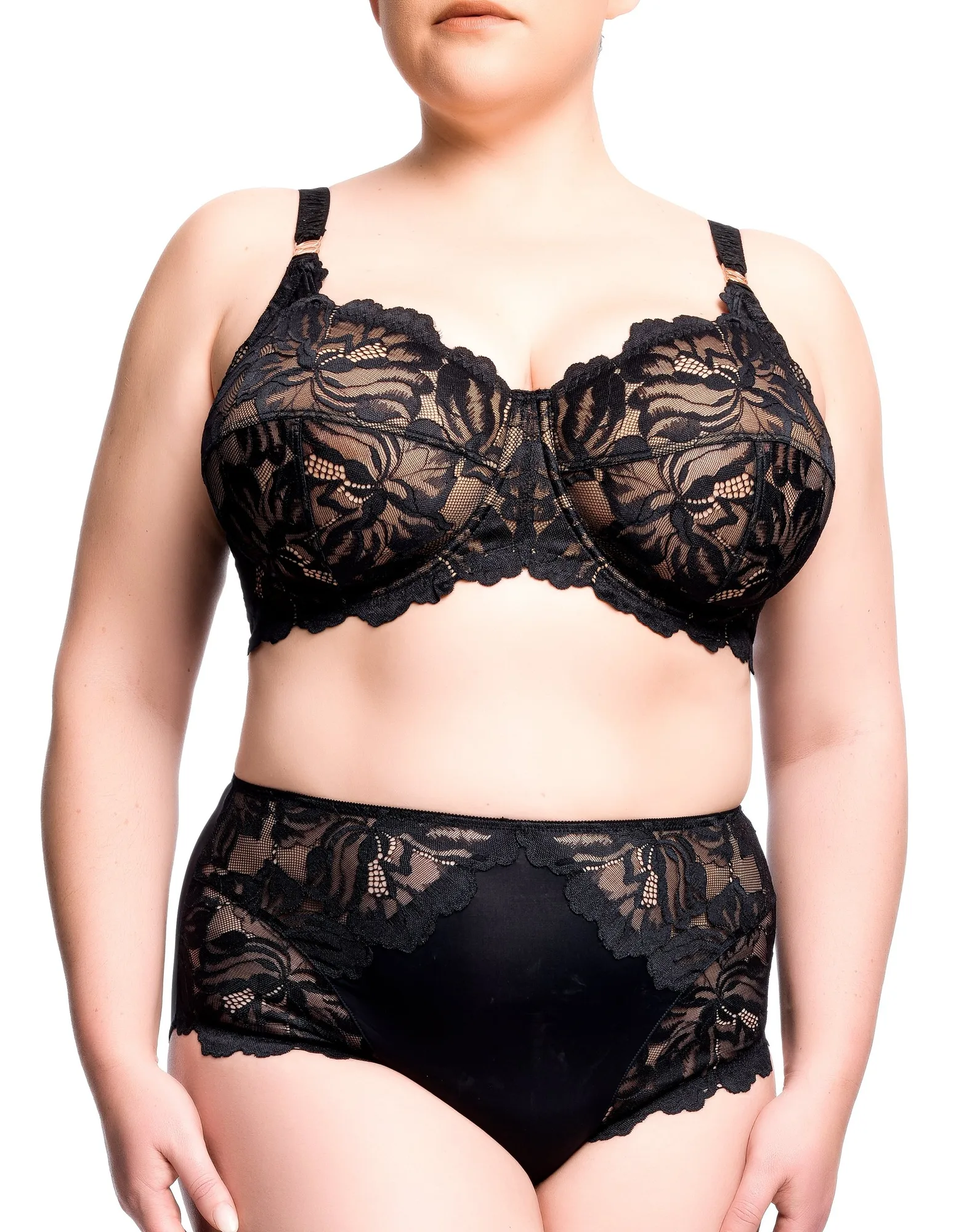
- Zhara Curve Balconette Bra - Black: Created from a dramatic stretch floral lace with a lightly lined, non-see-through three-piece cup. A lightly lined lace cup holds its shape better in the wash, so the black lace surface stays smooth and reflects color evenly instead of looking patchy.
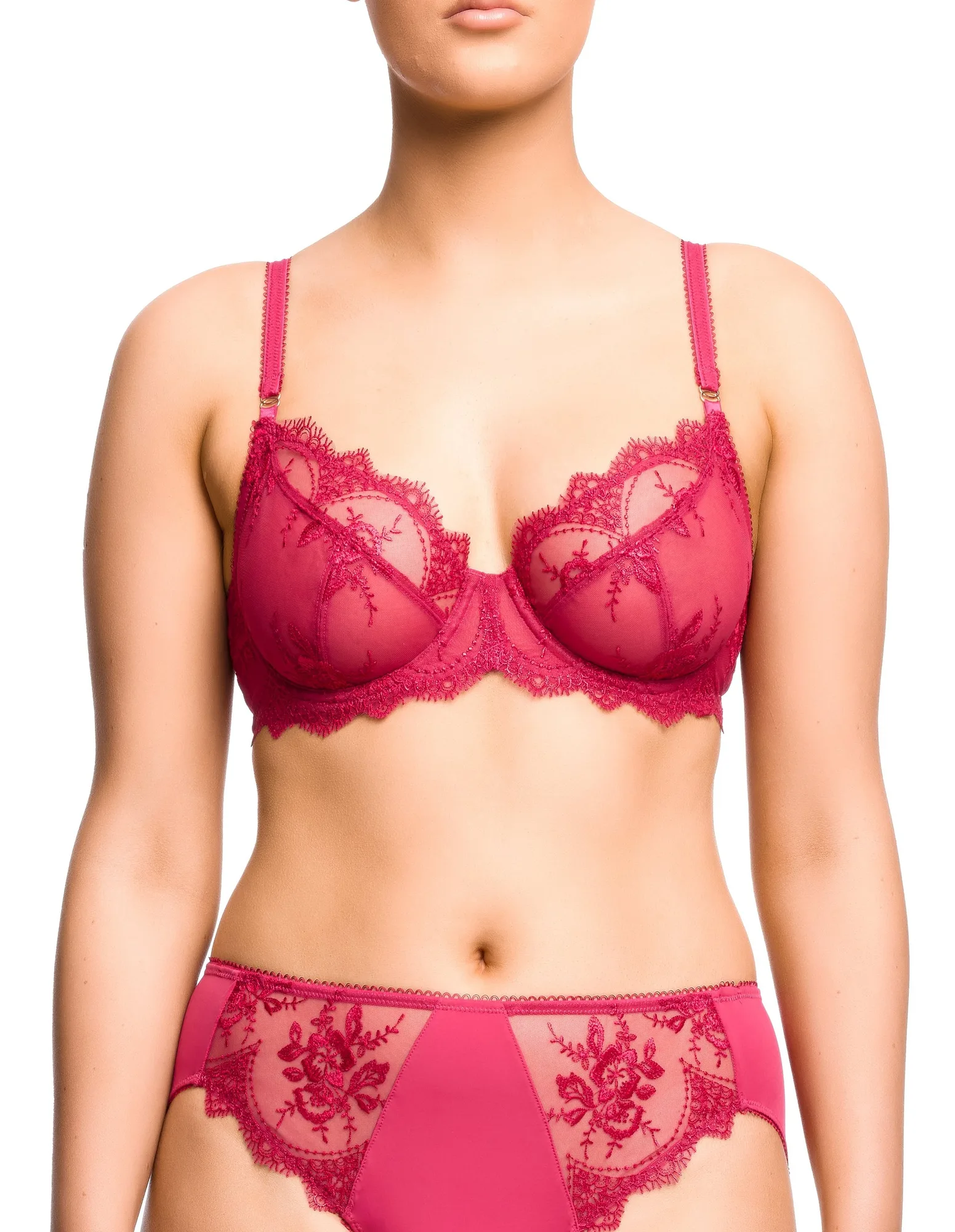
- Lucinda Full Cup Bra: Made from soft stretch embroidery with a light lining in the bottom of the cups, plus soft bra wings designed to support without cutting in. Soft, smooth wings and lining mean fewer rough edges rubbing in the wash, which is exactly where fading starts on an everyday bra.
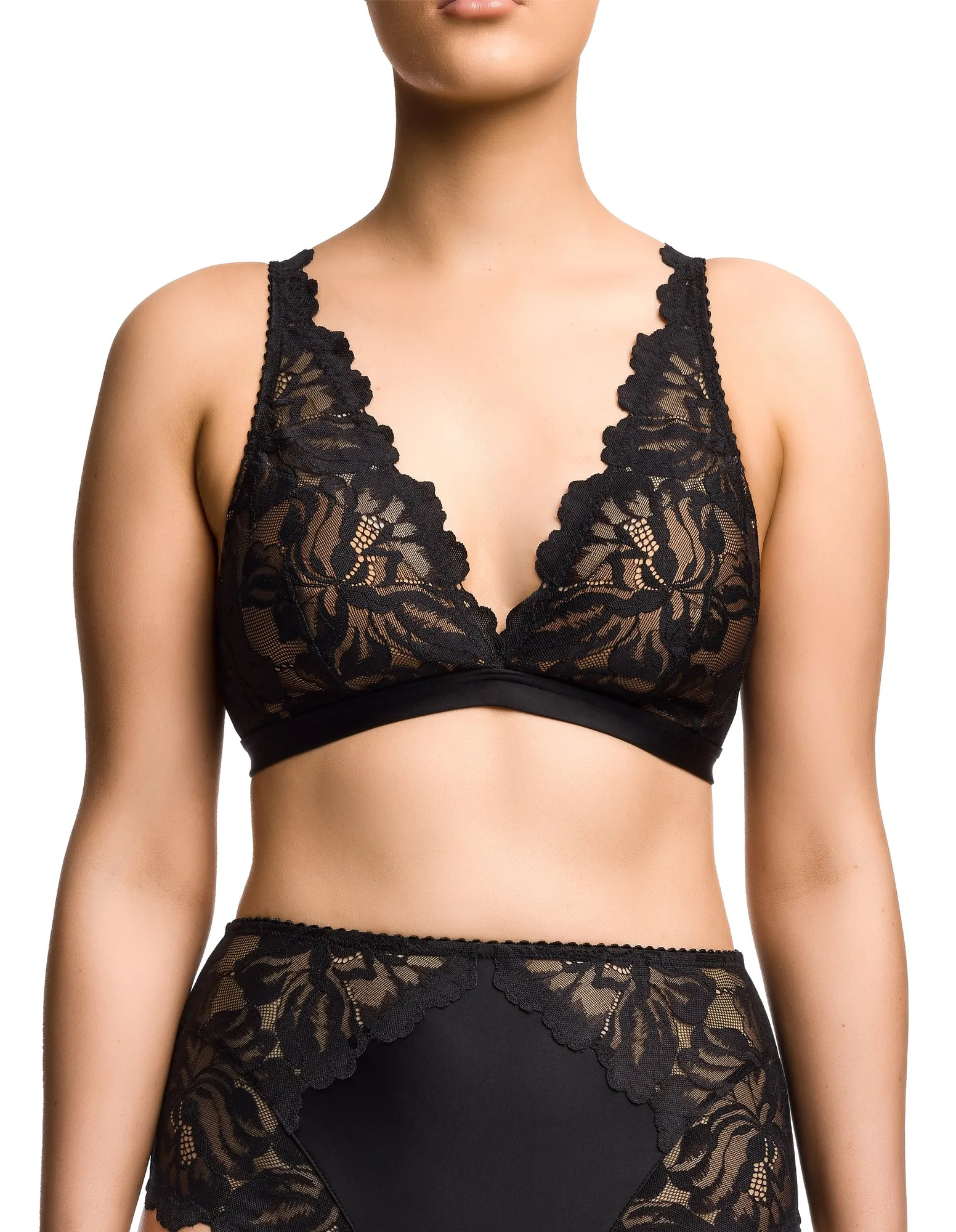
- Zhara Bralette: A wire-free bralette in stretch floral lace with a wide soft underband, sized up to 2XL (size 18). Wire-free lace styles are the easiest to hand-wash and air-dry, so they keep their color with very little effort.
Color care comes down to cold water, gentle detergent, and air-drying, done in that order every time. Get those three right and your colored bras and lace delicates will stay rich far longer than the label suggests.