You’ve stocked your pantry with Primal Kitchen sauces, dressings, and condiments — all made with clean, real-food ingredients like avocado oil, vinegar, and herbs. But what happens when you find a bottle of Creamy Cashew Alfredo Sauce or Garlic Aioli Mayo that’s been sitting for a few months? Is it still safe to use? Understanding Primal Kitchen sauce expiration is key to avoiding waste while keeping your meals fresh and flavorful.
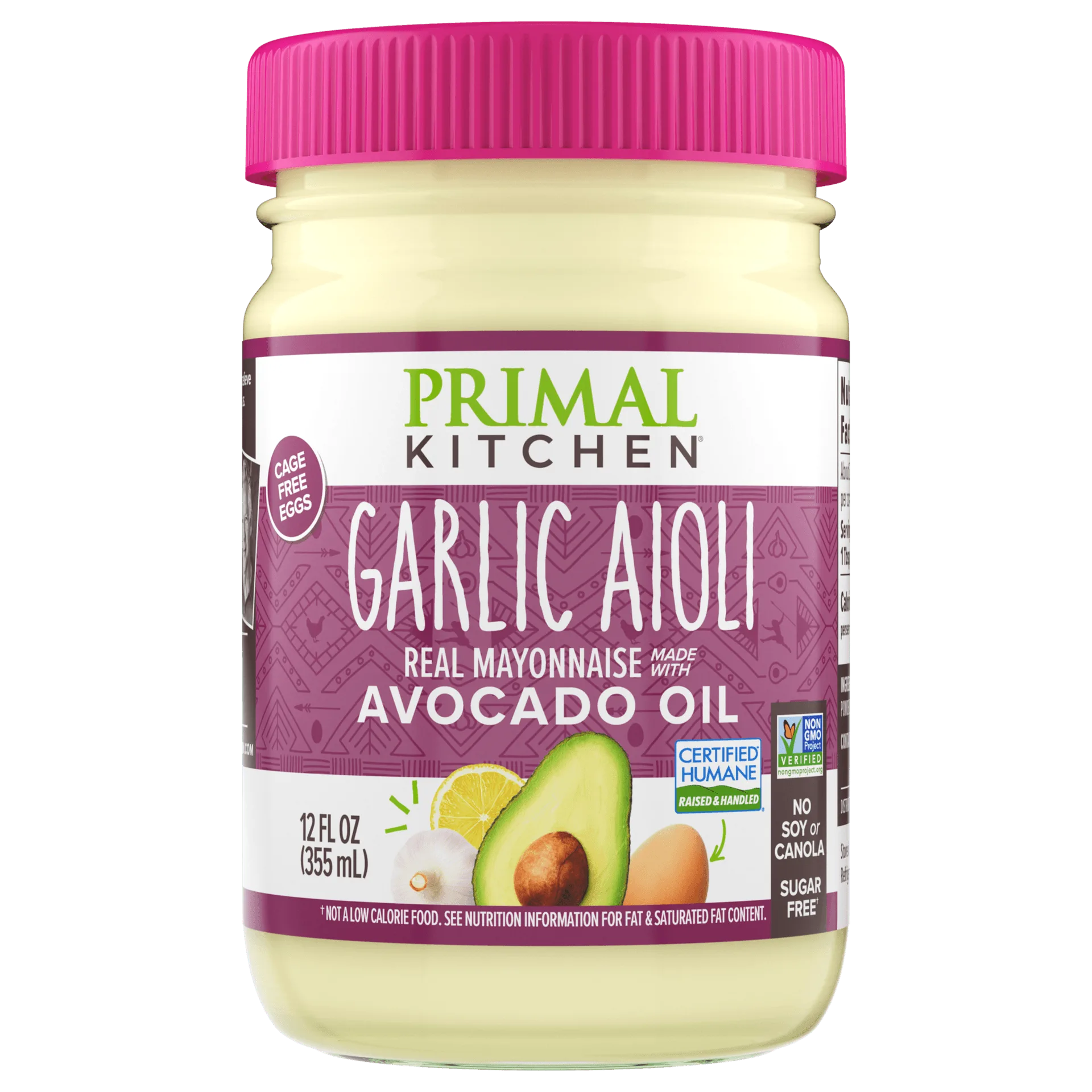
Garlic Aioli Mayo
Unlike conventional sauces loaded with preservatives, Primal Kitchen products rely on high-quality natural ingredients and careful packaging to maintain freshness. This guide will help you decode best-by dates, recognize signs of spoilage, and store your sauces properly so you can enjoy every last drop — whether you’re meal-prepping for Whole30 or adding a keto-friendly kick to your weeknight dinner.
Decoding Best-By Dates on Primal Kitchen Sauces
Every Primal Kitchen sauce bottle comes with a best-by date printed on the cap, neck, or side label. This date indicates when the product is at its peak quality — not a safety cutoff. For most dressings, sauces, and mayos, you can expect excellent flavor and texture for several months past that date if stored properly. The key is to understand that best-by dates for clean sauces are more about taste than safety.
For example, a bottle of Sundried Tomato Pasta Sauce may taste slightly less vibrant after its best-by date, but it’s still perfectly fine to use in a slow-cooked dish. Similarly, your Creamy Cashew Alfredo Sauce might separate a bit more over time — a quick shake usually restores its smooth consistency. Always give the bottle a good shake or stir before using, especially if it’s been sitting for a while.
- Check the cap or neck for a printed date (often in MM/DD/YY format).
- Unopened sauces typically last 12–18 months from production. Once opened, use within 3–6 months for best quality.
- If the sauce smells or looks off, trust your senses — don’t rely solely on the date.
Signs Your Primal Kitchen Sauce Has Gone Bad
Even with clean ingredients, sauces can spoil if exposed to heat, light, or air. The most reliable way to check freshness is to use your senses. First, look at the sauce. Primal Kitchen mayos and dressings (like Garlic Aioli Mayo) might naturally separate — that’s normal. But if you see mold, fuzzy spots, or any unusual discoloration, it’s time to toss the bottle. Second, give it a sniff. A rancid or sour smell indicates the avocado oil has oxidized, which can happen if the bottle was stored in a warm cabinet or near the stove.
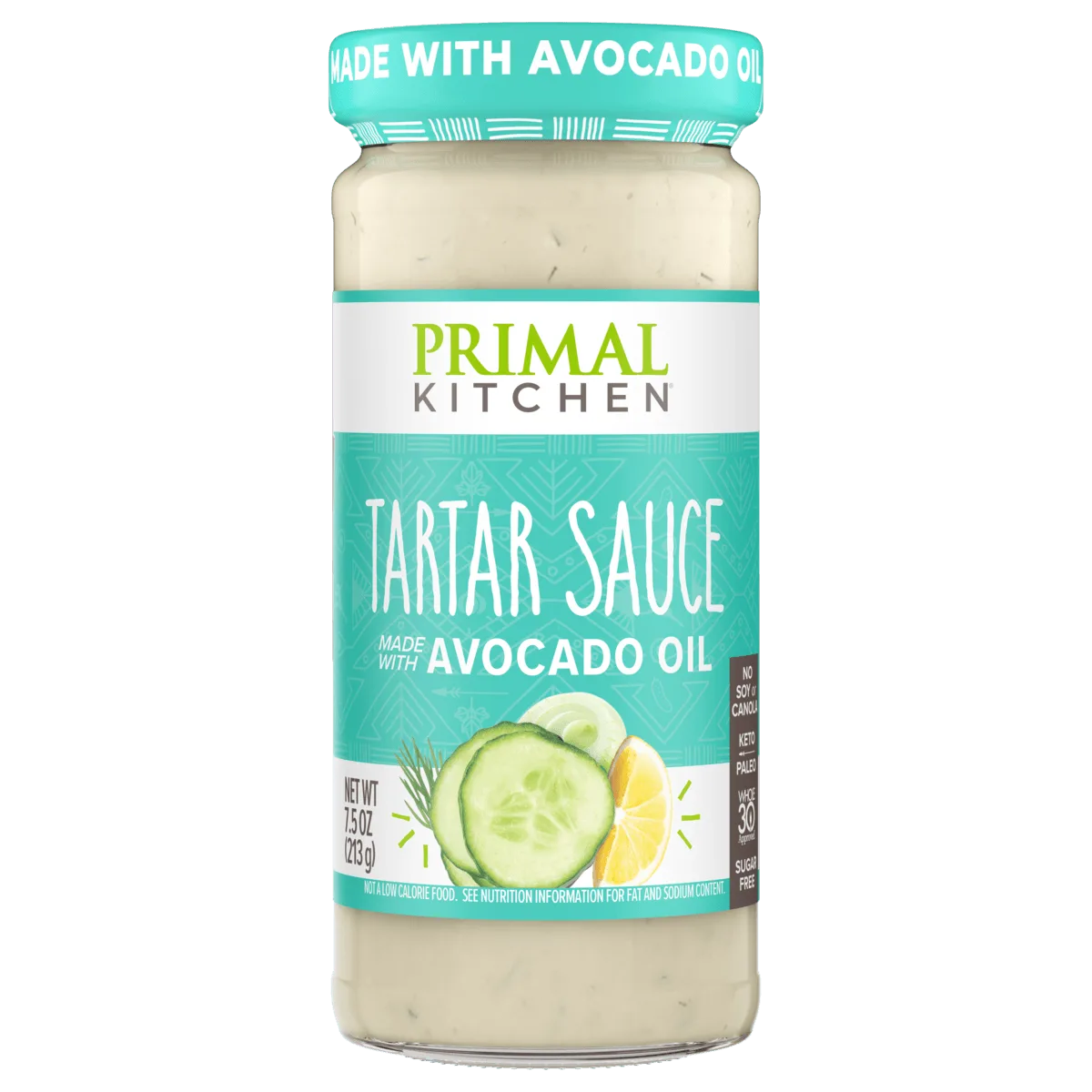
Finally, taste a tiny amount. If the flavor is off — bitter, metallic, or just not right — don’t use it. Clean sauces rely on fresh oils and vinegars, so any rancidity will be noticeable. For products like Cocktail Sauce or Tartar Sauce, the vinegar and spices help preserve them, but they’re not immune to spoilage. When in doubt, remember: it’s better to replace a $10 bottle than risk an upset stomach.
- Mold, fuzz, or discoloration = discard immediately.
- Rancid, sour, or chemical smell = oil has gone bad.
- Unusual texture (grainy, slimy) = spoilage, not just separation.
Best Storage Practices for Primal Kitchen Sauces
Proper storage dramatically extends the shelf life of your clean sauces. Most Primal Kitchen dressings, mayos, and sauces should be refrigerated after opening — this includes your Garlic Aioli Mayo, Tartar Sauce, and any vinaigrettes like Italian Vinaigrette & Marinade. The cool, dark environment of the fridge slows oxidation and keeps the avocado oil fresh. For unopened bottles, a pantry away from direct sunlight and heat is ideal.
If you’ve got a bottle of Primal Omegas or a collagen supplement like COLLAGEN FUEL Drink Mix - Chocolate, those have their own storage guidelines (usually cool, dry place). But for sauces, the fridge is your best friend. Also, avoid cross-contamination: never dip a used spoon or knife into the bottle. Instead, spoon out what you need into a separate dish. This simple habit keeps bacteria from spoiling the entire bottle.
- Refrigerate all opened sauces, dressings, and mayos.
- Keep unopened bottles in a cool, dark pantry (below 75°F).
- Use clean utensils every time to avoid introducing bacteria.
How Long Do Primal Kitchen Sauces Last After Opening?
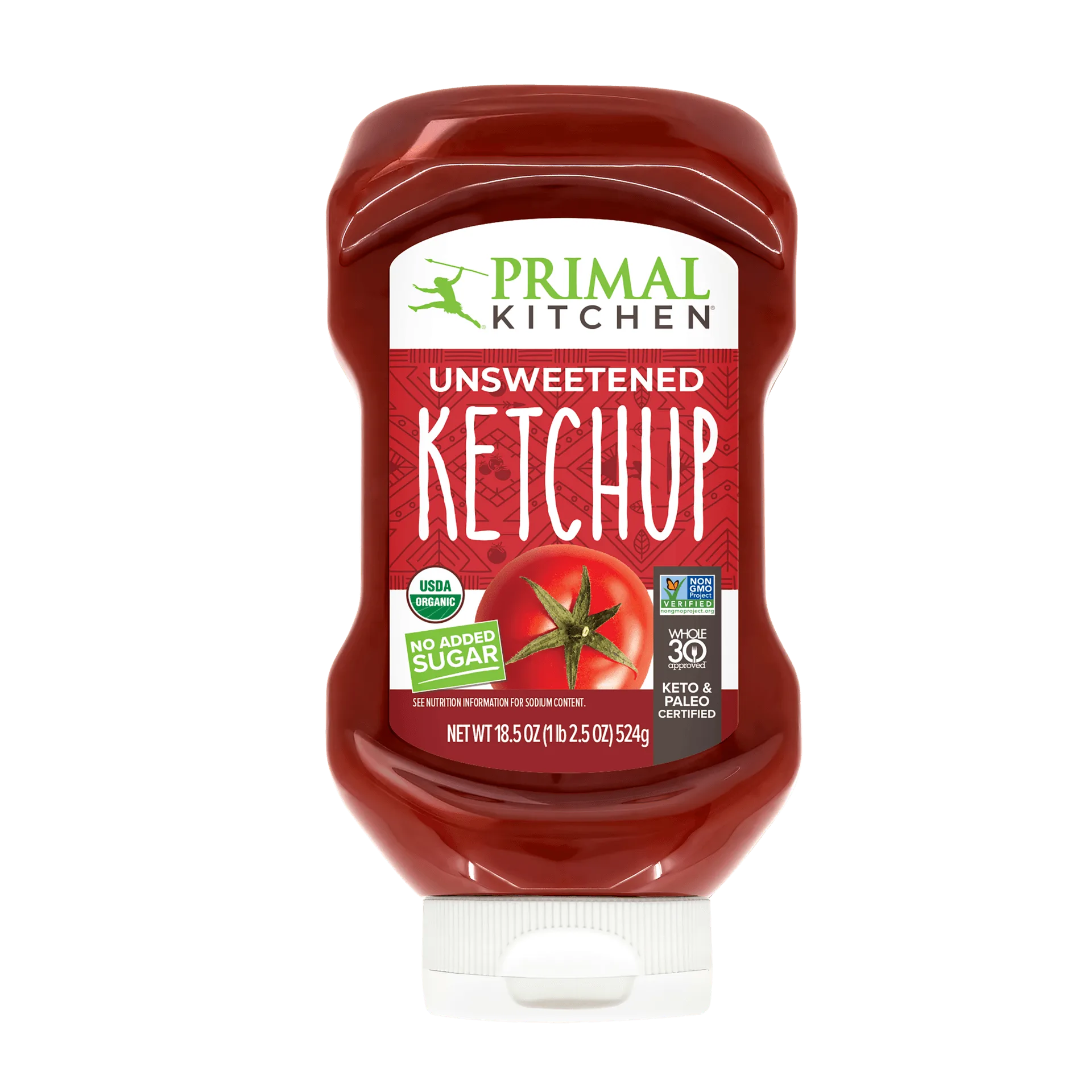
While exact timelines vary by product, here’s a general guide for common Primal Kitchen sauces. Mayonnaises and aioli-based sauces (like Garlic Aioli Mayo) last about 3–4 months refrigerated after opening. Vinaigrettes and dressings (such as Plant Based Caesar Dressing made with Avocado Oil) can last 4–6 months because of their vinegar content. Tomato-based sauces like Sundried Tomato Pasta Sauce and pizza sauces hold up for 6–8 months in the fridge. Ketchup, mustard, and vinegar-based condiments (like Sesame Ginger Vinaigrette & Marinade) are the most stable, often lasting up to a year.
For specialty items like Cocktail Sauce or Tartar Sauce, the horseradish and vinegar help preserve them, but they’re best used within 4–5 months. Always check for separation — a quick shake is normal, but if the sauce doesn’t re-emulsify, it may be past its prime. Remember: these are general estimates. Your fridge’s temperature, how often you open the bottle, and even the humidity in your kitchen can affect freshness.
- Mayo/aioli: 3–4 months (e.g., Garlic Aioli Mayo).
- Vinaigrettes/dressings: 4–6 months (e.g., Italian Vinaigrette & Marinade).
- Tomato sauces: 6–8 months (e.g., Sundried Tomato Pasta Sauce).
- Ketchup/mustard/vinegar-based: up to 12 months.
Can You Freeze Primal Kitchen Sauces?
Freezing is an option for some sauces, but not all. Creamy sauces like Creamy Cashew Alfredo Sauce or Garlic Aioli Mayo may separate when thawed, resulting in a grainy texture. However, if you’re planning to use them in cooked dishes (like a casserole or stir-fry), the texture change won’t matter much. Vinaigrettes and oil-based dressings freeze poorly because the oil and water separate irreversibly — better to keep those in the fridge.
Tomato-based sauces (like Sundried Tomato Pasta Sauce) freeze beautifully. Pour them into freezer-safe containers, leaving a little headroom for expansion, and they’ll keep for up to 6 months. For best results, thaw in the fridge overnight and give them a good stir before using. Avoid freezing any sauce in glass jars — the expansion can cause breakage. Stick to plastic or silicone containers.
- Freeze tomato-based sauces (up to 6 months).
- Avoid freezing creamy sauces or vinaigrettes — texture will suffer.
- Thaw in the fridge, not on the counter, for food safety.
Knowing how to check Primal Kitchen sauce expiration and store your bottles correctly means less waste and more delicious, clean meals. Whether you’re drizzling Sesame Ginger Vinaigrette & Marinade over a salad or dipping veggies into Garlic Aioli Mayo, a little care goes a long way. Next time you’re organizing your pantry, take a moment to check dates and give your sauces a quick sniff test — your taste buds will thank you. Explore our full range of clean sauces and dressings to stock up on fresh favorites.