Quick Answer
Printed Swedish dishcloths are durable, absorbent, and eco-friendly, but some myths about fading and quality persist. Here are the facts.
Why Myths Persist
Swedish dishcloths have gained popularity as a paper towel alternative, but with popularity comes misinformation. Many myths stem from confusion with lower-quality reusable cloths or from misunderstanding how the material works.
Understanding the actual construction and care of these cloths helps you get the most value and longevity from them.
The Trade-Off: Prints vs. Plain Cloths
Printed designs add personality to your kitchen, but some worry that prints might affect performance or durability. In reality, the print is part of the cloth's design and does not compromise its absorbency or strength.
If you're concerned about fading, proper care—like avoiding bleach and high heat—will keep prints vibrant longer.
Myth vs. Fact: Verdicts
- Myth: Prints fade after a few washes: Verdict: False with proper care. Avoid bleach and high heat; air dry or tumble dry low to keep prints vibrant. Use mild detergent and skip the dryer for longest print life.
- Myth: Swedish dishcloths are not durable: Verdict: False. One cloth can replace up to 17 rolls of paper towels, showing its long-lasting nature. Expect months of use from a single cloth with regular care.
- Myth: They are not truly eco-friendly: Verdict: False. By replacing paper towels, they reduce waste and are a sustainable cleaning option. Switch to Swedish dishcloths to cut down on disposable waste.
Product Facts
-
Tuscany Vineyard Swedish Dishcloth | ECO Friendly Absorbent Cleaning Cloth: Each cloth can replace up to 17 rolls of paper towels and absorb 20 times its weight in liquid. This means a single cloth is highly durable and effective, debunking the myth that they wear out quickly.
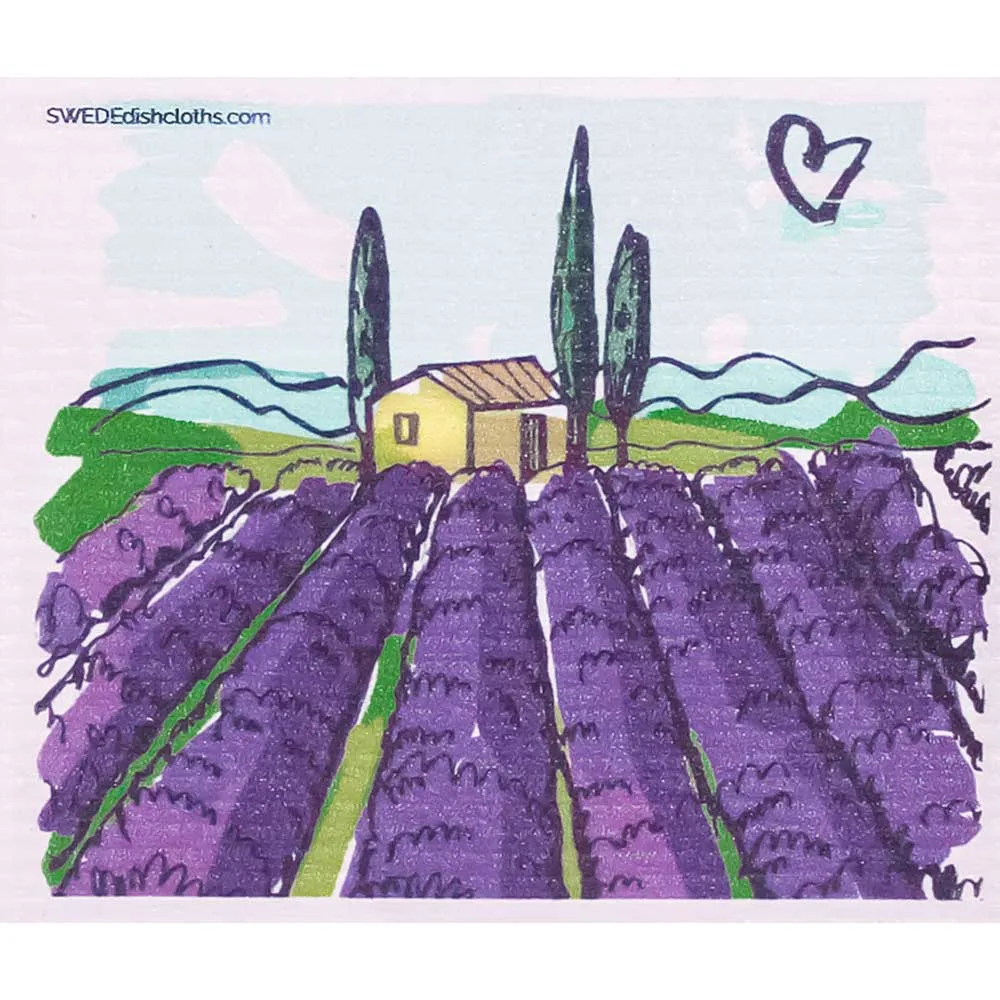
Tuscany Vineyard Swedish Dishcloth | ECO Friendly Absorbent Cleaning Cloth
-
Christmas Gnome Swedish Dishcloth | ECO Friendly Absorbent Cleaning Cloth: Designed as an eco-friendly alternative, this cloth absorbs 20 times its weight, making it a practical replacement for disposable towels. The absorbency and reusability make it a cost-effective and sustainable choice for daily cleaning.
Christmas Gnome Swedish Dishcloth | ECO Friendly Absorbent Cleaning Cloth
Christmas Gnome Swedish Dishcloth | ECO Friendly Absorbent Cleaning Cloth