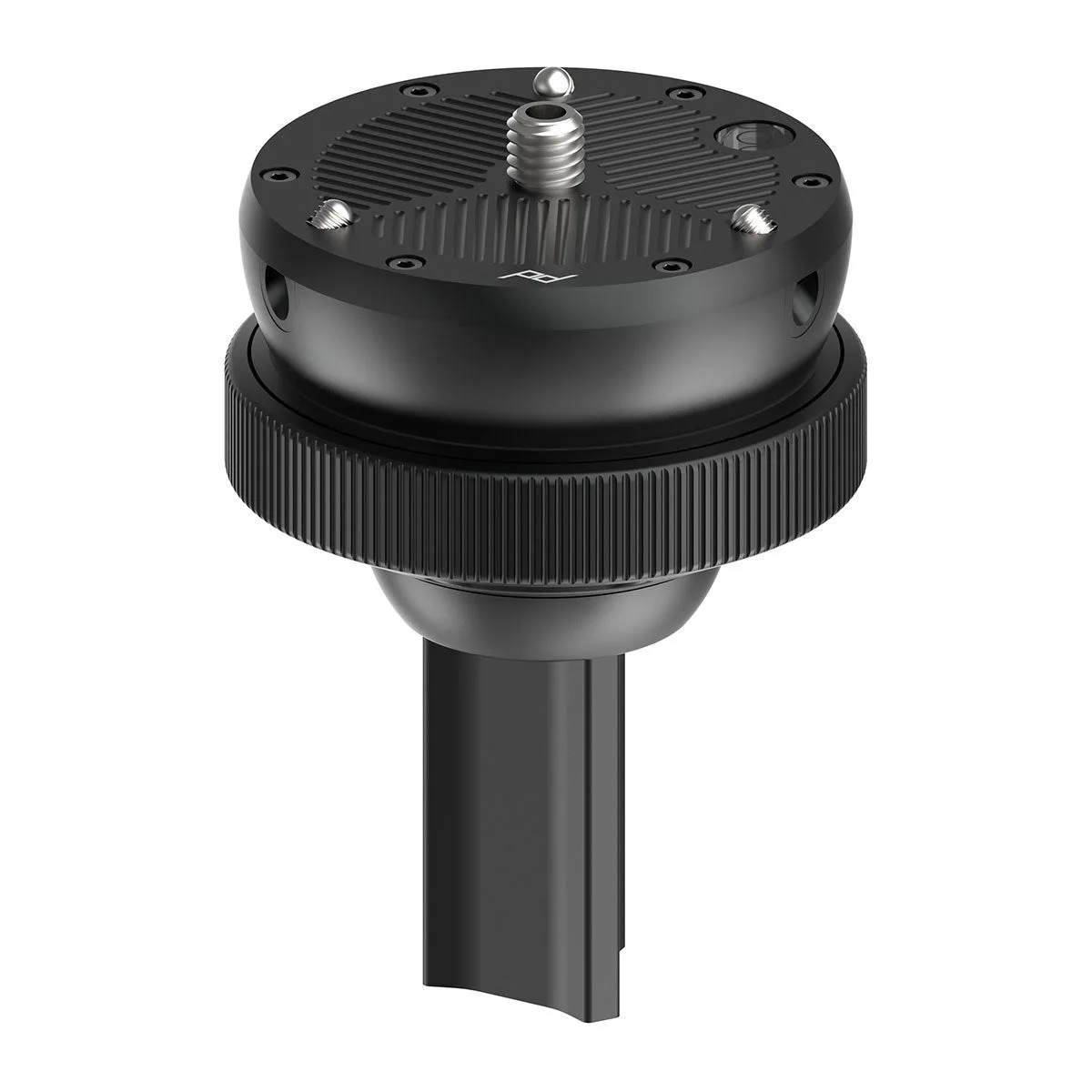
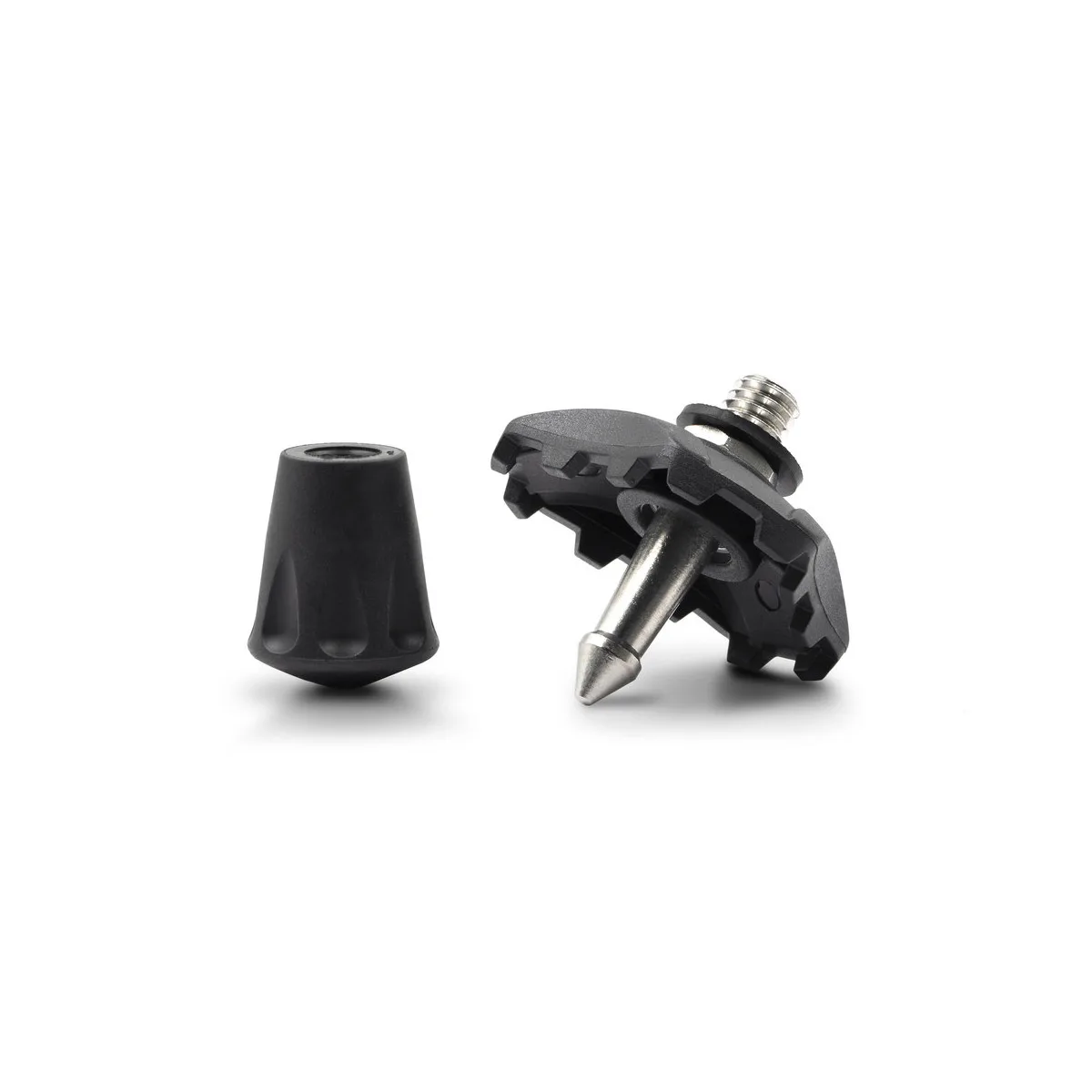
Why Compare Tripod Feet?
The feet on your tripod may seem like a small detail, but they can make the difference between a steady shot and a wobble. Peak Design Pro Tripods come with standard rubber feet that work well on most surfaces. However, when you're shooting on ice, smooth rocks, or loose terrain, standard feet may slip or sink. That's where the Pro Tripod Spike Feet come in—they are designed to provide superior stability and grip on exactly those challenging surfaces.
Pro Tripod Spike Feet at a Glance
-
Pro Tripod | Spike Feet: Achieve superior stability and grip with Peak Design Tripods when shooting on slippery or loose terrain. This is the core reason to consider spike feet—they are purpose-built for conditions where standard rubber feet lose traction.
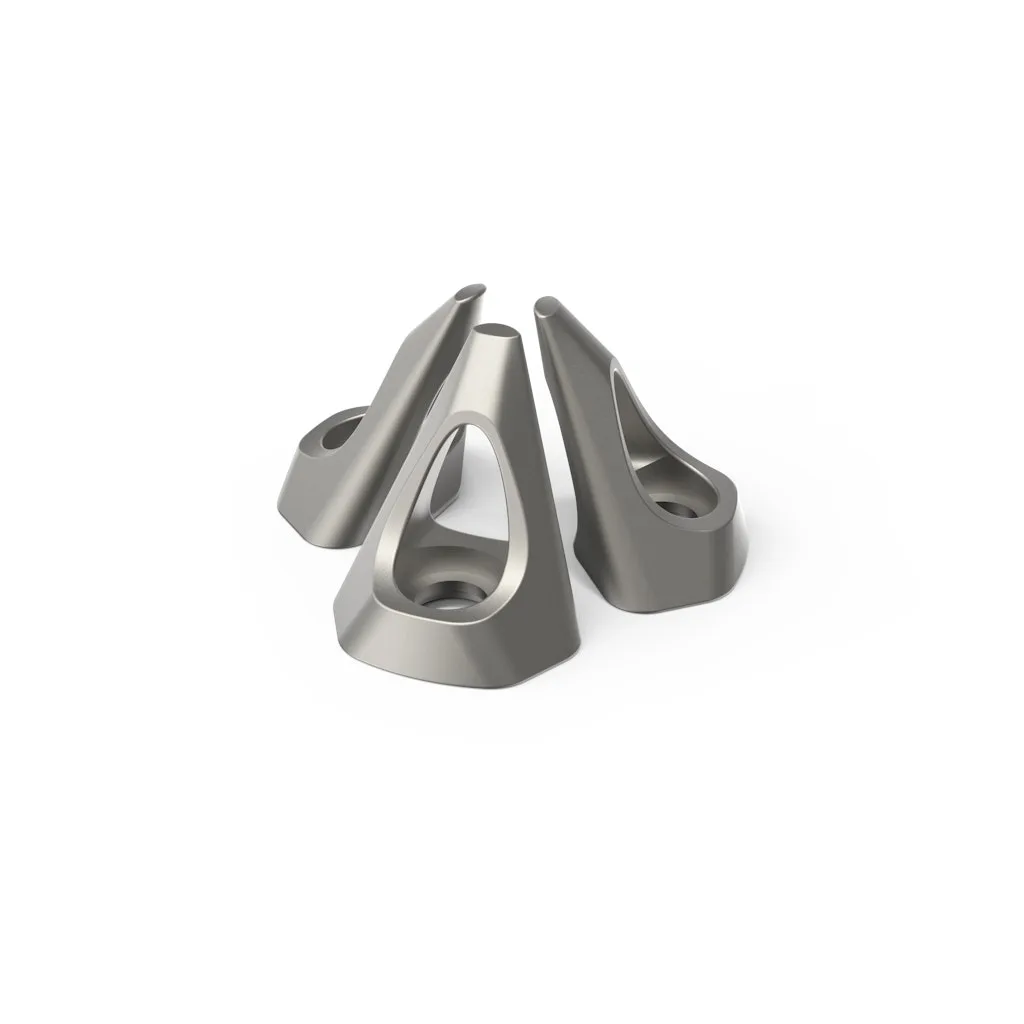
Pro Tripod | Spike Feet
-
Pro Tripod | Spike Feet: Ideal for shooting on ice, smooth rocks, and loose terrain. These specific use cases help you decide if the upgrade is worth it for your typical shooting environments.
-
Pro Tripod | Spike Feet: Color: Silver The silver finish is a visual cue that these are metal spikes, not rubber. It also means they may be more visible against dark ground.
Standard Feet: The Everyday Default
The standard rubber feet that come with your Pro Tripod are designed for general-purpose use. They provide good grip on pavement, tile, wood floors, and packed dirt. They are also gentler on indoor surfaces and won't scratch or dent most floors. For most photographers, standard feet are all you need—until you step onto ice, a smooth rock slab, or loose gravel. On those surfaces, rubber can slide or skid, and the tripod may not feel as planted as you'd like.
When Spike Feet Excel
The Pro Tripod Spike Feet are designed to dig into slippery or loose surfaces. On ice, the metal points bite into the frozen surface, reducing the chance of slipping. On smooth rocks, they provide a more positive grip than rubber. On loose terrain like gravel, sand, or soil, the spikes can penetrate the surface to find a stable base. The trade-off is that they are not ideal for indoor use—they can scratch delicate floors and may not sit flat on hard, smooth surfaces.
Key Differences at a Glance
- Surface compatibility: Standard feet: pavement, tile, wood, packed dirt. Spike feet: ice, smooth rocks, loose terrain.
- Stability on slippery surfaces: Standard feet can slip on ice or smooth rock. Spike feet provide superior grip by digging into the surface.
- Indoor use: Standard feet are safe on most indoor floors. Spike feet may scratch or dent delicate surfaces.
- Ease of swapping: Both feet types are designed to be swapped on the Pro Tripod legs. The supplied information does not detail specific installation steps, but the process is straightforward.
Which Should You Choose?
If you primarily shoot indoors or on paved surfaces, stick with the standard feet. They are versatile, floor-friendly, and already included with your tripod. If you frequently shoot outdoors on ice, smooth rocks, or loose terrain, the Pro Tripod Spike Feet are a worthwhile addition. They give you the confidence that your tripod won't slide or sink when you need it most. Many photographers who shoot in varied conditions keep both sets and swap them as needed.
What the Supplied Information Does Not Cover
The available product records do not include installation instructions, compatibility with specific Pro Tripod models beyond the general description, or performance comparisons with third-party spike feet. If you need exact installation steps or model compatibility details, refer to the product packaging or Peak Design's official resources.