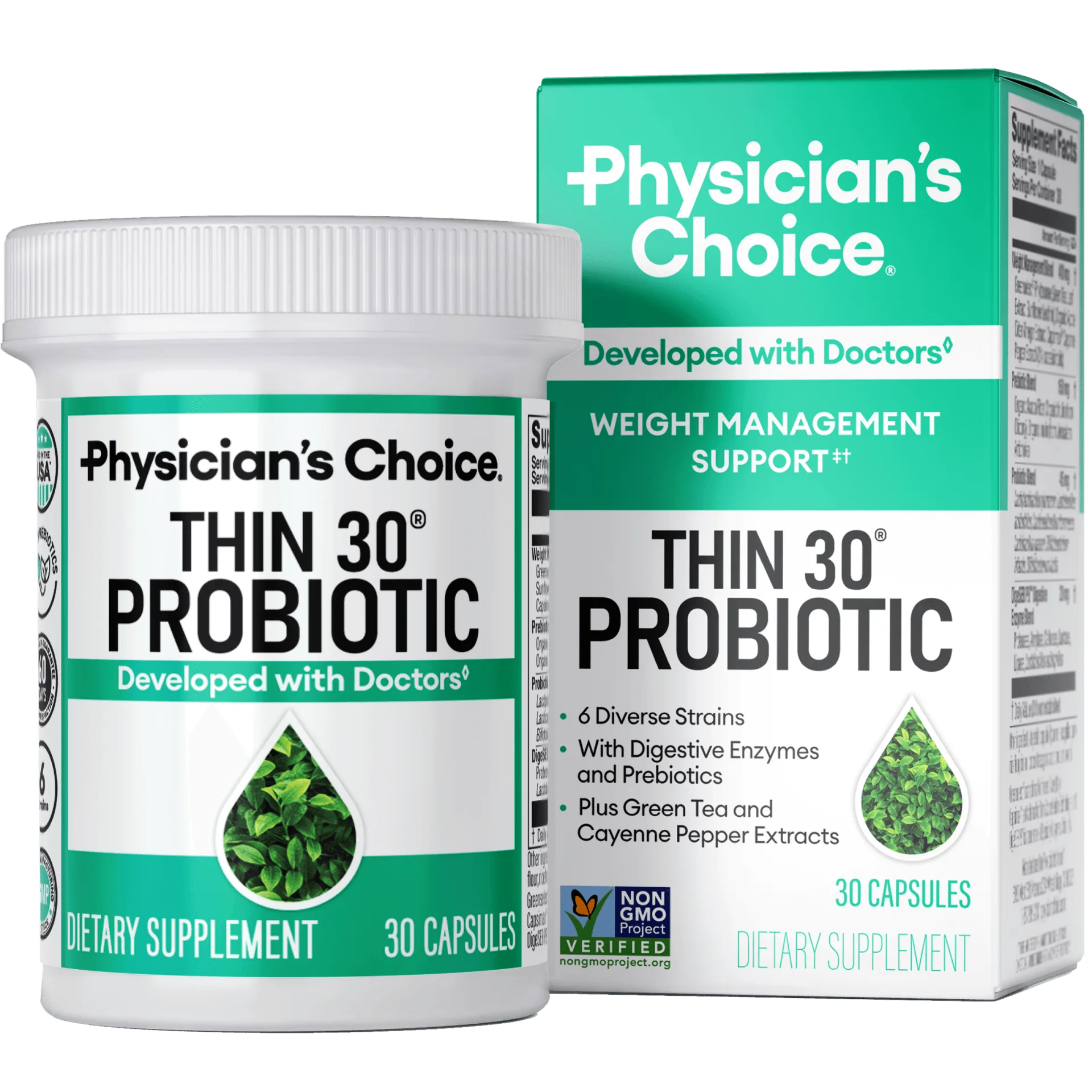
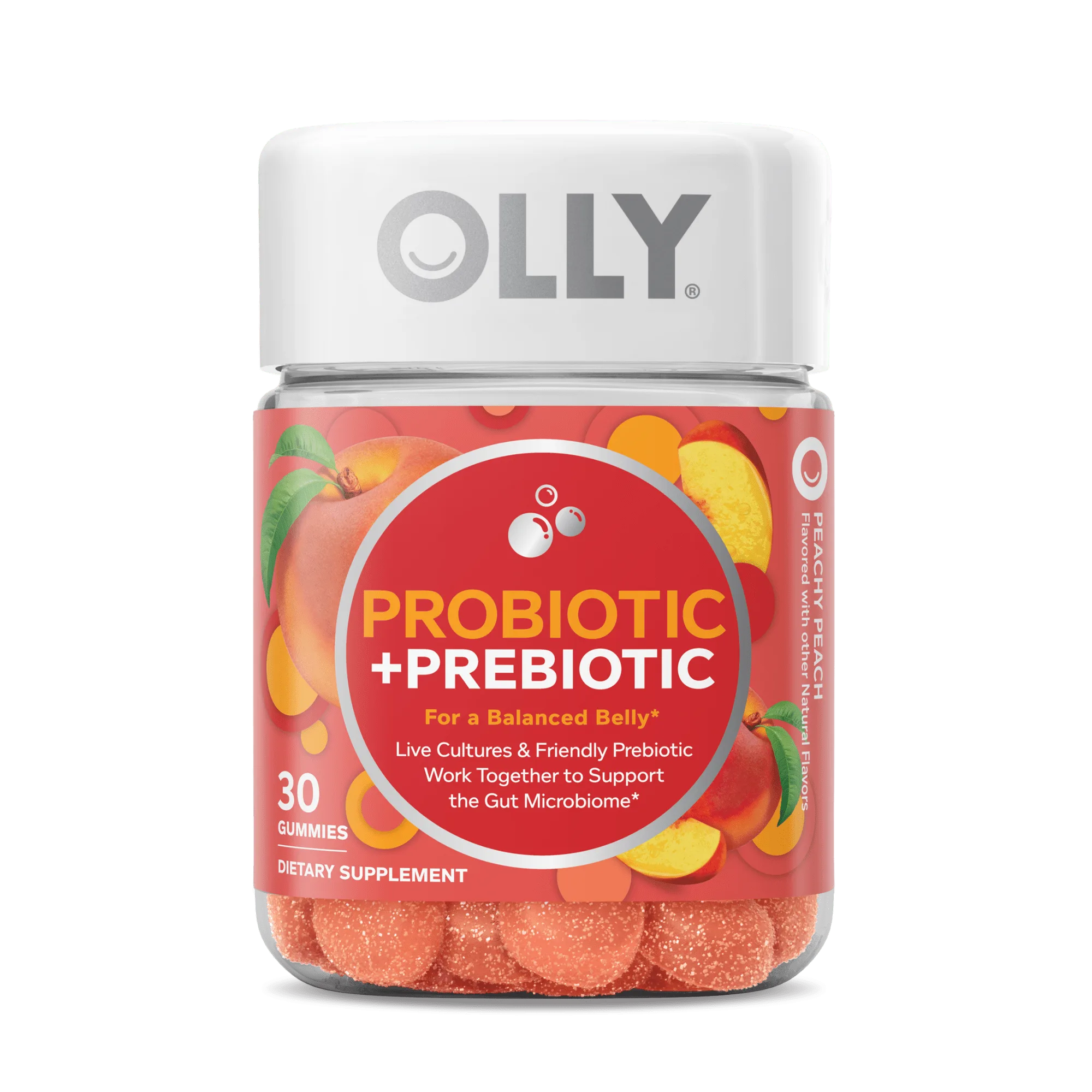
Probiotics have earned a well-deserved reputation as gut health heroes, but they don't work in isolation. To truly thrive, these beneficial bacteria need fuel — and that fuel comes from fiber. When you combine a probiotic with a prebiotic fiber, you create a synbiotic relationship that amplifies digestive benefits. This article explores why the probiotic and fiber combination is more effective than taking either alone, and how you can incorporate it into your daily routine.
Many people take probiotics expecting immediate relief from bloating or irregularity, only to be disappointed. The missing piece is often prebiotic fiber. Prebiotics are non-digestible fibers that feed the good bacteria in your gut, helping them colonize and multiply. Without this nourishment, probiotics may pass through your system without establishing a lasting presence. That's why a synbiotic approach — pairing probiotics with prebiotic fiber — is gaining traction among health experts.
What Is a Synbiotic and Why Does It Matter?
A synbiotic is a supplement that combines probiotics (live beneficial bacteria) with prebiotics (food for those bacteria). The term comes from the Greek word 'syn' meaning together, and 'biosis' meaning life. By delivering both components, synbiotics aim to improve the survival and activity of probiotics in the gut. Research suggests that synbiotics can enhance gut barrier function, reduce inflammation, and support regular bowel movements more effectively than probiotics alone.
For example, if you take a probiotic like the Bloat + Gas Probiotic, which contains targeted strains for digestive comfort, pairing it with a prebiotic fiber source can help those strains settle in and work longer. This is especially important for individuals with digestive issues such as bloating, gas, or constipation. The fiber acts as a fertilizer, encouraging the growth of beneficial bacteria while also adding bulk to stools for easier passage.
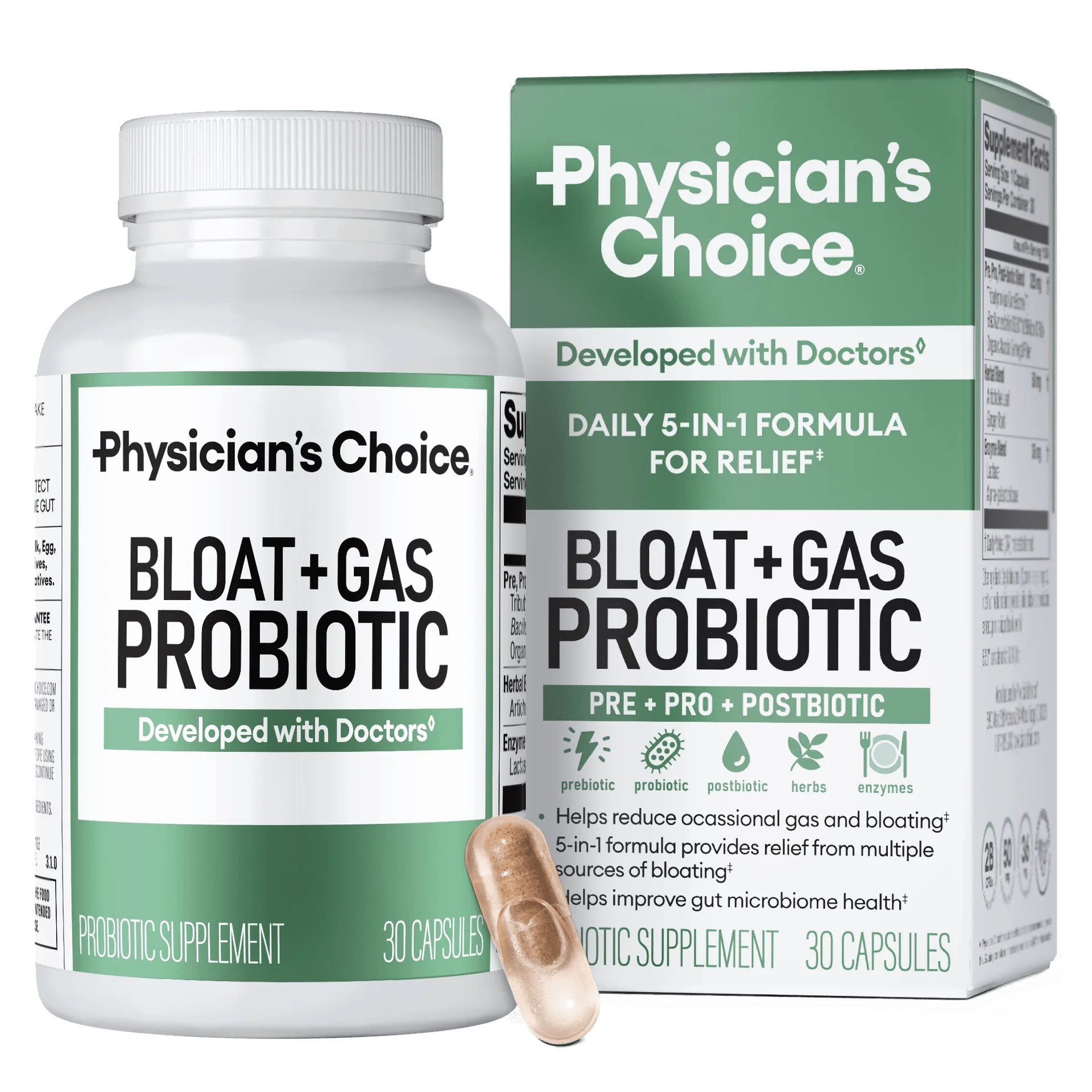
Bloat + Gas Probiotic
- Synbiotics improve probiotic survival through the digestive tract.
- Prebiotic fiber feeds good bacteria, enhancing their colonization.
- Combined approach may reduce bloating and support regularity.
The Best Fiber Probiotic Combination for Daily Use
Not all fibers are created equal when it comes to synbiotic benefits. Soluble fibers like inulin, fructooligosaccharides (FOS), and psyllium are commonly used as prebiotics. They dissolve in water and form a gel-like substance that slows digestion and feeds gut bacteria. One convenient way to get both probiotics and prebiotic fiber is through Easy Mix Fiber - Unflavored, which can be added to water or smoothies without altering taste. This product provides a gentle fiber boost that complements any probiotic regimen.
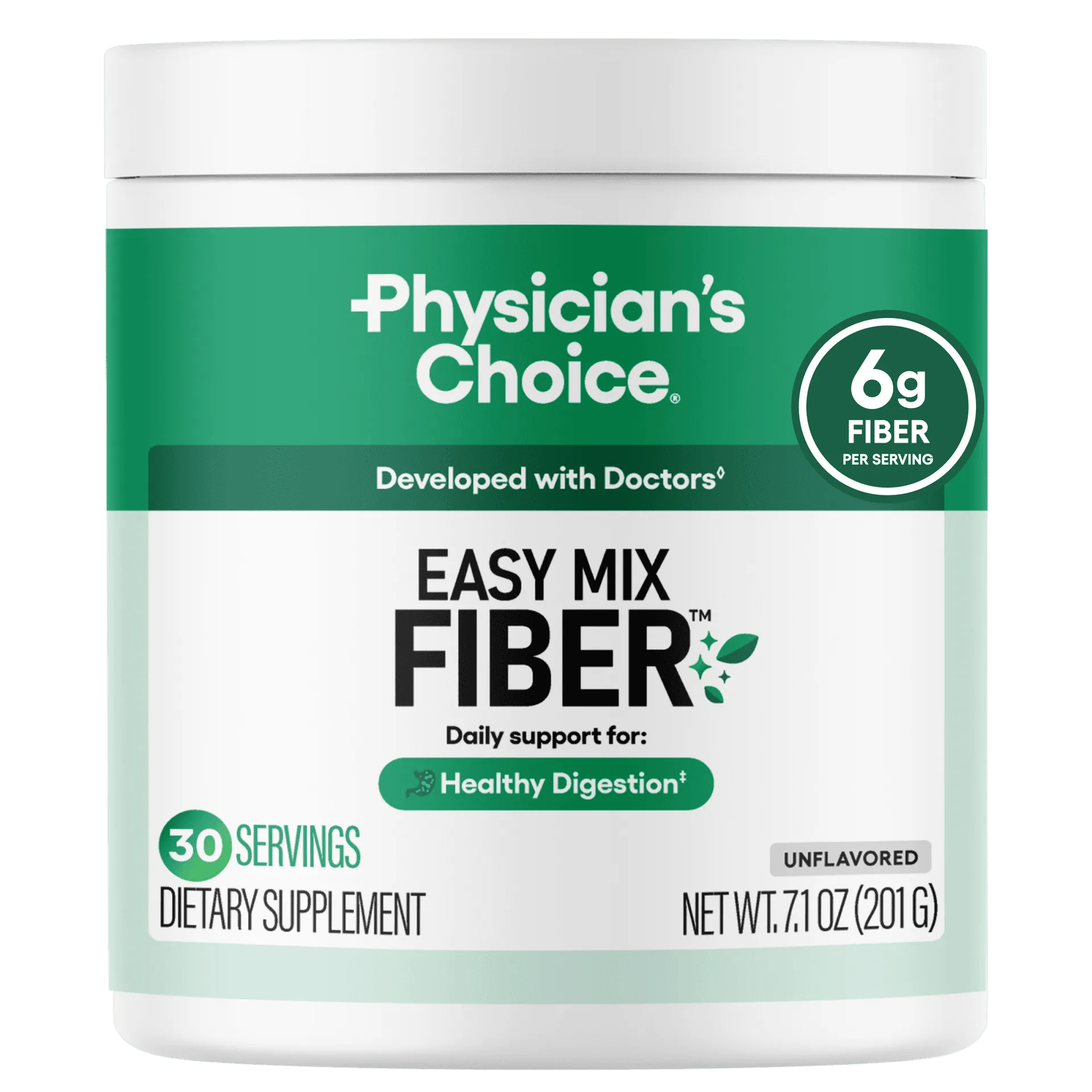
Easy Mix Fiber - Unflavored
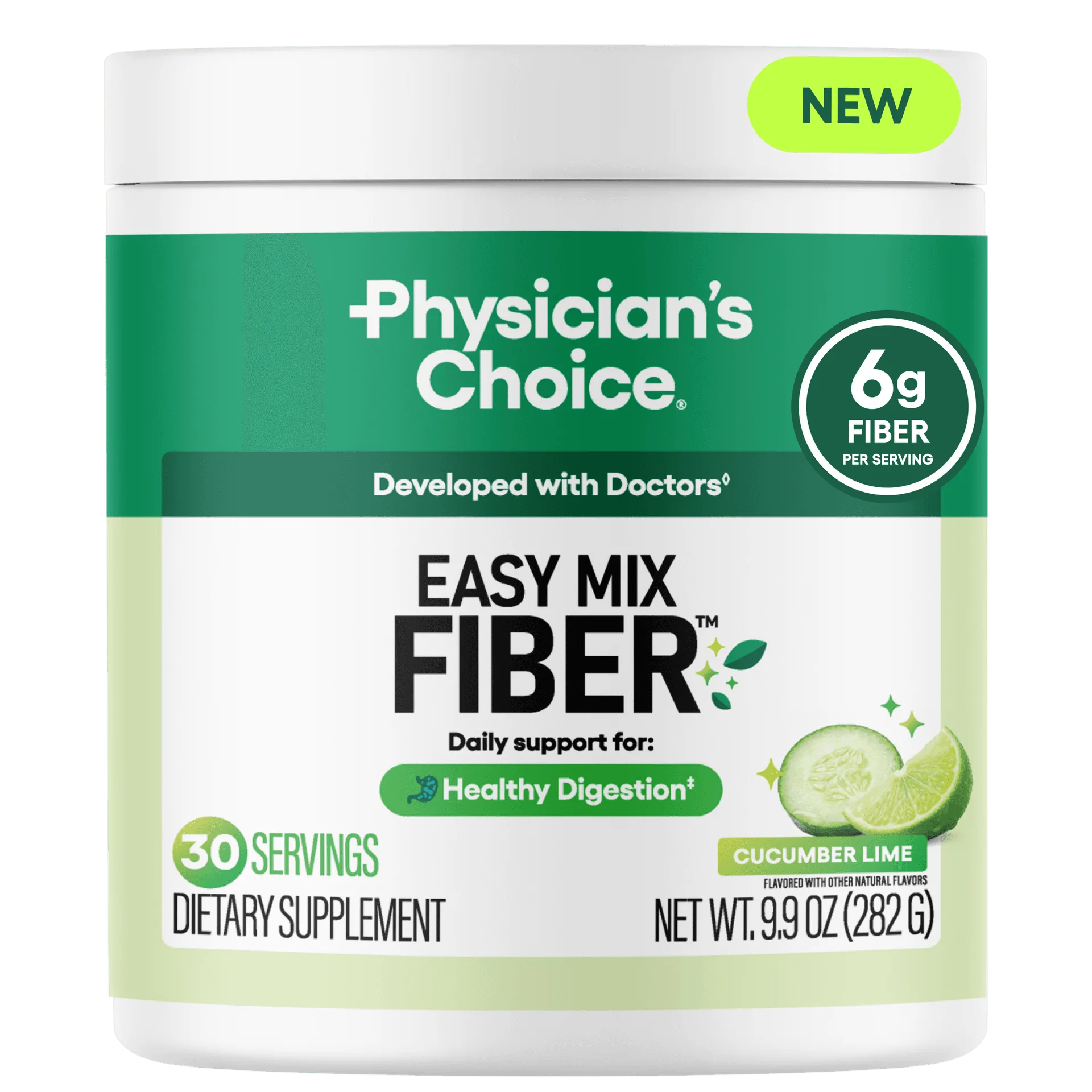
For those who prefer a flavored option, Easy Mix Fiber - Cucumber Lime offers a refreshing twist while delivering the same prebiotic benefits. Pairing these fiber supplements with a daily probiotic creates a simple yet powerful synbiotic routine. The key is consistency: taking both daily helps maintain a healthy gut microbiome over time. Unlike some probiotics that need refrigeration, these fiber sticks are shelf-stable and portable, making them easy to incorporate into a busy lifestyle.
- Soluble fibers like inulin and FOS are excellent prebiotics.
- Easy Mix Fiber - Unflavored is a versatile, tasteless option.
- Easy Mix Fiber - Cucumber Lime adds flavor without sugar.
How to Choose the Right Synbiotic Products
When selecting a synbiotic combination, consider your specific health goals. If you struggle with bloating and gas, look for a probiotic that targets those symptoms, such as Bloat + Gas Probiotic, and pair it with a prebiotic fiber. For overall digestive health, a broad-spectrum probiotic combined with a daily fiber supplement may suffice. It's also important to check the CFU count and strain diversity of the probiotic, as well as the type of fiber used in the prebiotic.
Another factor to consider is the form of the supplement. Probiotics come in capsules, powders, and gummies, while fibers are often powders or chewables. Choosing a powder-based fiber like Easy Mix Fiber allows you to adjust the dosage easily and mix it with your probiotic if both are powders. Some products already combine probiotics and prebiotics in one formula, but separate products give you more control over the amounts. Always start with a lower dose of fiber to allow your gut to adjust, then gradually increase.
- Match probiotic strains to your digestive concerns (e.g., bloating).
- Powder forms offer flexibility in dosing and mixing.
- Start fiber slowly to avoid gas or discomfort.
Taking a probiotic without prebiotic fiber is like planting seeds in barren soil — they may not grow. By adopting a synbiotic approach, you give your gut bacteria the nourishment they need to flourish. Whether you choose a targeted probiotic like Bloat + Gas Probiotic or a versatile fiber like Easy Mix Fiber - Unflavored, combining these two elements can transform your digestive health. Ready to experience the synbiotic difference? Explore our selection of probiotics and fiber supplements to find the perfect pair for your needs.