Quick answer
Both probiotic capsules and fermented foods can support gut health, but the best choice depends on your need for convenience, potency, and diet variety. Capsules offer targeted doses and stability, while fermented foods provide whole-food nutrients alongside live cultures.
Why delivery method matters for gut health
Probiotic capsules are designed to survive stomach acid and adhere to the intestinal lining, delivering a consistent dose of live bacteria. Fermented foods like yogurt, kimchi, and sauerkraut contain live cultures but also bring fiber, vitamins, and enzymes that support overall digestion.
The trade-off is control versus complexity. With capsules you know exactly how many CFUs (colony-forming units) you get each serving. With fermented foods you get a broader microbial variety but less predictable potency, especially if the food is pasteurized or stored improperly.
Convenience and cost trade-offs
Probiotic capsules are portable, shelf-stable, and require no preparation—just swallow with water. Fermented foods need refrigeration, have shorter shelf lives, and must be incorporated into meals or snacks.
Cost also differs. A month's supply of a quality probiotic capsule like Intebact Probiotic Capsule 10s (catalog price USD 182.00, compared to USD 280.00) can be pricier upfront than buying raw ingredients for homemade ferments. However, buying ready-made fermented foods from stores adds up fast, especially for specialty items.
Who should lean toward capsules
If you travel often, have a busy schedule, or need a guaranteed daily dose for a specific gut issue (like diarrhea or bloating), capsules provide reliability. Intebact Probiotic Capsule's strong mucus adhesion and stomach-pH stability mean the bacteria reach your gut alive and ready to colonize.
Capsules also suit people who dislike strong fermented flavors or have dietary restrictions (e.g., low-sodium, low-histamine) that limit fermented food choices.
Trade-offs at a glance
- Probiotic capsules: Deliver a consistent, high-potency dose of specific strains. Stable at room temperature and easy to travel with. Best for targeted gut issues or when diet variety is limited.
- Fermented foods: Provide live cultures plus fiber, vitamins, and enzymes. Offer microbial diversity but potency varies. Require refrigeration and meal planning.
- Combining both: Use a capsule for a reliable baseline dose and add fermented foods when convenient for extra diversity and nutrients. This covers consistency and variety. Start with a daily capsule and add one serving of fermented food (like yogurt or kimchi) a few times per week.
Product spotlight
-
Intebact Probiotic Capsule 10s – Best Solution for Gastrointestinal Health: Intebact Probiotic Capsule uses unique probiotics technology for strong mucus adhesion and is stable at stomach pH. This means the bacteria survive digestion and attach to your gut lining, improving colonization and digestive balance.
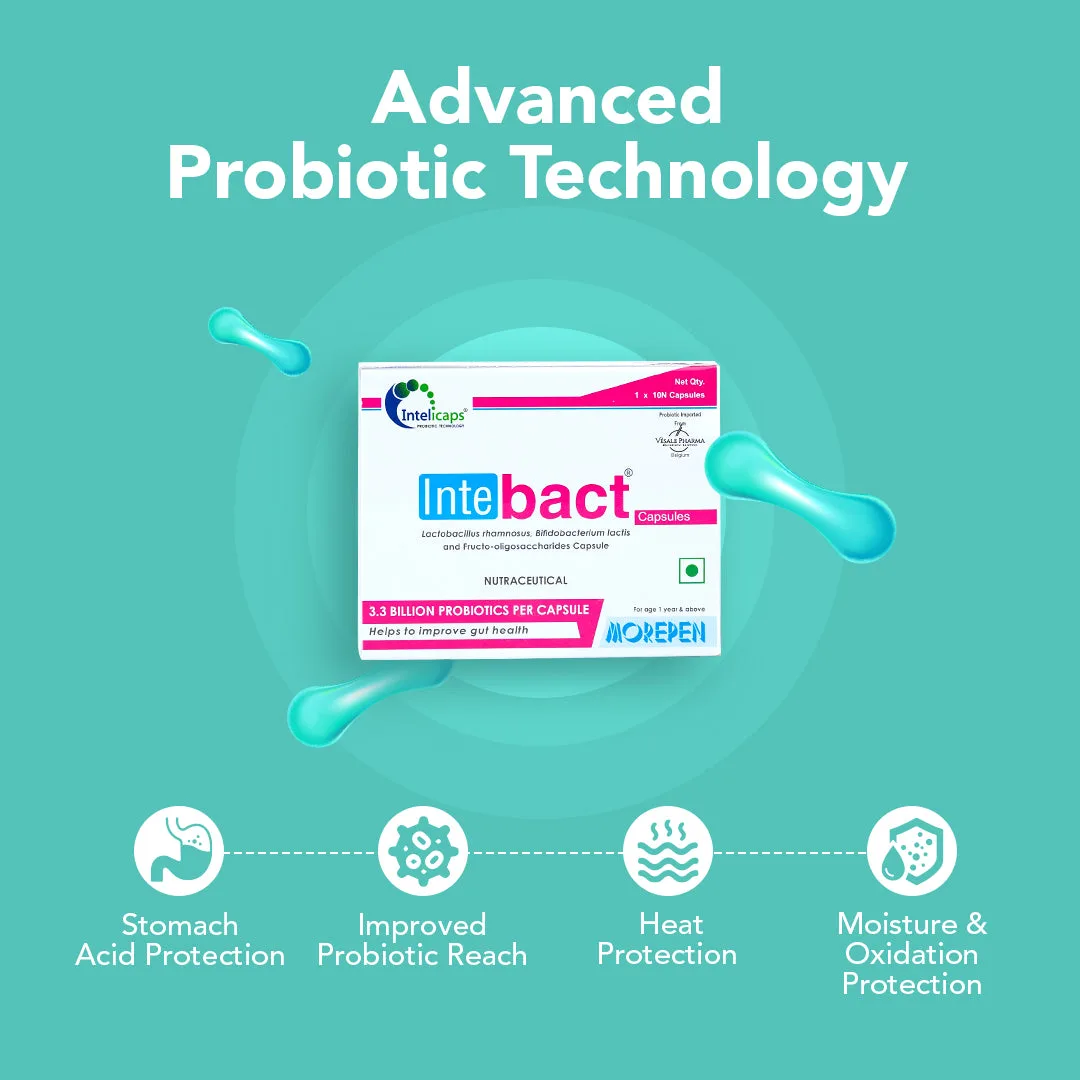
Intebact Probiotic Capsule 10s – Best Solution for Gastrointestinal Health
Which gut support fits you?
Best for
- People who want a predictable, potent daily dose without dietary changes
- Travelers or those with irregular meal schedules
- Anyone managing specific GI symptoms like bloating or diarrhea
Not ideal for
- Those who prefer whole-food sources and enjoy cooking or fermenting at home
- Individuals seeking a budget-friendly option with no upfront supplement cost