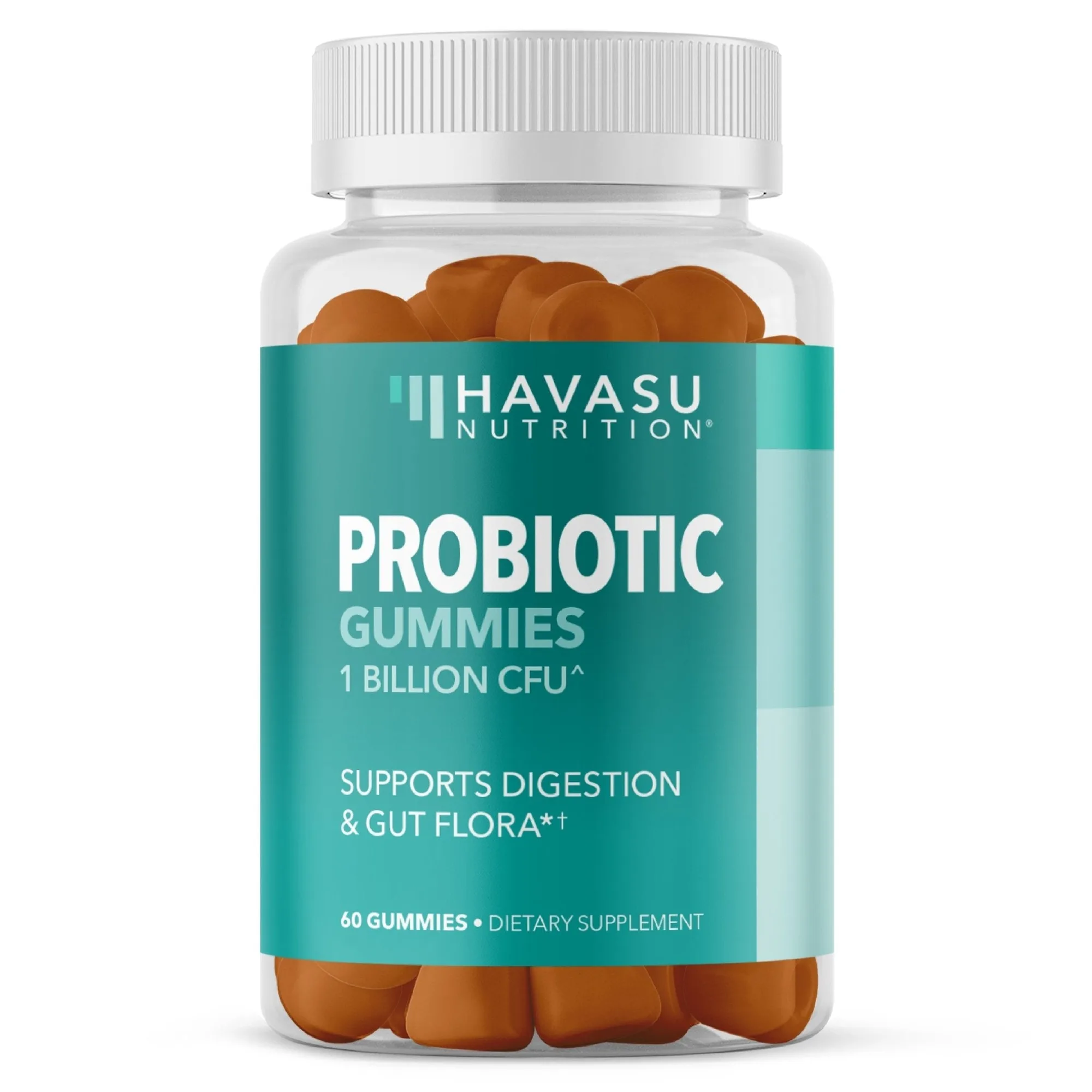
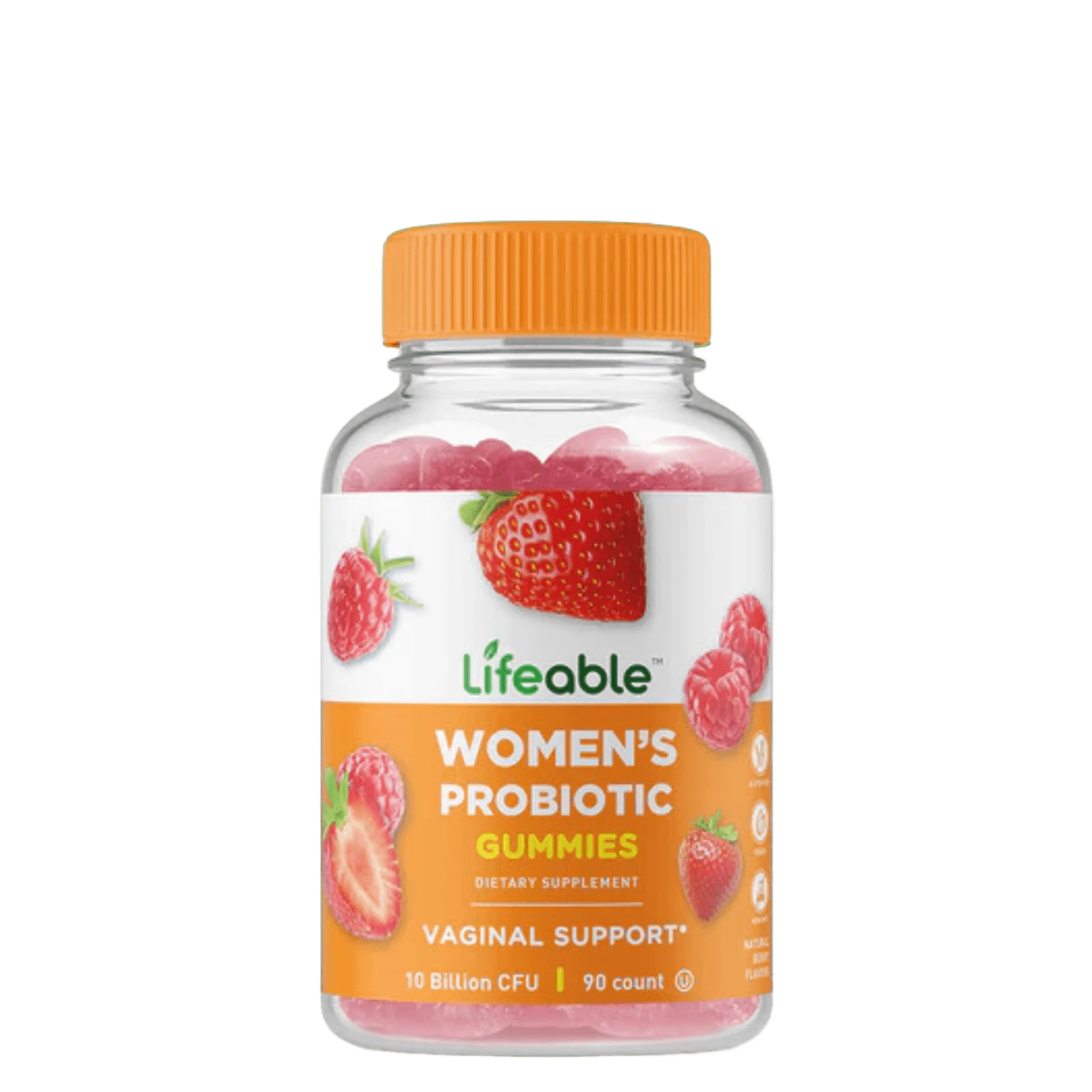
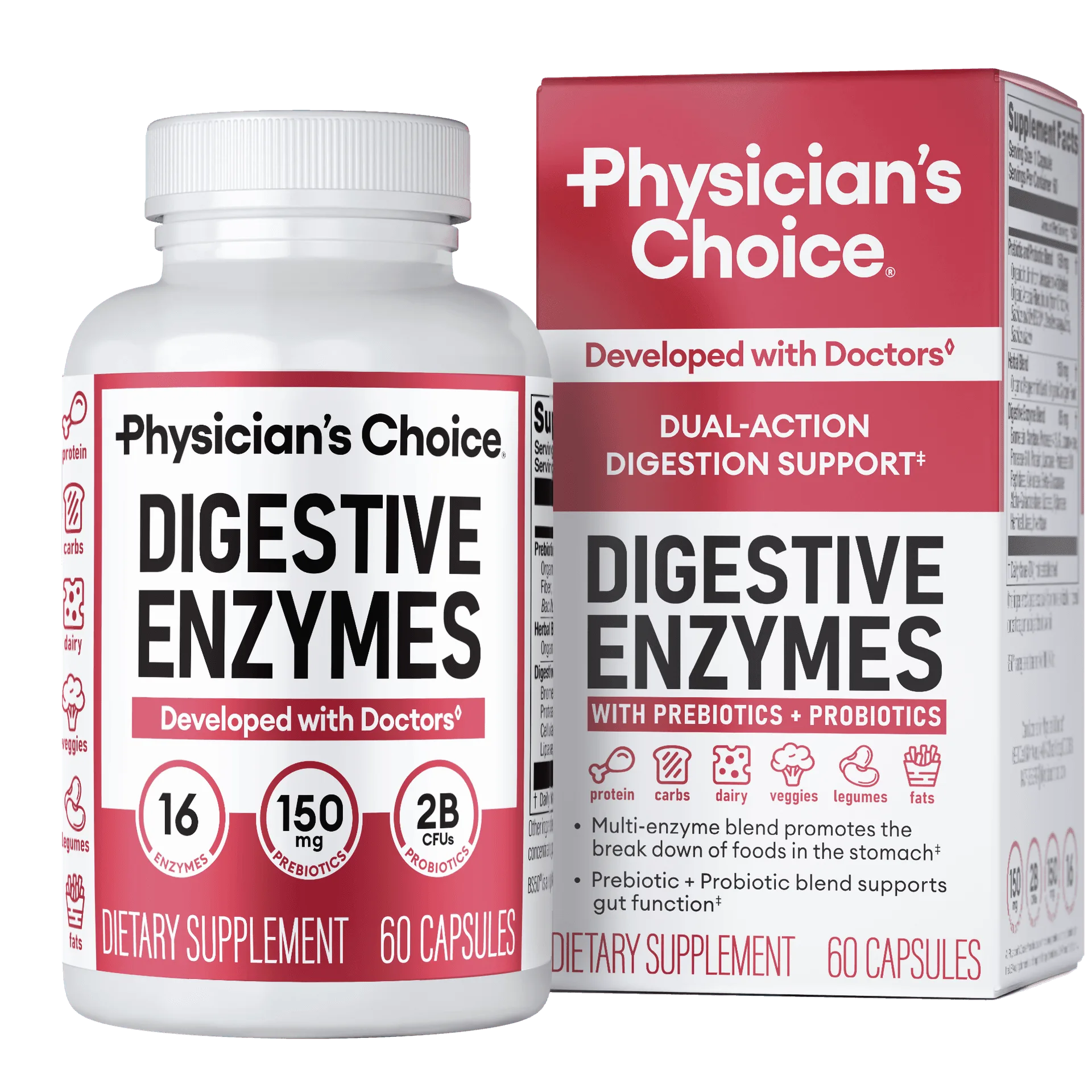
Capsules vs Gummies: What to Consider for Women's Gut Health
When choosing a probiotic supplement, the format matters as much as the ingredients. Capsules and gummies serve the same purpose but differ in how they deliver active cultures, how they fit into a daily routine, and what additional ingredients they may include. For women looking to support digestive and feminine health, the decision often comes down to formulation flexibility, convenience, and dietary restrictions.
This comparison focuses on women's prebiotic + probiotic capsules, using BioSchwartz Women's Prebiotic + Probiotic Capsules as a reference point. Gummies are a popular alternative, but they are not interchangeable in every way. Understanding the key differences helps you choose the form that aligns with your health goals and lifestyle.
Key Differences Between Probiotic Capsules and Gummies
The main differences lie in ingredient content, dosage precision, and added sugars or binders. Below is a side-by-side look at how capsules and gummies compare across factors that matter for women's gut health.
- Probiotic Strains and Potency: Capsules typically contain a higher concentration and wider variety of probiotic strains, including those specifically chosen for women's health. BioSchwartz Women's Prebiotic + Probiotic Capsules include lactobacillus acidophilus and lactobacillus euteri, plus prebiotics and digestive enzymes. Gummies often have lower CFU counts and fewer strains because the gummy matrix limits how much live culture can survive.
- Added Sugars and Fillers: Gummies usually contain added sugars, sugar alcohols, or gelatin to achieve their texture and taste. Capsules avoid these ingredients entirely. BioSchwartz Women's Prebiotic + Probiotic Capsules are non-GMO and free of soy, gluten, and dairy, making them a cleaner option for those avoiding common allergens or excess sugar.
- Dosage Precision: Capsules deliver a precise, consistent dose every time. A single capsule per day is all that is needed. Gummies can vary in size and ingredient distribution, and you may need to take multiple gummies to match the same potency, increasing the risk of over- or under-dosing.
- Shelf Stability and Storage: Probiotic capsules are often shelf-stable, meaning they do not require refrigeration. BioSchwartz Women's Prebiotic + Probiotic Capsules are shelf-stable and come in a convenient veggie capsule. Gummies may be more sensitive to heat and humidity, potentially affecting the viability of live cultures over time.
What the Label Confirms About Women's Prebiotic + Probiotic Capsules
-
Women's Prebiotic + Probiotic Capsules, 30ct: Blend of prebiotics, probiotic strains (lactobacillus acidophilus and lactobacillus euteri), digestive enzymes, and natural herbs to replenish gut flora and restore digestive tract health. This combination addresses both digestive support and feminine health, including healthy pH balance, dryness, and odor — benefits that are harder to achieve with a standard probiotic gummy.
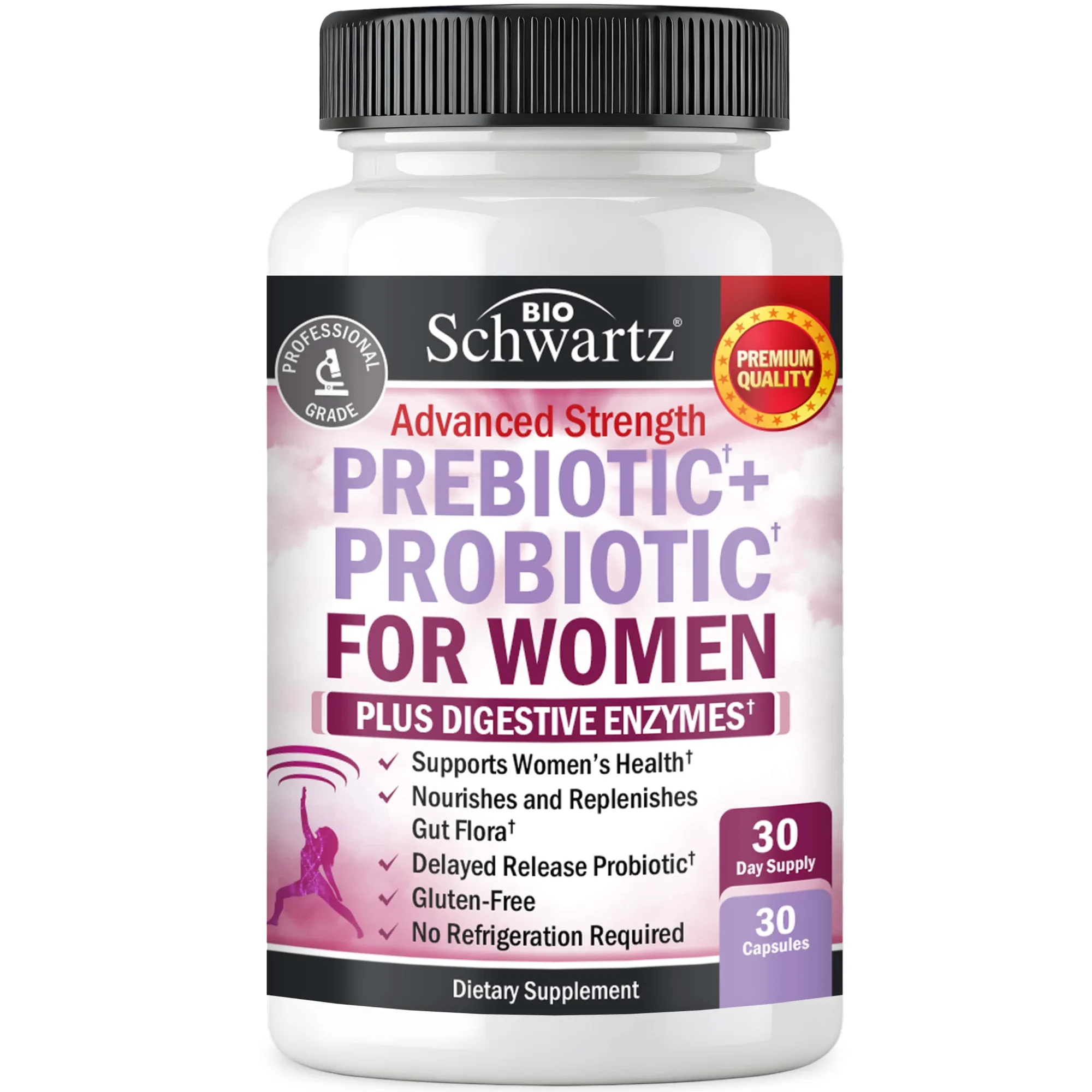
Women's Prebiotic + Probiotic Capsules, 30ct
-
Women's Prebiotic + Probiotic Capsules, 30ct: Contains cranberry extract and d-mannose to support healthy pH balance and offer relief from uncomfortable dryness and odor. These targeted ingredients are rarely found in gummy formulations, which typically focus on general digestive health without feminine-specific support.
-
Women's Prebiotic + Probiotic Capsules, 30ct: Non-GMO, free of soy, gluten, and dairy. Manufactured in cGMP-certified facilities in the USA with globally sourced ingredients tested for purity and potency. For women with dietary restrictions or sensitivities, capsules offer a cleaner label without the binders and sweeteners common in gummies.
How to Decide Between Capsules and Gummies
Choose capsules if you want a precise, potent dose with targeted feminine health ingredients like cranberry extract and d-mannose, and you prefer to avoid added sugars and common allergens. Capsules are also ideal if you value shelf stability and a simple one-per-day routine.
Choose gummies if you have difficulty swallowing capsules or prefer a chewable format, and if you are willing to accept a lower CFU count, added sugars, and a broader, less targeted formulation. Gummies may also be more appealing for those who need a gentle introduction to probiotics.
Ultimately, the best probiotic for women is the one you take consistently. But if you are comparing formats, the evidence points to capsules offering a more complete and targeted solution for women's gut and feminine health.