Why This Comparison Matters
When your dog has both digestive and urinary concerns, you may wonder whether to start with probiotic chews or a urinary supplement. These two soft chew products serve different body systems, so the answer depends on which issue is more urgent or bothersome for your pet. This comparison explains their distinct purposes and helps you make an informed decision based on your dog's symptoms.
Probiotic Chews vs Urinary Supplement: Key Differences
- Primary Purpose: Probiotic Chews For Dogs support digestive health, especially for pets with sensitive stomachs, digestive issues, or during diet changes. Urinary Supplement for Dogs (Soft Chews) targets urinary tract health, bladder control, and normal urination.
- Key Active Ingredients: The probiotic chew contains multiple enzymes (alpha-Amylase, Lipase, Cellulase, Protease) and probiotics (Bacillus subtilis, Bacillus coagulans). The urinary supplement features Cranberry Extract, Echinacea, Vitamin C, Astragalus Root, Oregon Grape Root, and Marshmallow Root.
- When to Use First: If your dog has loose stools, gas, or recently changed food, start with the probiotic chews. If your dog shows signs of urinary discomfort, frequent urination, or loss of bladder control, begin with the urinary supplement.
What Each Product Offers
-
Probiotic Chews For Dogs: Great for pets with sensitive stomachs and digestive issues. Helps support diet change and a healthy digestive tract. This confirms the probiotic chew is the right choice when your dog's primary problem is digestive upset, not urinary.
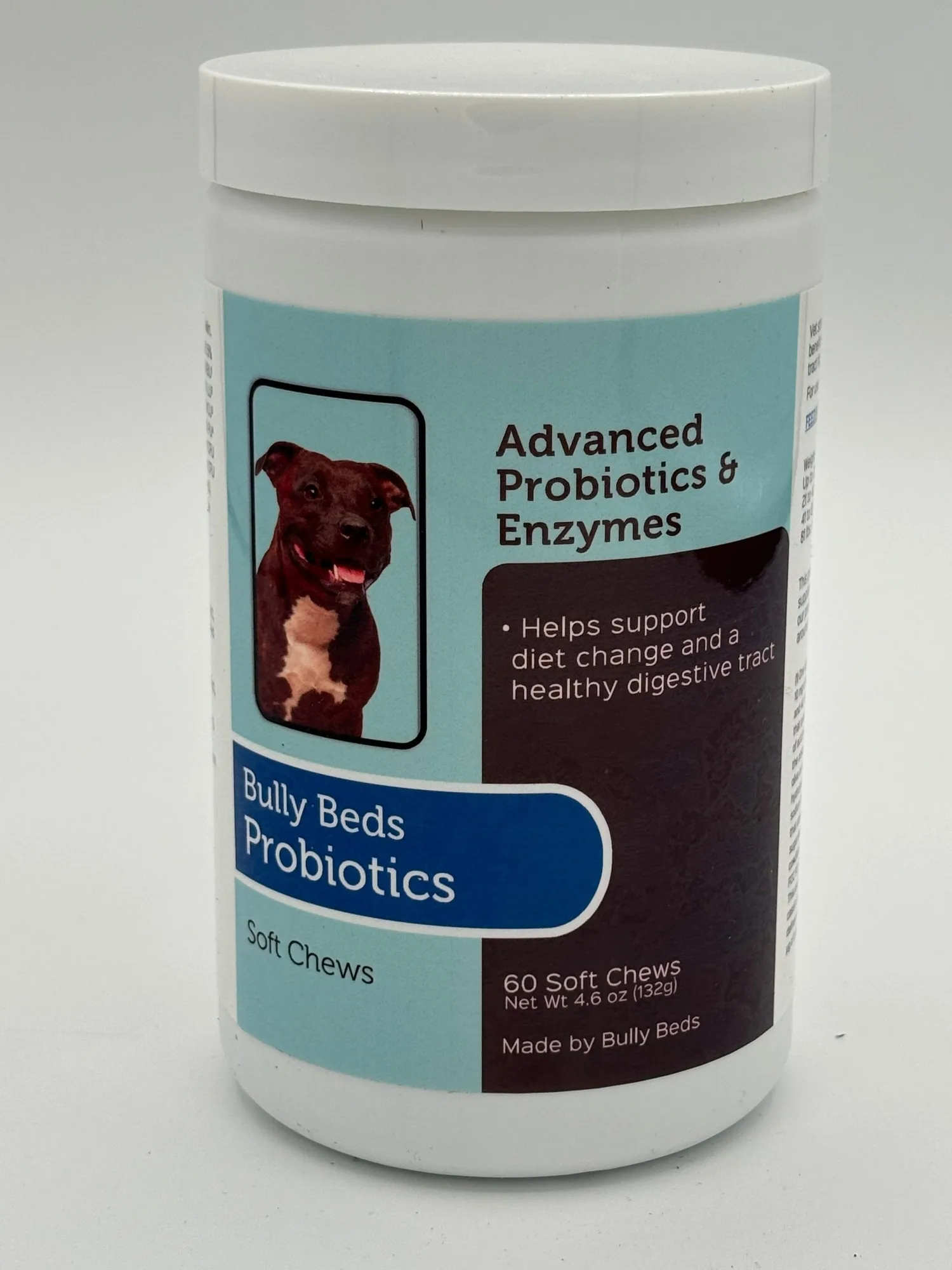
Probiotic Chews For Dogs
-
Urinary Supplement for Dogs (Soft Chews): Helps support a healthy urinary tract and provides immune support. Specially formulated to help dogs maintain and support healthy bladder control and normal urination. This shows the urinary supplement targets bladder and urinary function, making it the priority if your dog has accidents or strains to urinate.
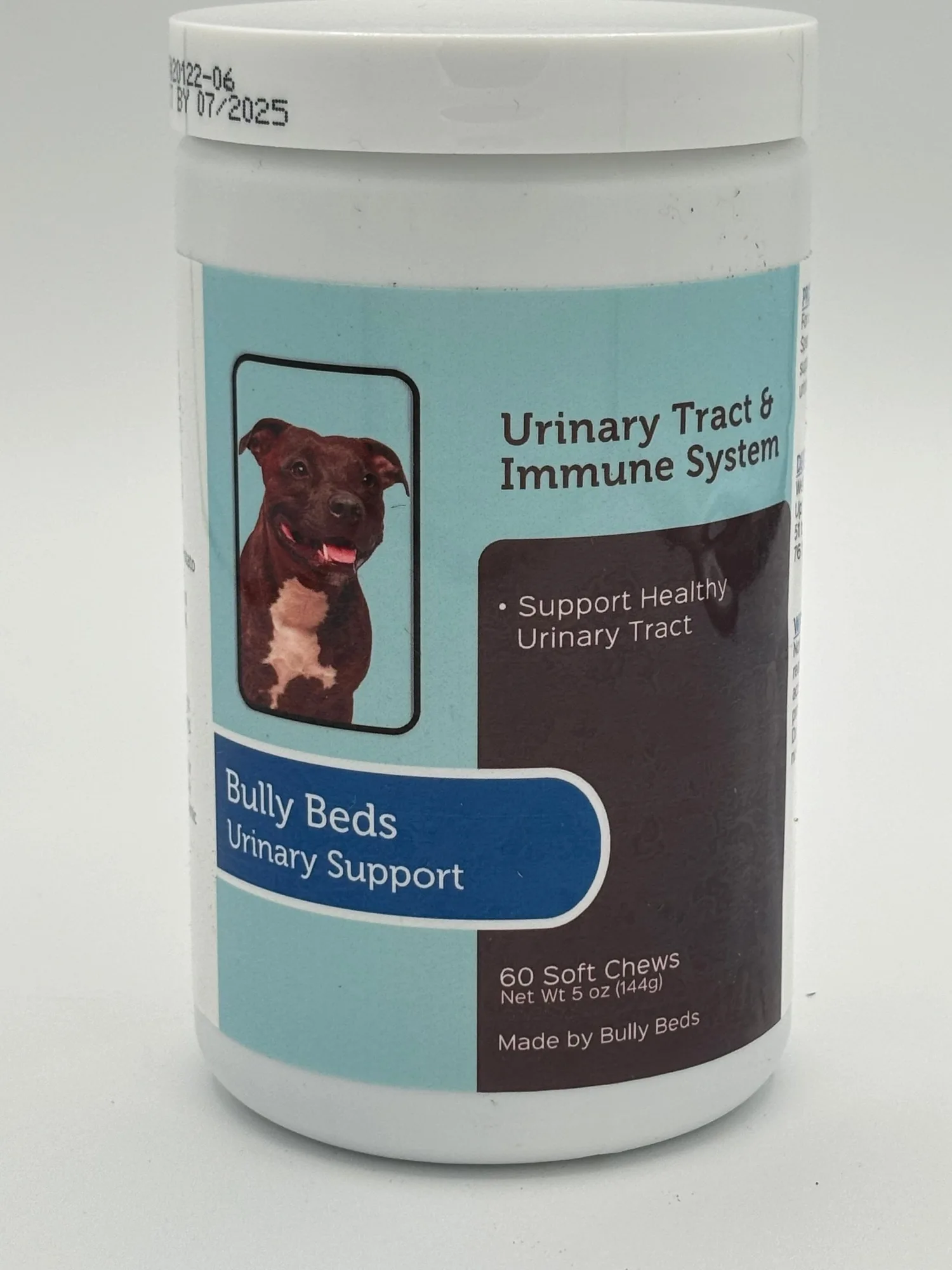
Urinary Supplement for Dogs (Soft Chews)
Can You Give Both?
Yes, you can give both products, but not at the same time. Start one for at least two weeks to see if it resolves the issue. If your dog still shows symptoms of the other condition, introduce the second product. The supplied information does not confirm any interaction between the two, so monitor your dog closely when adding a new supplement.
What the Evidence Does Not Confirm
The supplied records do not include dosage instructions for either product, so follow the label directions on the tub. Neither product is intended to treat or cure a medical condition. If your dog's symptoms persist or worsen, consult your veterinarian before continuing any supplement.