As a parent, you want the best for your child’s health, and that includes a happy digestive system. Probiotics have become a popular supplement for adults, but what about kids? With so many options on the market, it can be overwhelming to choose the right probiotic for your little one. This guide will help you understand what to look for, which strains are safe, and how to introduce probiotics to even the pickiest eaters.
Children’s gut health plays a crucial role in their overall well-being, from digestion and immunity to mood and sleep. Probiotics can help maintain a healthy balance of gut bacteria, especially after antibiotics, during travel, or when dealing with occasional digestive upset. But not all probiotics are created equal, and kids have unique needs. Let’s dive into what every parent should know before buying a probiotic for their child.
Why Kids Need Probiotics
A child’s gut microbiome is still developing, making it more susceptible to imbalances. Factors like poor diet, stress, illness, and antibiotic use can disrupt the delicate ecosystem of beneficial bacteria. Probiotics help replenish these good bacteria, supporting digestion, nutrient absorption, and immune function. Studies suggest that specific strains can even help reduce the duration of common childhood illnesses and ease symptoms of colic, eczema, and constipation.
While a balanced diet rich in fiber and fermented foods is ideal, many children are picky eaters who may not get enough probiotics from food alone. That’s where supplements come in. A high-quality probiotic designed for kids can provide targeted support without the fuss. Always consult your pediatrician before starting any new supplement, especially for infants or children with underlying health conditions.
- Supports healthy digestion and regular bowel movements
- Boosts immune system to fight off common infections
- May reduce antibiotic-associated diarrhea
- Helps maintain a balanced gut microbiome
Key Strains for Children’s Gut Health
When choosing a probiotic for kids, look for strains that have been studied in pediatric populations. The most common and well-researched strains include Lactobacillus rhamnosus GG, Bifidobacterium lactis, and Lactobacillus acidophilus. These strains are known for their safety and effectiveness in children. Some products also include prebiotic fiber to feed the good bacteria and enhance their benefits.
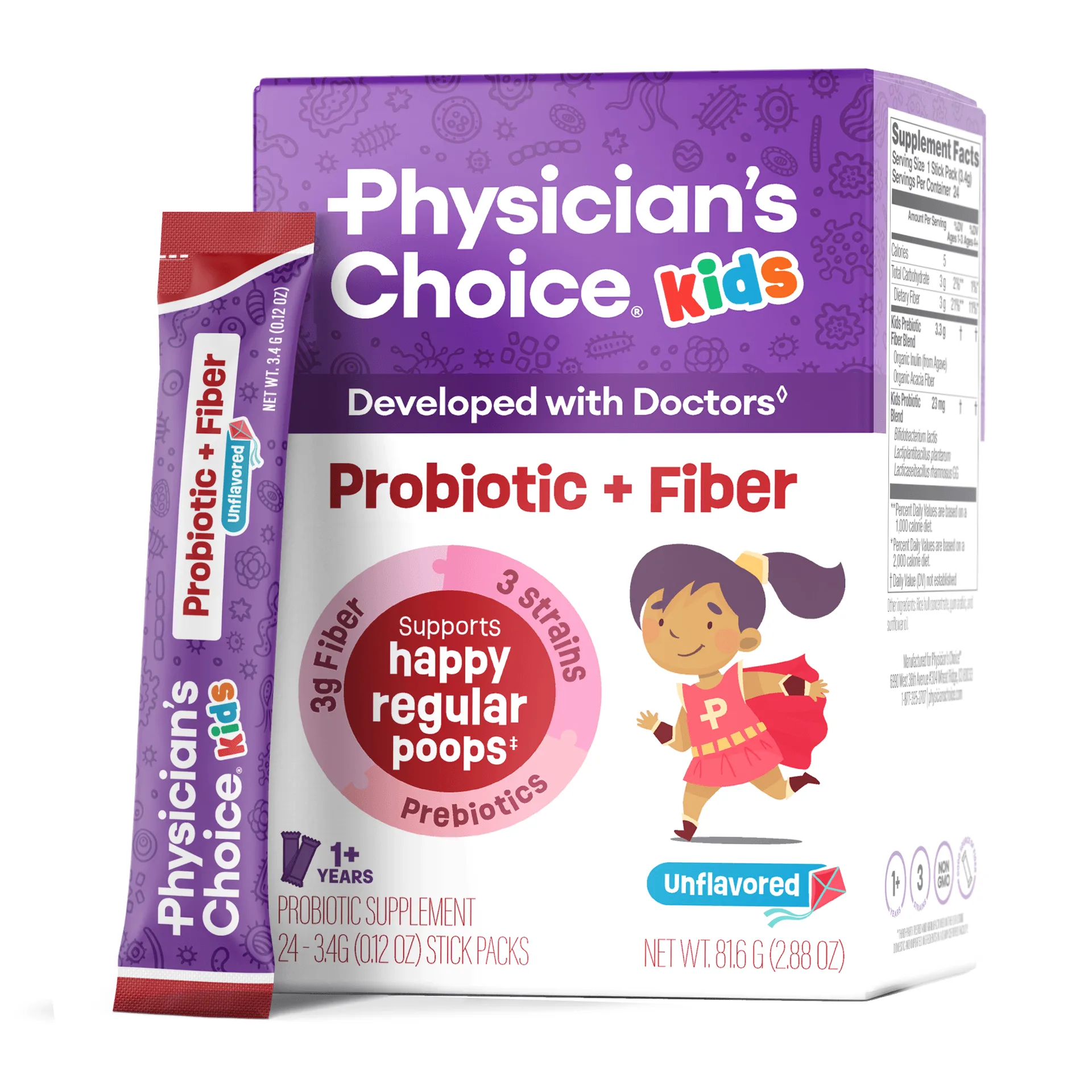
For example, a product like Kids Probiotic + Prebiotic Fiber Packets - Unflavored combines both probiotics and prebiotics in a convenient packet that can be mixed into drinks or food. This dual-action approach ensures the probiotics survive digestion and thrive in the gut. Another option is the Kids Probiotic Chewable, which offers a tasty, easy-to-take tablet that kids actually enjoy. Both are excellent choices for parents looking for child-friendly formulations.
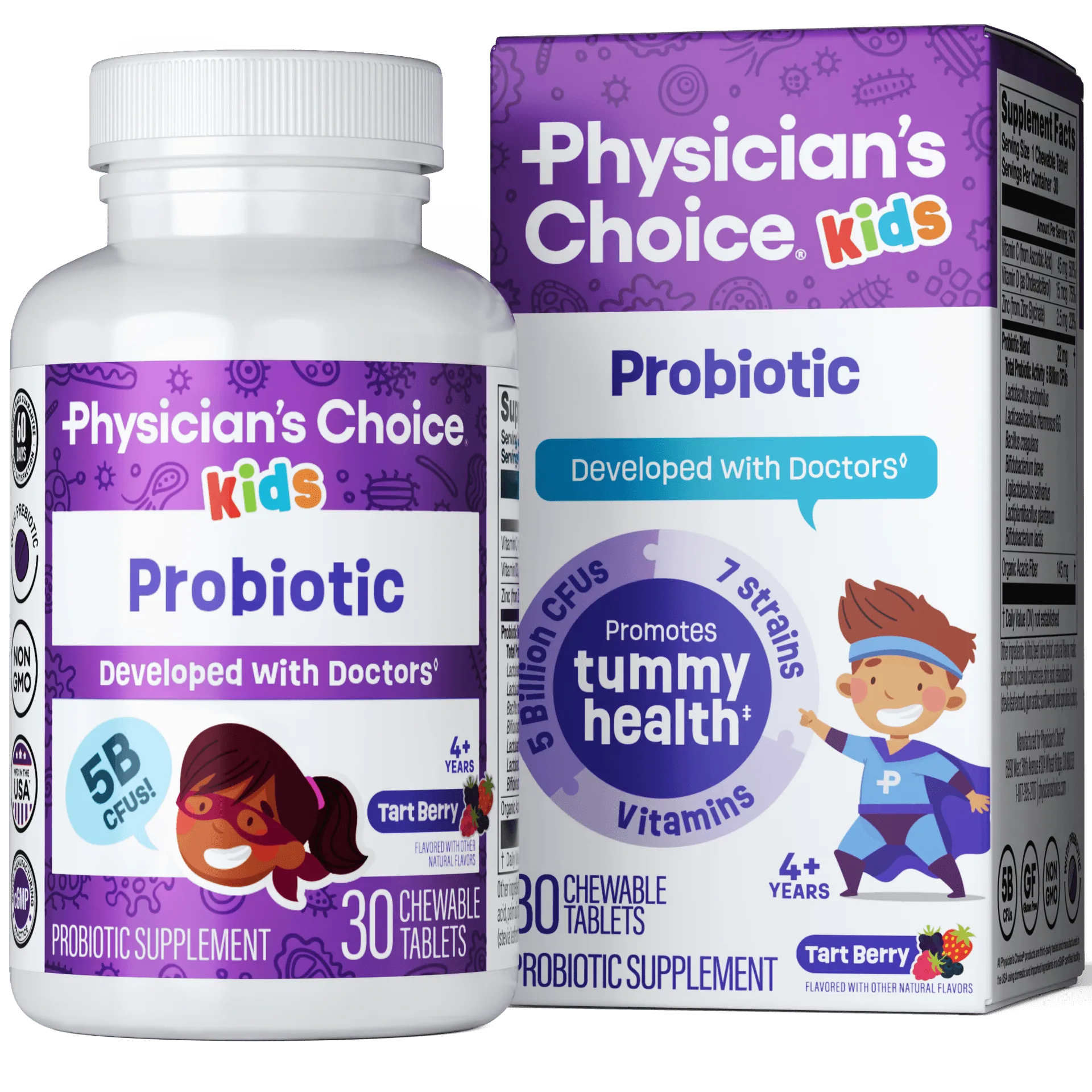
Kids Probiotic Chewable
- Lactobacillus rhamnosus GG: supports immune health and digestion
- Bifidobacterium lactis: promotes regular bowel movements
- Lactobacillus acidophilus: helps maintain a healthy gut lining
- Prebiotic fiber: feeds beneficial bacteria and enhances probiotic effects
Form Matters: Powders, Chewables, and Gummies
Children have different preferences and abilities when it comes to taking supplements. Powders are versatile—they can be mixed into yogurt, applesauce, or a glass of water. Chewable tablets are great for older kids who can chew safely. Gummies are popular but often contain added sugar and may not have as many live cultures. For younger children or picky eaters, unflavored powders are often the easiest to disguise.
The Kids Probiotic + Prebiotic Fiber Packets - Unflavored are a top choice because they dissolve clear and tasteless, making them perfect for adding to any beverage or soft food. For kids who prefer a chewable, the Kids Probiotic Chewable comes in a natural fruit flavor without artificial colors or preservatives. Both options are free from common allergens and are designed with children’s safety in mind.
- Powders: easy to mix into food and drinks, ideal for toddlers
- Chewables: convenient for school-age children, no water needed
- Gummies: kid-friendly but check sugar content and CFU count
- Always choose age-appropriate forms and follow dosage instructions
Tips for Introducing Probiotics to Picky Eaters
Getting a picky eater to take a supplement can be a challenge. Start by choosing a product with a neutral or mild flavor, like unflavored powders. Mix it into a small amount of their favorite food, such as yogurt, smoothie, or oatmeal. You can also try adding it to a drink they already enjoy, like milk or juice. Consistency is key—offer it at the same time each day to build a routine.
If your child resists, don’t force it. Instead, make it fun by letting them choose the flavor or form. Some children respond well to chewable tablets that look like candy. You can also explain the benefits in simple terms, like “this helps your tummy feel good.” Remember, patience and positive reinforcement go a long way. For more detailed strategies, check out our article on how to introduce probiotics to a picky eater.
- Mix unflavored powder into yogurt, applesauce, or smoothies
- Use a small amount of liquid to minimize taste
- Offer chewable tablets as a treat after meals
- Create a consistent routine to build habit
Safety and Dosage Considerations
Probiotics are generally safe for healthy children, but it’s important to choose products from reputable brands that test for purity and potency. Look for products that list specific strains and CFU counts (colony-forming units). For kids, a daily dose of 5-10 billion CFUs is typical, but always follow the manufacturer’s recommendations. Start with a lower dose and gradually increase to allow the gut to adjust.
If your child has a compromised immune system, is premature, or has a chronic illness, consult a healthcare professional before giving probiotics. Side effects are rare but may include mild gas or bloating initially. These usually resolve within a few days. Also, check for allergens like dairy, soy, or gluten if your child has sensitivities. Products like Kids Probiotic + Prebiotic Fiber Packets - Unflavored are free from common allergens and are third-party tested for quality.
- Choose products with clearly labeled strains and CFU counts
- Start with a low dose and increase gradually
- Consult a pediatrician for children with special health conditions
- Store probiotics according to package instructions to maintain potency
Supporting your child’s gut health with a high-quality probiotic can make a real difference in their digestion, immunity, and overall happiness. Whether you choose a powder or chewable, the key is consistency and finding a product your child will actually take. Explore our Kids Probiotic + Prebiotic Fiber Packets - Unflavored for a gentle, effective option that’s easy to incorporate into your daily routine. Your child’s gut will thank you!