Probiotics have become a popular supplement for supporting digestive health, immunity, and even mood. However, while they are generally safe for healthy individuals, certain groups of people should exercise caution or avoid probiotics altogether. Understanding probiotic safety is crucial to prevent potential adverse effects.
In this article, we will explore who should not take probiotics, the risks associated with probiotic use in specific populations, and what to consider before starting a probiotic regimen. We will also discuss probiotic contraindications and when it is best to consult a healthcare professional.
Immunocompromised Individuals
People with weakened immune systems are at higher risk of infections from probiotics. This includes individuals undergoing chemotherapy, organ transplant recipients, those with HIV/AIDS, and people with autoimmune diseases. The live bacteria in probiotics can potentially cause bloodstream infections (bacteremia) or sepsis in these patients.
If you are immunocompromised, it is essential to talk to your doctor before taking any probiotic supplement. Even strains considered safe for the general population can pose serious risks. For example, Lactobacillus and Bifidobacterium have been linked to infections in immunocompromised individuals.
- Always consult your healthcare provider before starting probiotics if you have a compromised immune system.
Critically Ill Patients
Hospitalized patients, especially those in intensive care units (ICUs), should avoid probiotics. Studies have shown that probiotics can increase the risk of infections in critically ill patients, particularly those with pancreatitis, severe sepsis, or those who have undergone major surgery.
The use of probiotics in this population has been associated with adverse outcomes, including non-occlusive mesenteric ischemia. Therefore, probiotics are not recommended for critically ill patients unless under strict medical supervision.
People with Short Bowel Syndrome
Short bowel syndrome (SBS) is a condition where a portion of the small intestine is missing or has been surgically removed. This can lead to malabsorption and nutrient deficiencies. Probiotics may not be safe for individuals with SBS because the altered gut anatomy can allow bacteria to translocate into the bloodstream, causing infections.
Some case reports have documented probiotic-related sepsis in patients with SBS. Therefore, it is generally advised that people with SBS avoid probiotics unless specifically recommended by a gastroenterologist.
Newborns and Infants
While probiotics are sometimes given to premature infants to prevent necrotizing enterocolitis (NEC), this practice is not without risks. In some studies, probiotics have caused sepsis in preterm infants. The safety of probiotics in full-term, healthy infants is generally good, but parents should consult a pediatrician before giving probiotics to babies.
For infants with compromised immune systems or those born with congenital heart disease, probiotics may pose additional risks. Always seek medical advice before introducing probiotics to an infant's diet.
People with Central Venous Catheters
Individuals with central venous catheters (CVCs) are at increased risk of bloodstream infections. Probiotics, containing live bacteria, can potentially contaminate the catheter and lead to serious infections. This is particularly concerning for patients on parenteral nutrition or those receiving intravenous therapies.
If you have a CVC, it is best to avoid probiotics or use them only under close medical supervision. Proper hygiene and handling of probiotics are also critical to minimize contamination risk.
Pregnant and Breastfeeding Women
Probiotics are generally considered safe during pregnancy and breastfeeding, but there are some caveats. Pregnant women with underlying health conditions, such as gestational diabetes or preeclampsia, should consult their doctor before taking probiotics. Additionally, the safety of specific probiotic strains during pregnancy has not been extensively studied.
Breastfeeding mothers can pass probiotics to their infants through breast milk, which is usually beneficial, but caution is advised if the infant has a weakened immune system. Always discuss with your healthcare provider before starting probiotics during pregnancy or while breastfeeding.
People with Allergies to Probiotic Ingredients
Some probiotic supplements contain allergens such as dairy, soy, gluten, or other additives. Individuals with known allergies should carefully read labels to avoid allergic reactions. For example, many probiotics are cultured in dairy-based media, which may contain trace amounts of milk proteins.
If you have a food allergy, look for probiotics that are certified allergen-free or specifically formulated for sensitive individuals. Our Probiotic Gummies are a dairy-free option that may be suitable for those with milk allergies.
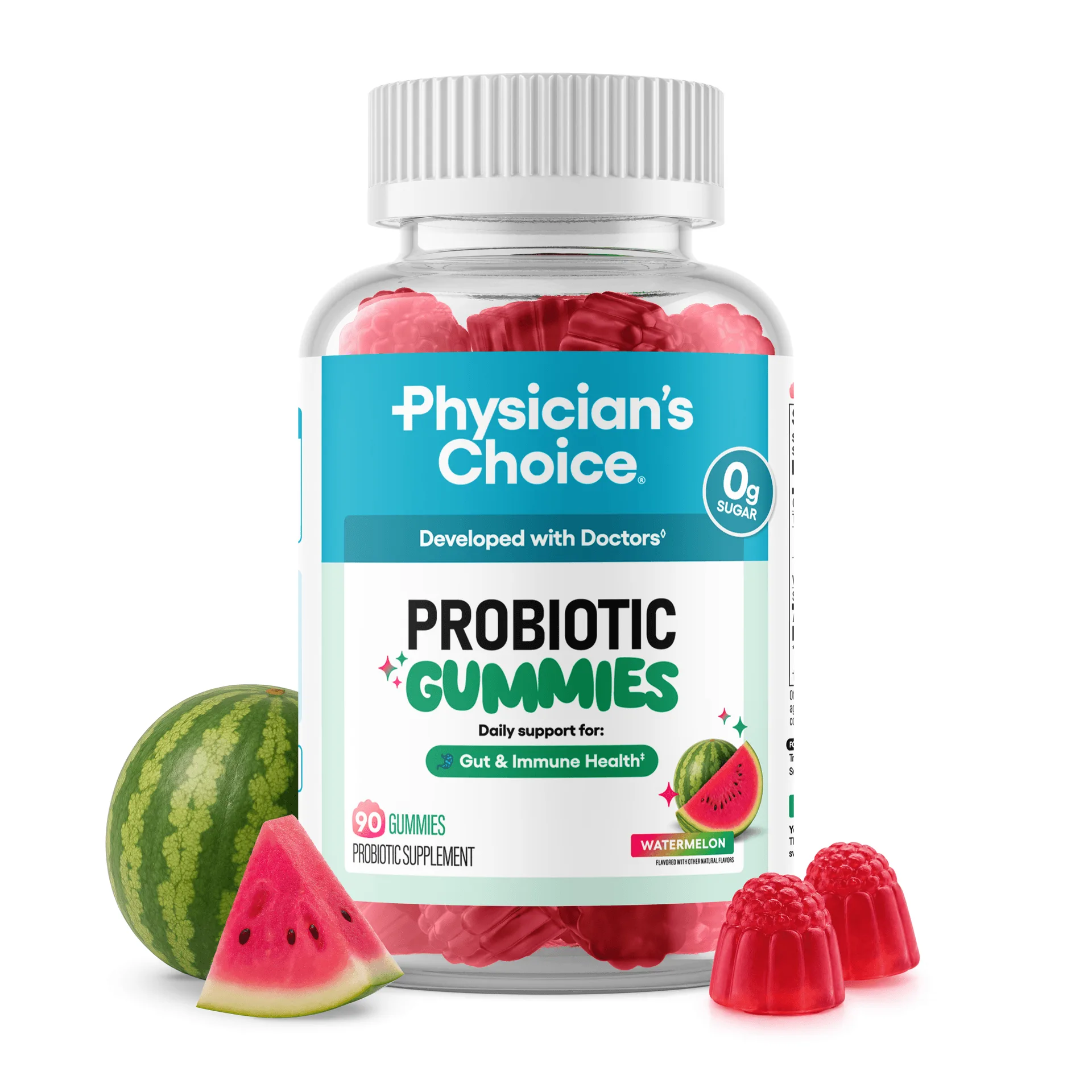
Probiotic Gummies
Individuals with Fungal Overgrowth or Histamine Intolerance
Probiotics can sometimes worsen symptoms in people with small intestinal fungal overgrowth (SIFO) or histamine intolerance. Certain probiotic strains, such as Lactobacillus, can produce histamine, leading to headaches, flushing, or digestive issues in sensitive individuals.
If you suspect histamine intolerance, consider probiotics that contain histamine-degrading strains like Bifidobacterium infantis. Alternatively, consult a healthcare professional to determine the best probiotic for your condition.
Probiotics offer numerous health benefits, but they are not risk-free for everyone. Immunocompromised individuals, critically ill patients, and those with specific medical conditions should avoid or use probiotics with caution. Always consult your healthcare provider before starting any new supplement. If you are looking for a safe and effective probiotic for general use, explore our 60 Billion Probiotic for high-quality digestive support.
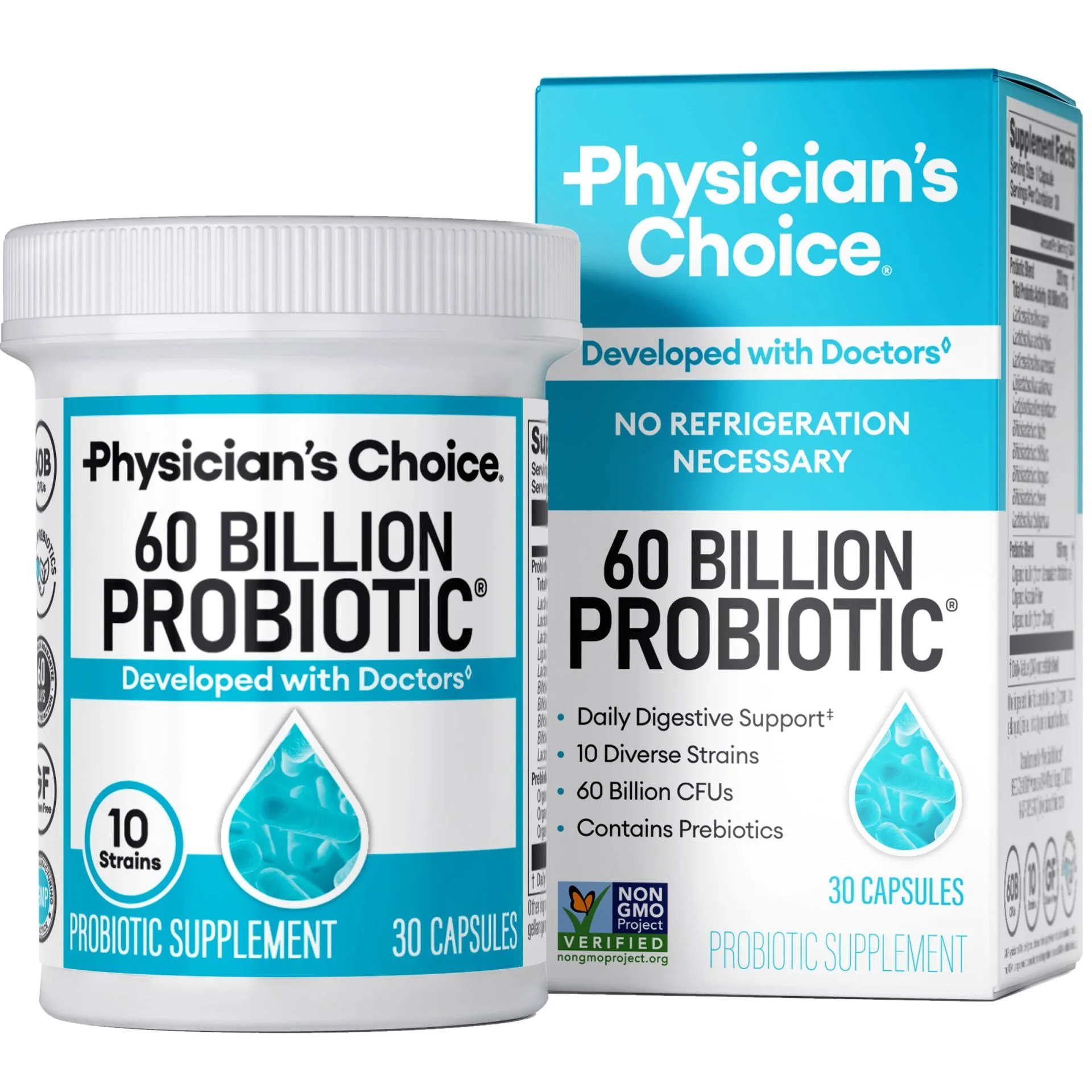
60 Billion Probiotic