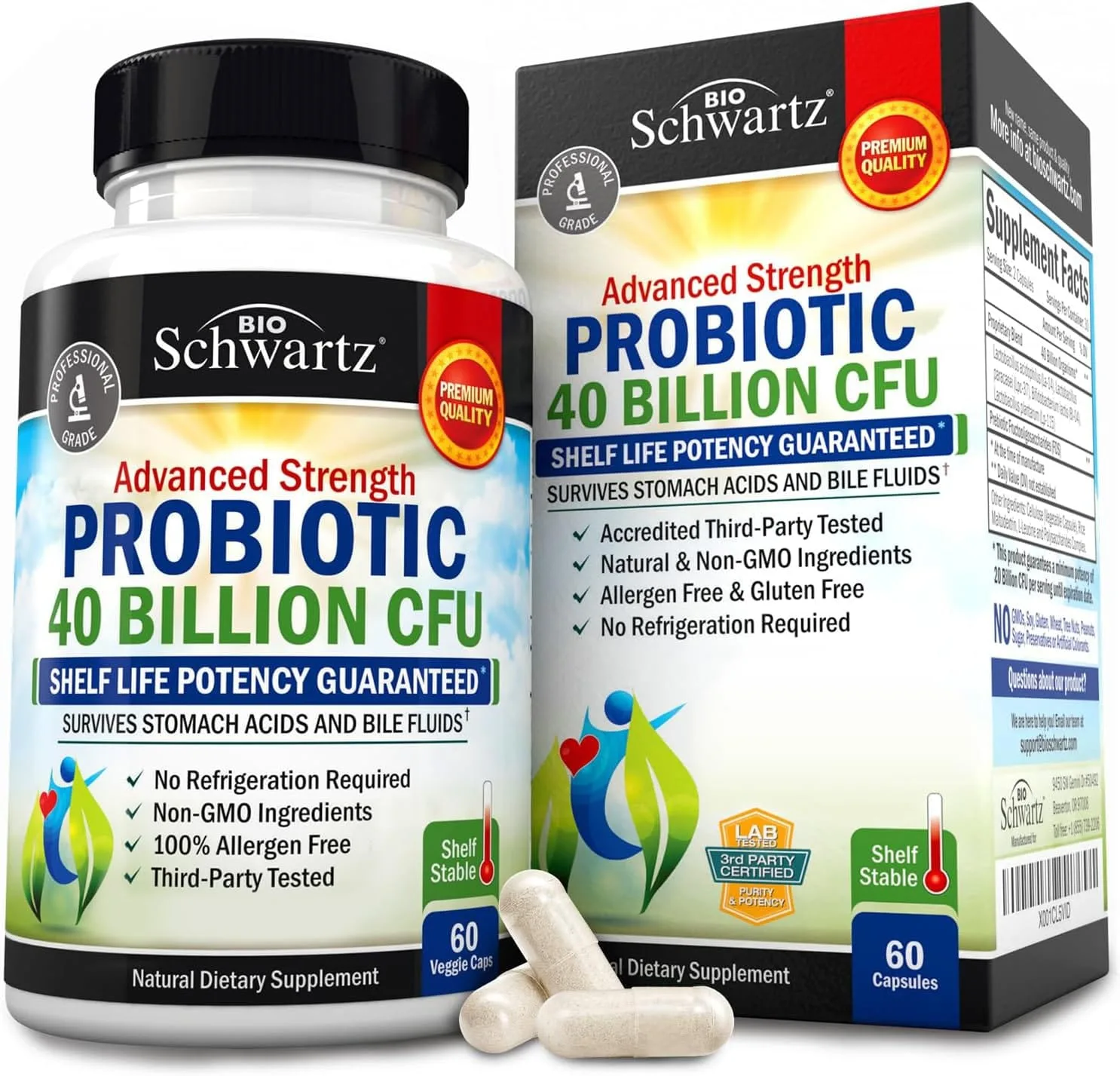
When it comes to gut health, probiotics and digestive enzymes are two of the most popular supplements on the market. But many people confuse them or assume they do the same thing. In reality, these two types of supplements work in completely different ways. Understanding the probiotic vs digestive enzyme difference can help you choose the right supplement for your specific digestive issues.
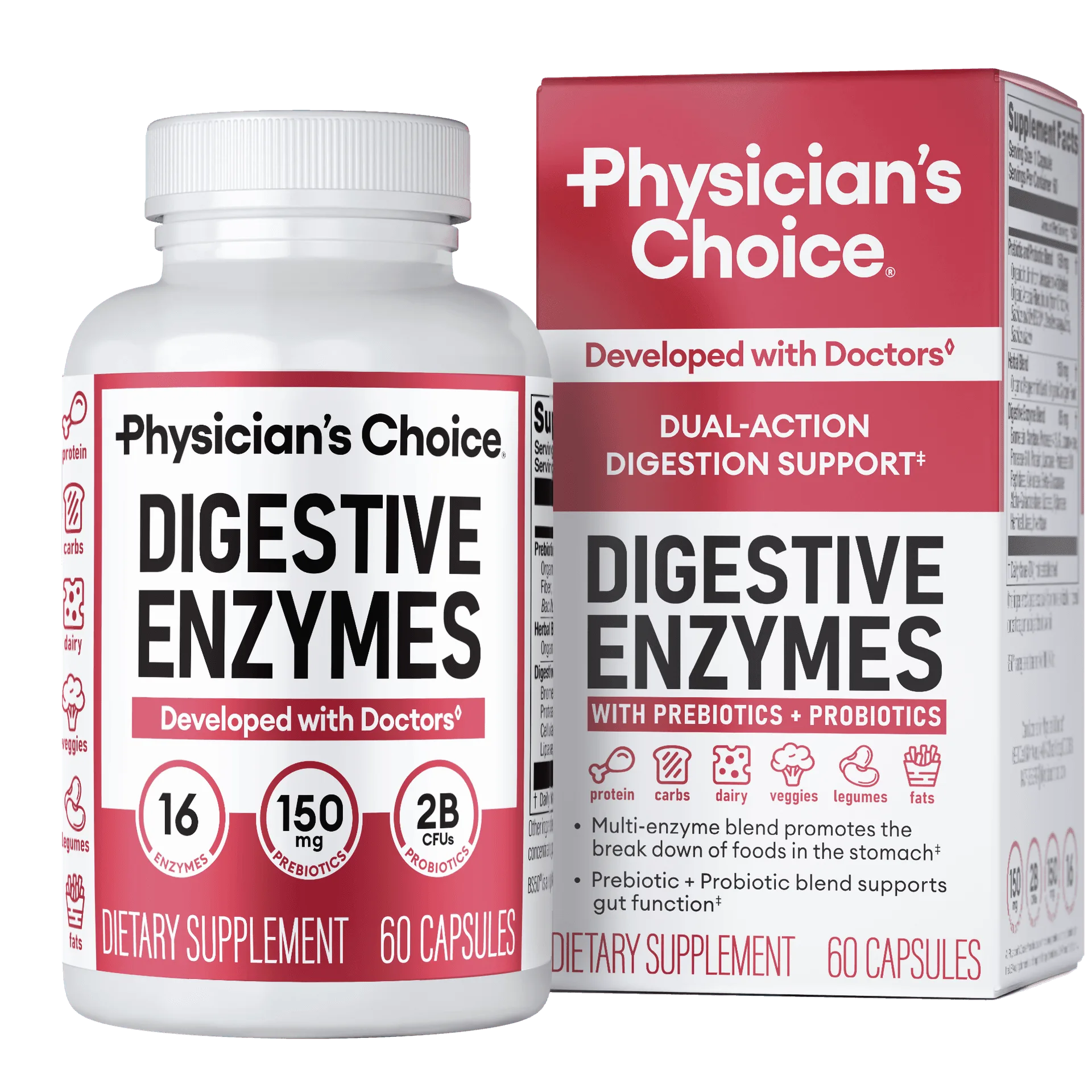
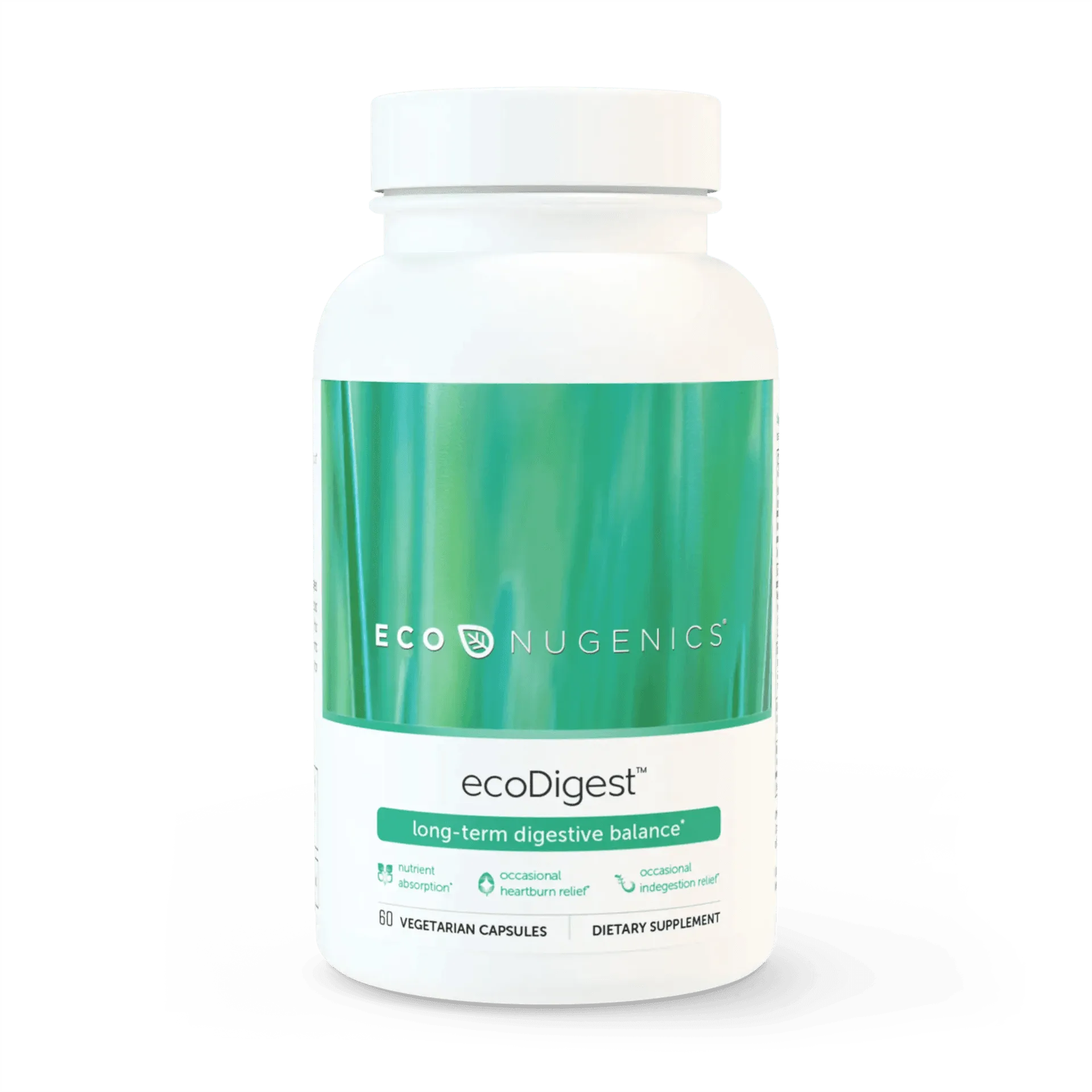
digestive enzymes
Probiotics are live beneficial bacteria that help maintain a healthy balance of gut flora. Digestive enzymes, on the other hand, are proteins that break down food into nutrients your body can absorb. Both play essential roles, but they target different aspects of digestion. Let's dive deeper into the key differences and how each can support your gut health.
What Are Probiotics?
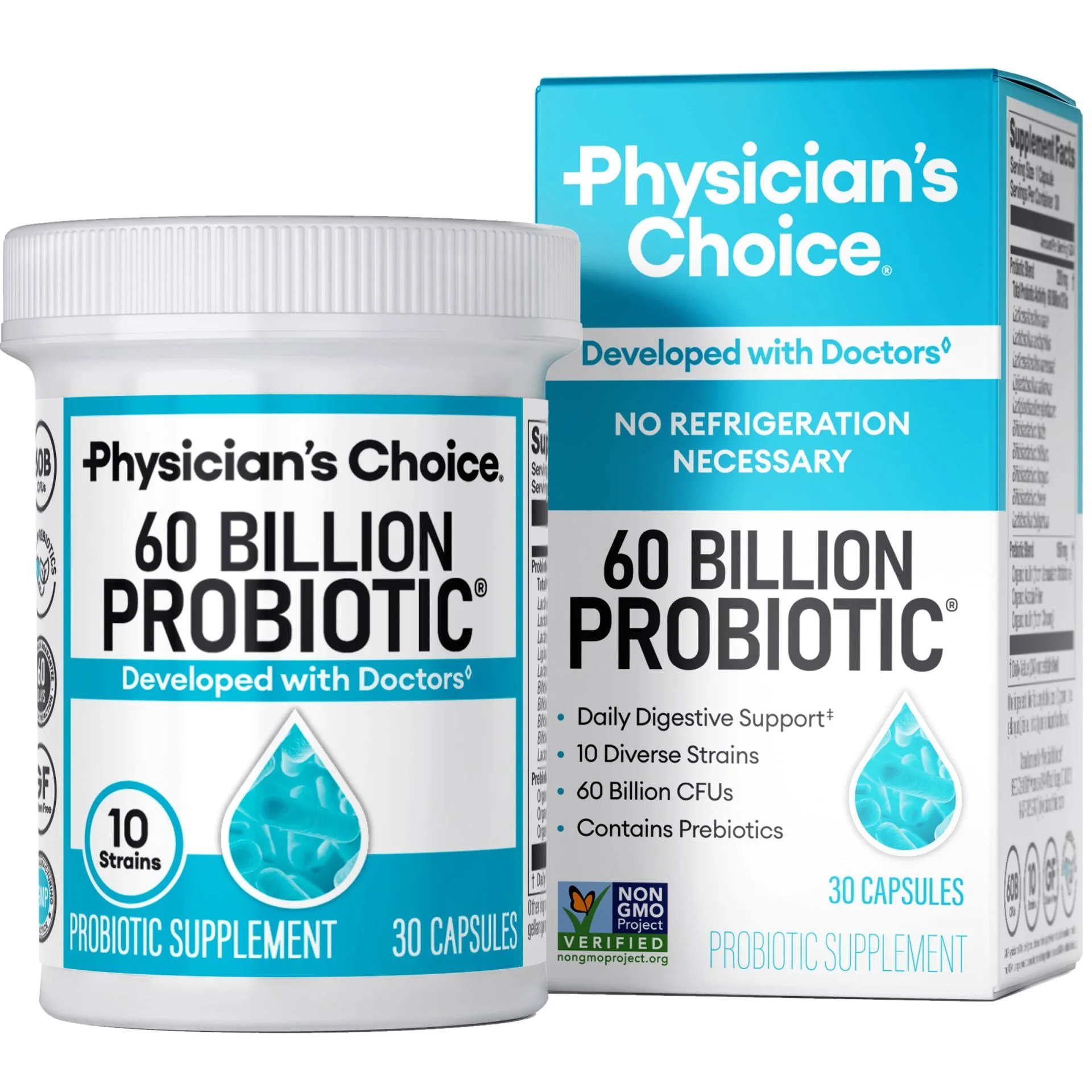
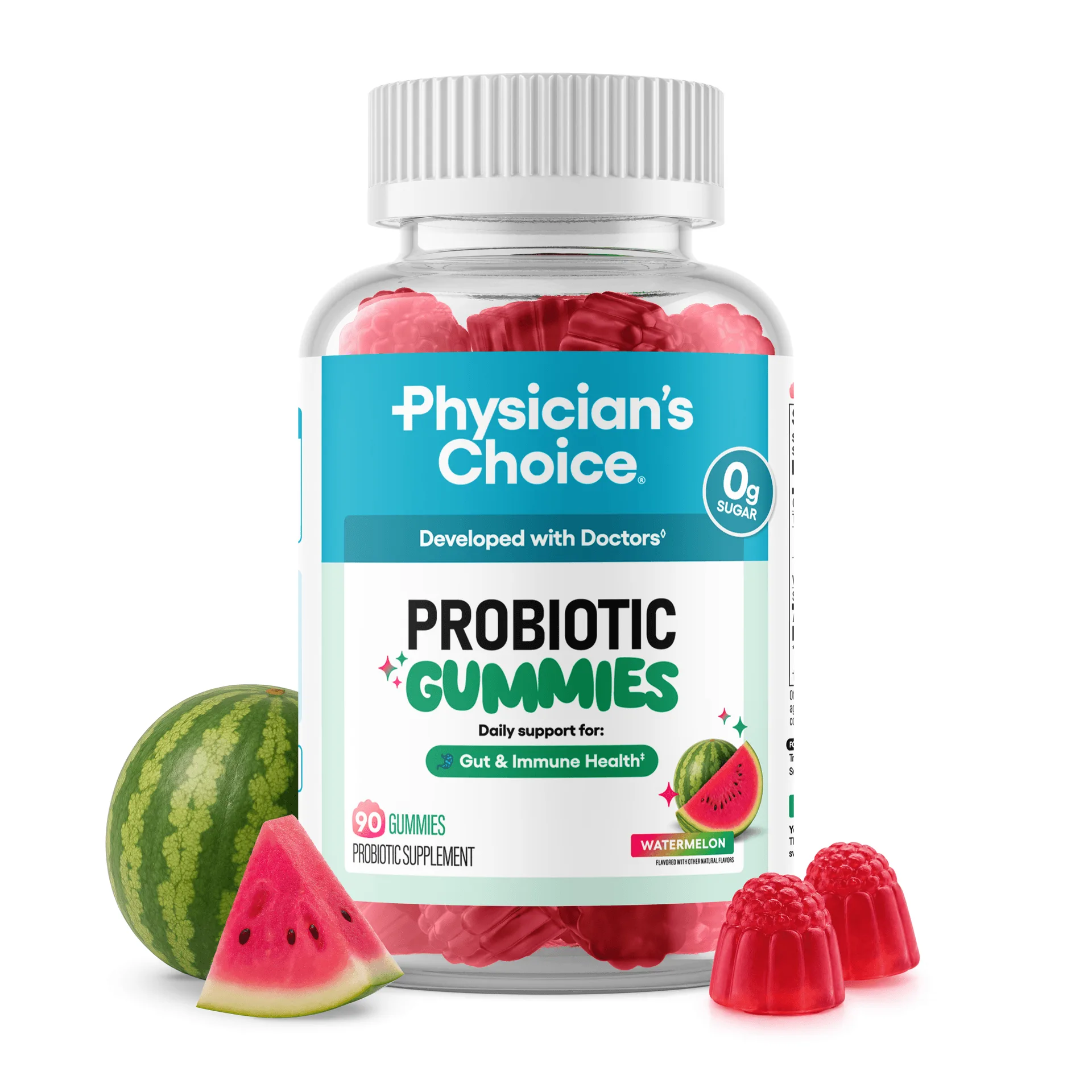
Probiotics are live microorganisms, often called 'good bacteria,' that colonize your gut and support a healthy microbiome. They help crowd out harmful bacteria, produce vitamins, and modulate the immune system. Probiotics are commonly taken to restore gut balance after antibiotic use, improve digestion, reduce bloating, and support overall immune function. They are found in fermented foods like yogurt, kefir, and sauerkraut, as well as in supplements like Probiotic Gummies and 60 Billion Probiotic.
The benefits of probiotics are strain-specific. For example, some strains help with diarrhea, while others may ease constipation or support mental health. Since probiotics are living organisms, they need to survive stomach acid and reach the intestines to be effective. That's why many high-quality probiotics use protective coatings or spore-forming strains.
- Probiotics are live bacteria that support a healthy gut microbiome.
- They help with digestion, immunity, and overall wellness.
- Different strains offer different benefits.
What Are Digestive Enzymes?
Digestive enzymes are proteins that catalyze the breakdown of food into smaller molecules that can be absorbed. The body produces its own enzymes, but sometimes production declines with age or due to certain health conditions. Supplemental enzymes can help digest specific food components like lactose, fats, proteins, or carbohydrates. For example, lactase helps digest dairy, while lipase breaks down fats.
Unlike probiotics, digestive enzymes are not alive. They work directly in the digestive tract to break down food, reducing symptoms like bloating, gas, and indigestion after meals. They are particularly helpful for people with enzyme deficiencies, such as lactose intolerance or pancreatic insufficiency. Common enzyme supplements include bromelain, papain, and pancreatin.
- Digestive enzymes break down food into absorbable nutrients.
- They are not live organisms; they work chemically.
- Useful for specific intolerances or after heavy meals.
Key Differences Between Probiotics and Digestive Enzymes
The main difference lies in their function: probiotics populate the gut with beneficial bacteria, while enzymes help digest food. Probiotics work over time to improve the gut environment, whereas enzymes work immediately on the food you eat. You can think of probiotics as long-term residents that maintain your gut ecosystem, and enzymes as temporary workers that help with each meal.
Another difference is that probiotics need to be taken consistently to maintain their benefits, while enzymes are often taken just before or with meals. Additionally, probiotics are more sensitive to heat and stomach acid, whereas enzymes are more stable. Some supplements combine both, but it's important to understand what each does so you can choose the right one for your needs.
- Probiotics: live bacteria, long-term gut health.
- Digestive enzymes: non-living proteins, immediate food breakdown.
- Probiotics require consistent use; enzymes are taken with meals.
When to Choose Probiotics vs Digestive Enzymes
If you experience chronic digestive issues like bloating, irregularity, or a weakened immune system, a probiotic may be a good choice. Probiotics can help restore balance after antibiotics or during travel. For example, many people use Probiotic Gummies to support daily gut health. On the other hand, if you notice discomfort after eating specific foods—like dairy, beans, or fatty meals—a digestive enzyme may provide more targeted relief.
It's also possible to use both. Some people take a probiotic daily for overall gut health and add a digestive enzyme when they eat a large or heavy meal. However, it's always best to consult with a healthcare professional to determine what's right for you. Remember, probiotics and enzymes address different aspects of digestion, so the best choice depends on your symptoms.
- Probiotics for ongoing gut balance and immunity.
- Digestive enzymes for immediate post-meal relief.
- Both can be used together if needed.
Common Misconceptions
One common misconception is that probiotics and digestive enzymes are interchangeable. They are not. Another is that taking more of either is always better. With probiotics, strain diversity and quality matter more than high CFU counts. With enzymes, using the right type for your specific food intolerance is key. Also, some people think that probiotics can replace a healthy diet, but they work best as part of a balanced lifestyle.
Another myth is that digestive enzymes can help you lose weight by 'burning' calories. Enzymes only help digest food; they don't affect calorie absorption. Finally, while both supplements are generally safe, it's important to choose reputable brands that ensure potency and purity.
- Probiotics do not break down food; enzymes do.
- More is not always better for either supplement.
- Enzymes do not cause weight loss directly.
Understanding the probiotic vs digestive enzyme difference empowers you to make informed choices for your gut health. Whether you need to restore your microbiome or ease occasional indigestion, the right supplement can make a significant difference. Explore our selection of high-quality probiotics, including our Probiotic Gummies, to find the perfect support for your digestive wellness.