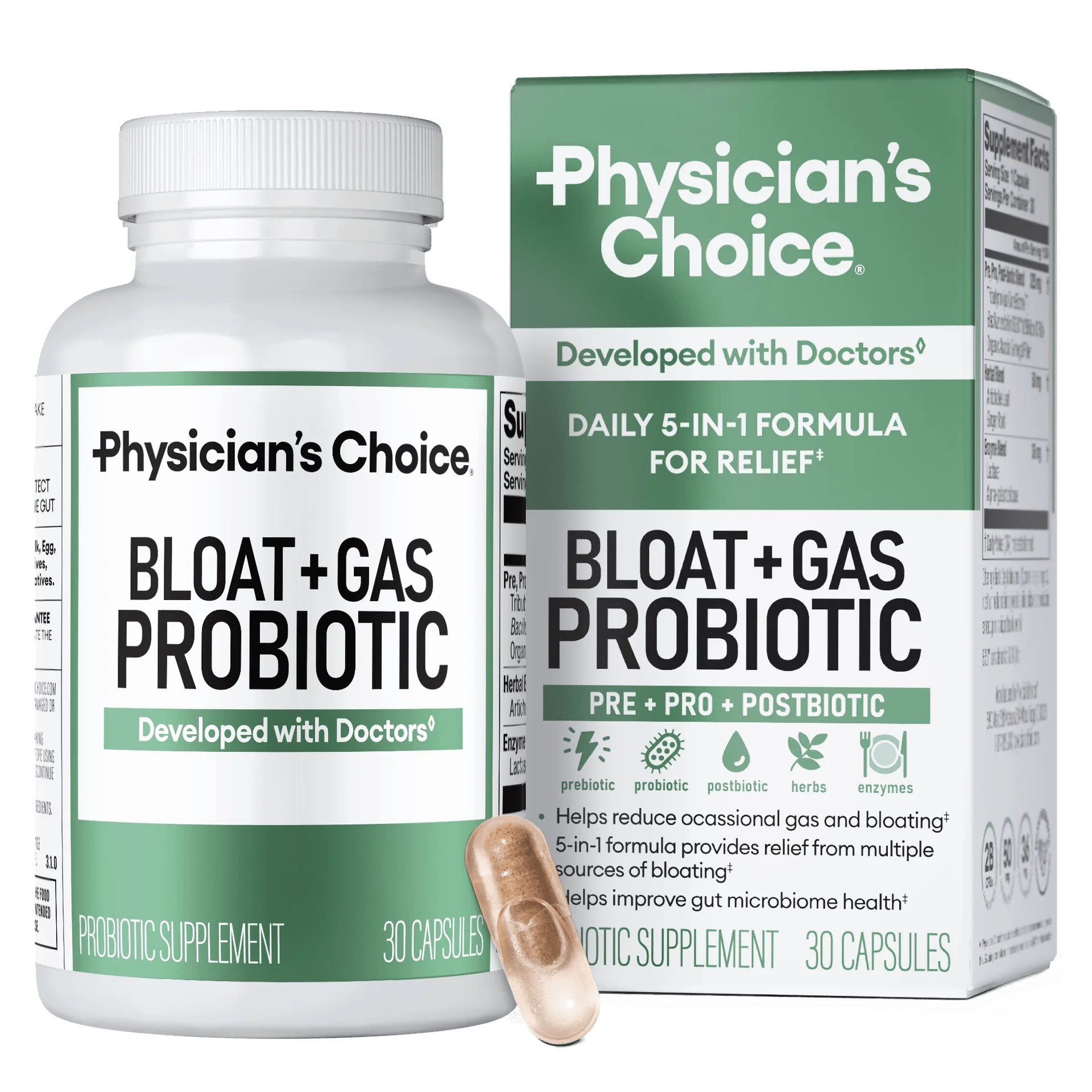
Starting a new probiotic supplement is an exciting step toward better gut health. But for some people, the first few days or weeks come with an unwelcome surprise: gas, bloating, and abdominal discomfort. If you’ve ever wondered, “Why is my probiotic making me feel worse before I feel better?” you’re not alone. This temporary reaction is actually a sign that your gut microbiome is shifting—but that doesn’t mean you have to suffer through it.
In this article, we’ll explore the science behind probiotic side effects, how to distinguish between normal adjustment and a problematic reaction, and practical strategies to reduce gas and bloating while still reaping the benefits of your supplement.
Why Do Probiotics Cause Gas and Bloating?
Probiotics are live bacteria that colonize your gut and help restore balance to your microbiome. When you introduce a high-potency probiotic, especially one with multiple strains, your gut ecosystem undergoes a period of adjustment. During this time, the new bacteria begin to ferment undigested fiber and other compounds in your colon, producing gas as a byproduct. This is completely normal and usually temporary.
Another common cause is the “die-off” effect, known as Herxheimer reaction, where harmful bacteria are killed off by the probiotics, releasing toxins that can cause temporary bloating and gas. Additionally, some probiotic strains, particularly those in the Lactobacillus and Bifidobacterium families, are more gas-producing than others. Your individual gut sensitivity and diet also play a role.
- Normal adjustment: Gut bacteria compete and produce gas as they establish.
- Die-off reaction: Harmful bacteria release toxins when eliminated.
- Strain-specific effects: Some strains (e.g., Lactobacillus acidophilus) may cause more gas than others.
- Diet interaction: High-fiber foods combined with probiotics can increase gas production.
How Long Does Probiotic Bloating Last?
For most people, gas and bloating from probiotics resolve within a few days to two weeks. This is the time it takes for your gut microbiome to reach a new equilibrium. If symptoms persist beyond two weeks or worsen, it may be a sign that the probiotic strain or dose isn’t right for you. In such cases, consider switching to a lower CFU count or a different strain blend.
It’s also important to note that not everyone experiences these side effects. Those with a healthy, diverse gut microbiome may adjust quickly with minimal discomfort. If you’re prone to digestive issues, starting with a lower dose and gradually increasing can help your gut adapt more smoothly.
- Typical adjustment period: 3–14 days.
- Persistent symptoms: Consider reducing dose or switching strains.
- Individual variation: Gut health and diet affect duration.
Tips to Minimize Gas and Bloating from Probiotics
If you’re struggling with probiotic side effects, try these practical strategies. First, start with a lower CFU count, such as a 30 billion CFU supplement, and gradually work up to higher potencies like our 60 Billion Probiotic. This gives your gut time to adjust. Second, take your probiotic with food, especially a meal that contains healthy fats, which can buffer stomach acid and improve survival of the bacteria.

60 Billion Probiotic
Third, stay hydrated and consider pairing your probiotic with a prebiotic fiber, like our Easy Mix Fiber - Unflavored, which feeds good bacteria but can also increase gas if introduced too quickly. Fourth, choose a probiotic with strains known for gentle digestion, such as Bifidobacterium lactis or Lactobacillus plantarum. Finally, give it time—your gut will likely adapt within two weeks.

Easy Mix Fiber - Unflavored
- Start low, go slow: Begin with 30 billion CFU and increase gradually.
- Take with food: A meal with fat protects probiotics from stomach acid.
- Hydrate: Water helps fiber fermentation and reduces bloating.
- Consider strain selection: Some strains are less gas-producing.
- Be patient: Most side effects resolve within two weeks.
When to Switch or Discontinue Your Probiotic
While mild gas and bloating are normal, certain symptoms warrant a change. If you experience severe abdominal pain, diarrhea, or allergic reactions (rash, itching, swelling), stop taking the supplement and consult your healthcare provider. Also, if gas and bloating persist beyond two weeks without improvement, your current probiotic may not be a good match for your gut.
In that case, consider switching to a probiotic with a different strain profile or a lower CFU count. For example, our Women's Probiotic is formulated with strains that support vaginal and digestive health and may be gentler for some individuals. Alternatively, a targeted product like Digestive Enzymes can help break down foods that cause gas, complementing your probiotic regimen.
- Stop if: severe pain, diarrhea, or allergic reaction.
- Switch if: no improvement after 2 weeks.
- Consider trying: a different strain blend or lower CFU.
Gas and bloating from probiotics are usually a sign that your gut is adjusting to beneficial bacteria. By starting with a lower dose, taking your supplement with food, and giving your body time, you can minimize discomfort and enjoy the long-term benefits of a healthier microbiome. If you’re ready to start your gut health journey, explore our 60 Billion Probiotic, designed for potency and gradual adjustment. Your gut will thank you.