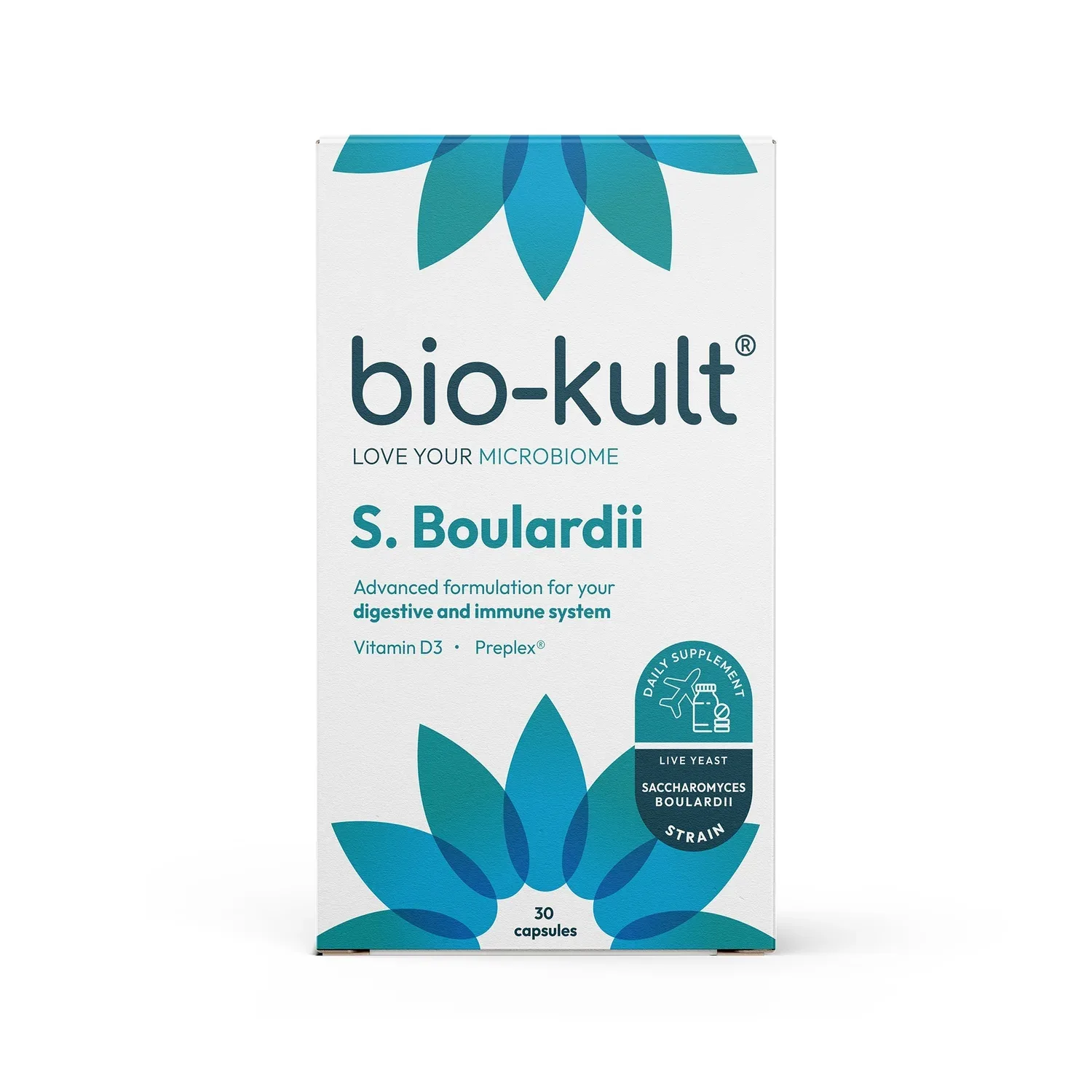
Just like in humans, a healthy gut is the foundation of your dog’s overall well-being. The digestive system does more than break down food—it plays a crucial role in immune function, nutrient absorption, and even mood regulation. When your dog’s gut microbiome is out of balance, it can lead to a range of issues from occasional loose stools to chronic digestive upset. That’s where probiotics for dogs come in. These beneficial bacteria help restore harmony in the gut, making them one of the most effective digestive supplements for dogs available today.
In this complete guide, we’ll explore what probiotics are, how they benefit your dog, when to consider adding them to your pet’s diet, and what to look for when choosing the right product. Whether your dog has a sensitive stomach or you simply want to support their long-term health, understanding dog gut health is the first step toward a happier, healthier pup.
What Are Probiotics for Dogs?
Probiotics are live, beneficial bacteria that naturally reside in your dog’s digestive tract. They help maintain a balanced microbiome, which is the community of microorganisms that supports digestion, immunity, and overall health. When stress, diet changes, antibiotics, or illness disrupt this balance, harmful bacteria can overgrow and cause problems like gas, diarrhea, vomiting, or poor appetite.
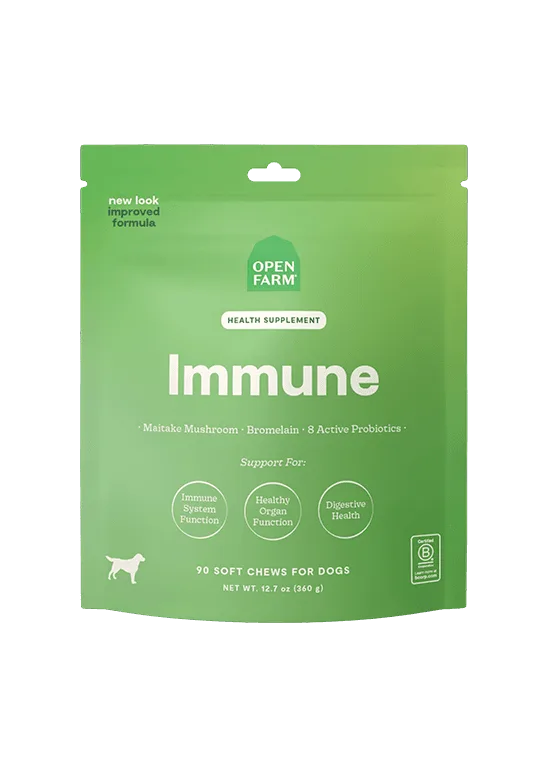
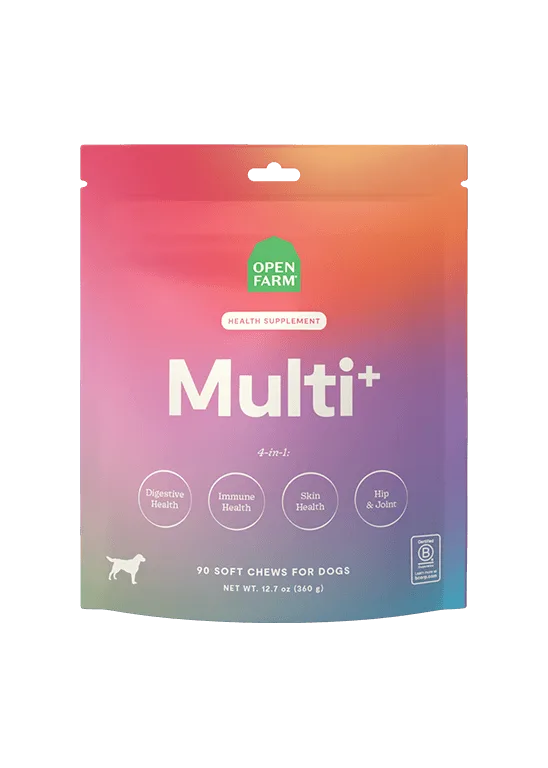
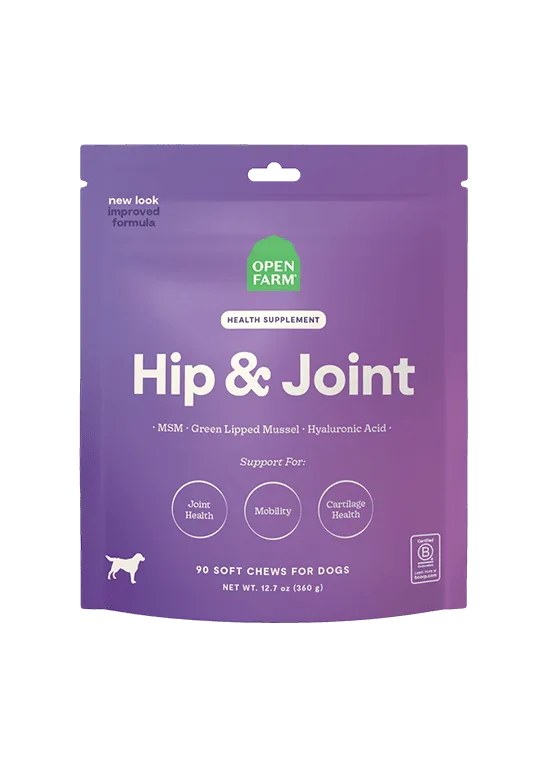
Probiotic supplements for dogs deliver a concentrated dose of these good bacteria directly to the gut. They come in various forms, including powders, chews, and capsules. For many pet parents, dog probiotic chews are a convenient and tasty option that dogs enjoy like a treat while supporting their digestive health.
- Look for products that list specific bacterial strains (e.g., Lactobacillus, Bifidobacterium) and their colony-forming units (CFUs).
- Always check the expiration date—probiotics are living organisms and lose potency over time.
Key Benefits of Probiotics for Dog Gut Health
Supporting your dog’s gut health with probiotics offers multiple advantages beyond just digestion. A balanced microbiome strengthens the immune system, helping your dog fight off infections and recover faster from illness. Probiotics also aid in the production of certain vitamins and enzymes that improve nutrient absorption from food.
For dogs with sensitive stomachs, probiotics can reduce episodes of loose stools, gas, and bloating. They are particularly helpful during stressful events like travel, boarding, or introducing new foods. Additionally, some studies suggest that probiotics can help manage skin allergies and reduce inflammatory responses, making them a versatile tool in your pet’s wellness routine.
- Probiotics can reduce the duration and severity of antibiotic-associated diarrhea.
- Regular use may improve coat condition and reduce skin itching.
When Should You Give Your Dog Probiotics?
There are several situations where adding probiotics to your dog’s diet can be especially beneficial. If your dog is currently on antibiotics, probiotics can help replenish the good bacteria that antibiotics kill off. Dogs with chronic digestive issues like inflammatory bowel disease (IBD) or food sensitivities often show improvement with consistent probiotic supplementation.
Puppies and senior dogs can also benefit, as their digestive systems may be more vulnerable. Even healthy dogs can enjoy probiotics as a daily preventive measure. Many pet owners choose to incorporate digestive supplements for dogs into their routine to maintain optimal gut health year-round.
- Start probiotics at least two hours apart from antibiotics to maximize effectiveness.
- Consult your veterinarian before starting any new supplement, especially for dogs with underlying health conditions.
How to Choose the Best Probiotic for Your Dog
Not all probiotics are created equal. When selecting a product, look for one that contains multiple bacterial strains, a high CFU count (usually in the billions), and is specifically formulated for dogs. Human probiotics may not survive the canine digestive system or contain the right strains. Also, consider the delivery method—dog probiotic chews are often preferred because they are easy to administer and dogs love the taste.
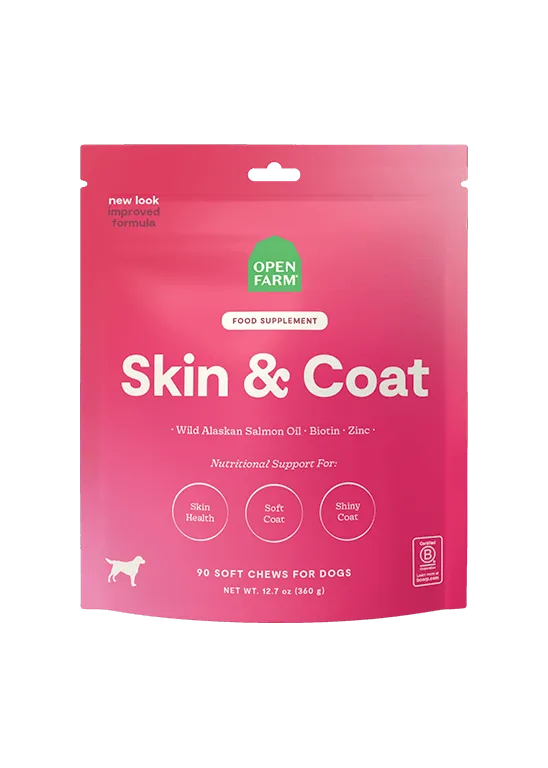
At Open Farm, we offer high-quality digestive supplements for dogs that are made with humanely sourced ingredients and no artificial additives. Our Skin & Coat Food Supplement Chews for Dogs are a popular choice because they combine probiotics with omega fatty acids to support both digestion and skin health. For a comprehensive approach, the Whitefish & Probiotic Bundle pairs a limited-ingredient diet with targeted probiotic support.
- Check for guaranteed live cultures and proper storage instructions.
- Avoid products with fillers, artificial colors, or preservatives.
Tips for Introducing Probiotics to Your Dog’s Diet
When starting probiotics, it’s best to introduce them gradually. Begin with a half dose for the first few days and monitor your dog’s stool and behavior. Some dogs may experience mild gas or soft stools initially as their gut adjusts, but this usually resolves within a week. If symptoms persist, consult your vet.
Probiotics can be given with or without food, but administering them with a meal may help buffer stomach acid and improve survival of the bacteria. Consistency is key—daily use yields the best results. Many pet parents find that incorporating dog probiotic chews into their morning or evening routine makes it easy to remember.
- Store probiotics in a cool, dry place to maintain potency.
- Pair with a high-quality diet for maximum digestive benefits.
Supporting your dog’s gut health with probiotics is one of the smartest investments you can make in their long-term wellness. From improving digestion to boosting immunity, these beneficial bacteria offer a wide range of benefits. If you’re ready to start, explore our Skin & Coat Food Supplement Chews for Dogs—a delicious, easy-to-use option that helps your dog thrive from the inside out.