The format question is really about what you can verify
When you compare a capsule-based supplement like ProCaps Laboratories Women's Wellness with a softgel, the useful differences are not about which one is 'better.' They are about what each format lets you see on the label, how it fits your daily routine, and what the manufacturer actually tells you. Softgels are oil-based capsules, often used for fat-soluble nutrients. Two-piece capsules can hold powders, granules, or liquids. Neither format guarantees better absorption on its own—that depends on the specific ingredients and how they are formulated, not the shell.
This comparison sticks to what the supplied product record shows for ProCaps Laboratories Women's Wellness and what it does not show. Where the evidence is silent, treat that as a decision limitation, not a hidden advantage or flaw.
Capsule vs. softgel: where the formats actually differ
- What the shell is made of: ProCaps Women's Wellness uses a natural plant cellulose vegetarian capsule, according to the supplied record. Softgels typically use a gelatin or vegetarian softgel shell, but the exact composition varies by product and is not supplied here for any softgel. If you avoid animal-derived ingredients, check the softgel label specifically.
- What fits inside: The ProCaps formula delivers a mix of vitamins, minerals, and plant extracts—including soybean extract standardized to 40% isoflavones, green tea extract, cranberry extract, and lutein—in a two-capsule serving. Softgels are often chosen for oil-based ingredients. The format itself does not tell you whether a given ingredient is better absorbed; the ingredient form and dose matter more.
- Serving size and daily burden: ProCaps Women's Wellness lists a serving size of 2 capsules. Softgel serving sizes vary widely by product. If you dislike swallowing multiple pills, count the total daily serving for each option you are considering, not just the number of capsules or softgels per dose.
- Label transparency: The ProCaps record gives a full ingredient breakdown with amounts per serving, including standardized marker compounds like genistein/genistin (28–40 mg) and daidzein/daidzin (26–40 mg). Softgel labels range from equally detailed to vague. Compare the amount per serving and the standardization language, not just the front label.
What the ProCaps Women's Wellness label actually shows
-
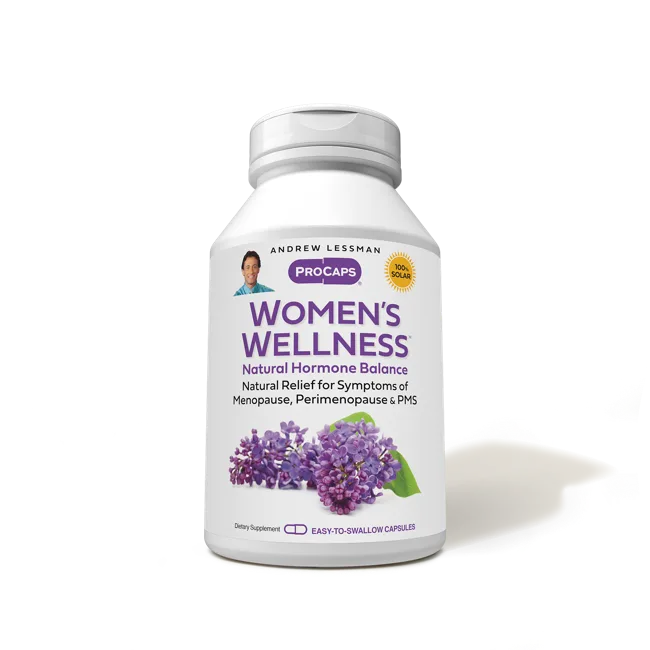
ProCaps Laboratories: Serving size: 2 capsules. Each serving provides vitamin D3 (2.5 mcg / 100 IU), vitamin B12 (50 mcg), folate (67 mcg DFE), calcium (50 mg), soybean extract (175 mg, standardized to 40% isoflavones), green tea extract (250 mg, standardized to 98% polyphenols), cranberry extract (250 mg), broccoli extract (75 mg), lutein (2 mg), lycopene (1 mg), and zeaxanthin (400 mcg). A full per-serving breakdown lets you compare this capsule product with a softgel on specific nutrients and plant compounds, rather than on format alone.
ProCaps Laboratories
-
ProCaps Laboratories: Other ingredients: natural plant cellulose vegetarian capsule and a proprietary protective methyl B12 matrix. Contains soy. The vegetarian capsule is a concrete format fact. The soy allergen note is a safety detail you should check against any softgel you consider.
Which supplement form absorbs better? Look past the shell
There is no universal answer that a softgel absorbs better than a capsule or vice versa. Absorption depends on the nutrient's chemical form, whether it is fat- or water-soluble, the dose, and whether you take it with food. The supplied record for ProCaps Women's Wellness does not include absorption data or instructions about taking it with meals. That absence is a limitation of the evidence here, not a statement that the product fails on absorption.
If absorption is your main concern, compare the ingredient forms listed on each label—for example, folate as L-5-methyltetrahydrofolate versus folic acid, or vitamin B12 as methylcobalamin—and ask a pharmacist or clinician about your specific needs. The format is secondary to those details.
How to choose between a capsule product and a softgel
- Start with the nutrients you need: List the specific vitamins, minerals, or plant compounds you are looking for. Then check whether each candidate product provides them at a meaningful amount per serving. The ProCaps Women's Wellness label is detailed enough to do this comparison.
- Check the allergen and dietary notes: ProCaps Women's Wellness contains soy and uses a vegetarian capsule. If you have a soy allergy or avoid certain capsule materials, read the 'other ingredients' line on any softgel before buying.
- Count the daily serving: A two-capsule serving is only convenient if you are comfortable with that. Softgels may require one or more per day. Add up the total and compare with your routine.
- Look for standardization and full amounts: The ProCaps label standardizes its soybean extract to 40% isoflavones and its green tea extract to 98% polyphenols. A softgel label that lists only proprietary blends without amounts gives you less to evaluate.
- Accept the evidence limits: The supplied information does not include manufacturer instructions for taking ProCaps Women's Wellness, nor softgel-specific absorption studies. Use the label and professional advice rather than assuming a format advantage.