Two Dynamic IEMs, Two Different Listening Briefs
The HIBY x FAudio Project Ace JP and the HiBy Yacht10 both use a single dynamic driver, but their design details point to different sound signatures and use cases. The Project Ace JP is a collaboration built around a φ12mm Golden Ti composite diaphragm with a dual magnetic core, while the Yacht10 uses a φ10mm magnesium-aluminum alloy dome with a polymer diaphragm and its own dual magnetic core. Both are HiFi in-ear monitors, but the choices start with driver size and diaphragm material.
This comparison helps you decide which one matches your music preferences and daily listening habits, based on what the supplied specifications and bundle options reveal.
Project Ace JP vs Yacht10: Key Differences at a Glance
The table below summarizes the most relevant differences from the supplied records. Neither IEM is inherently better; they suit different priorities.
- Driver and diaphragm: Project Ace JP: φ12mm dynamic with Golden Ti high-rigidity composite diaphragm and 1.2T dual magnetic core. Yacht10: φ10mm dynamic with Mg-Al alloy dome, polymer diaphragm, dual magnetic core at 1.2T magnetic force.
- Tuning target: Project Ace JP is tailored for J-pop’s diverse musical styles, improving dynamic response for complex music with delicate tonal expression. Yacht10 aims for richness of detail and dynamic musical performance, with a cyber-punk mecha-style casing.
- Cable and connection: Both use a 4Pin-lock adapter with a detachable 0.78mm 2-pin connector. Project Ace JP comes with Copper & Silver Braided Litz Type5 wire; Yacht10 uses High Purity OCC Litz Type4 wire with coaxial balance cable.
- Bundle options: Project Ace JP is available with or without WG02 Wave Guided Liquid Silicone Eartips. Yacht10 offers variants with WG01 eartips and/or an HC1 plug for Cu4.
What the Driver Design Tells You About Sound
The Project Ace JP’s larger φ12mm Golden Ti diaphragm and T.B.A.C. multi-cavity design are described as improving dynamic response for complex music while delivering delicate tonal expression tailored to J-pop. If you listen to densely layered pop, electronic, or soundtracks, the Project Ace JP’s engineering suggests it can handle fast transients and micro-detail without blurring.
The Yacht10’s φ10mm magnesium-aluminum dome is paired with a dual acoustic chamber and an air-pressure valve. The supplied record emphasizes richness of detail and dynamic performance, which hints at a more balanced, less specialized tuning. The air-pressure valve may also affect bass articulation and seal comfort, though the supplied information does not confirm specific performance.
Fit and Cable Choices That Affect Your Decision
Both IEMs are CNC-carved for ergonomic wearing. The Project Ace JP is noted as a best match with WG02 Wave Guided Liquid Silicone Eartips, while the Yacht10 pairs best with WG01 eartips. These eartip recommendations suggest that the nozzle shape and bore differ between models, so swapping tips between them may not yield the same seal.
The cable also differs: Project Ace JP uses a Copper & Silver Braided Litz Type5 wire, while Yacht10 uses High Purity OCC Litz Type4 wire. Both are detachable with a 4Pin-lock adapter, but the conductor material and braid pattern may subtly affect signal transmission and microphonics. Neither cable is confirmed to be interchangeable without the adapter.
Supplied Specifications That Matter for This Comparison
-
HIBY x FAudio - Project Ace JP IEMs: φ12mm Dynamic | Golden Ti Diaphragm | 1.2T Dual Magnetic Core | Exclusive T.B.A.C | CNC Carving | Ergonomic Wearing | Coaxial Shielding | Copper & Silver Braided | Litz Type5 Wire | 4Pin-lock Adapter | 0.78mm/2-pin Detachable The larger diaphragm and Golden Ti material suggest a focus on transient speed and dynamic range, especially for complex music like J-pop. The TBAC multi-cavity design is a proprietary acoustic tuning element.
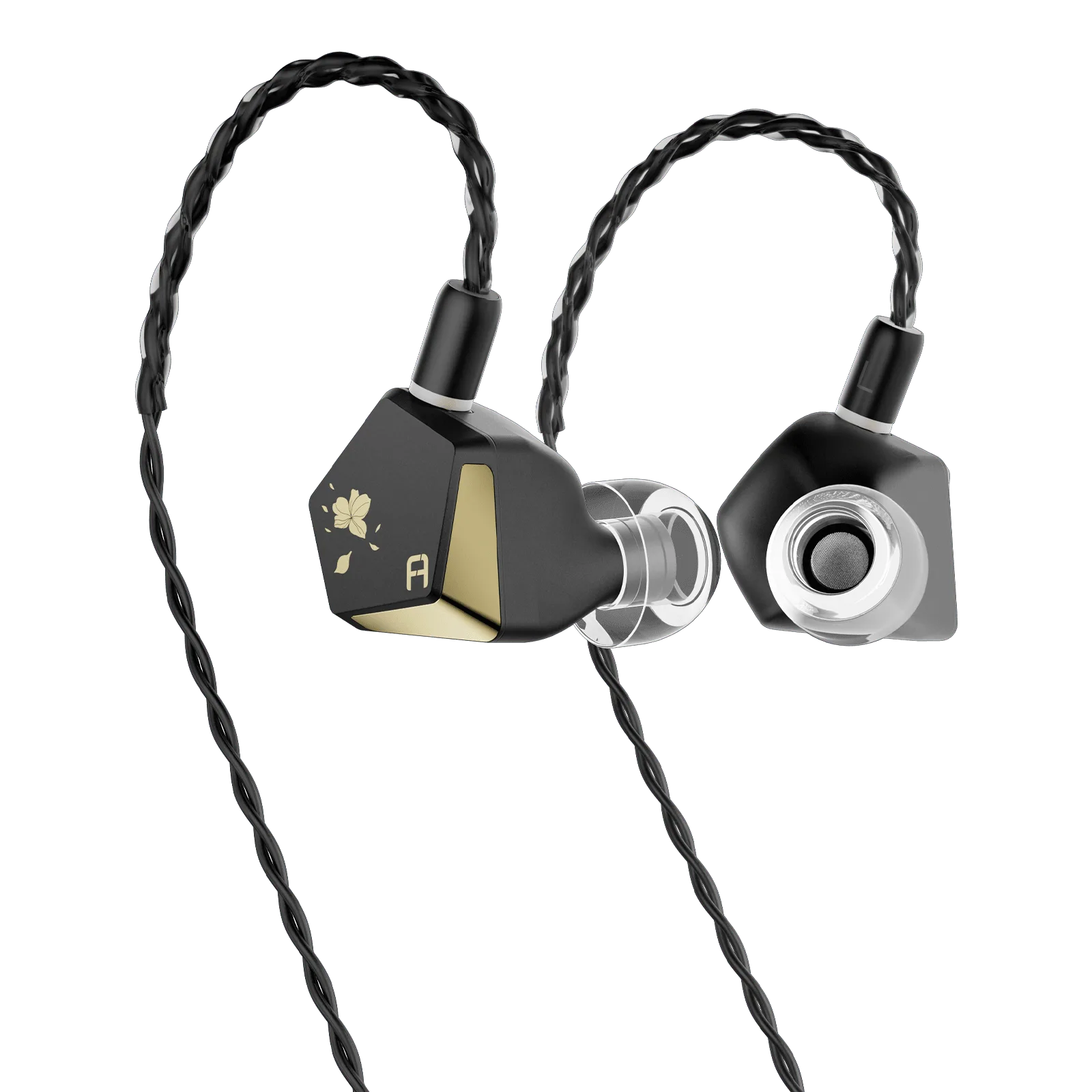
HIBY x FAudio - Project Ace JP IEMs
-
HiBy Yacht10: φ10mm Dynamic | Mg & Al Alloy Dome | Polymer Diaphragm | Dual Magnetic Core | 1.2T Magnetic Force | H. CCAW Coil | Dual Acoustic Chamber | Air-pressure Valve | Cyber-punk Style | CNC Carving | Ergonomic Wearing | Coaxial Balance Cable | High Purity OCC | Litz Type4 Wire | 4Pin-lock Adapter The smaller metal dome with dual acoustic chamber and air-pressure valve points to a different tuning philosophy—aiming for detail and dynamic performance without the specialized J-pop emphasis.
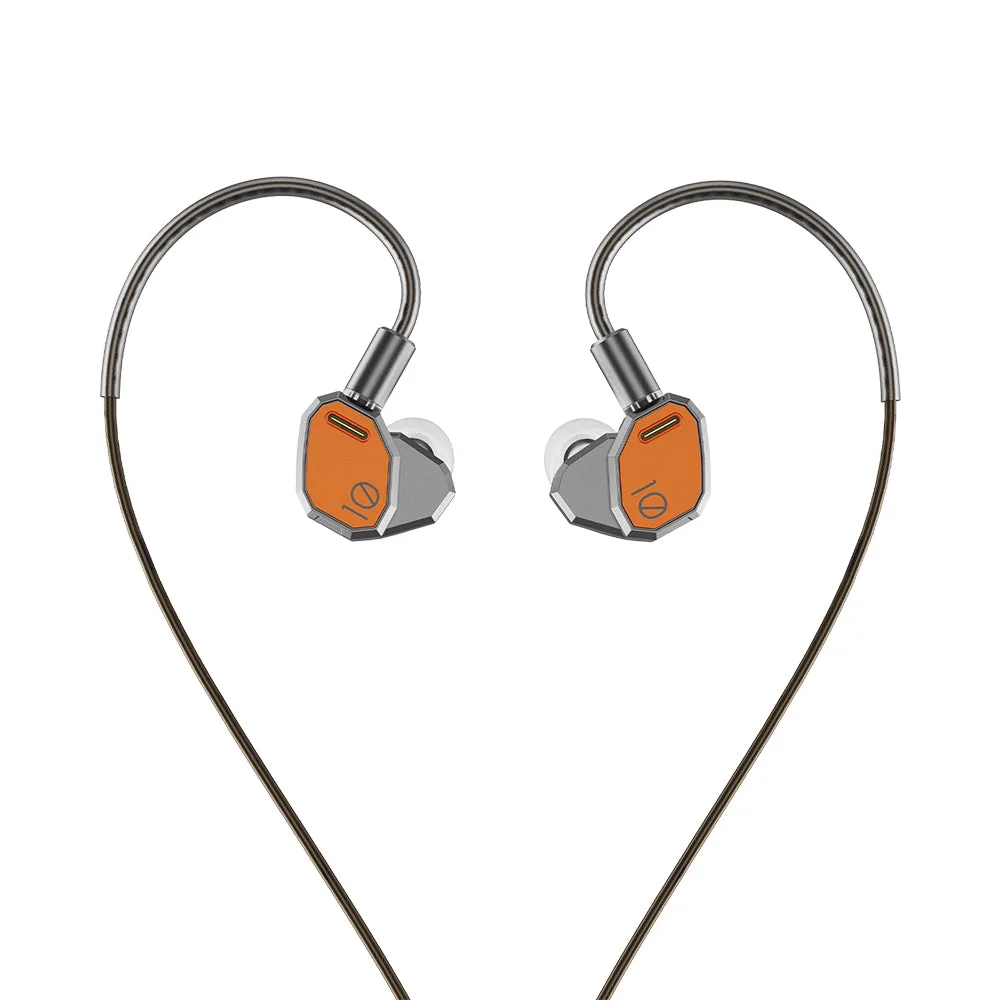
HiBy Yacht10
Honest Trade-offs Between the Two
The Project Ace JP is priced at USD 175.77 (catalog comparison USD 279.00) and is a collaboration with FAudio, so its tuning is deliberately aimed at a specific musical genre. If your library is mostly acoustic, classical, or spoken word, the specialized tuning may not be necessary.
The Yacht10 at USD 91.59 (catalog comparison USD 129.00) is more affordable and offers bundle options with eartips and a USB-C plug for Cu4. Its tuning is described in more general terms—richness and dynamics—which makes it a safer choice for varied listening. However, its smaller driver may not deliver the same bass impact or transient speed as the Project Ace JP for demanding tracks.
Neither IEM’s supplied information includes frequency response graphs, impedance, or sensitivity, so direct sound signature comparisons are limited to what the design hints at. The decision comes down to your music preferences and whether the specialized J-pop tuning of the Project Ace JP or the more general detail-oriented approach of the Yacht10 suits you better.
A Simple Way to Decide
If you primarily listen to J-pop, electronic, or other densely produced genres and want a dynamic driver tuned specifically for complex music, the Project Ace JP is the more intentional choice. If your library is diverse and you want a capable, well-built dynamic IEM at a lower price point with flexible bundle options, the Yacht10 is a practical pick.
Both IEMs share the same detachable cable standard and ergonomic build philosophy, so your choice is less about quality and more about tonal fit.