A proper baton grip is the foundation of effective baton use. Whether you are a law enforcement officer, security professional, or civilian practicing self-defense, how you hold your baton determines your control, accuracy, and safety. Many users overlook this fundamental skill, leading to poor technique and increased risk of injury. In this guide, we will break down the correct way to hold a baton, covering grip types, hand placement, and common mistakes to avoid.
Mastering the baton grip is not just about holding on tight; it involves understanding the mechanics of leverage, wrist alignment, and ready positions. By the end of this article, you will have a clear understanding of how to hold your baton correctly, whether you are using it for training or in a real-world situation.
Why the Baton Grip Matters
The baton grip is your primary point of control. A correct grip allows you to strike with power, block effectively, and transition between techniques smoothly. Conversely, a poor grip can cause the baton to slip, reduce the force of your strikes, and even lead to wrist injuries. In high-stress situations, muscle memory from improper grip can fail you, so it is crucial to practice the right way from the start.
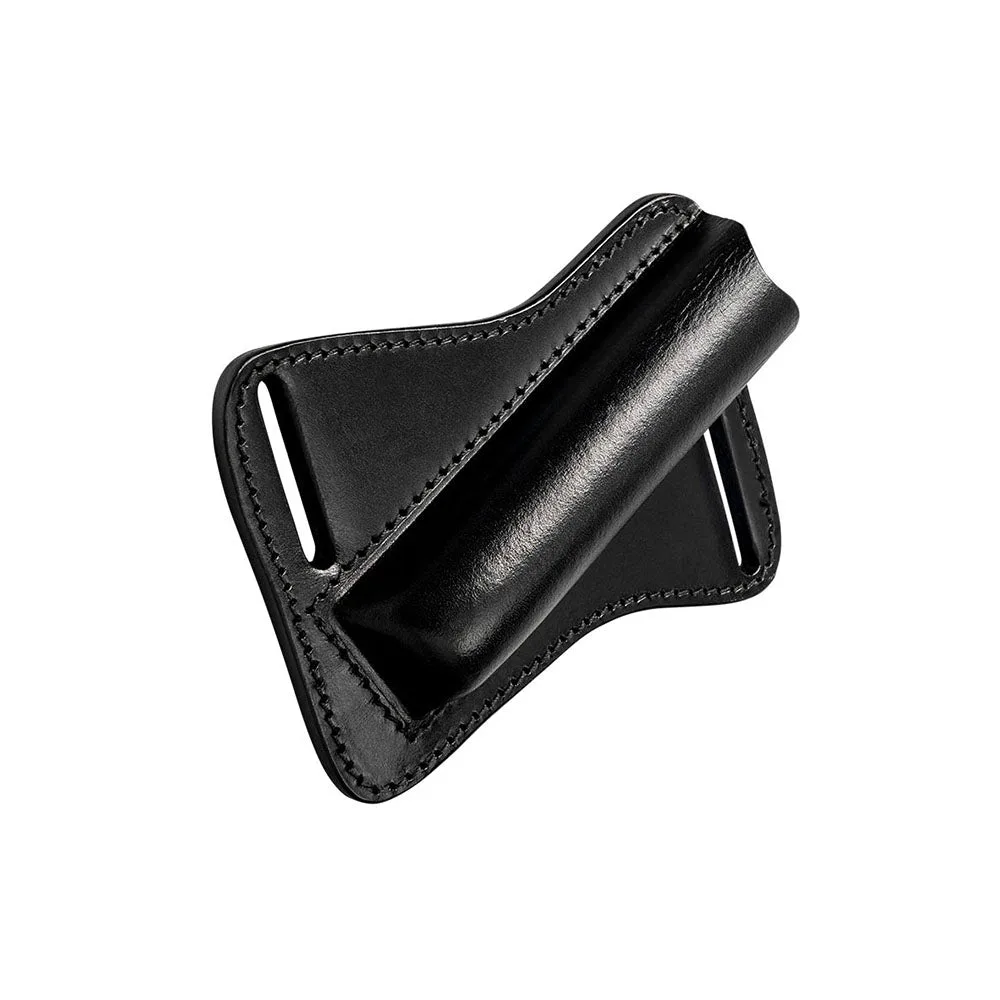
Additionally, the grip affects your baton's retention. If you are using a scabbard, like the https://aspersusa.com/products/horizon-scabbard-a-series-p-series-385875Horizon Scabbard (A Series, P Series), a proper grip ensures you can draw your baton efficiently and securely. The way you hold the baton also influences your ability to use other accessories, such as a tactical mirror, to maintain awareness during a confrontation.
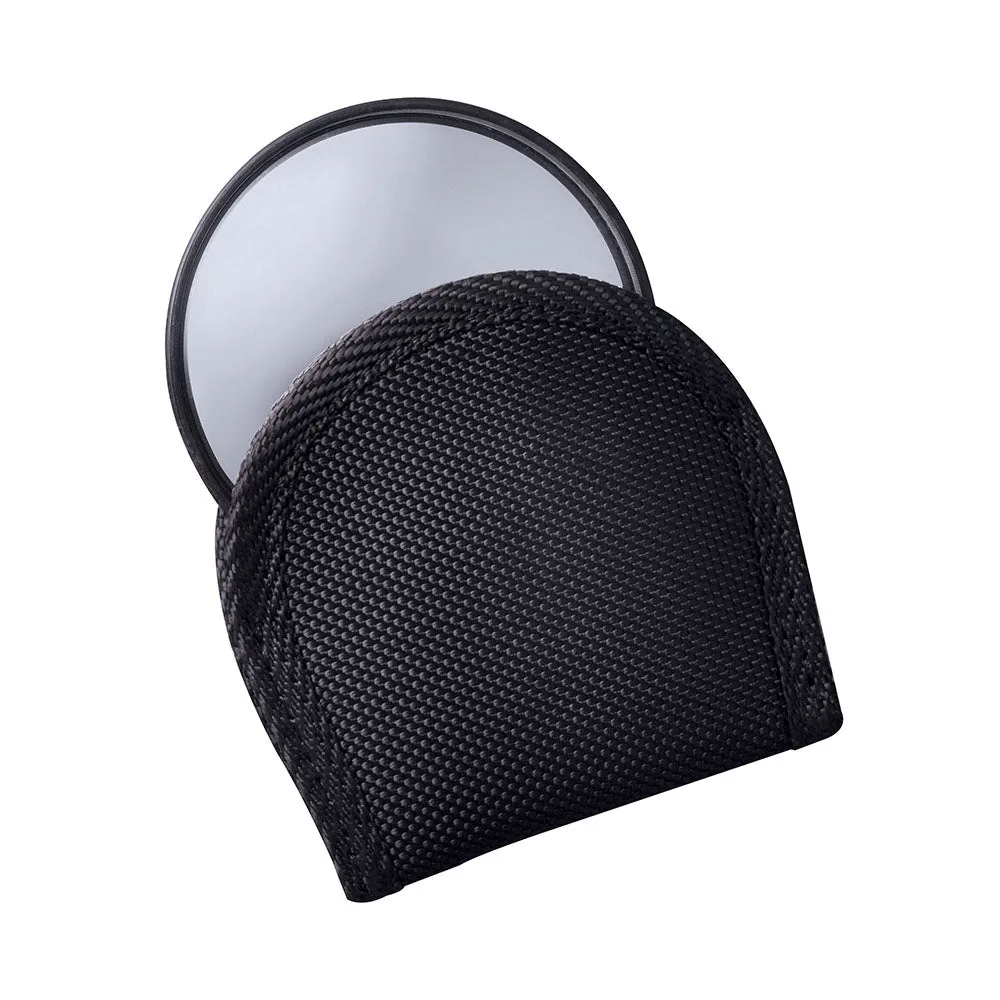
tactical mirror
- Control: A correct grip gives you maximum control over the baton's movement.
- Power: Proper hand placement allows you to generate more force with each strike.
- Safety: Reduces the risk of dropping the baton or injuring your wrist.
The Standard Grip: Step-by-Step
The standard baton grip is the most versatile and commonly taught. To achieve it, start by holding the baton in your dominant hand. Place the handle end against the base of your palm, with the baton running diagonally across your palm. Wrap your fingers around the handle, ensuring that your thumb rests along the side of the baton, pointing toward the tip. This grip allows for a firm hold while maintaining wrist flexibility.
Your grip should be firm but not tense. A death grip will fatigue your hand quickly and reduce your ability to move the baton fluidly. Imagine you are holding a hammer – you want enough grip to control the tool, but not so much that your hand cramps. This balance is essential for sustained use during training or in the field.
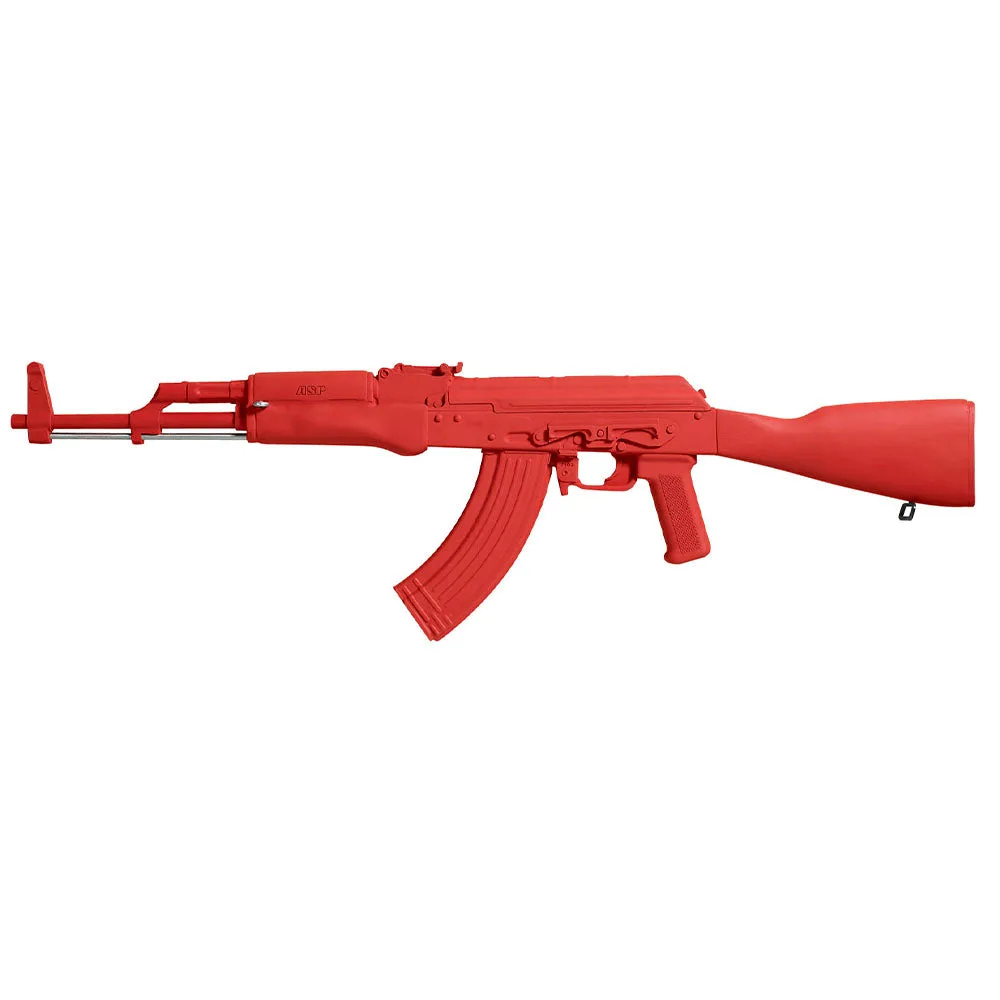
When using a baton with a textured handle, like the AK47, the grip is enhanced by the design. The grooves and ridges provide additional traction, allowing you to maintain a secure hold even in wet or sweaty conditions.
- Position the handle base in the center of your palm.
- Wrap all four fingers around the handle, with your thumb along the side.
- Keep your wrist straight and aligned with your forearm.
Alternative Grip Styles
While the standard grip is the most common, there are alternative grips that serve specific purposes. The reverse grip involves holding the baton with the tip pointing downward, which is useful for close-quarters defense or when you need to use the baton as a hook. The power grip, on the other hand, involves placing the thumb over the fingers for a more secure hold, often used when delivering heavy strikes.
Each grip has its advantages and disadvantages. The reverse grip offers better retention but limits your reach. The power grip provides more force but reduces wrist mobility. Understanding when to use each grip is essential for advanced baton techniques.
- Reverse Grip: For close-quarters and defensive moves.
- Power Grip: For maximum force in strikes.
- Finger Grip: For precision and control in training.
Common Grip Mistakes to Avoid
One of the most common mistakes is gripping the baton too far forward, which reduces your leverage and makes it harder to control the tip. Another mistake is holding the baton too loosely, especially during a swing, which can cause it to fly out of your hand. Finally, many users bend their wrist, which weakens the grip and increases the risk of injury.
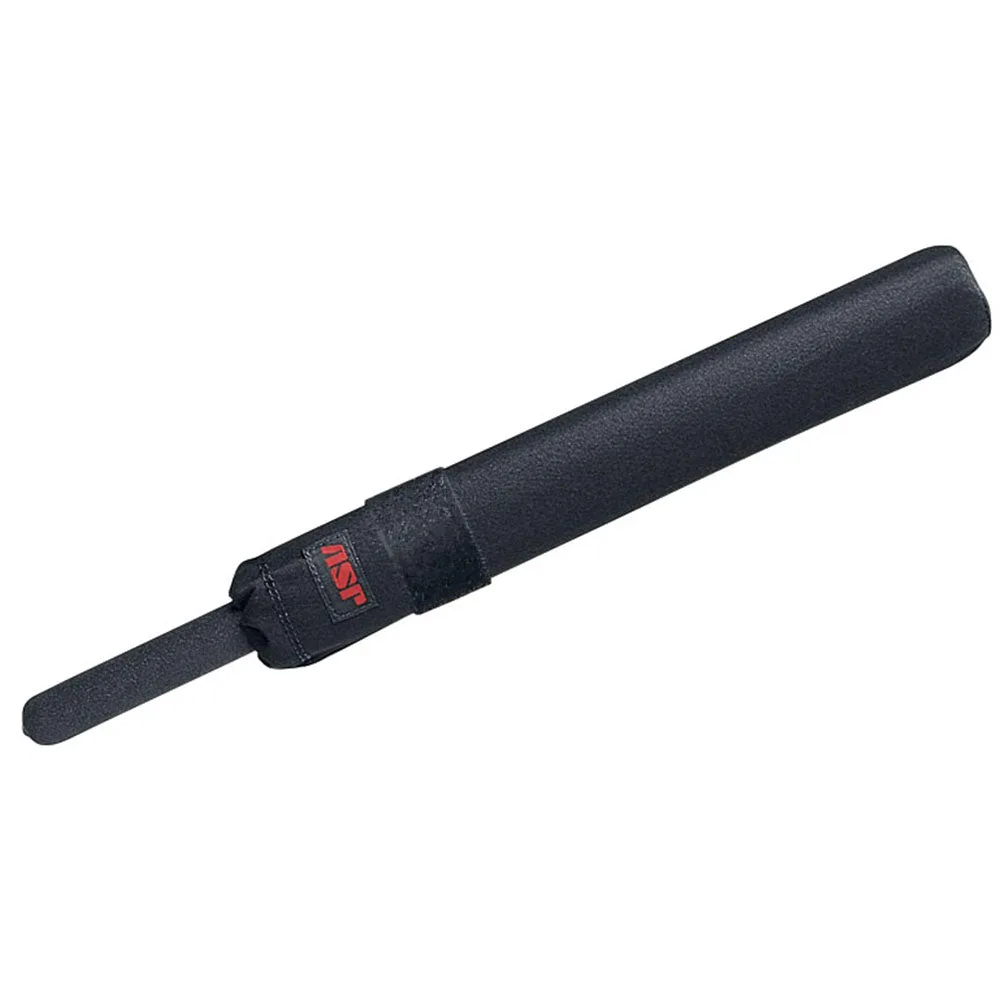
To avoid these mistakes, practice your grip in a static position before moving to dynamic drills. Use a training baton to build muscle memory. You can also use a Traffic Wand as a lightweight alternative to practice your grip without the weight of a full baton. This is especially useful for beginners who are still developing their hand strength.
- Avoid gripping too far forward – keep your hand near the handle end.
- Do not grip too loosely – maintain a firm but relaxed hold.
- Keep your wrist straight – avoid bending it during strikes.
Practicing Your Grip: Drills and Exercises
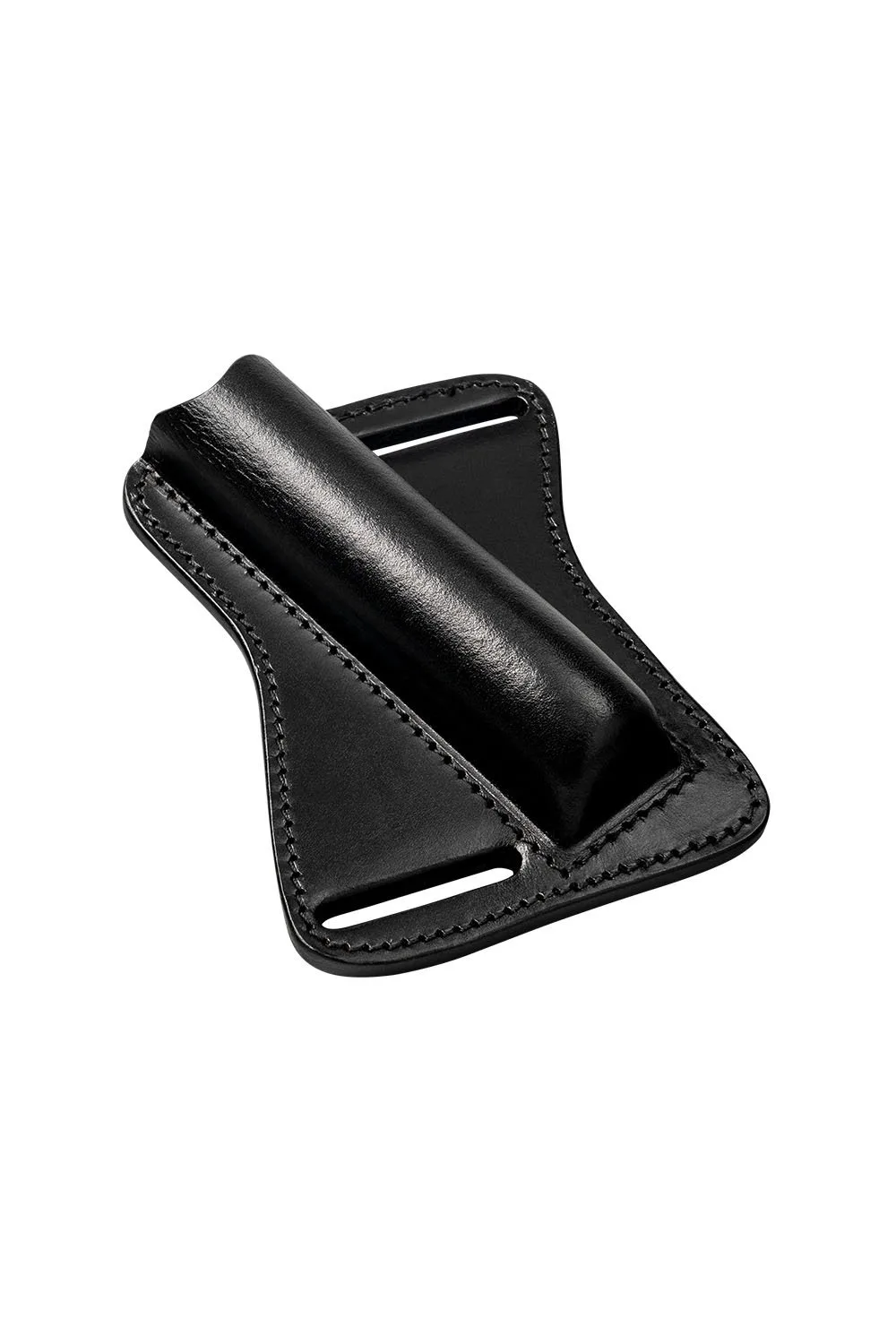
To master the baton grip, consistent practice is key. Start with simple drills, such as holding the baton in the standard grip and rotating your wrist to simulate striking motions. Gradually increase the speed and add movement, such as stepping forward or backward. You can also practice drawing the baton from a scabbard, like the Duty Scabbard, A50/P21, to simulate real-world deployment.
Another effective exercise is to practice with a partner using a training baton. Have your partner hold a target, and practice striking with the correct grip. This not only improves your grip but also your accuracy and timing. Remember to focus on your grip throughout the drill, even when you are tired.
- Practice grip changes: Switch between standard, reverse, and power grips.
- Use a scabbard for draw practice to integrate grip with deployment.
- Incorporate footwork to simulate real scenarios.
Mastering the proper baton grip is a critical skill that enhances your safety and effectiveness. By following the techniques outlined in this guide and practicing regularly, you will develop a strong, reliable grip that serves you well in any situation. For more training resources, explore our collection of baton accessories and training aids to support your practice.