Original WWII German medals and badges are more than just historical artifacts—they’re tangible connections to a pivotal era. Whether you’re a seasoned collector or just starting your military award conservation journey, proper storage is essential to prevent tarnish, corrosion, and physical damage. Without the right approach, even the most pristine Iron Cross or wound badge can lose its luster or structural integrity over time.
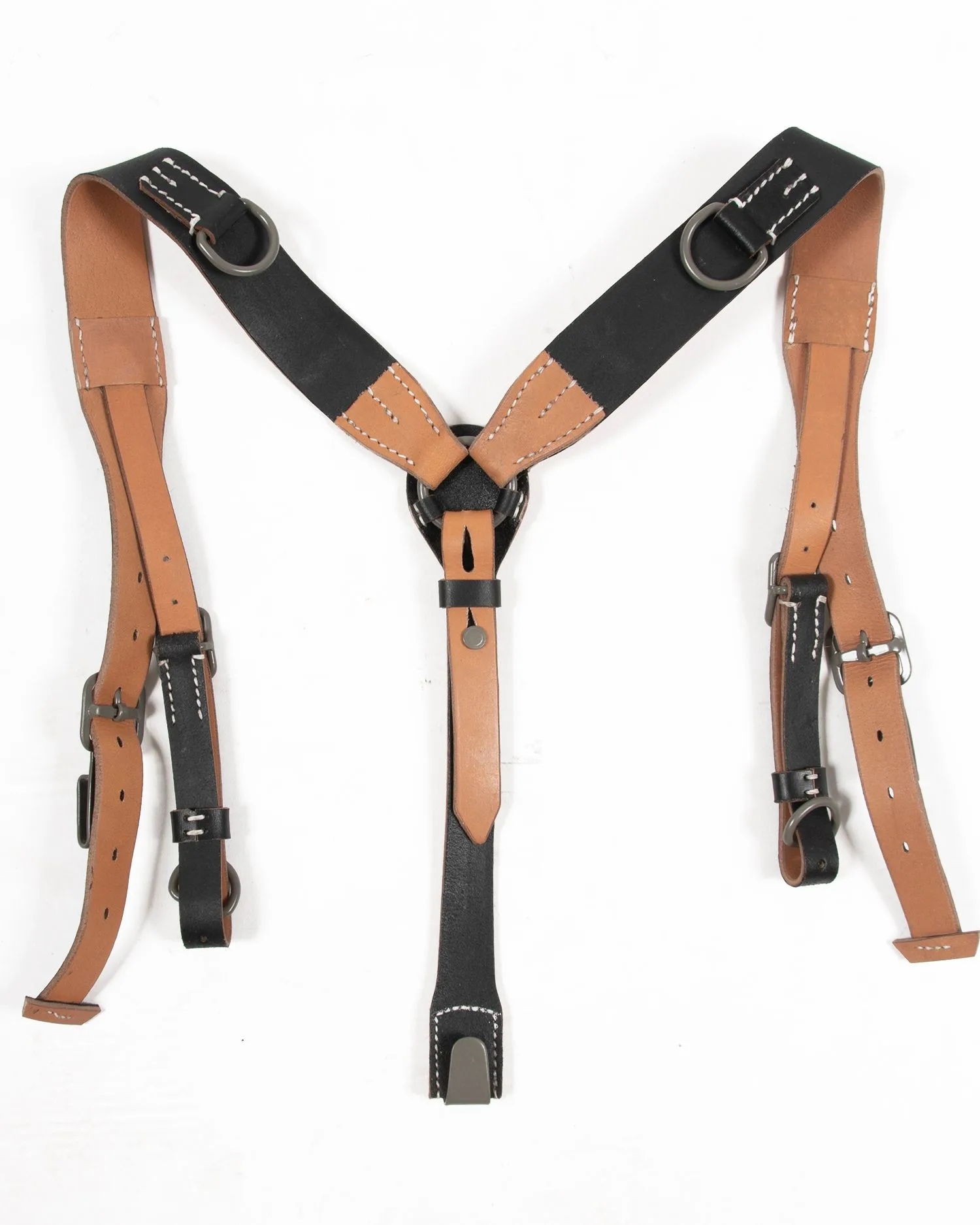
This guide covers the best practices for preserving your collection, from environmental controls to handling techniques. We’ll also highlight a few essential accessories from atthefront that can support your storage setup, such as the Standard EM Black Belt for display or the 502nd PIR Pocket Patch for adding context to your collection. Let’s dive into the steps that will keep your medals and badges in top condition for decades.
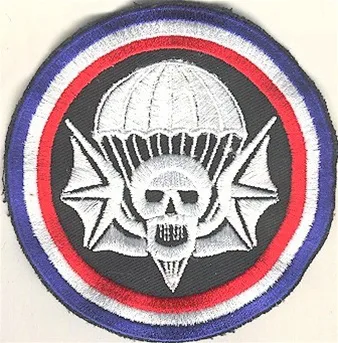
502nd PIR Pocket Patch
Understanding the Materials: Why German Medals and Badges Need Special Care
WWII German awards were crafted from a variety of materials, including zinc, brass, silver, and even early plastics. Zinc-based badges, common in later war years, are particularly prone to a condition known as “zinc pest” or “zinc rot,” where the metal expands and cracks due to impurities. This irreversible damage often starts at the edges or around attachment points like pins or hinges.
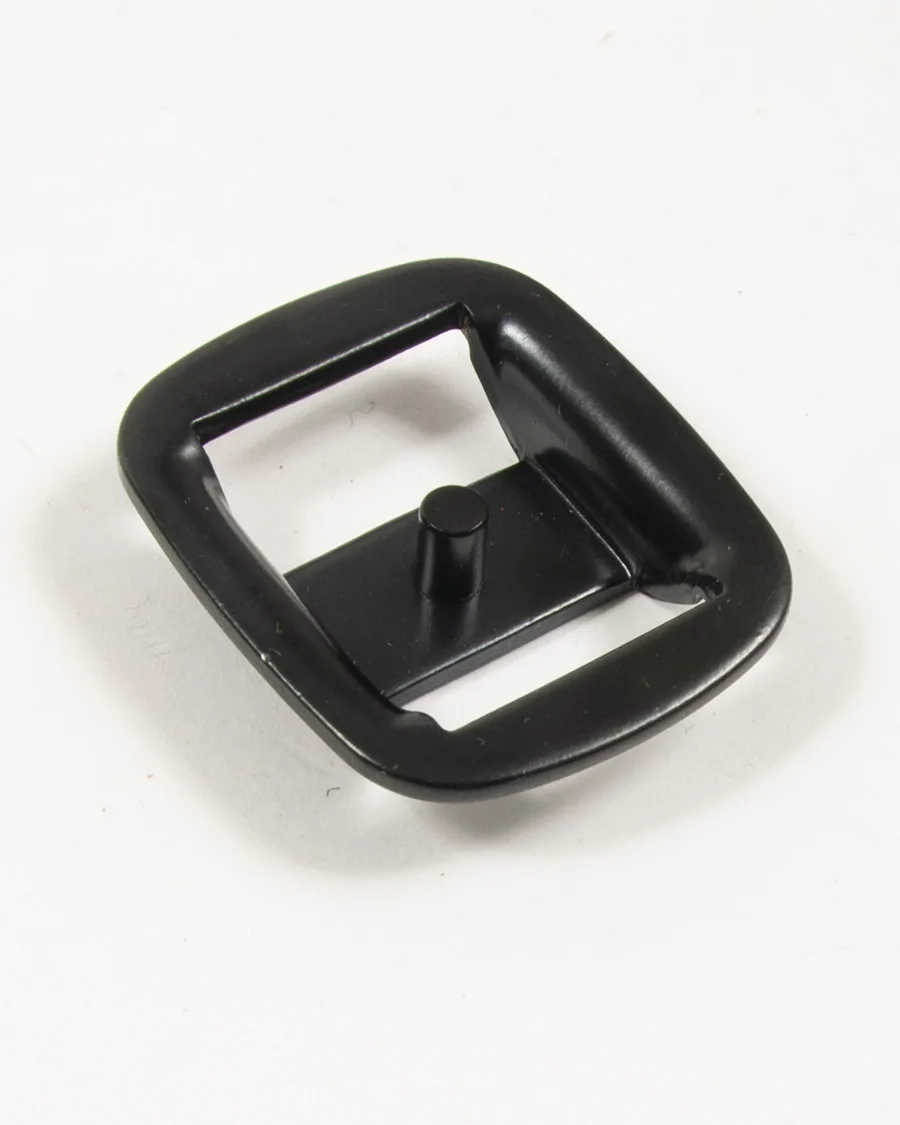
Silver and brass items can tarnish quickly when exposed to sulfur compounds in the air, while painted badges may chip or fade under UV light. Even the ribbons and backing cloths are vulnerable to fading, insect damage, and mold. Understanding these vulnerabilities is the first step in effective preserve collectible care. For example, a Fallschirmjäger Helmet Spanner Bolts set might be stored differently than a cloth patch, but both benefit from consistent climate control.
- Avoid storing medals in direct sunlight or near heat sources to prevent ribbon fading and metal expansion.
- Use acid-free tissue paper or archival boxes to separate items and prevent chemical reactions between different metals.
Controlling the Environment: Temperature and Humidity for Medal Storage
The ideal environment for storing WWII German medals and badges is a cool, dry space with stable conditions. Aim for a temperature between 60-70°F (15-21°C) and relative humidity around 40-50%. Fluctuations in humidity can cause condensation on metal surfaces, accelerating tarnish and corrosion. A simple digital hygrometer placed in your storage area can help you monitor conditions.
Avoid basements, attics, or garages where temperature swings are common. If you live in a humid climate, consider using silica gel desiccants in your storage containers, but be sure to recharge or replace them regularly. For larger collections, a small dehumidifier in the room can make a significant difference. Remember, consistent conditions are more important than perfect ones—rapid changes are often more damaging than a steady, slightly elevated humidity level.
- Store medals in a cabinet away from exterior walls to minimize temperature fluctuations.
- Check your storage area seasonally and adjust humidity controls as needed.
Handling Techniques: How to Safely Handle Original Awards
Even clean hands leave oils and acids that can corrode metal over time. Always handle your WWII German medals and badges with clean, dry hands or, ideally, wear white cotton gloves. This is especially important for silver awards, which show fingerprints quickly. When picking up a badge, hold it by the edges or the pin mechanism rather than the face to avoid smudging or bending delicate details.
Never force a stuck pin or clasp—this can snap a hinge or break a catch. If a pin is stiff, consult a professional conservator rather than trying to lubricate it yourself. For storage, you can use padded trays or individual acid-free envelopes. Items like the Helmet Split Pin Set are small but still require careful handling to avoid bending the split pins. Regular inspection every six months allows you to catch early signs of corrosion or damage.
- Inspect medals under good lighting with a magnifying glass to spot early tarnish or cracks.
- Use a soft brush (like a makeup brush) to gently remove dust before storing.
Storage Solutions: Cases, Boxes, and Display Options
Choosing the right storage medium is critical for long-term preservation. Archival-quality boxes made from acid-free, lignin-free materials are the gold standard. Avoid PVC-based coin flips or plastic sleeves, as they can off-gas and cause verdigris on metals. Instead, use Mylar or polyethylene bags for individual items, or custom-cut archival trays for badges.
For display, you can use shadow boxes with UV-protective glass, but ensure the interior is padded with acid-free felt or foam. Avoid hanging medals by their ribbons, as the weight can stretch or weaken the fabric over time. If you’re building a thematic display, consider pairing your awards with uniform accessories like the Standard EM Black Belt or a period patch such as the 502nd PIR Pocket Patch to create an authentic context. Just ensure that any non-archival materials in the display are sealed away from the medals.
- Label each storage compartment with the award’s name and date to reduce handling.
- For large collections, use a fireproof safe with a silica gel pack for added protection.
Cleaning and Maintenance: When and How to Clean Your Medals
One of the most debated topics in collectible care is cleaning. In general, less is more—overcleaning can remove original patina, reduce value, and damage fragile surfaces. For light tarnish on silver, a gentle wipe with a soft microfiber cloth can suffice. Never use commercial metal polishes, as they often contain abrasives that can strip detail. For zinc badges, avoid any cleaning that might disturb the surface finish.
If you must clean a ribbon, use a dry, soft brush to remove dust. For stubborn dirt, a very mild solution of distilled water and a drop of pH-neutral soap can be used on the ribbon only—never on the metal. Rinse with distilled water and air-dry flat. For painted badges, simply blow off dust with a bulb blower. Always test any cleaning method on an inconspicuous area first. When in doubt, consult a professional conservator who specializes in military artifacts.
- Document the condition of each medal with photos before attempting any cleaning.
- Store cleaned items separately until they are fully dry to prevent moisture entrapment.
Long-Term Preservation: Digitizing and Insurance for Your Collection
Beyond physical storage, consider creating a digital record of your collection. Take high-resolution photos of each medal and badge from multiple angles, including the reverse and any markings. Store these images on a cloud service or external hard drive. This not only helps with insurance claims but also allows you to study details without handling the originals.
For valuable collections, consider a specialized insurance policy for collectibles. Many standard homeowners’ policies have limits on military artifacts. Document your collection with descriptions, purchase dates, and estimated values. Keep this inventory in a separate location from the medals themselves. As your collection grows, you might also want to invest in a dedicated storage cabinet with lockable drawers, ensuring both security and proper environmental control.
- Update your digital inventory every time you add or remove an item.
- Store a printed copy of your inventory in a safe deposit box for redundancy.
Preserving WWII German medals and badges requires a thoughtful approach to environment, handling, and storage materials. By controlling humidity, using archival supplies, and minimizing direct contact, you can ensure these historical treasures remain in excellent condition for future generations. For additional support in organizing your collection, explore the 502nd PIR Pocket Patch and other accessories at atthefront to complement your display and storage needs.