Quick Answer
Keep your cedar raised bed dry and off the ground to prevent rot. Use physical barriers and natural repellents to deter pests. Inspect boards yearly and replace damaged sections before they spread.
Why Cedar Naturally Resists Rot and Pests
Cedar contains natural oils that make it resistant to decay and insects. That’s why Greenes Fence uses untreated North American cedar for their raised beds—it’s safe for growing food and lasts longer than most woods without chemical treatments. But even cedar will break down if it stays wet or comes into direct contact with soil.
The Two Main Threats: Moisture and Critters
Rot happens when moisture gets trapped against the wood, especially at ground level. Pests like termites, carpenter ants, and rodents can tunnel into damp wood or burrow underneath the bed. The good news: most problems are preventable with simple setup and maintenance habits.
Diagnosing Rot and Pest Issues in Your Cedar Raised Bed
- Symptom: Soft or crumbly wood at board ends or corners: Press a screwdriver into suspect areas. If it sinks in more than 1/8 inch, the wood is starting to rot from trapped moisture. Check drainage and ensure boards don’t sit directly on soil. Consider adding a gravel base or concrete blocks under the bed.
- Symptom: Small piles of sawdust or mud tubes on boards: Sawdust near joints or corners often means carpenter ants or termites. Mud tubes on the wood surface are a clear termite sign. Remove the infested section immediately. Replace with a new cedar board. Do not use chemical pesticides inside a food garden.
- Symptom: Gnaw marks or tunnels at ground level: Rodents like voles and gophers will chew through wood that touches soil. Look for 1/4-inch-wide grooves or small entry holes. Install a hardware cloth barrier on the bottom of the bed before filling with soil. This stops burrowing without harming the wood.
- Corrective action: Annual inspection and natural treatment: Once a year, check all boards for soft spots, cracks, or pest activity. Apply a food-safe linseed oil or cedar oil to dry areas to refresh natural protection. If more than 30% of a board is damaged, replace it. Cedar is durable, but no wood lasts forever in direct ground contact.
Product Features That Help
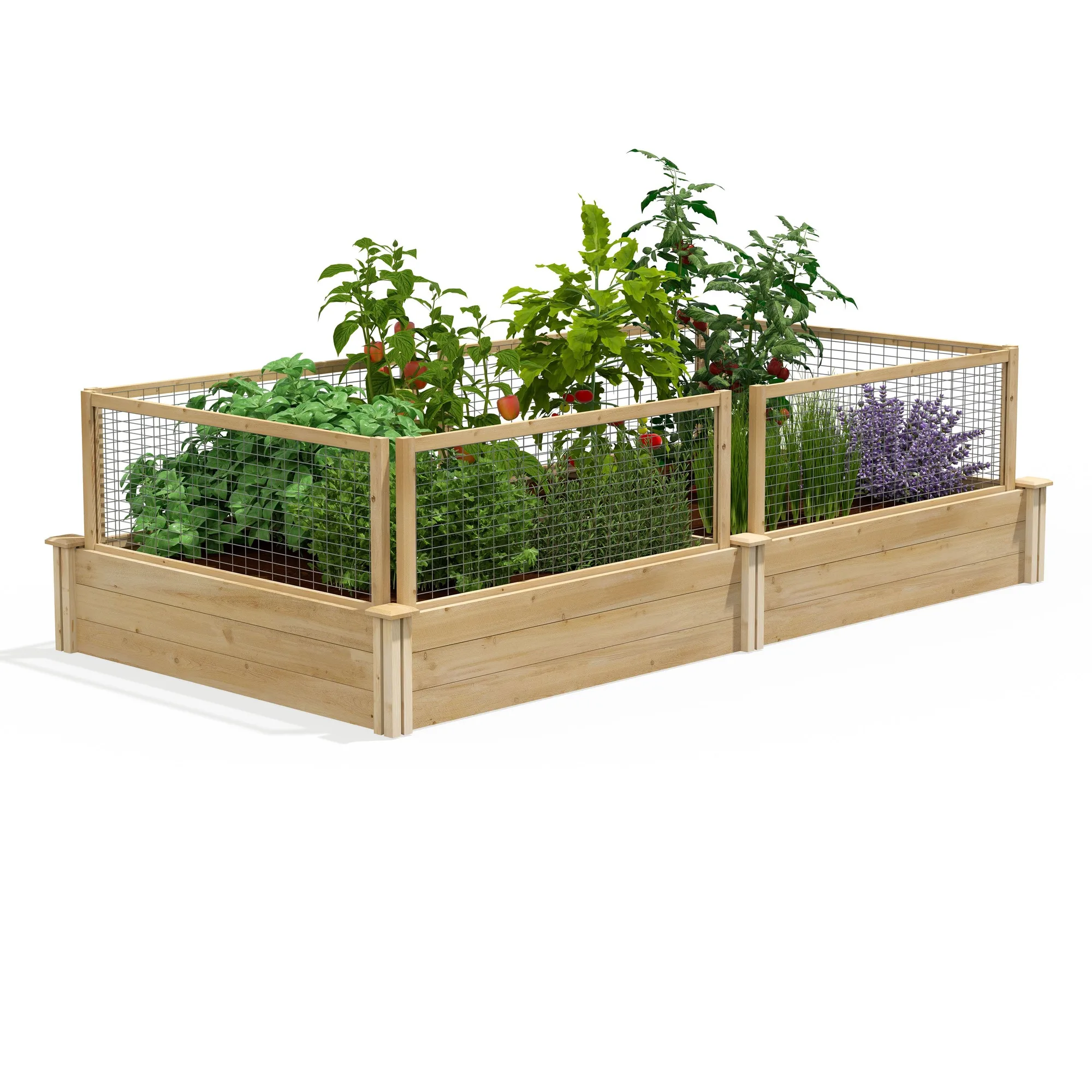
- Premium Cedar Raised Garden Bed with CritterGuard® Cedar Fence System 4 ft x 8 ft x 10.5 in (3/4 in Thick) RC6T21BCG: Made in the USA from untreated, naturally rot-resistant cedar with sanded 3/4 in. thick boards and routed corner posts. Thicker boards resist cracking and moisture penetration longer, while routed posts create tight joints that keep pests out.
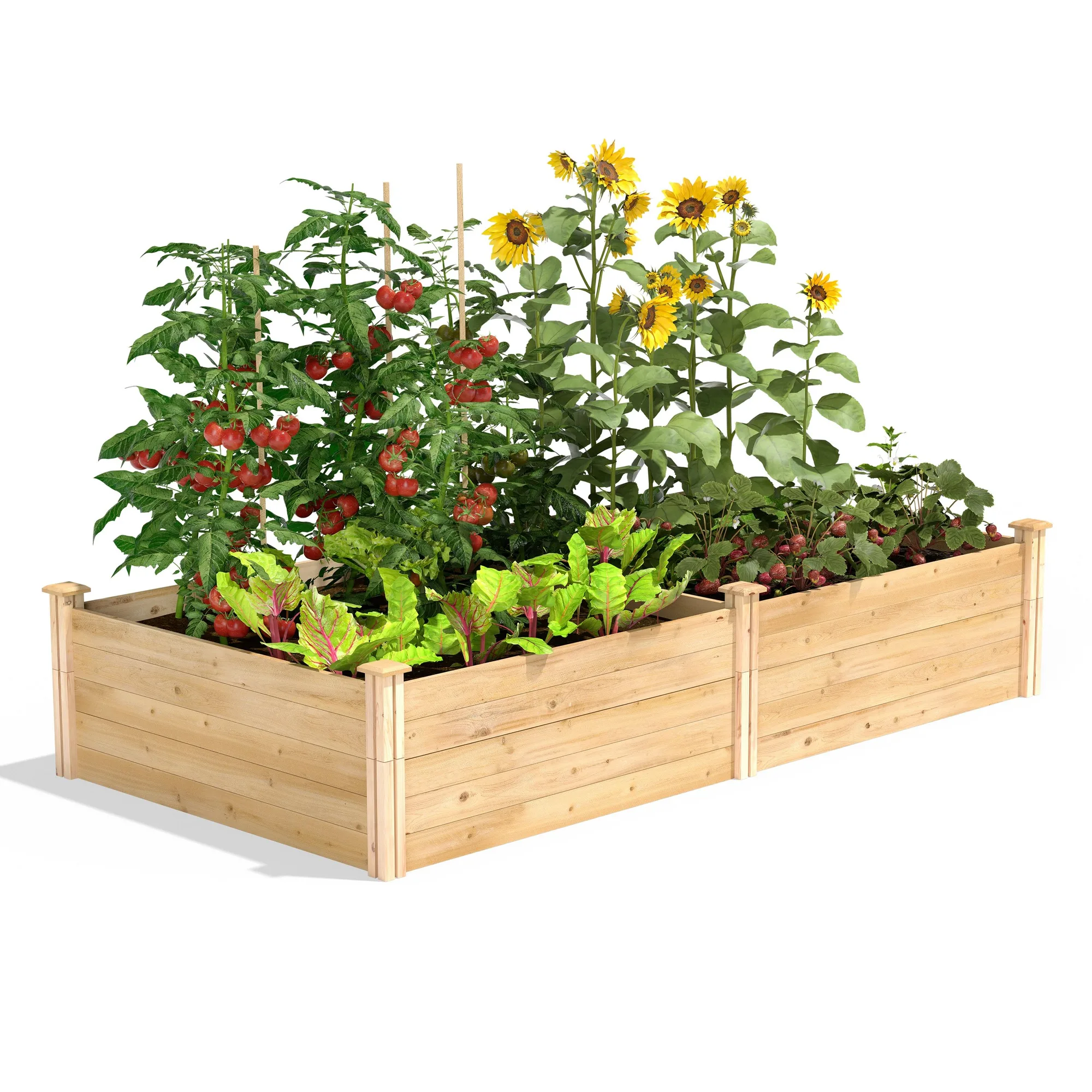
- Premium Cedar Raised Garden Bed 4 ft x 8 ft x 17.5 in (3/4 in Thick) RC6S6T35B: Made in the USA from chemical-free North American cedar with sanded 3/4 in. thick boards and routed corner posts. The deeper 17.5-inch height holds more soil, but also keeps the bottom of the bed farther from ground moisture—reducing rot risk at the base.