When it comes to optimizing sleep, most people focus on reducing screen time, lowering caffeine intake, or improving their bedtime routine. But what if the key to deeper, more restorative sleep lies in what you eat before bed? Emerging research suggests that protein consumption before sleep can positively influence sleep quality, muscle repair, and metabolic health. For fitness enthusiasts and health-conscious individuals, understanding this connection can be a game-changer for both performance and recovery.
In this article, we’ll dive into the science behind protein and sleep, explore the best types of protein to consume before bed, and offer practical tips to help you make informed choices. Whether you’re an athlete looking to maximize overnight recovery or someone struggling with restless nights, the right nutrition could be the missing piece of your sleep puzzle.
How Protein Affects Sleep Quality
Protein plays a multifaceted role in sleep regulation. First, it provides the amino acid tryptophan, a precursor to serotonin and melatonin—two key hormones that govern sleep-wake cycles. Tryptophan-rich foods, such as dairy, eggs, and certain meats, can help increase melatonin production, potentially leading to faster sleep onset and improved sleep depth. Additionally, protein consumption before bed stimulates muscle protein synthesis, which is critical for repairing tissue damaged during exercise. This overnight repair process not only supports muscle growth but also promotes a more restful state.
However, not all proteins are equal. Slow-digesting proteins like casein, found in milk and some protein shakes, provide a steady release of amino acids throughout the night, making them ideal for pre-sleep consumption. In contrast, fast-digesting proteins like whey may spike amino acid levels quickly but fade faster, which could disrupt sleep if consumed too close to bedtime. The key is choosing a protein source that aligns with your body’s overnight needs.
- Tryptophan from protein boosts melatonin synthesis for better sleep onset.
- Slow-digesting proteins like casein support overnight muscle repair without digestive disruption.
- Pairing protein with a small amount of carbohydrates can enhance tryptophan uptake in the brain.
The Role of Protein in Muscle Recovery During Sleep
Sleep is the body’s prime time for recovery, and protein is the building block that fuels this process. During deep sleep stages, growth hormone release peaks, facilitating tissue repair and muscle protein synthesis. Consuming protein before bed provides the necessary amino acids to sustain this anabolic state throughout the night. Studies have shown that individuals who consume 30-40 grams of protein before sleep experience greater muscle recovery and strength gains compared to those who skip this snack.
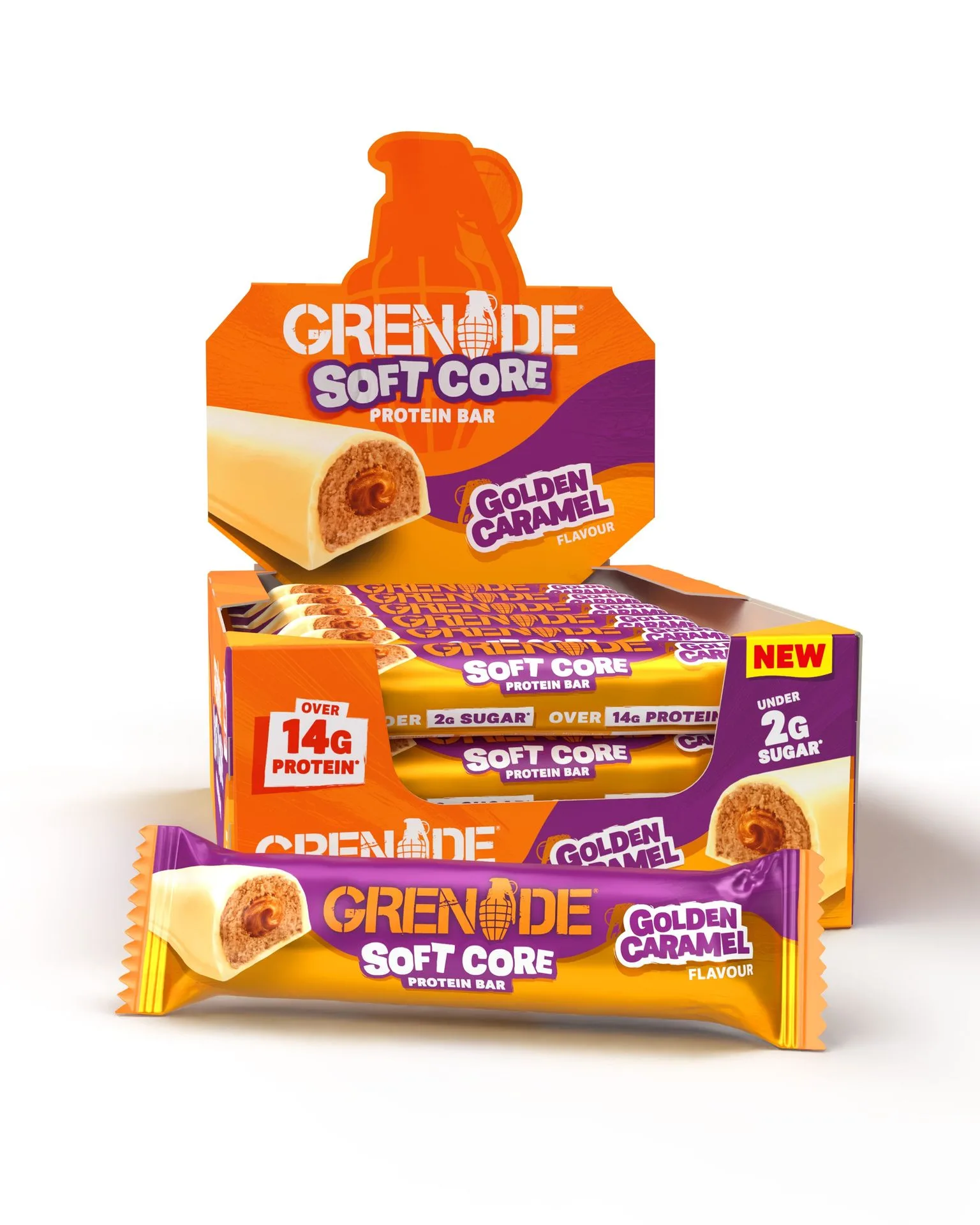
For active individuals, this means that a pre-sleep protein shake or a protein bar can be a strategic tool. Products like the Soft Core Golden Caramel Protein Bar offer a balanced source of slow-release protein that won’t cause a sugar crash or digestive discomfort. Similarly, a bottled protein shake such as the White Chocolate Protein Shake (8 Pack) 330ml can provide a convenient, ready-to-drink option that supports overnight recovery without requiring meal prep.

White Chocolate Protein Shake (8 Pack) 330ml
- Aim for 30-40 grams of slow-digesting protein before bed for optimal recovery.
- Avoid high-sugar or high-fat snacks that can interfere with sleep architecture.
- Consistency is key—make pre-sleep protein a habit for best results.
Choosing the Right Pre-Sleep Protein Snack
Not all protein sources are created equal when it comes to sleep. The ideal pre-bed snack should be low in sugar, moderate in protein, and easy to digest. Heavy, high-fat meals can cause indigestion and disrupt sleep, while sugary snacks may spike blood sugar and lead to nighttime awakenings. Instead, opt for protein-rich options that combine slow-release casein or dairy-based proteins with minimal additives.
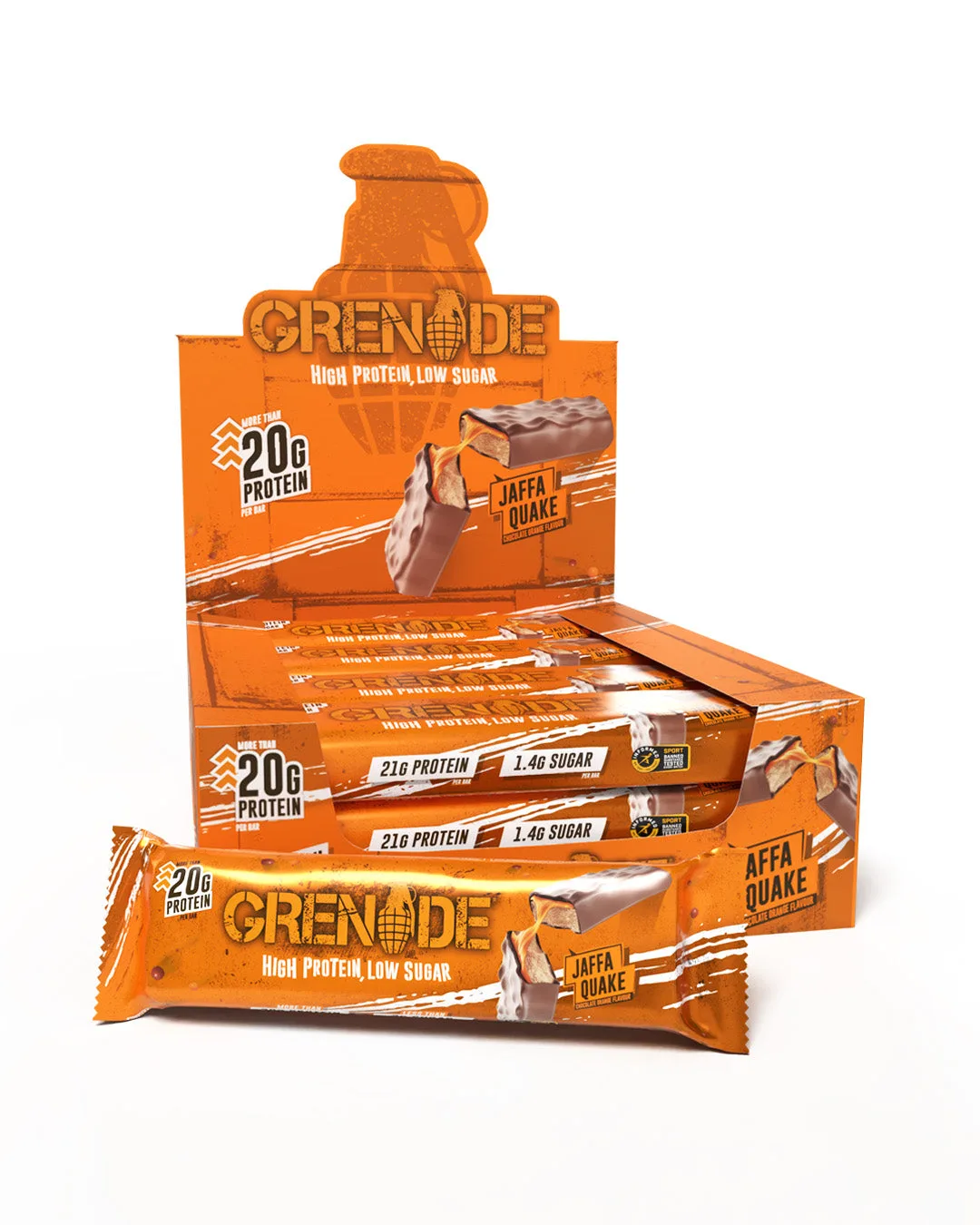
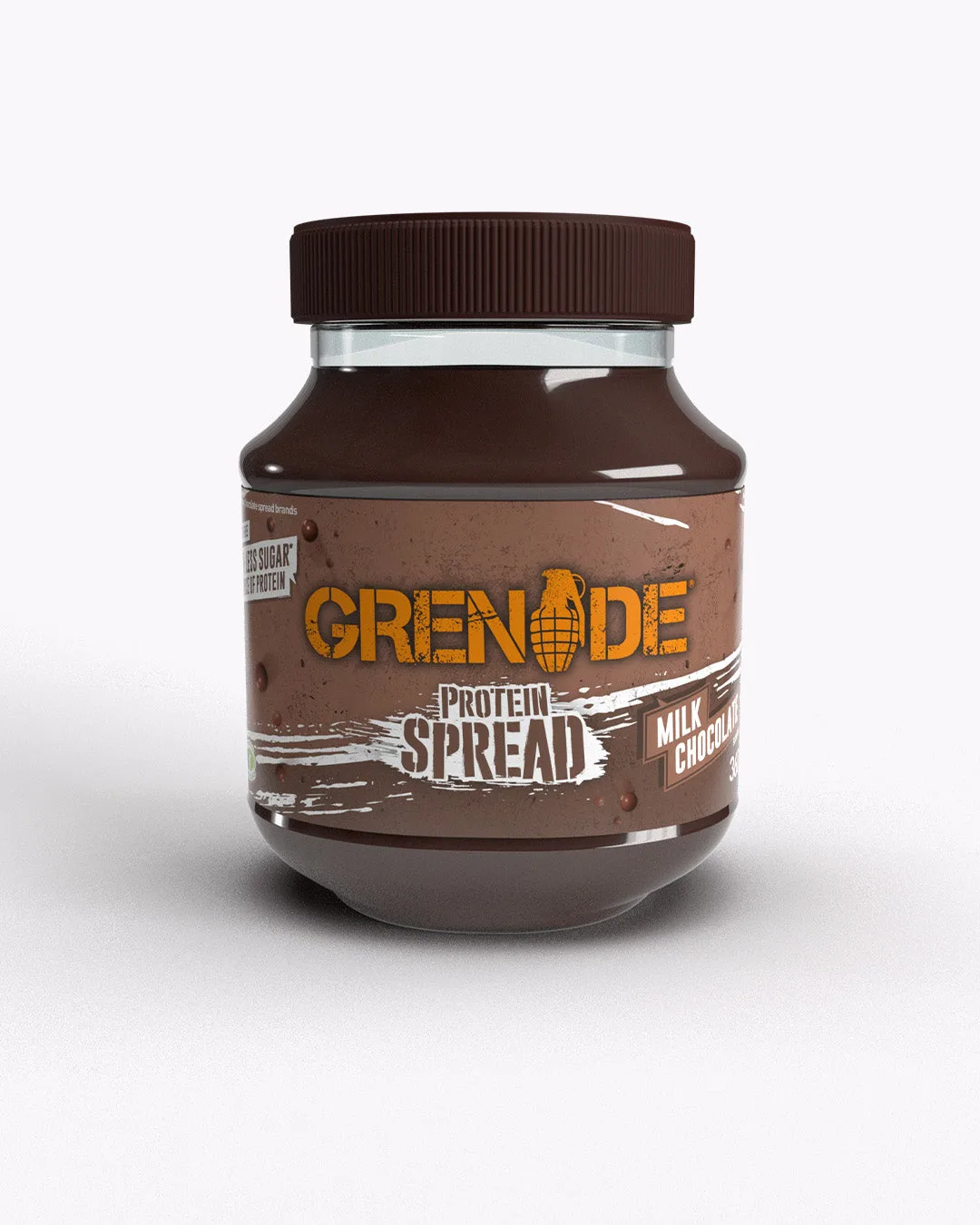
Grenade offers several products that fit these criteria perfectly. The Milk Chocolate Protein Spread is a versatile option that can be spread on a small piece of whole-grain toast or rice cake for a light, satisfying snack. Alternatively, the Jaffa Quake Protein Bar provides a balanced ratio of protein to carbohydrates with a touch of chocolatey flavor, making it a delicious yet functional choice. For those who prefer a shake, the Creatine Monohydrate - Pink Razzberry can be mixed with milk or water for an extra recovery boost, though it’s best to pair it with a slow-digesting protein source to sustain amino acid levels throughout the night.
- Choose snacks with at least 20 grams of protein and under 10 grams of sugar.
- Avoid caffeine or stimulants like those found in some pre-workout supplements.
- Eat your snack 30-60 minutes before bed to allow for initial digestion.
Practical Tips for Incorporating Protein into Your Bedtime Routine
Building a pre-sleep protein habit doesn’t have to be complicated. Start by identifying a window of 30-60 minutes before your intended bedtime to consume your snack. This timing allows your body to begin digestion without interfering with sleep onset. Keep your portion moderate—too much protein can cause bloating, while too little won’t provide the desired recovery benefits. Pairing protein with a small amount of complex carbohydrates, such as a banana or oats, can help transport tryptophan to the brain more effectively.
Consistency matters. Just as you schedule your workouts, schedule your pre-sleep nutrition. Over time, your body will adapt, and you may notice improvements in both sleep quality and morning recovery. For those with a sweet tooth, the Soft Core Golden Caramel Protein Bar is a great way to satisfy cravings while supporting your goals. And if you’re on the go, keep a few Jaffa Quake Protein Bars in your gym bag for a convenient post-workout or pre-sleep option.
- Set a nightly alarm as a reminder for your pre-sleep protein snack.
- Experiment with different protein sources to find what works best for your digestion.
- Track your sleep quality with a journal or app to notice patterns.
The connection between protein and sleep quality is more than just a trend—it’s a science-backed strategy for enhancing recovery, supporting muscle growth, and improving overall rest. By choosing the right pre-sleep snacks, such as a protein bar or a spread, you can turn your bedtime routine into a powerful tool for health. Ready to upgrade your overnight recovery? Explore the Soft Core Golden Caramel Protein Bar for a delicious, sleep-friendly option that fuels your body while you rest.