You’ve just finished a tough workout, your muscles are screaming for repair, and you’re staring at two options: a protein bar or a protein shake. Both are convenient, both pack a protein punch, but which one is actually better for your specific needs? The answer isn’t as simple as one being superior — it depends on timing, texture preference, portability, and your overall nutrition goals.
In this guide, we’ll break down the pros and cons of each, look at real-world scenarios, and help you make an informed choice. Whether you’re rushing from the gym to the office or enjoying a slow recovery day at home, understanding the difference between a protein bar vs shake can seriously upgrade your supplement game.
When to Reach for a Protein Shake
Protein shakes are the gold standard for rapid post-workout recovery. Because they’re liquid, your body absorbs them quickly — often within 20-30 minutes — delivering amino acids straight to your muscles when they need them most. If your goal is to kickstart muscle protein synthesis immediately after training, a shake is your best bet. Shakes also allow you to control your fluid intake, which is crucial after sweating heavily.
Another advantage is versatility. You can mix a shake with water for a lower-calorie option or with milk for extra creaminess and calories. Plus, bottled protein shakes like the White Chocolate Protein Shake (8 Pack) 330ml are incredibly portable and need no prep — just grab, shake, and drink. They’re perfect for gym bags, lunchboxes, or travel.
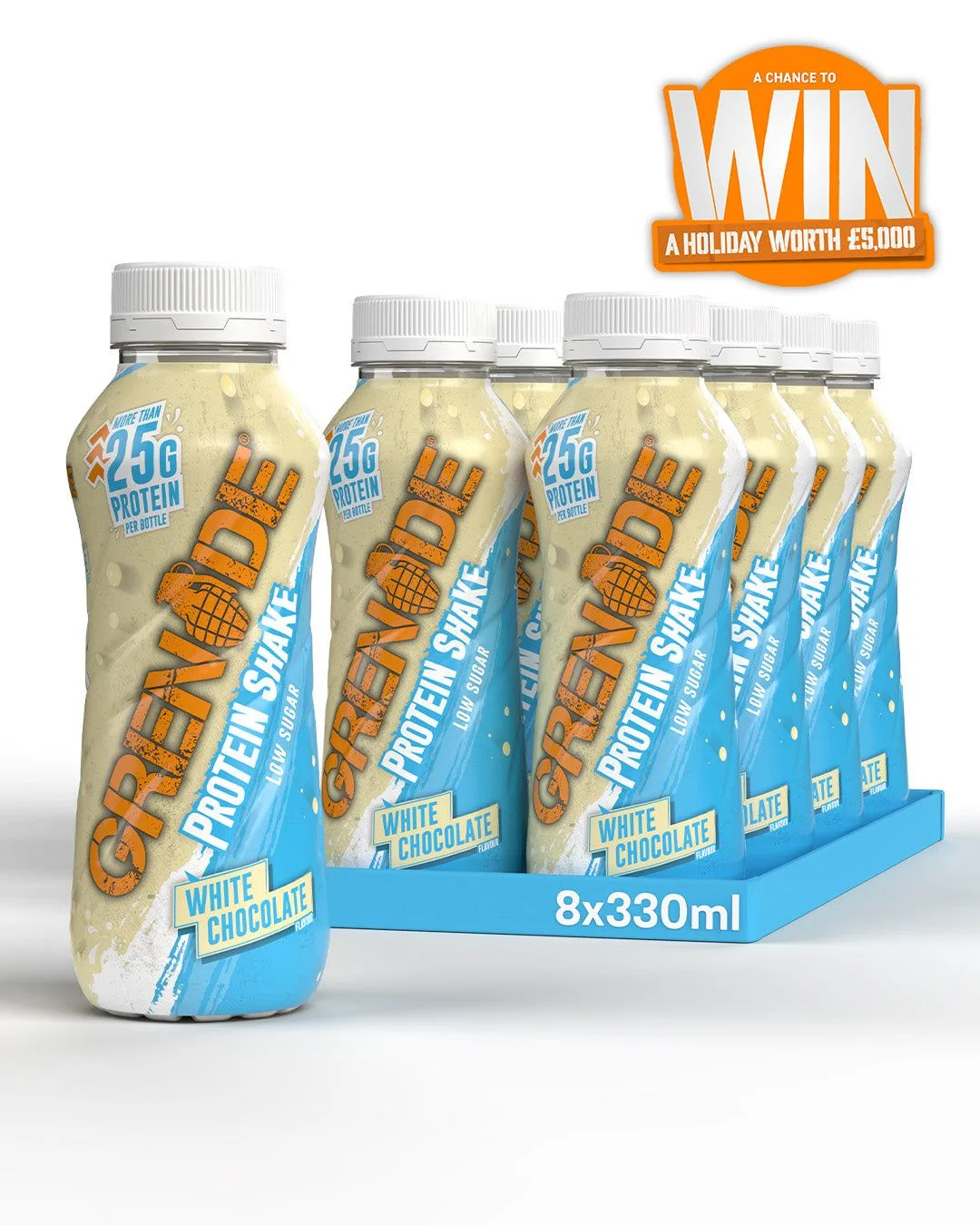
White Chocolate Protein Shake (8 Pack) 330ml
- Ideal for immediate post-workout recovery (fast absorption)
- Great for hydration and replenishing fluids
- Easy to customise with milk, water, or add-ins
When a Protein Bar Wins the Day
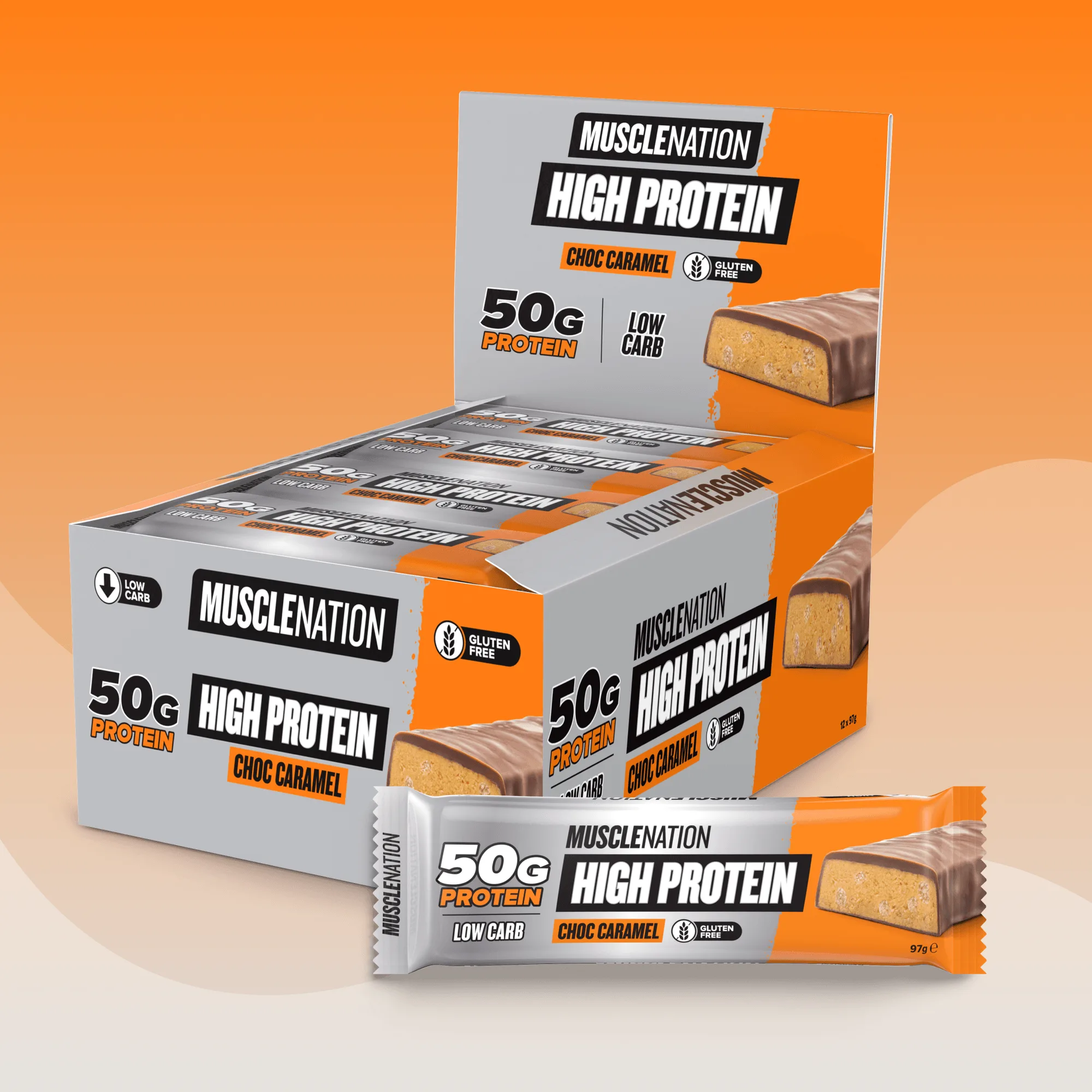
Protein bars shine when you need something more substantial — a snack that doubles as a mini-meal. Unlike shakes, bars provide solid food that takes longer to digest, keeping you fuller for longer. That makes them a smart choice between meals, as a mid-afternoon pick-me-up, or even as a healthier dessert alternative. They also offer texture and flavour variety that shakes can’t match.
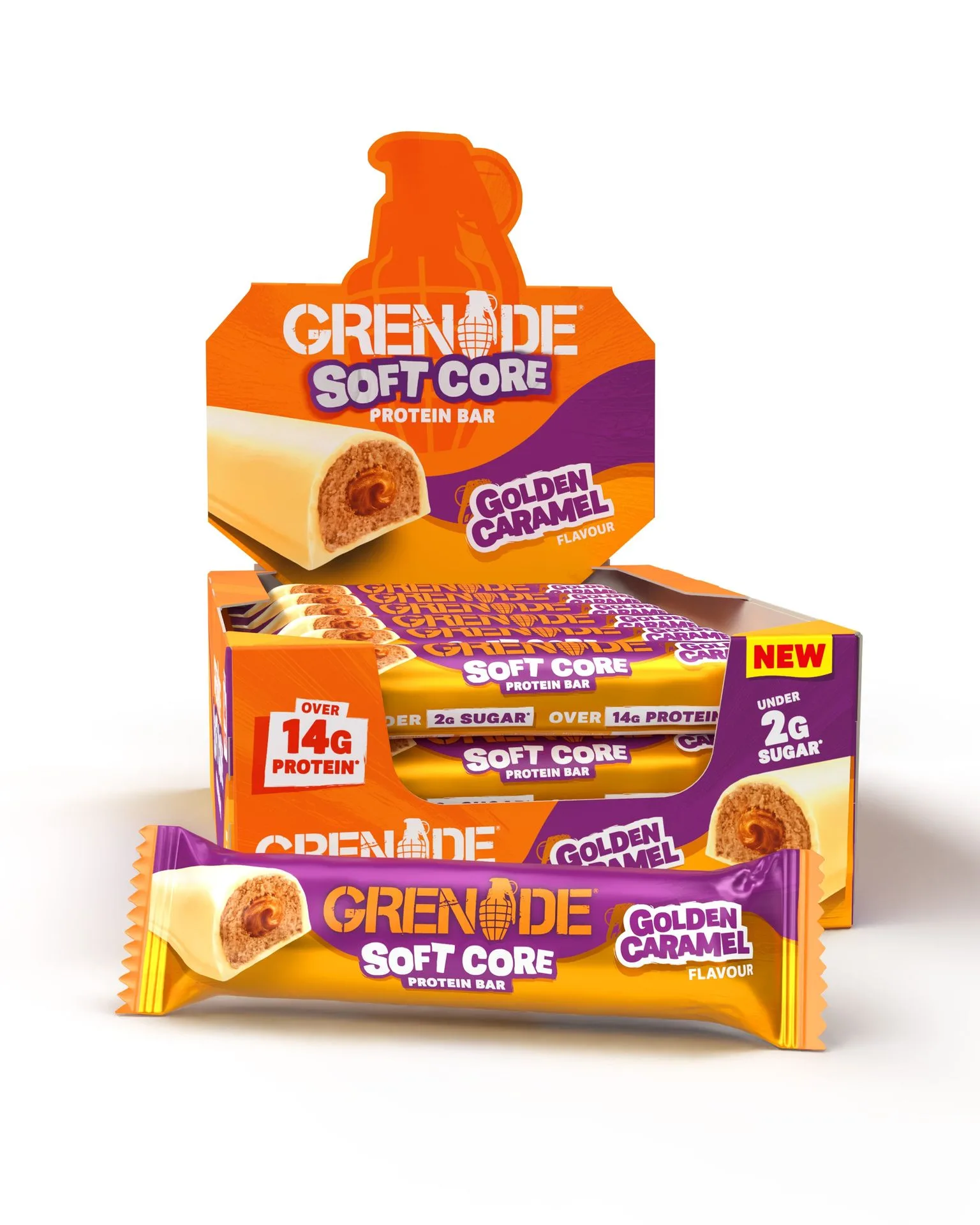
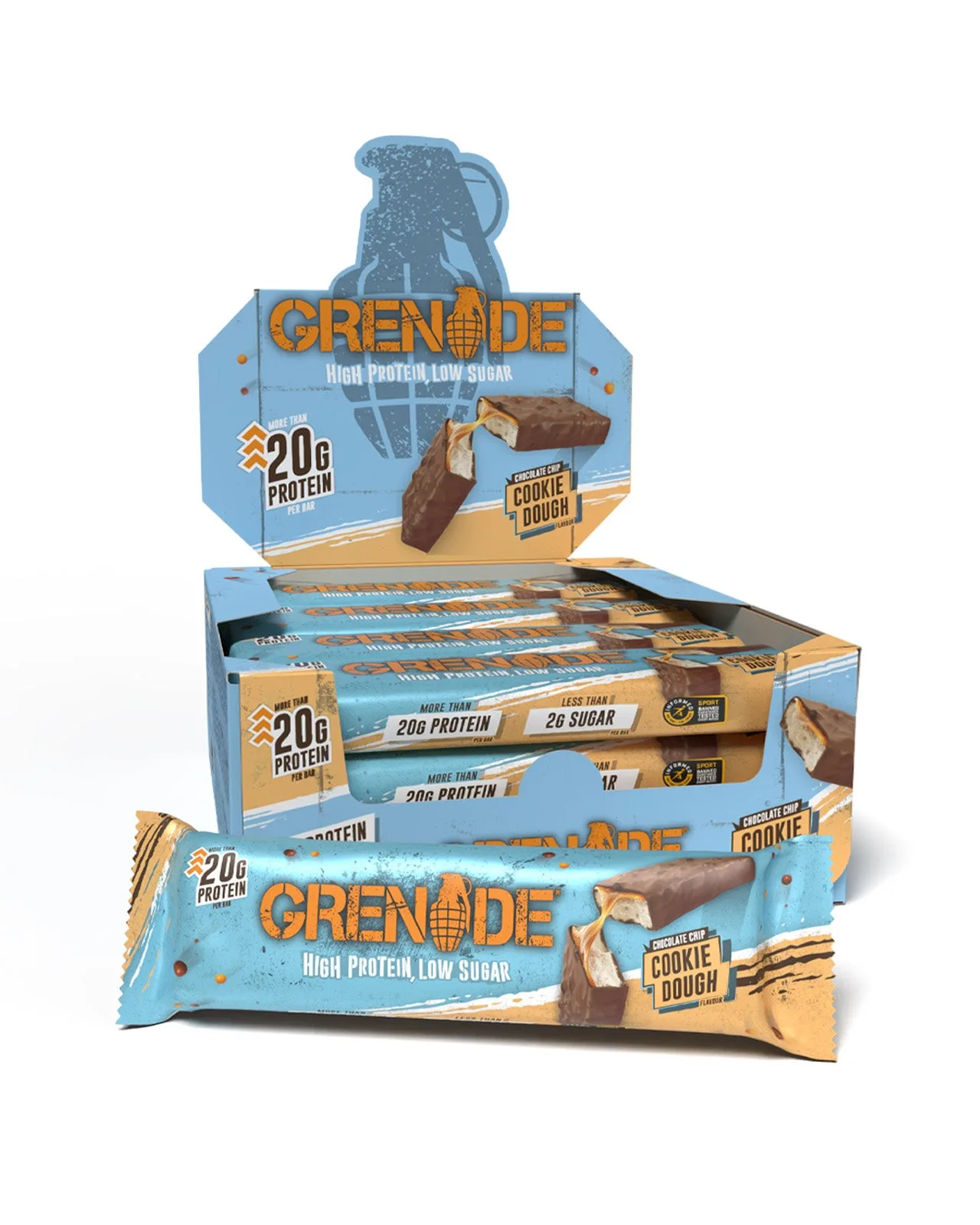
Bars are also unbeatable for on-the-go convenience. You can toss one in your bag and eat it without any mixing or refrigeration. For example, the Soft Core Golden Caramel Protein Bar delivers a soft, chewy centre that feels like a treat while still packing high-quality protein. And if you’re craving something crunchy, the Chocolate Chip Cookie Dough Protein Bar offers that classic cookie texture with a serious protein boost.
- Provides longer-lasting satiety (solid food digests slower)
- Perfect for snacking between meals or as a dessert replacement
- No prep, no mess — ideal for travel, work, or outdoor activities
Key Differences: Absorption, Satiety, and Portability
The main factor in the protein bar vs shake debate is how quickly your body can use the protein. Shakes are liquids, so they’re digested and absorbed rapidly — great for the 30-minute window after training. Bars, on the other hand, contain fibre, fats, and complex carbs that slow digestion, making them better for sustained energy and hunger control.
Portability is a close second. Both are convenient, but bars win on no-mess factor — you can eat one while walking, driving, or sitting at your desk. Shakes require a bottle or shaker, though pre-mixed bottled shakes solve that problem. If you’re comparing texture and taste, bars typically offer more variety (soft, chewy, crunchy), while shakes are smooth and refreshing.
- Shakes: fast absorption, ideal post-workout
- Bars: slow digestion, better for hunger management
- Bottled shakes offer the best of both worlds: portability + fast absorption
How to Make the Right Choice for Your Day
Think about your schedule and goals. If you’re heading straight from the gym to a meeting and won’t have time for a proper meal for hours, a bar might be better because it will keep you full. If you’re heading home to eat within an hour, a shake is perfect for immediate recovery without spoiling your appetite.
Consider your calorie and macro targets too. Shakes are typically lower in calories and carbs, making them a leaner option. Bars often contain more calories from fats and fibre, so they’re better for bulking or active days. If you’re cutting weight, a shake might be the smarter choice. If you’re maintaining or building, a bar can fit nicely into your plan.
- Post-workout with meal soon after → shake
- Post-workout with long gap until next meal → bar
- Cutting calories → shake; maintaining/bulking → bar
Can You Use Both? Absolutely
You don’t have to pick one and stick with it forever. Many fitness enthusiasts use both depending on the situation. For example, you might have a shake immediately after training, then a bar a couple of hours later as a snack. Or you might use a bar on rest days when you want something more filling and a shake on training days for quick recovery.
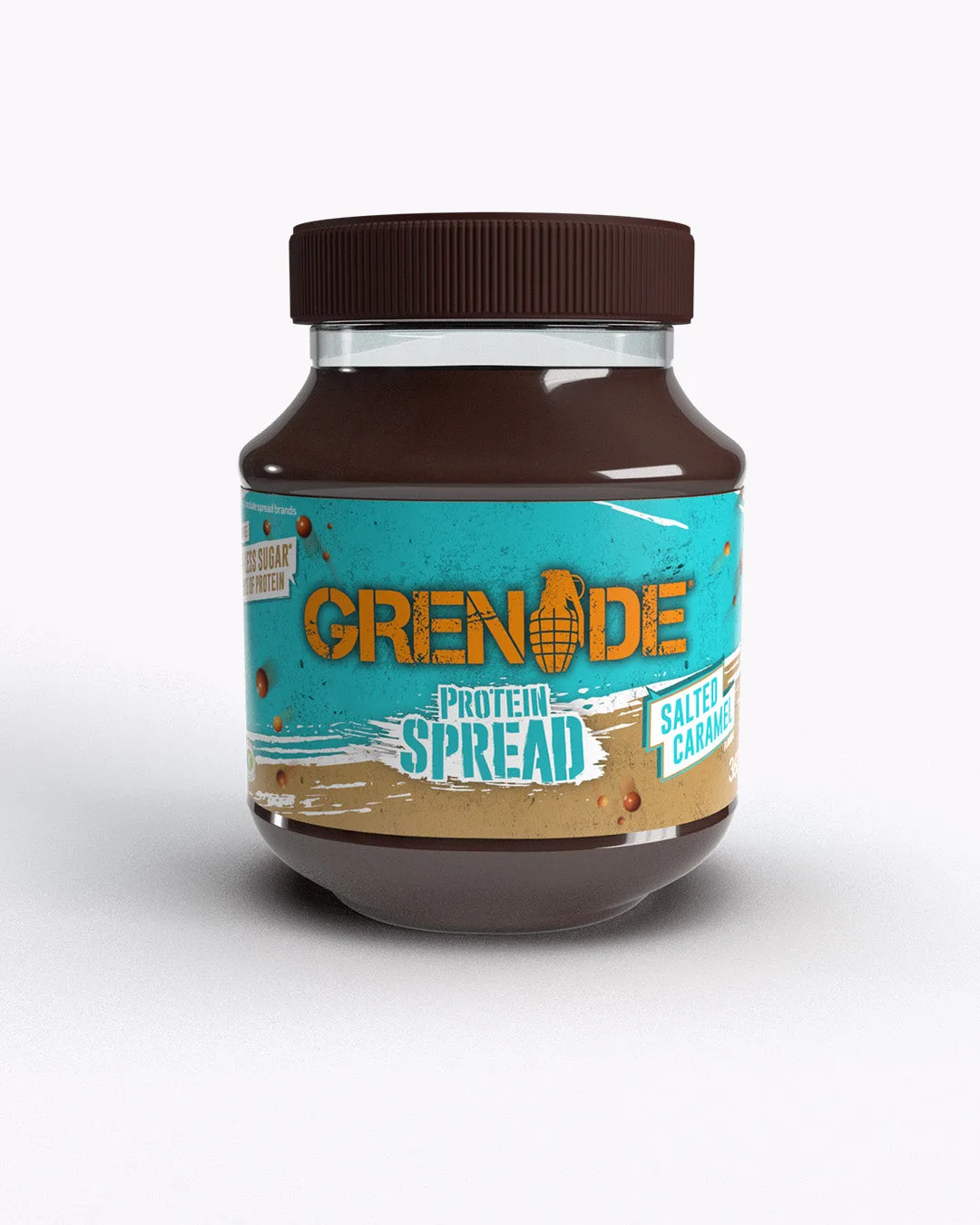
The key is to listen to your body and match your protein source to your lifestyle. Having a mix in your cupboard — like the Chocolate Salted Caramel Protein Spread for toast or oats, plus a few bars and bottled shakes — ensures you’re always ready, no matter what your day throws at you.
- Use shakes for fast recovery, bars for sustained energy
- Stock both to stay flexible
- Pair with whole foods for a balanced diet
Choosing between a protein bar and a shake doesn’t have to be complicated. Think about when you need fuel, how full you want to feel, and what fits your schedule. For a quick, no-fuss option that combines fast absorption with great taste, try the White Chocolate Protein Shake (8 Pack) 330ml — it’s the perfect grab-and-go recovery tool for any busy day.