Protein bars have come a long way from being just a post-workout snack. Today, many people turn to them as a quick, convenient meal replacement—whether they’re rushing to work, travelling, or simply looking for a controlled-calorie option. But using a protein bar as a meal replacement isn’t as simple as grabbing any bar off the shelf. You need to consider nutrition balance, satiety, and overall health goals.
In this guide, we’ll walk you through how to safely incorporate protein bars into your meal rotation. You’ll learn what to look for in a meal replacement bar, when it’s appropriate to swap a meal, and how to avoid common pitfalls. Plus, we’ll highlight a couple of Grenade’s top bars that fit the bill perfectly.
What Makes a Protein Bar Suitable for Meal Replacement?
Not all protein bars are created equal. A true meal replacement bar should provide a balanced mix of protein, carbohydrates, and healthy fats—typically around 200–400 calories per serving. It should also contain enough fibre to keep you full and satisfied until your next meal. Look for bars with at least 15–20 grams of protein, 5–10 grams of fat, and 20–30 grams of carbs, with minimal added sugars.
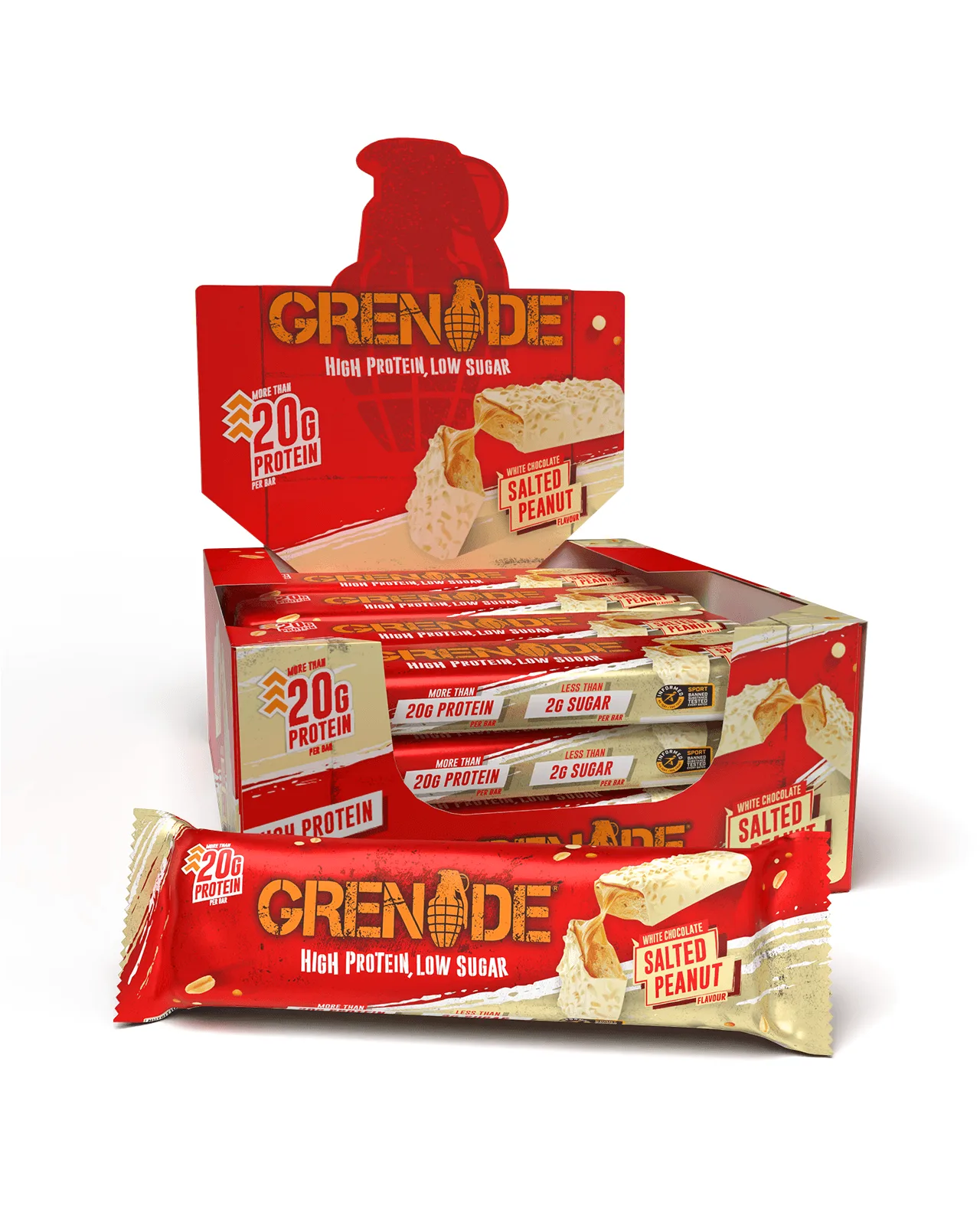
Grenade’s protein bars are designed with this balance in mind. For instance, the White Chocolate Salted Peanut Protein Bar delivers a satisfying blend of protein and healthy fats, making it a solid choice for a mid-day meal swap. Similarly, the Dark Chocolate Raspberry Protein Bar offers a rich taste while keeping sugar content in check—perfect for when you crave something sweet but still want to stay on track.
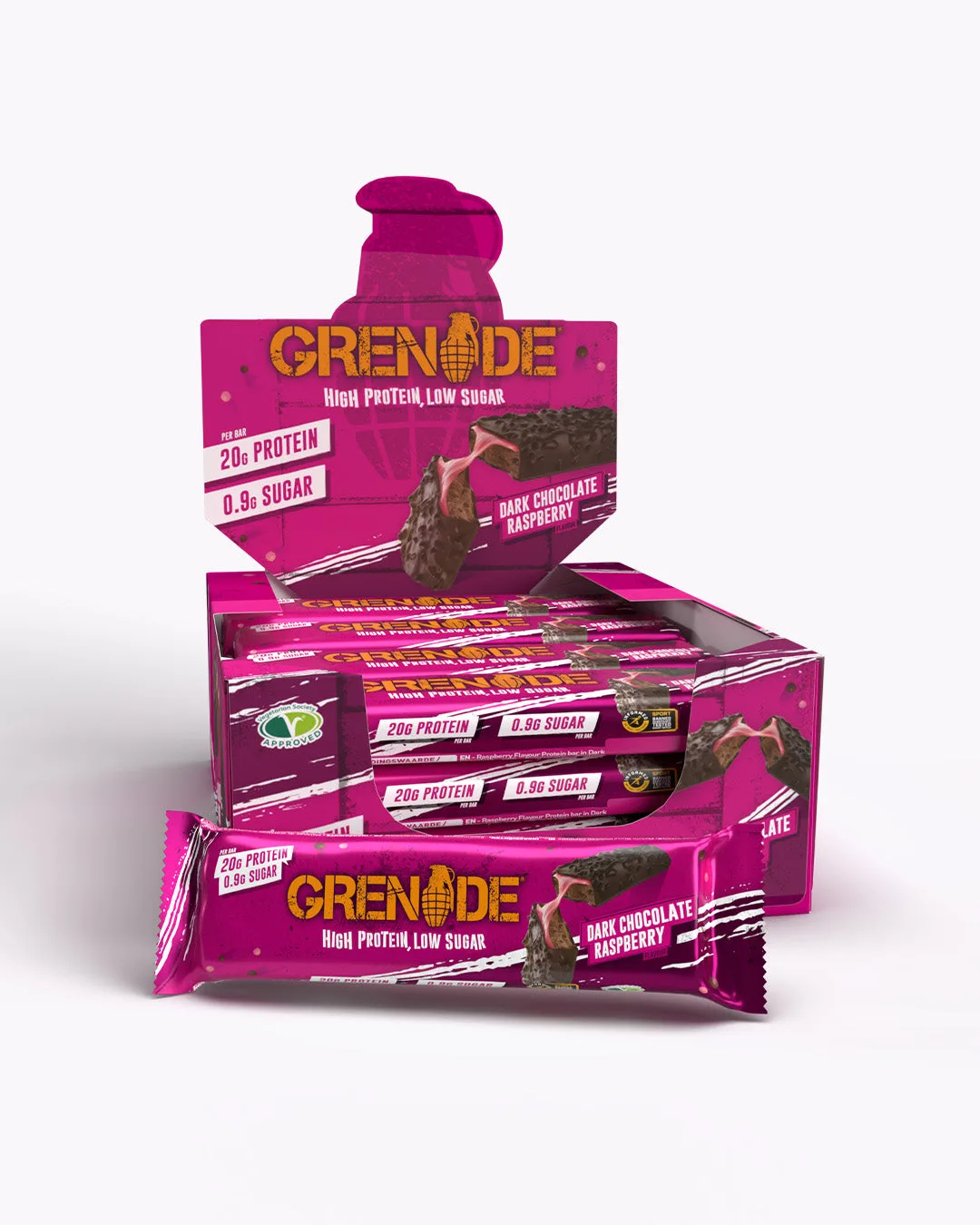
Dark Chocolate Raspberry Protein Bar
- Check the protein-to-calorie ratio: aim for at least 1g protein per 10–15 calories.
- Avoid bars with more than 10g of added sugar per serving for a healthier swap.
- Look for fibre content of 3g or more to support satiety.
When Should You Use a Protein Bar as a Meal Replacement?
Protein bars are best used as occasional meal replacements, not as a daily substitute for whole foods. Ideal scenarios include busy mornings when you skip breakfast, long workdays with no time for lunch, or post-workout when you need quick nutrition but don’t have a full meal ready. They can also be a lifesaver during travel when healthy food options are scarce.
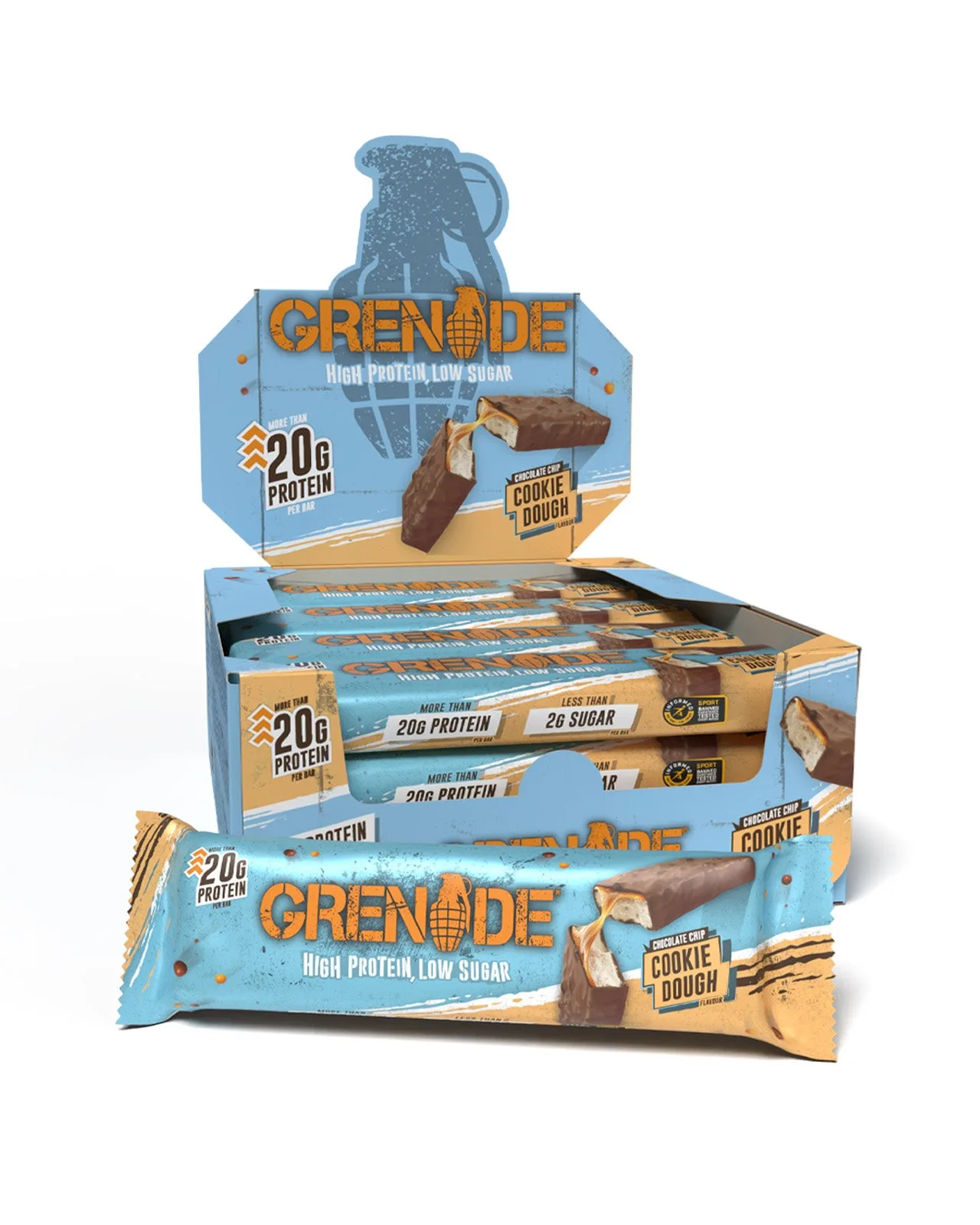
However, it’s important to listen to your body. If you feel hungry again within an hour or two, the bar may not have enough calories or fibre. In that case, pair it with a piece of fruit or a handful of nuts. Grenade’s Chocolate Chip Cookie Dough Protein Bar is a fan favourite that offers a good balance of macros, making it a reliable option for a quick lunch replacement when you’re on the go.
- Use protein bars for no more than 1–2 meals per day to maintain dietary variety.
- Always drink water with your bar to aid digestion and fullness.
- If you’re replacing dinner, consider adding a side of vegetables for extra nutrients.
Common Mistakes to Avoid with Meal Replacement Bars
One of the biggest mistakes people make is assuming all protein bars are healthy. Some bars are essentially candy bars in disguise, loaded with sugar and unhealthy fats. Always read the label carefully. Another mistake is relying solely on bars for multiple meals without considering micronutrients—you’ll miss out on vitamins, minerals, and antioxidants found in whole foods.
Portion control is also key. Just because a bar is marketed as a meal replacement doesn’t mean you should eat two or three in one sitting. Stick to one bar per meal swap, and avoid using bars as a snack if you’re already eating them as a meal. Finally, don’t forget to vary your protein sources—rotate between whey, plant-based, and whole food proteins to keep your diet interesting and balanced.
- Always check the sugar content—some bars have more sugar than a chocolate bar.
- Don’t skip whole fruits and vegetables—bars can’t replace their nutrient density.
- Rotate flavours to avoid taste fatigue and ensure you stick with your plan.
How to Pair Protein Bars with Other Foods for a Complete Meal
For a more balanced meal replacement, consider adding a few simple sides to your protein bar. A piece of fruit (like an apple or banana) adds fibre and vitamins, while a small handful of almonds or a tablespoon of nut butter provides extra healthy fats and satiety. This combination turns a bar into a more complete meal without much effort.
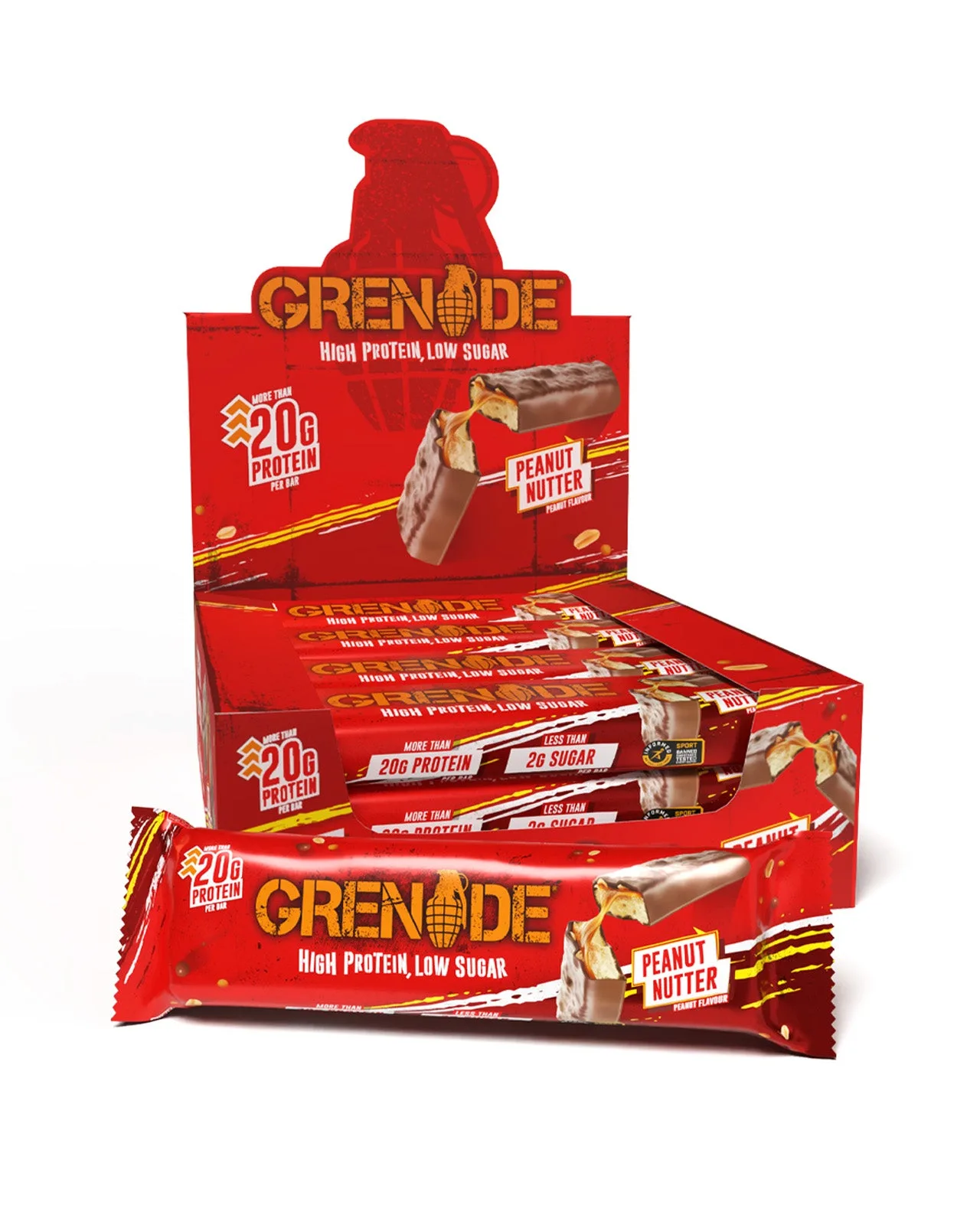
If you’re using a bar post-workout, pair it with a source of complex carbs like a small sweet potato or a serving of oats to replenish glycogen stores. Grenade’s Peanut Nutter Protein Bar works wonderfully with a side of Greek yogurt for a protein-packed, satisfying meal that supports muscle recovery and keeps you full longer.
- Add a piece of fruit for extra fibre and natural sweetness.
- Include a source of healthy fat (e.g., avocado, nuts) to boost satiety.
- Drink plenty of water—bars are dense and can be dehydrating without enough liquid.
Using a protein bar as a meal replacement can be a safe and effective strategy when done thoughtfully. By choosing bars with balanced macros, avoiding common pitfalls, and pairing them with whole foods, you can enjoy the convenience without sacrificing nutrition. Ready to make a smart swap? Explore Grenade’s range of protein bars—like the White Chocolate Salted Peanut Protein Bar—to find your perfect meal replacement companion.