The snack aisle has never been more protein-packed. Whether you’re rushing from the gym to the office, packing lunch for a kid, or just trying to hit your daily macro targets, the decision between a protein bar and a high-protein chip can feel surprisingly tricky. Both deliver a solid dose of protein, but they serve very different roles depending on your goals, timing, and taste preferences. In this protein snack comparison, we’ll break down the strengths of each category — from the chewy, dessert-like satisfaction of a protein bar to the savory crunch of protein chips — so you can pick the right fuel for every moment.
Why the Choice Matters: Protein Bars vs. Chips at a Glance
Before diving into specifics, it helps to understand the core differences. Protein bars are typically designed as a more complete meal or substantial snack, often containing fiber, healthy fats, and a chewy or crunchy texture. They’re ideal for sustained energy or post-workout recovery. Protein chips, on the other hand, are engineered to mimic the crispy, salty satisfaction of traditional potato chips while packing a much higher protein-to-calorie ratio. They’re perfect for when you crave crunch without derailing your macros.
Macro Breakdown: What’s Inside Each Snack?
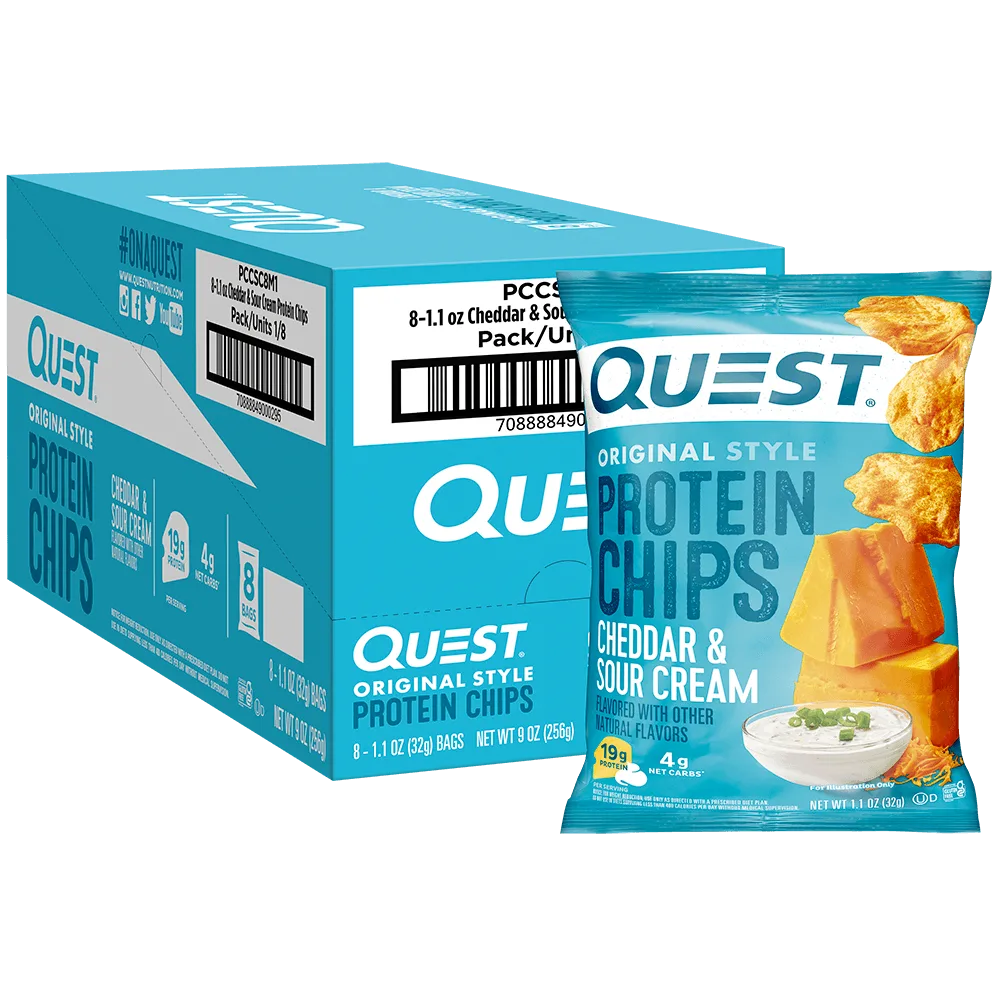
Let’s look at the numbers. A typical Strawberry Shortcake Protein Bar delivers around 20 grams of protein, 6–8 grams of fiber, and just 4–5 grams of sugar — all in a portable, no-mess package. It’s a balanced option that can double as a meal replacement in a pinch. Compare that to a bag of Sour Cream & Onion Original Style Protein Chips, which offers 19 grams of protein per bag, 1 gram of sugar, and a satisfying crunch that feels like a guilty pleasure without the guilt.
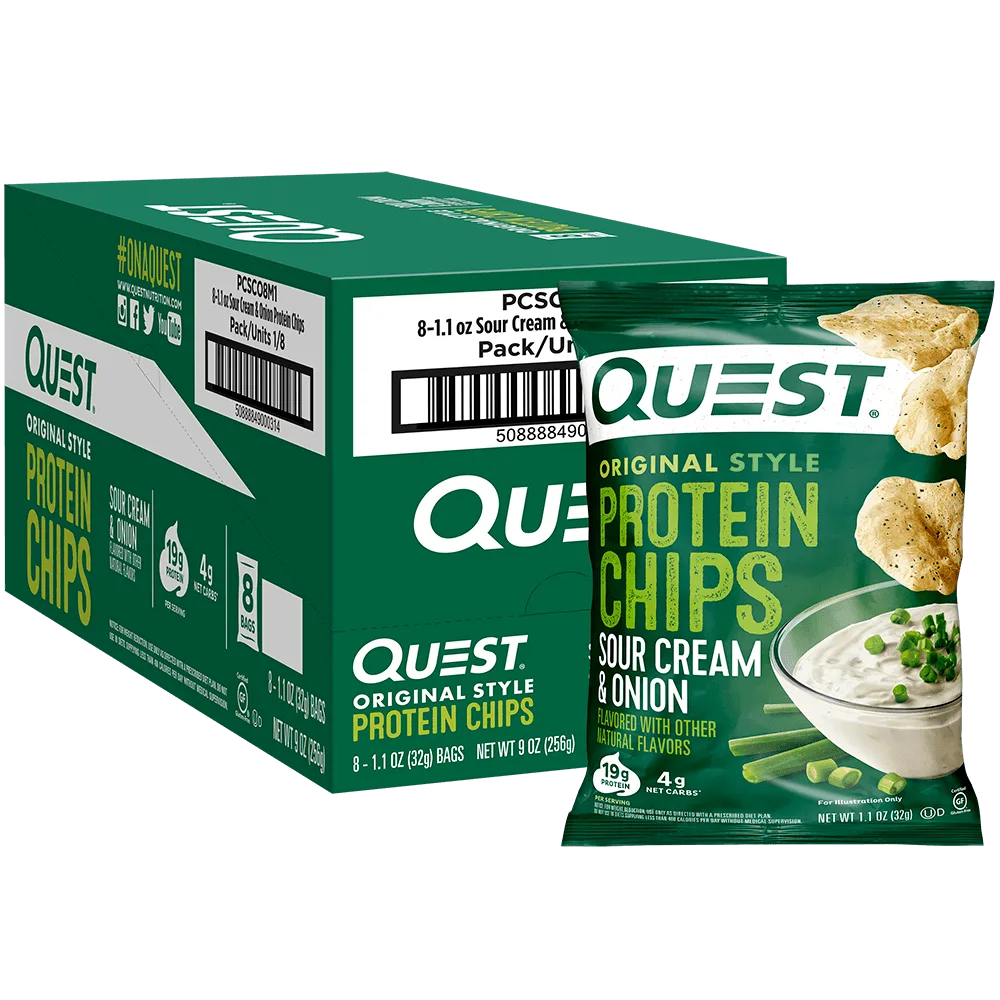
Sour Cream & Onion Original Style Protein Chips
Snack
Protein (g)
Fiber (g)
Sugar (g)
Calories
Strawberry Shortcake Protein Bar
20
7
4
~200
Sour Cream & Onion Protein Chips
19
1
1
~140
As you can see, both are excellent sources of protein, but the bar offers more fiber and a dessert-like experience, while the chips provide a lower-calorie, savory alternative. Your choice depends on what you’re craving and when you’re eating.
Best for Post-Workout Recovery: Protein Bars Take the Lead
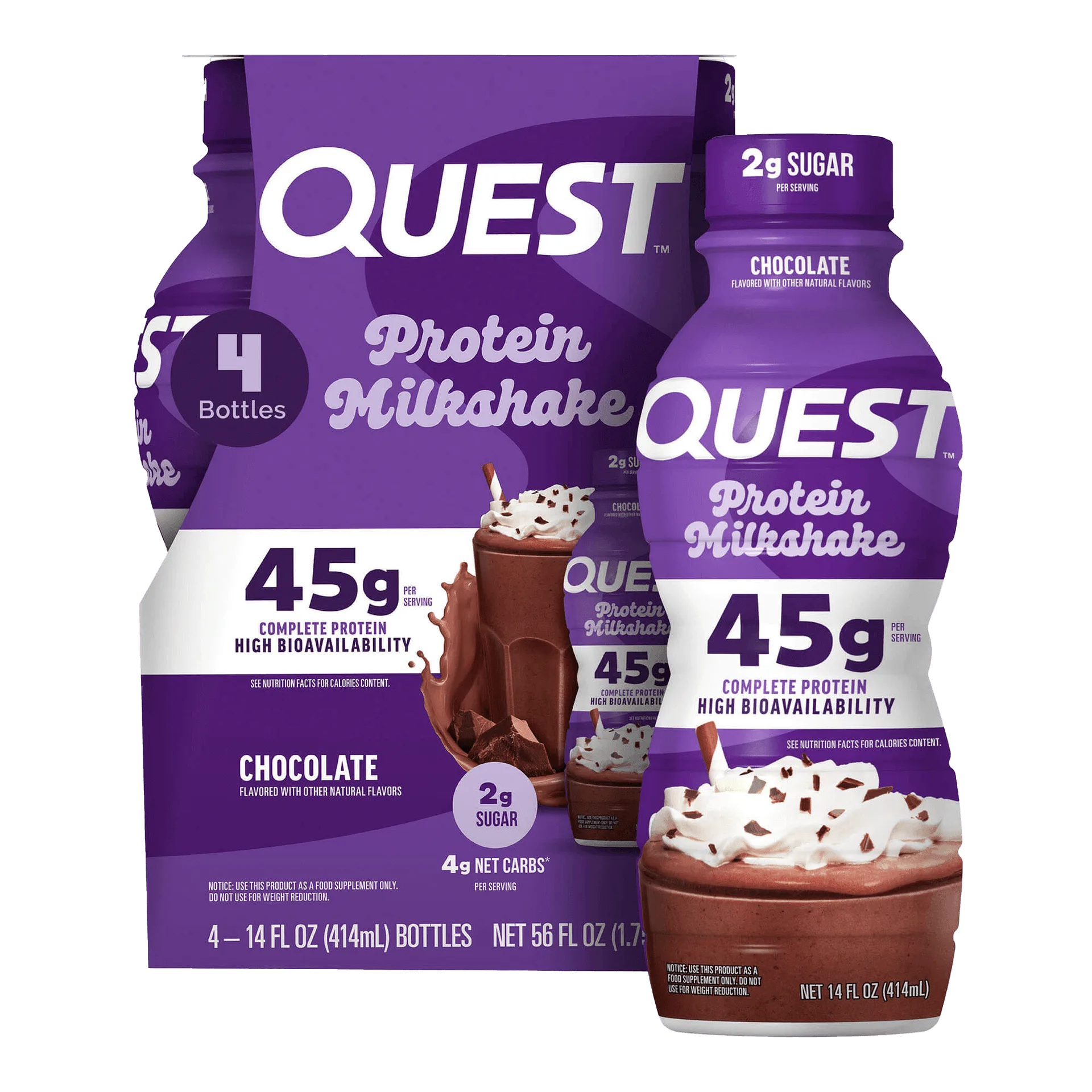
After a tough training session, your muscles are crying out for fast-digesting protein and carbohydrates to replenish glycogen stores. Protein bars shine here because they often contain a blend of whey and casein, plus complex carbs and fiber, creating a sustained release of amino acids. The Chocolate Peanut Butter Crispy Hero Protein Bars are a standout choice — they deliver 20 grams of protein with a light, crispy texture that feels indulgent but still hits the recovery sweet spot. If you prefer a shake, the Vanilla 45g Protein Milkshake gives you a massive 45 grams of protein in a ready-to-drink bottle, but bars offer the chew factor that many athletes crave.
When to Choose Protein Bars Over Chips for Recovery
- You need fiber: Bars provide more fiber, which helps with fullness and digestion.
- You want a dessert-like treat: Bars come in flavors like blueberry cobbler or chocolate peanut butter, satisfying sweet cravings.
- You’re on the run: A bar is easy to eat in the car or between sets without mess.
Best for Low-Calorie Crunch Cravings: Protein Chips Dominate
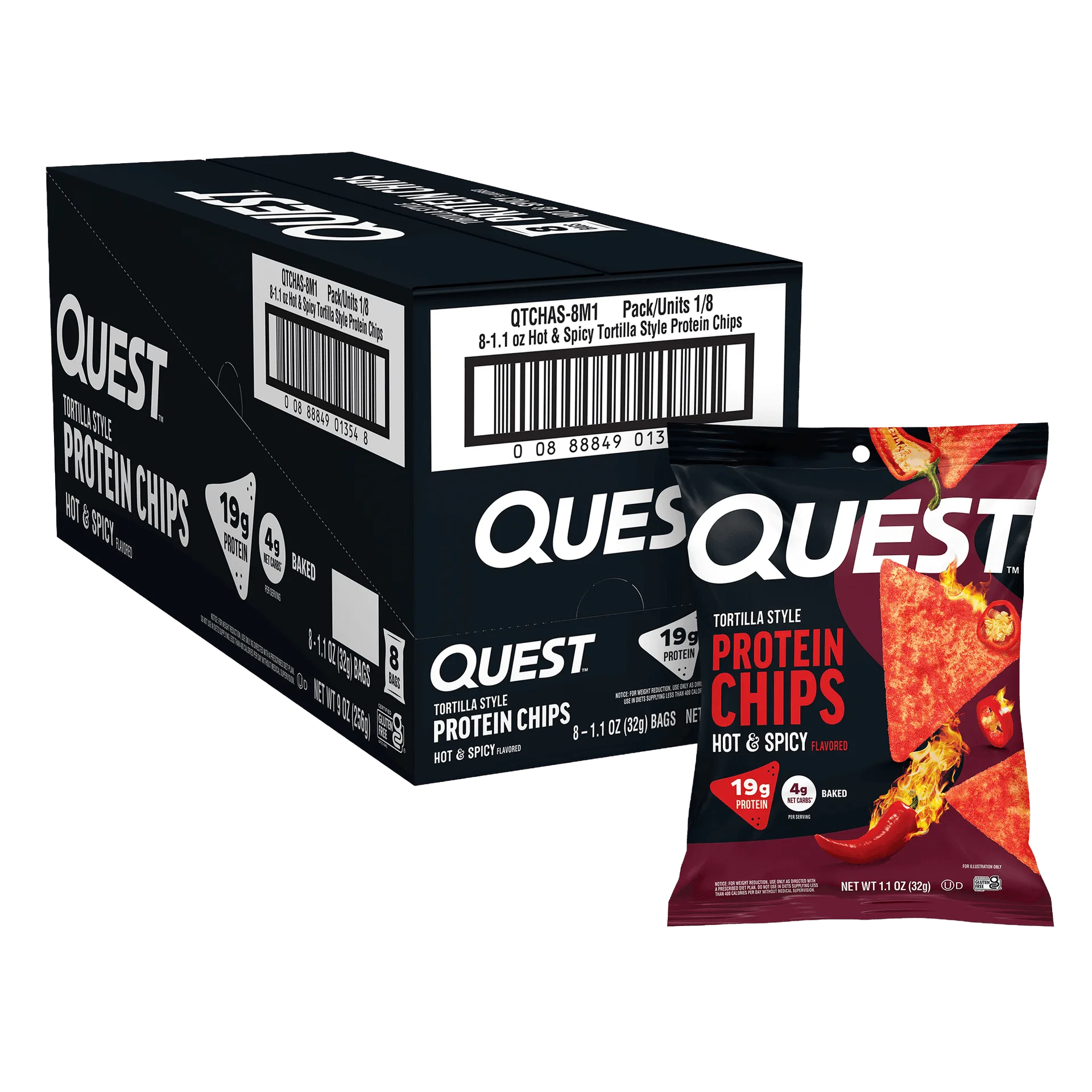
Let’s be honest — sometimes you just want chips. The problem is that traditional potato chips are essentially empty calories: high in fat, low in protein, and easy to overeat. Enter high-protein chips. These crispy snacks are baked or air-fried to keep calories low while packing 18–20 grams of protein per bag. They’re perfect for a mid-afternoon snack when you need something salty but don’t want to blow your progress. The Variety Pack Tortilla Style Protein Chips lets you rotate through flavors like nacho cheese, chili lime, and sea salt, so you never get bored. Plus, they travel exceptionally well — no crumbling or melting.
When Protein Chips Are the Better Choice
- You’re craving savory: Chips satisfy that salty, crunchy urge without sugar.
- You’re counting calories: At around 140 calories per bag, chips are a lighter option than most bars.
- You want portion control: Each bag is a single serving — no guessing.
Goal-by-Goal Guide: Which Snack Matches Your Objective?
Still torn? Let’s map your specific goal to the ideal snack.
Weight Loss
If you’re in a calorie deficit, go with protein chips. They offer the highest protein-to-calorie ratio, keeping you satisfied with fewer total calories. Pair a bag of chips with a handful of veggies for a high-volume, low-calorie lunch.
Muscle Building
For muscle gain, protein bars are your ally. They provide more energy (carbs + fat) to fuel performance and recovery. A bar like the Blueberry Cobbler Crispy Hero Protein Bars delivers a balanced profile that supports lean mass gains.
Everyday Snacking
Mix it up! Keep a stash of both. Use chips for mid-day cravings and bars for pre- or post-workout fuel. The Overload Variety Pack is a great way to sample multiple flavors without committing to a single product.
Flavor and Texture: Let Your Taste Buds Decide
Of course, enjoyment matters. If you hate the snack, you won’t stick with it. Protein bars range from chewy to crispy — the Crispy Hero line offers a light, airy crunch that feels like a rice crispy treat. Protein chips mimic classic chip textures with a slightly thicker crunch. Try both categories and see which you reach for more often. Many people find that having variety prevents burnout and helps them stay on track long-term.
Conclusion: There’s No Wrong Answer — Only the Right Snack for Right Now
In the battle of protein bars vs. protein chips, the winner depends on your moment. Need quick recovery after a workout? Grab a protein bar. Craving something salty without the guilt? Reach for protein chips. The best approach is to keep both in your pantry so you’re always ready for whatever the day throws at you. To get started, explore the Overload Variety Pack and discover your new favorite high-protein snack today.