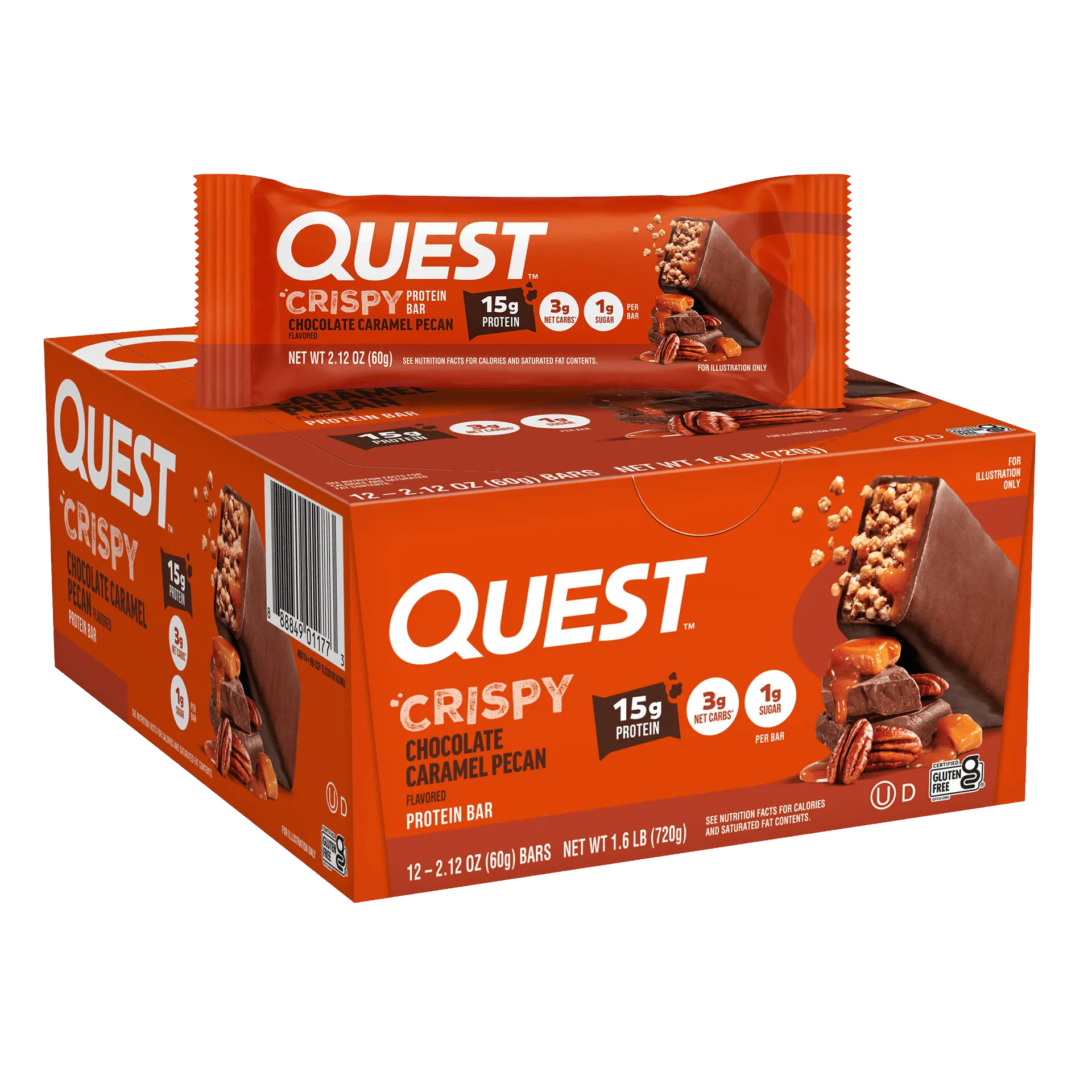
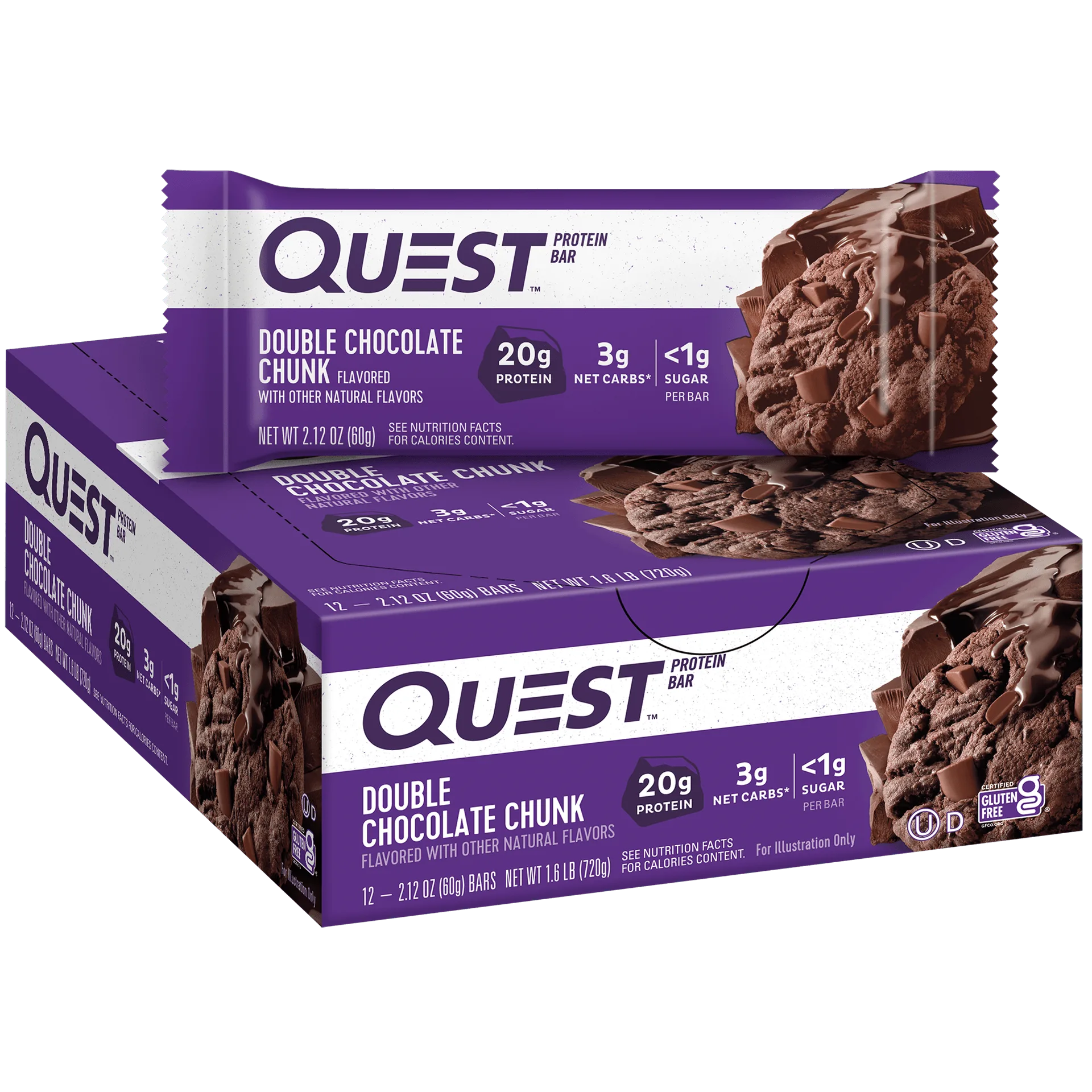
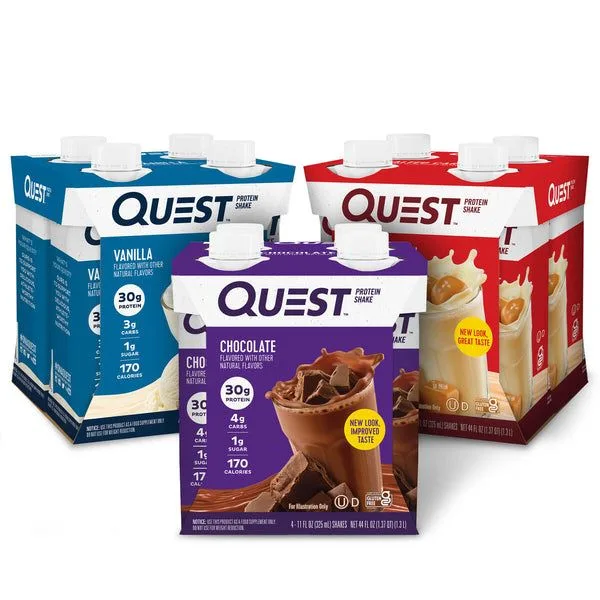
When you’re trying to lose weight, every calorie counts—and every snack decision matters. Protein bars and protein shakes are two of the most popular high-protein options for dieters, but they serve different roles in a weight loss plan. Which one actually helps you shed pounds faster?
In this article, we’ll break down the key differences between protein bars and shakes for weight loss: calorie density, satiety, convenience, and how each fits into a calorie-controlled diet. We’ll also highlight specific products from Quest Nutrition that can support your goals, including Peanut Butter & Jelly Crispy Hero Protein Bars and https://questnutritionshop.com/products/vanilla-milkshake-protein-powder-38377https://questnutritionshop.com/products/vanilla-milkshake-protein-powder-38378https://questnutritionshop.com/products/vanilla-milkshake-protein-powder-38439Vanilla Milkshake Protein Powder.
Calorie Density and Portion Control
One of the biggest factors in weight loss is managing calorie intake. Protein bars typically contain 180–220 calories per bar, while a standard protein shake (when mixed with water or unsweetened almond milk) usually falls between 100–150 calories. That difference can add up quickly if you’re eating multiple snacks per day.
For strict calorie control, a shake may give you more protein per calorie—allowing you to stay fuller without exceeding your daily limit. However, bars offer a more solid, satisfying bite that can curb cravings for crunchy or chewy foods. The key is to choose bars that are low in added sugars and high in fiber, like many Quest options.
- Tip: If you need a snack under 150 calories, a shake is often the better choice. For a more filling meal replacement, a bar’s extra calories can be worth it.
Satiety and Fullness: Which Keeps You Fuller Longer?
Satiety is crucial for weight loss because it helps you avoid mindless snacking between meals. Protein bars, especially those with fiber and healthy fats, tend to provide longer-lasting fullness because they require chewing and take longer to digest. Quest’s Birthday Cake Crispy Hero Bars, for example, offer 20g of protein and 12g of fiber, making them a powerful hunger-fighting tool.
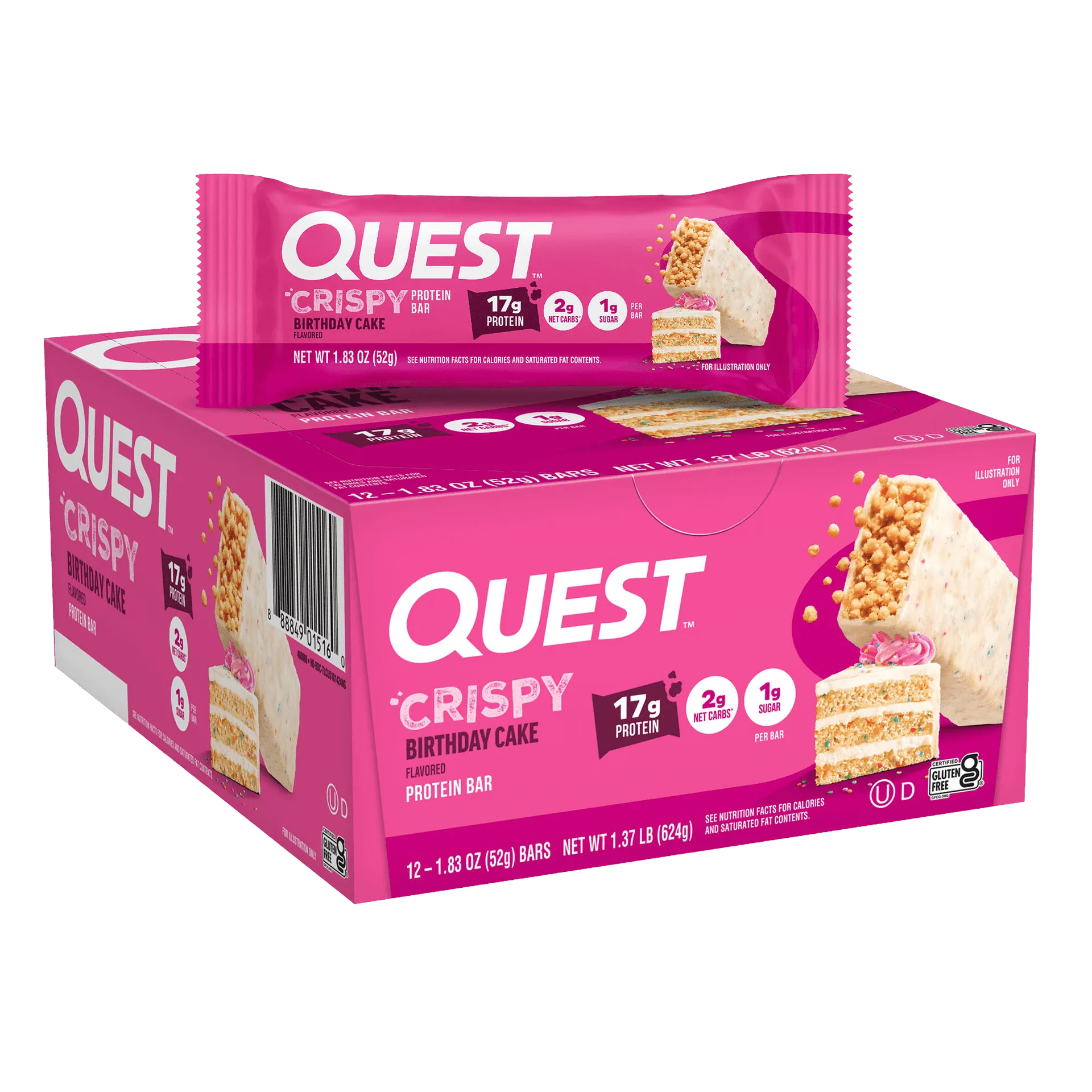
Birthday Cake Crispy Hero Bars
Protein shakes, on the other hand, are digested more quickly—especially if you drink them fast. However, you can slow down absorption by blending them with ice, spinach, or a tablespoon of nut butter. For many people, a shake works best as a post-workout recovery drink or a quick breakfast on the go.
- Tip: Pair a shake with a small handful of nuts or a piece of fruit to increase satiety without adding many calories.
Convenience and Portability
When you’re busy, convenience can make or break your diet. Protein bars are incredibly portable—you can toss one in your bag and eat it without any preparation. That makes them ideal for travel, long workdays, or post-gym snacks. Quest’s Fruity Cereal Crispy Hero Protein Bars are a great example of a bar that’s both easy to carry and delicious.
Protein shakes require a shaker bottle, blender, or pre-mixed carton. While ready-to-drink options like Coffee Protein Shake eliminate the need for mixing, they still take up more space in your bag. However, shakes are often easier to sip slowly throughout the morning, which can help you stay hydrated and full.
- Tip: Keep a bar in your car or desk drawer for emergencies, and stash a few pre-mixed shakes in the fridge for busy mornings.
Nutritional Profile: What to Look For
Not all protein bars and shakes are created equal. For weight loss, you want products with at least 15g of protein, fewer than 5g of sugar, and a good amount of fiber (3g or more). Quest’s Vanilla Milkshake Protein Powder delivers 24g of protein per scoop with only 1g of sugar, making it a clean choice for shakes.
Bars can sometimes hide more sugar and fat than you’d expect. Always check the label—look for bars sweetened with stevia or monk fruit rather than sugar alcohols or syrups. Quest bars are known for using low-glycemic sweeteners and high-quality protein isolates, so they fit well into a weight loss plan.
- Tip: Compare protein-to-calorie ratio: aim for at least 0.15g of protein per calorie. A 200-calorie bar should have 30g of protein; a 120-calorie shake should have 18g.
When to Choose a Bar vs. a Shake
The best choice depends on your schedule and hunger levels. Use a protein bar when you need a solid, satisfying snack that can replace a small meal—especially if you’re away from home. The Birthday Cake Crispy Hero Bars are perfect for that mid-afternoon slump when you’re craving something sweet but want to stay on track.
Reach for a protein shake when you want a quick, low-calorie option that you can drink before or after a workout. The Vanilla Milkshake Protein Powder mixes easily and can be turned into a smoothie with berries and spinach for extra nutrients. Shakes are also great for liquid meal replacements if you’re not hungry enough for solid food.
- Tip: Alternate between bars and shakes throughout the week to keep your diet interesting and avoid taste fatigue.
Ultimately, both protein bars and shakes can support weight loss when used correctly. Bars offer convenience and lasting fullness, while shakes provide a lighter, more calorie-efficient option. For a balanced approach, keep a mix of both in your pantry. Start your weight loss journey with a satisfying choice like the Peanut Butter & Jelly Crispy Hero Protein Bars, which combine great taste with the nutrition you need to stay on track.