When a sugar craving strikes, the classic dilemma is whether to reach for a candy bar or a protein bar. Traditional candy offers instant satisfaction but often comes with a sugar crash and little nutritional value. On the other hand, protein bars promise satiety and muscle support, but some can taste chalky or overly artificial. Enter a new category: protein candy — treats that mimic the indulgence of candy while delivering a solid protein punch. In this article, we’ll compare protein candy and protein bars side by side, looking at taste, texture, nutrition, and how each fits into different diet plans. Whether you’re a fitness enthusiast, a busy parent, or someone simply trying to make healthier choices, understanding the differences can help you pick the right sweet treat for your goals.
Quest Nutrition has been at the forefront of this innovation, offering a range of products that blur the line between candy and clean eating. From their iconic protein bars to newer confection-style items, the brand proves you don’t have to sacrifice flavor for nutrition. We’ll explore how their offerings stack up against traditional protein bars and candy, and help you decide which option deserves a spot in your pantry.
What Is Protein Candy?
Protein candy is a relatively new category of snack that combines the taste and texture of classic confections — think chocolate, caramel, nougat, and crispy wafers — with a significant protein content, typically 15–20 grams per serving. Unlike standard protein bars, which often have a dense, chewy texture, protein candy aims for a lighter, more indulgent mouthfeel that mimics popular candy bars. Brands like Quest have pioneered this space with items like their https://questnutritionshop.com/products/frosted-cookies-birthday-cake-twin-pack-38331Frosted Cookies Birthday Cake Twin Pack, which delivers a soft, frosted cookie experience with 16 grams of protein and only 1 gram of sugar. The key difference is that protein candy is designed to feel like a treat first, with nutrition as a bonus, making it an excellent tool for satisfying cravings without derailing your diet.
Another hallmark of protein candy is its use of high-quality sweeteners and fibers to keep sugar low while maintaining sweetness. For example, many Quest products rely on erythritol, stevia, and soluble corn fiber to achieve a clean taste without the blood sugar spike. This makes protein candy particularly appealing for those on low-carb, keto, or diabetic-friendly eating plans. However, because protein candy is often more processed than whole-food snacks, it’s best enjoyed as part of a balanced diet rather than a meal replacement.
- Look for protein candy with at least 15g protein and under 5g sugar for a guilt-free indulgence.
Protein Bars: The Classic Choice for Sustained Energy
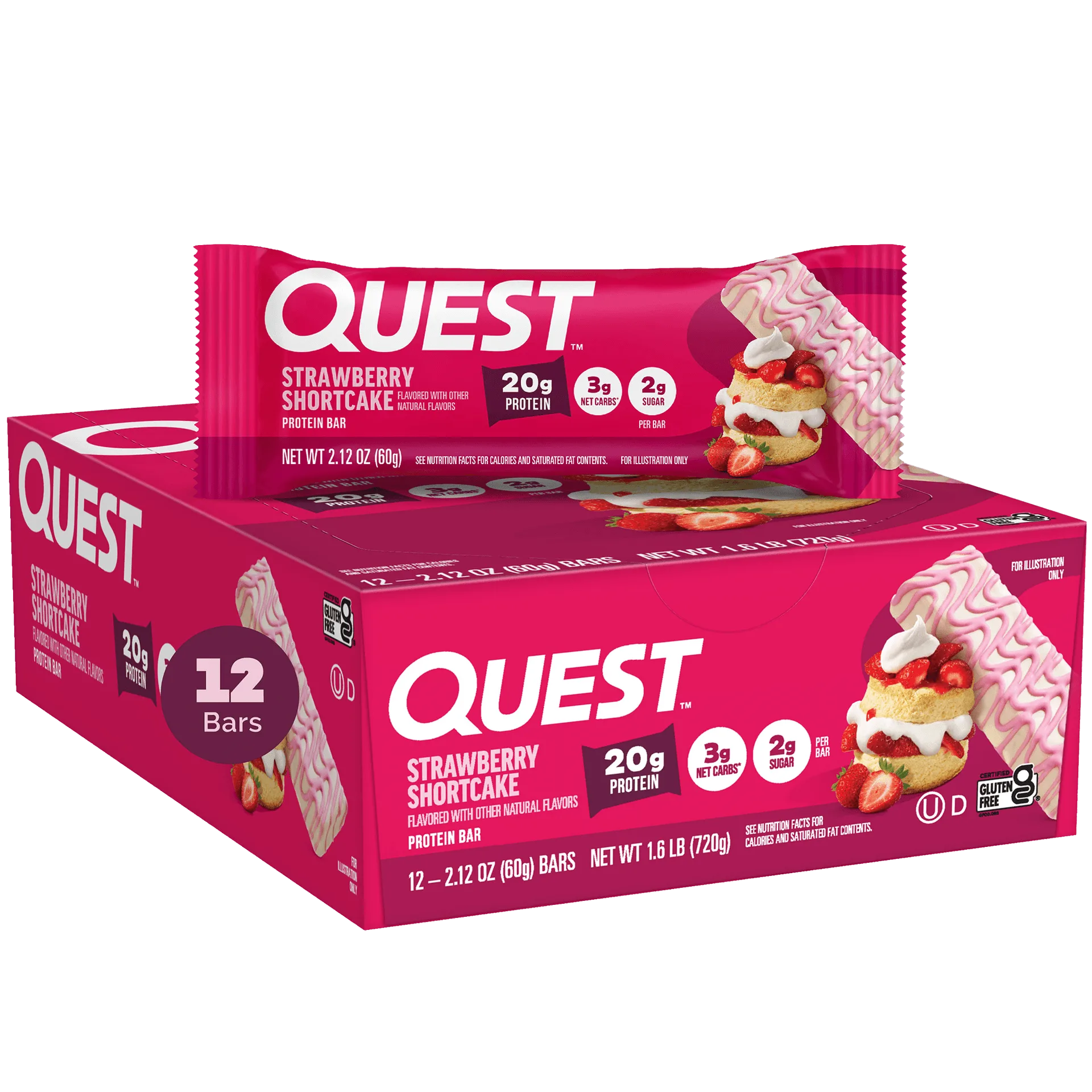
Protein bars have been a staple in the fitness world for decades, prized for their convenience and ability to support muscle recovery. Traditional protein bars are typically denser and chewier than candy, with a texture that can range from fudgy to crunchy depending on the ingredients. They are formulated to provide a balanced macronutrient profile — often 15–25 grams of protein, moderate carbs, and healthy fats — making them a reliable option for pre- or post-workout fuel or a quick meal on the go. Quest’s https://questnutritionshop.com/products/lemon-cake-protein-bars-38284Lemon Cake Protein Bars, for instance, offer 20 grams of protein with a light, cake-like texture that satisfies both sweet and savory cravings.
One advantage of protein bars over protein candy is their versatility. They can be used as a base for recipes, broken into pieces for yogurt toppings, or even microwaved for a warm dessert. They also tend to have a longer shelf life and are less likely to melt or lose texture in a bag or gym locker. However, some users find the dense chew of traditional bars less satisfying than the lighter, airier feel of candy-style snacks. For those who prioritize texture as much as nutrition, the choice often comes down to personal preference.
- Protein bars shine when you need sustained energy — try one before a workout or as a mid-afternoon pick-me-up.
Nutritional Face-Off: Protein Candy vs. Protein Bars
When comparing protein candy and protein bars, the nutritional profiles are surprisingly similar, but subtle differences can influence your choice. Both categories typically offer 15–20 grams of protein per serving, but protein candy often has fewer calories (around 160–190 vs. 190–220 for bars) because it uses less dense ingredients. Sugar content is also comparable — most Quest products keep sugar under 2 grams per serving. However, protein bars may contain more fiber (10–15g vs. 5–8g in candy) due to added chicory root or oat fiber, which supports digestive health and satiety.
Another key difference is the fat profile. Protein candy often uses cocoa butter or palm oil to achieve a creamy texture, while protein bars lean on nut butters or seed oils for a heartier mouthfeel. For those watching saturated fat, bars may be a slightly better option. On the other hand, protein candy tends to have a lower glycemic impact because it relies on sugar alcohols, making it a smart choice for anyone managing blood sugar. Ultimately, both can fit into a healthy diet, but your specific goals — whether it’s muscle gain, weight loss, or simply enjoying a treat — will dictate which one wins.
- Check the fiber content: protein bars often have more fiber, which can help you feel fuller longer.
Taste and Texture: Which One Satisfies Your Sweet Tooth?
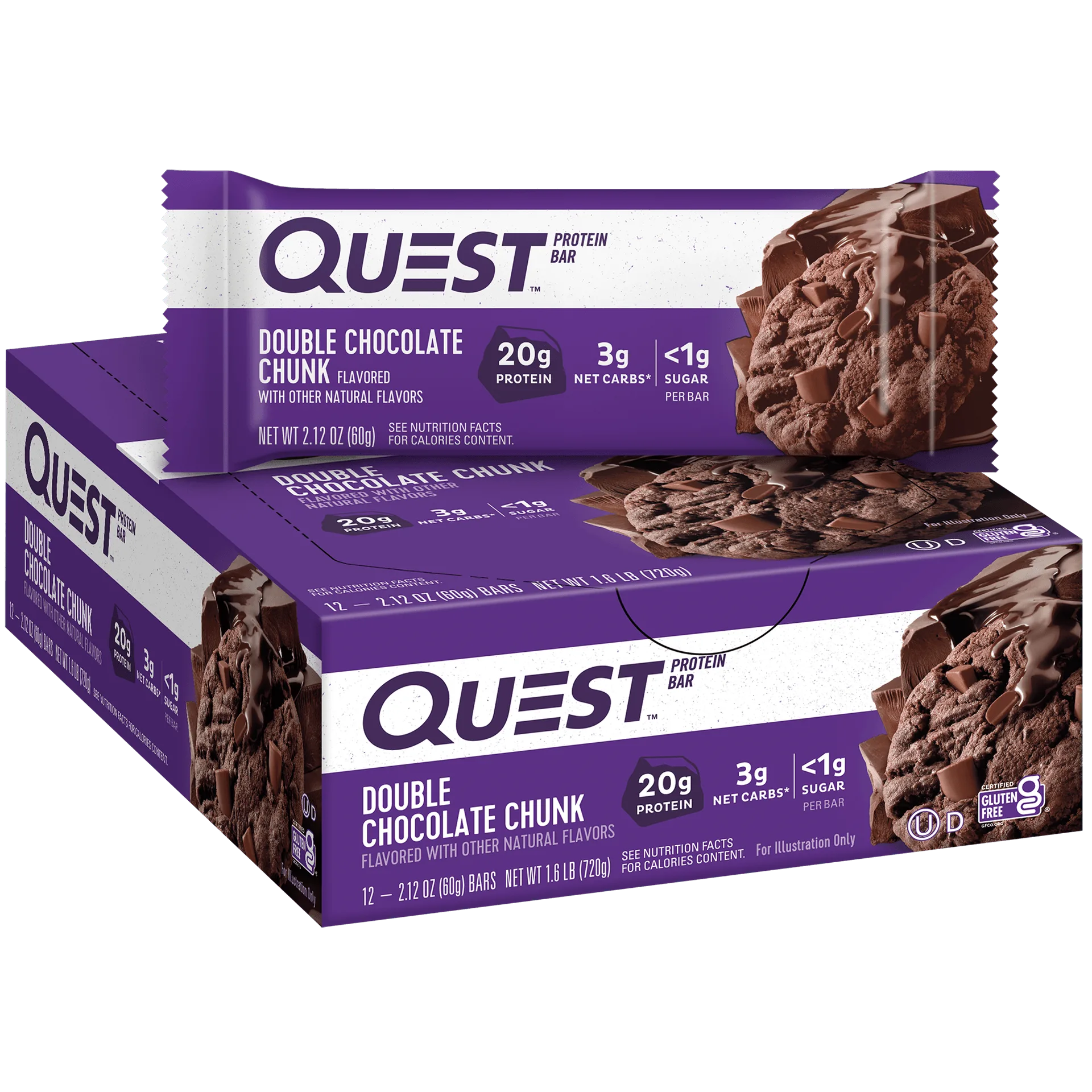
Taste is subjective, but there are clear trends in how protein candy and protein bars are perceived. Protein candy aims to replicate the experience of unwrapping a candy bar — think snap, creaminess, and a melt-in-your-mouth quality. Quest’s Mint Chocolate Chunk Protein Bars, for example, deliver a crispy, crunchy texture with real chocolate chunks that feel indulgent, not dietetic. In contrast, many traditional protein bars have a uniform, chewy consistency that some describe as “healthy” or “dense.” The rise of protein candy has pushed the entire category forward, with brands now offering more varied textures like crispy wafers, soft cookies, and layered bars.
For those who crave variety, protein candy often wins on novelty. Limited-edition flavors and seasonal releases keep things exciting, while protein bars tend to stick to classic combos like chocolate peanut butter or vanilla almond. However, protein bars have the edge when it comes to portability — they’re less likely to crumble or melt than a delicate candy-style treat. If you’re looking for a snack to stash in your car or bag, a firm protein bar might be more practical. But if you’re at home and want to truly savor a dessert-like moment, protein candy is hard to beat.
- For a candy-like experience, try Quest’s Frosted Cookies Birthday Cake Twin Pack — it’s soft, frosted, and tastes like a bakery treat.
How to Choose Based on Your Diet Goals
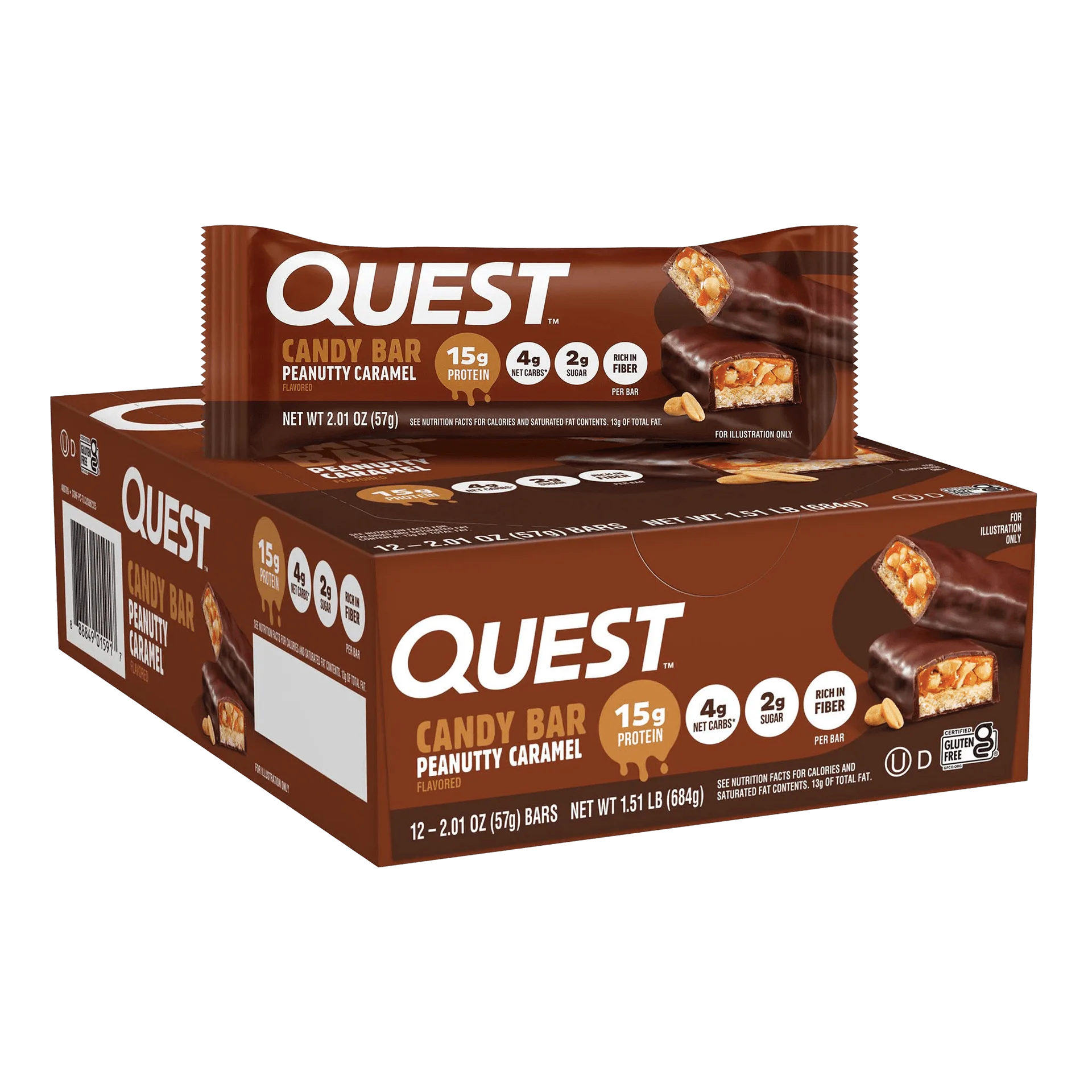
Your choice between protein candy and protein bars should align with your specific dietary needs. If you’re following a ketogenic or low-carb diet, both options can work, but protein candy often has slightly fewer net carbs due to its reliance on sugar alcohols and fiber. For example, a typical Quest protein bar has around 4–5g net carbs, while their candy-style items can dip to 2–3g net carbs per serving. This makes protein candy a fantastic choice for satisfying a sweet craving without kicking you out of ketosis.
For muscle building and recovery, protein bars may be the better bet because they often contain more casein or milk protein isolate, which digests slowly and provides a steady amino acid release. However, protein candy can still serve as a pre-workout energy boost thanks to its quick-digesting whey protein. If weight loss is your goal, both can help curb cravings, but pay attention to portion sizes — it’s easy to eat two or three candy-style snacks in one sitting, whereas a single protein bar is more filling. Ultimately, the best approach is to keep a mix of both on hand: protein bars for meals and recovery, and protein candy for when you need a guilt-free dessert.
- On keto? Opt for protein candy with under 3g net carbs per serving to stay on track.
The Verdict: Which Sweet Treat Wins?
There’s no one-size-fits-all answer — both protein candy and protein bars have their place in a balanced diet. Protein candy excels at delivering a decadent, candy-like experience with impressive macros, making it ideal for those who struggle with cravings or want a dessert that doesn’t derail their progress. Protein bars, meanwhile, offer more versatility, higher fiber, and a satiety factor that makes them better suited for meal replacement or post-workout nutrition. The good news is that you don’t have to choose just one. Brands like Quest offer a wide range of products that cover both categories, so you can mix and match depending on your mood and needs.
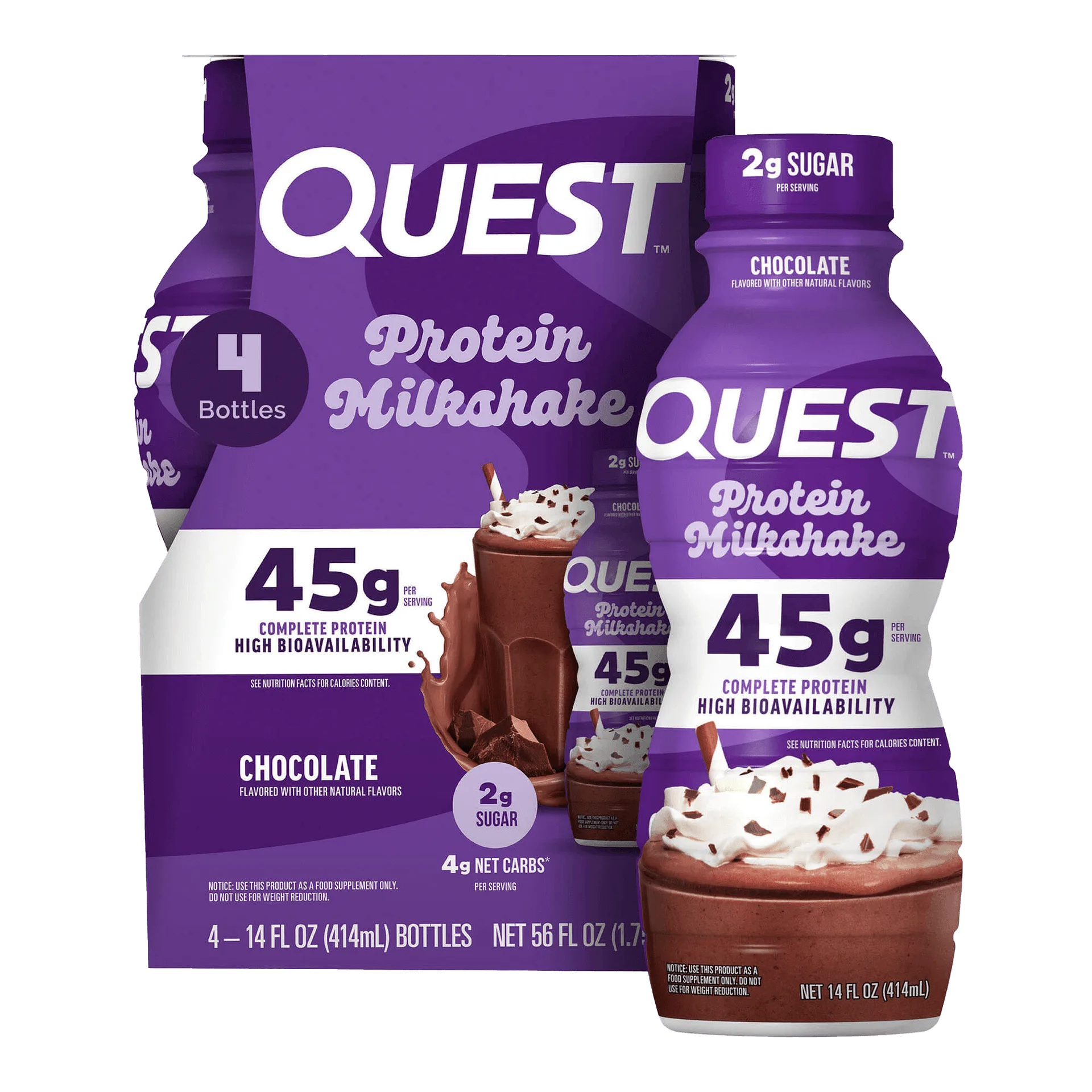
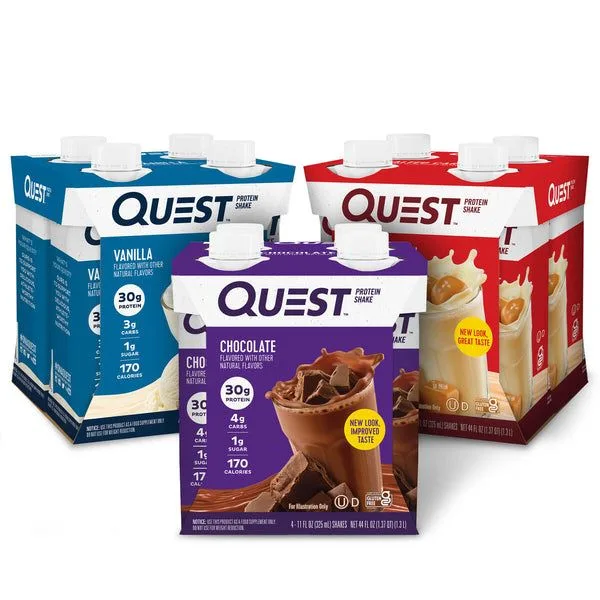
For a truly indulgent yet nutritious option, try the Bake Shop Chocolate Brownies — they combine the fudgy texture of a brownie with 17 grams of protein, hitting the sweet spot between candy and bar. And if you’re looking for a portable, all-in-one solution, the Protein Shake Variety Pack provides a liquid alternative that’s just as satisfying. The key is to read labels, know your goals, and enjoy your treats mindfully.
- Keep a few Quest Protein Bar Sampler packs in your desk for emergencies — they’re perfect for travel and portion control.
Whether you lean toward protein candy for its indulgent taste or protein bars for their staying power, the most important thing is to choose a snack that supports your health without making you feel deprived. Quest Nutrition offers a wide variety of both categories, so you can enjoy the best of both worlds. Ready to satisfy your sweet tooth the smart way? Explore the Mint Chocolate Chunk Protein Bars for a crunchy, refreshing treat that fits your macros.